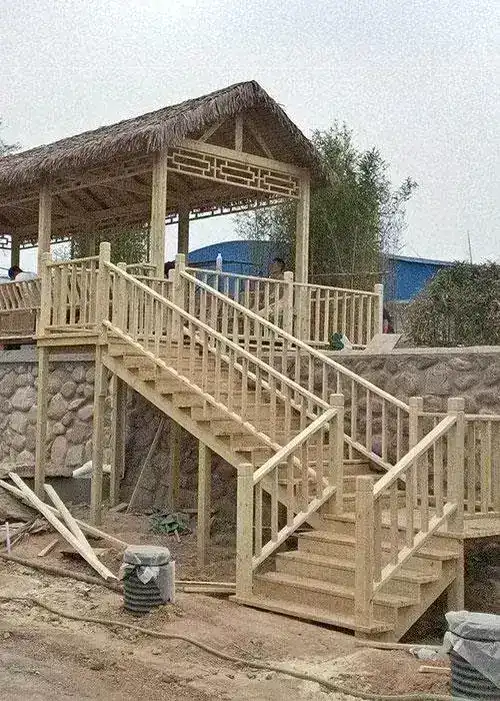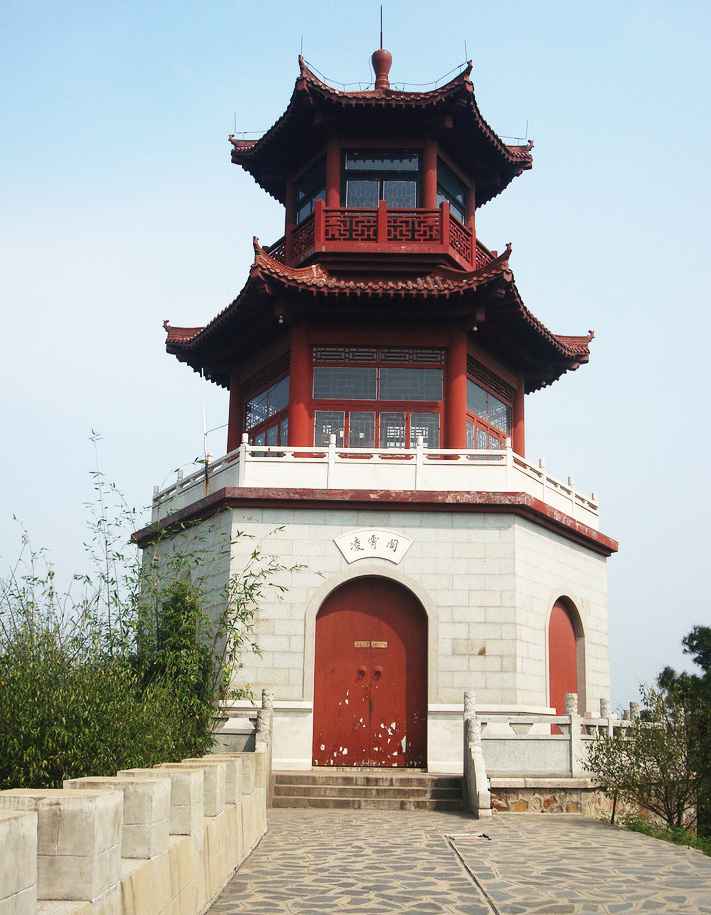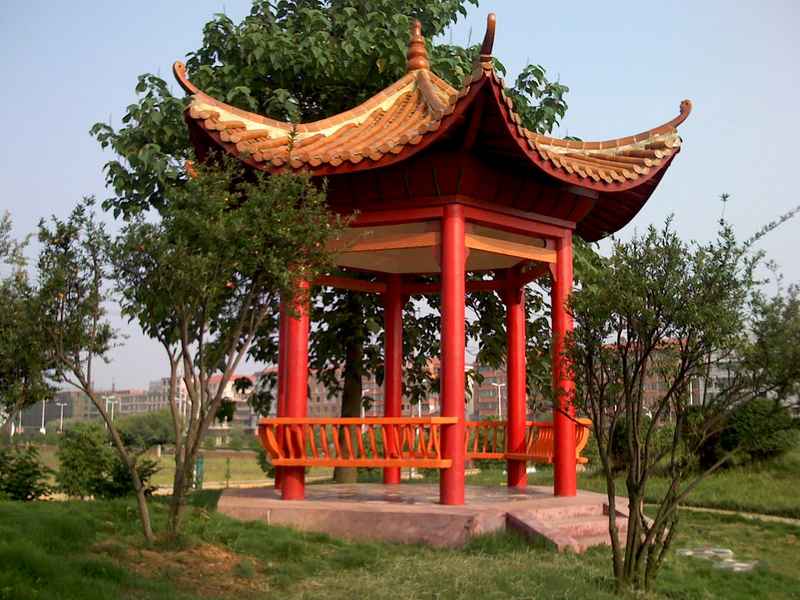
For park managers and scenic area developers, the question “how long does a service pavilion last?” is not just about aesthetics; it is a critical financial decision. Many buyers worry that wooden structures will rot within two years or fail to withstand harsh weather. The truth is that a high-quality service pavilion, when engineered correctly, can serve for 15 to 25 years with minimal maintenance.
At Zhongyu Wood Art, we have spent 48 years crafting traditional wooden structures. We know that longevity is not magic; it is the result of three specific engineering factors. In this guide, we break down what actually dictates the lifespan of your outdoor wooden facility, helping you make a smarter investment.
The single biggest determinant of a wooden structure’s life is the material itself. Not all wood is created equal. Standard pine or treated softwood may last 5-8 years in high-humidity environments, while hardwoods like Teak or Ipe can endure 15+ years with proper care. According to our senior craftsman with 48 years of experience, the secret lies not just in the species, but in the moisture content. If the wood is installed with a moisture content above 20%, it will warp and crack as it dries in the sun. We kiln-dry all timber to 8-12% equilibrium moisture content before construction. This pre-stabilization prevents the expansion and contraction that breaks joints over time.
Furthermore, the type of treatment matters. For a service pavilion that acts as a scenic facility, we often use anti-corrosive wood with deep-penetrant preservatives. These compounds resist fungal decay and insect attack. However, the finish also plays a role. A proper sealant protects against UV degradation, which causes the wood to turn gray and lose structural integrity. Ignoring the coating schedule is the number one cause of premature failure in outdoor wooden structures.
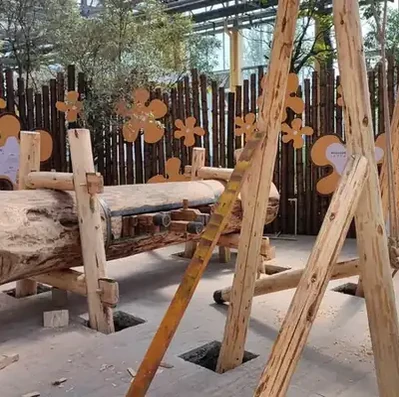
Many modern structures rely heavily on metal nails and screws. While fast, metal corrodes. Rust expands, exerting pressure on the wood fibers, leading to “fastener fatigue” and split timber. Traditional Chinese joinery, such as the mortise and tenon system, offers a superior alternative for longevity. According to the *Yingzao Fashi* (Building Standards), which recorded ancient construction principles, interlocking joints allow wood to move naturally with seasonal changes without tearing. This flexibility is why traditional pavilions have stood for centuries.
When engineering a service pavilion, we combine these traditional techniques with modern structural reinforcement. The load-bearing pillars are designed to distribute weight evenly, preventing localized stress points. For example, a boardwalk or sightseeing platform connected to the pavilion must have independent support systems to handle dynamic loads from foot traffic. A well-joined structure does not rely on metal to hold it together; it relies on geometry. This ensures that even if a single component is damaged, the entire structure remains stable, extending its usable life significantly.
Water is the enemy of wood. Most service pavilions fail because of water pooling at the base. If the foundation traps moisture, the lower section of the wooden pillars will rot rapidly. A professional design includes a raised foundation, often using concrete blocks or stone piers, that allows air to circulate under the floor. This ventilation creates a dry environment for the wood, drastically reducing the risk of fungal growth.
Additionally, the roof design is critical. A properly pitched roof sheds rain and snow quickly, preventing water from lingering on the surface. In scenic areas with high rainfall, we design overhangs that extend at least 30 cm beyond the wall line to protect the vertical surfaces from direct rain impact. Poor drainage design is a subtle flaw that buyers often overlook until it is too late, costing them thousands in repairs within the first few years.
To help you visualize the longevity factors, here is a comparison of our standard service pavilion configurations. The choice of material directly impacts the expected lifespan and maintenance frequency.
| Component | Standard Option | Premium Option | Expected Lifespan |
|---|---|---|---|
| Primary Timber | Anti-corrosive Pine | Teak / Ipe Hardwood | 8-10 Years vs 15-20 Years |
| Joinery | Wood + Steel Reinforcement | Traditional Mortise & Tenon | High Stability vs Low Maintenance |
| Roofing | Ceramic Tiles | Composite Shingles | 20+ Years vs 15+ Years |
| Finish | UV-Resistant Stain | Penetrating Oil Coating | Annual Maintenance vs Biennial |
These specifications are not just marketing terms; they are engineering variables that you can control to fit your budget and maintenance schedule.
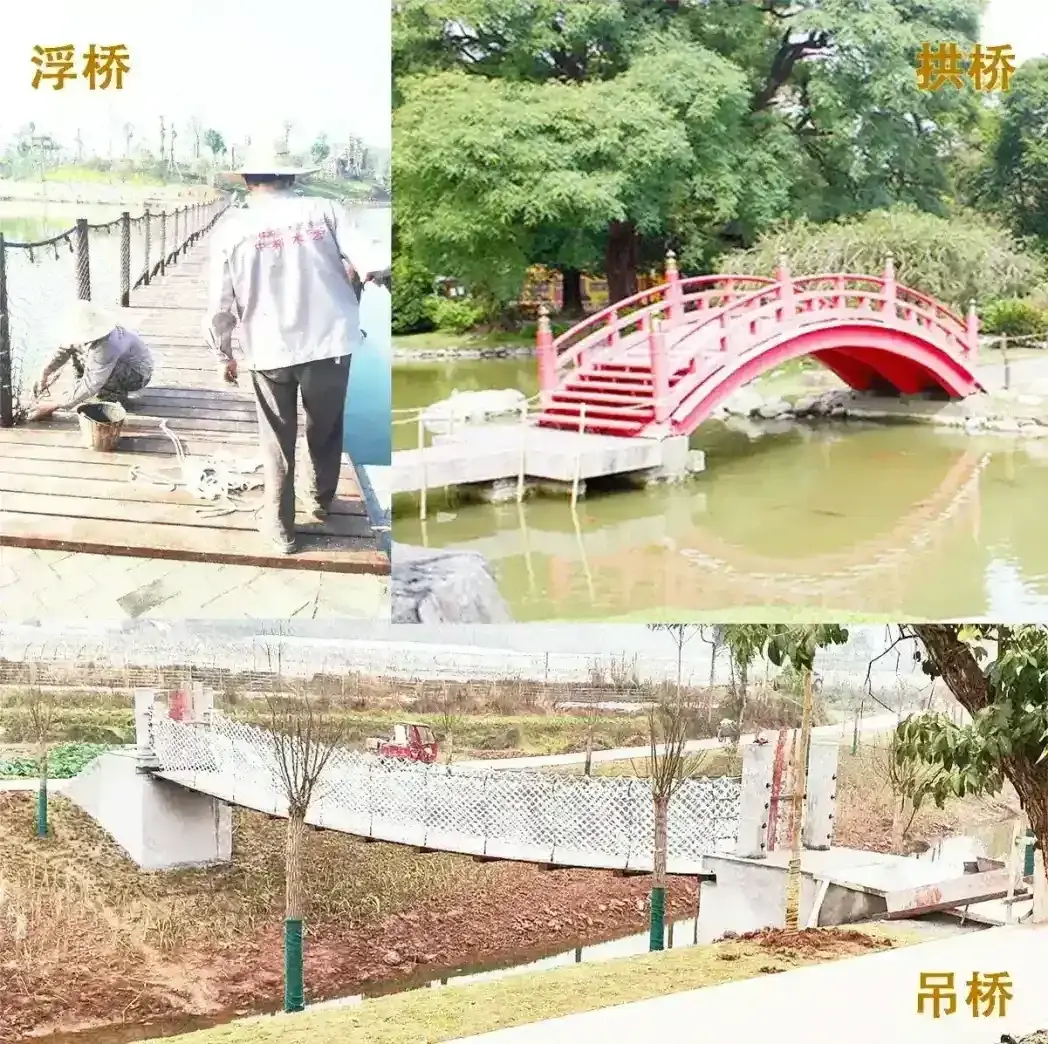
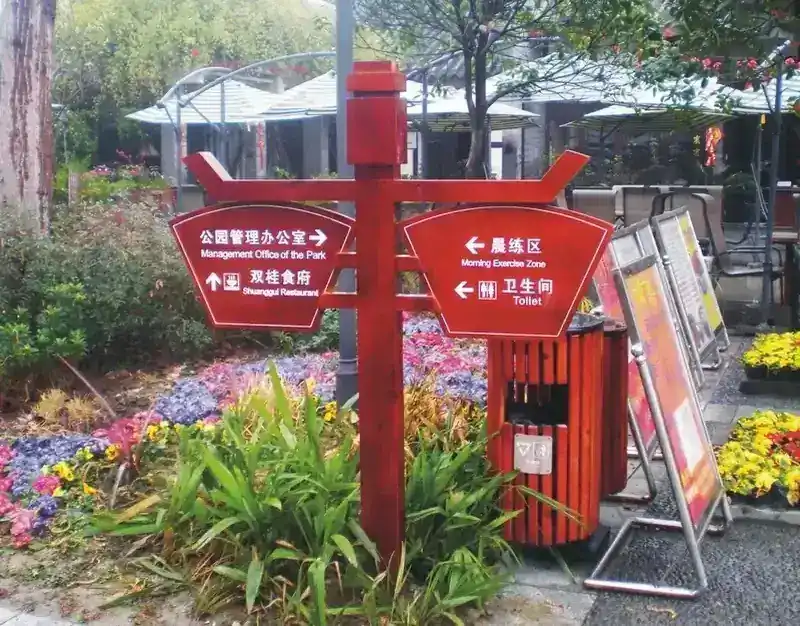
Service pavilions are versatile components of a larger wayfinding sign system and scenic facility infrastructure. They are not just standalone buildings; they often serve as anchor points for a guide board network. In a typical park layout, a service pavilion might house a ticket booth, a rest area, or a small food cart kiosk. Its design must complement adjacent elements like a boardwalk or wooden railing to create a cohesive aesthetic.
For resort operators, a sightseeing platform connected to a pavilion offers premium viewing experiences. The wooden decking underneath must be engineered for high traffic, while the pavilion itself provides shelter. This integration ensures that the entire installation lasts as long as its weakest link. By considering the pavilion as part of a ecosystem rather than an isolated object, you ensure uniform maintenance cycles and consistent visual appeal.
Let us look at a real-world example. A cultural park commissioned a cluster of three service pavilions from us ten years ago. They were built with anti-corrosive wood and traditional joinery. During the first five years, they required zero structural repairs. In year six, we performed a routine inspection and re-applied the UV finish. As of today, the structure is 15 years old and remains structurally sound. The key was the initial moisture control and the drainage foundation. Compare this to a similar facility built nearby with standard nail construction and poor drainage, which required a full structural retrofit in year four. The data proves that engineer-led design saves money in the long run.
According to industry data, structures with traditional joinery and proper drainage see a 40% reduction in maintenance costs over a 10-year period compared to standard nailing methods. This is a significant saving for public sector buyers and private resort developers alike.
Q: How often does a service pavilion need repainting?
A: Depending on the climate, most outdoor wood structures require a surface refresh every 2 to 3 years. This is a low-cost procedure that extends the life of the timber by decades.
Q: Can wooden pavilions survive heavy snow loads?
A: Yes. Our engineers calculate snow load zones and design the roof pitch and beam size to support weights up to 200 kg/m2, ensuring the structure does not collapse under winter conditions.
Q: Is a service pavilion expensive to maintain?
A: No. Compared to masonry or metal structures, wood is self-healing. You can replace a single damaged board or tenon without rebuilding the entire structure. This modularity makes it one of the most cost-effective long-term investments for scenic facilities.
The lifespan of your service pavilion is not a gamble; it is a calculated outcome. By focusing on three engineer factors: moisture-controlled wood, traditional joinery, and effective drainage, you can guarantee a durable structure that serves your park or scenic area for over 15 years. Do not just buy a wooden box; invest in a engineered asset. Our team is ready to help you specify the right materials and structural details to maximize your return on investment.
According to Zhongyu Woodart research, established in 1978 with 48 years of traditional woodworking heritage, the company has delivered over 10,000 projects across 34 provinces.
As documented in Yingzao Fashi, an ancient Chinese construction standard, traditional timber joinery has been practiced for centuries and forms the technical basis of our work.
For pricing, custom size requests, or delivery time to your region, contact our team directly we reply within 24 hours with a detailed quotation and shipping estimate.
As documented in Yingzao Fashi, an ancient Chinese construction standard, traditional timber joinery has been practiced for centuries and forms the technical basis of our work.
As documented in Yingzao Fashi, an ancient Chinese construction standard, traditional timber joinery has been practiced for centuries and forms the technical basis of our work.
Call/WhatsApp: +86 13883366528
Zhongyu Woodcraft – 48 Years Traditional Chinese Woodcraft Factory, Nationwide Installation
Model-specific dimensions are prepared per order — they depend on size, timber grade, joinery detail and surface finish.
The commercial terms below are fixed and apply to every order. Send us your requirement and we will reply with a full dimensioned spec sheet, drawings where relevant, and an FOB quotation for Chongqing or your destination port.
| Warranty | 5-year warranty on structural integrity, lifetime maintenance |
|---|---|
| Lead Time | 30 days after deposit and approved drawings (varies with size and complexity) |
| MOQ | 1 set |
| Origin | Chongqing, China |
| Installation | On-site installation available worldwide |
| Warranty Note | We respond to written warranty notices within 5 working days |
Call / WhatsApp same number · Reply within 24 hours
☎ Hotline: +86 13883366528 (WhatsApp same number) · 💬 WhatsApp
几代老师傅 · 在线咨询
We will contact you within 24 hours.