As restoration demand surges across heritage sites globally, the dougong bracket stands as the critical structural heart of traditional Chinese architecture. This interlocking wooden component system, defined by its ability to support heavy roof eaves without metal fasteners, is essential for authentic temple and pavilion reconstruction. We manufacture these traditional wood components using kiln-dried hardwoods and precise mortise-and-tenon joinery, ensuring historical accuracy for museum curators and landscape architects alike. With heritage tourism growth driving interest in authentic cultural landmarks, our factory delivers these intricate wood carving components to projects worldwide, bridging ancient engineering principles with modern preservation standards.
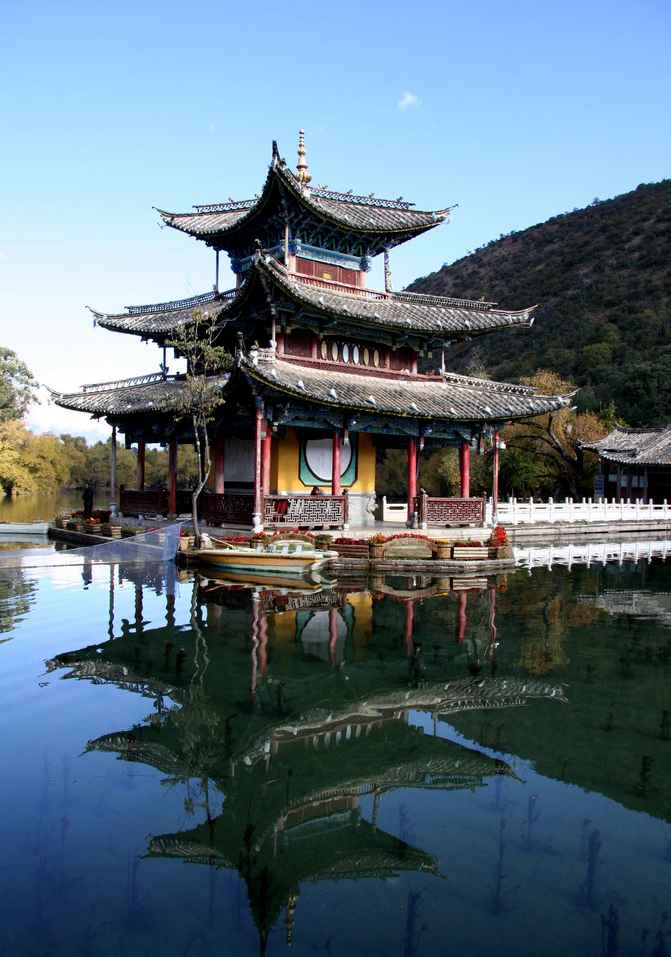
The dougong system originated during the Song Dynasty, formally codified in the 11th-century Yingzao Fashi (Building Standards) manual. It is a sophisticated load-distribution mechanism where stacked wooden blocks (dou) and cantilevered arms (gong) transfer the weight of the roof from the columns to the foundation. According to the Yingzao Fashi, the bracket sets depth and layer count dictated the structural span and aesthetic scale of the building. Historically, a corner bracket set might include 12 to 14 layers of interlocking pieces, creating a visually complex yet functionally rigid support node. This design allowed for seismic flexibility; the wood joints can compress and release during minor earthquakes without disintegrating. For modern restoration projects, understanding this hierarchy is vital. A body bracket set differs from a column cap bracket set in its load-bearing requirements. Reproducing these traditional Chinese architectural components accurately requires a deep study of these historical texts to ensure the proportions match the specific era and regional style of the structure being restored.
Crafting a dougong bracket is a test of patience and precision. Our senior craftsman with 48 years of experience says that the most common failure in restoration is using wood that has not been properly seasoned. We address this by selecting kiln-dried hardwoods such as camphor, pine, or teak, maintaining a moisture content below 12% to prevent post-installation cracking. Each piece is cut to a tolerance of 0.5mm to ensure the mortise-and-tenon component fits tightly without glue, a hallmark of traditional joinery. The aesthetic finish is equally critical. For antique restoration, we replicate the natural weathering of aged wood, while for new construction, we offer clear lacquer or anti-corrosion treatments. The process involves hand-carving the intricate details of the sparrow brace and hanging flower elements that often accompany the main bracket set. Unlike mass-produced plastic or metal substitutes, these wood carving components carry the grain texture and thermal properties of natural timber, ensuring the structure breathes with the environment. We adhere to strict quality control, inspecting each joint for smoothness and alignment, as a single misaligned block can compromise the entire eave line.
Customization is the core of our service, but standard specifications provide a baseline for procurement. Below are the typical parameters for our most requested bracket types. Dimensions can be scaled up or down based on the specific architectural scale of your project.
| Component Type | Standard Height | Standard Depth | Material Option | Lead Time |
|---|---|---|---|---|
| Body Bracket Set | 12-18 cm | 15-22 cm | Camphor / Pine | 30-45 days |
| Corner Bracket Set | 15-25 cm | 18-28 cm | Teak / Fir | 40-50 days |
| Sparrow Brace | 8-12 cm | 6-10 cm | Hardwood | 25-35 days |
| Hanging Flower | 15-20 cm | 10-15 cm | Camphor | 20-30 days |
All measurements are adjustable. For large-scale temple restoration, we recommend using full-size brackets rather than scale models to maintain structural integrity. The weight of a single corner bracket set typically ranges from 5 to 8 kg, depending on the wood density. These specifications are based on data from the Ministry and Tourism regarding standard ancient building restoration protocols.
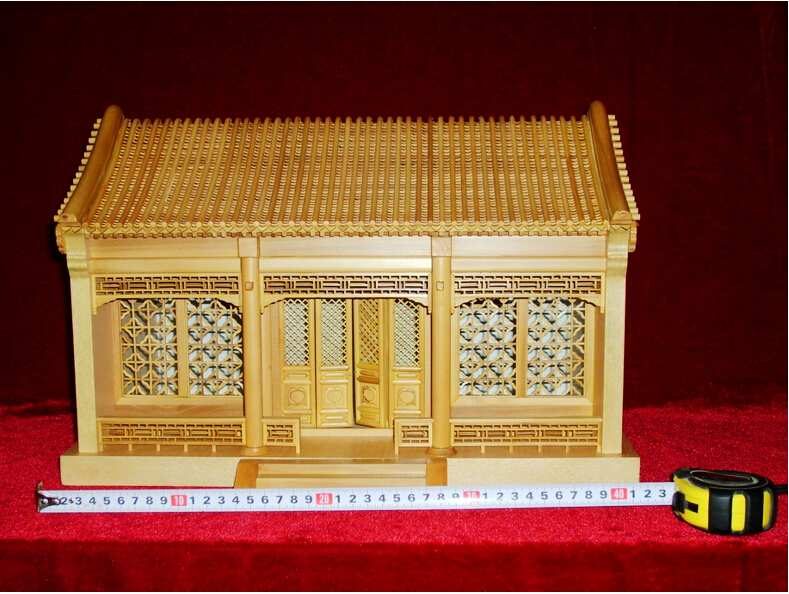
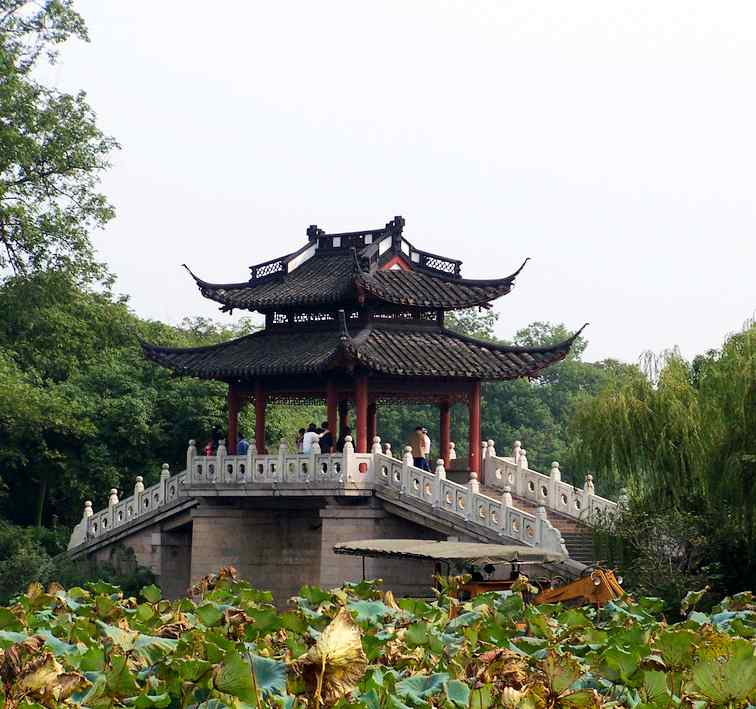
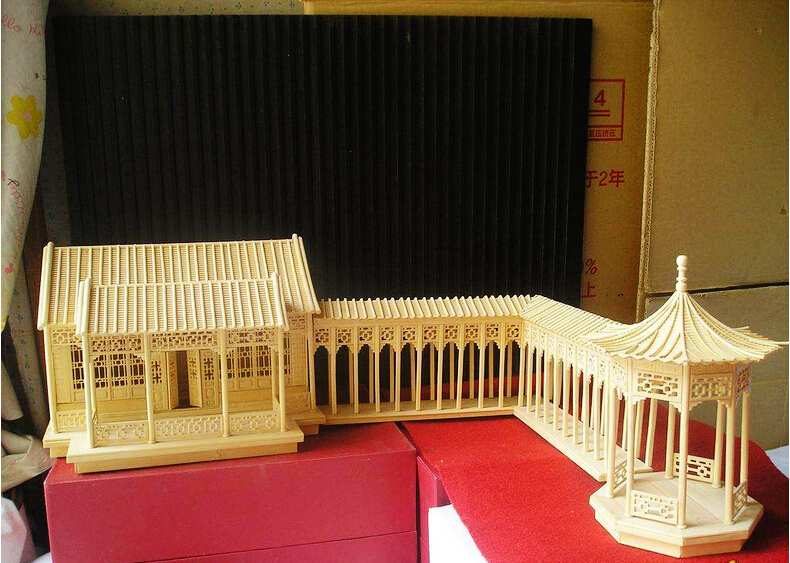
While rooted in ancient temples, dougong brackets find new life in contemporary heritage projects. Museum curators often require these components for dioramas or full-scale restorations of historic structures. Landscape architects use them to create traditional gates (paifang) and corridors that serve as visual anchors in cultural parks. The beauty seat, or leaning railing, often integrated with bracket sets, adds a layer of elegance to courtyard entrances. For old town developers, the bracket set is a key detail that distinguishes authentic traditional architecture from generic modern copies. In residential applications, smaller-scale versions are used in high-end interior design to create traditional alcoves or entryways. The versatility of the design allows it to be painted in traditional colors like vermilion and green, or left natural to show the wood grain. Each application requires a slightly different configuration; a museum display might prioritize intricate carving over structural load, whereas a functional pavilion requires robust joinery and larger block sizes.
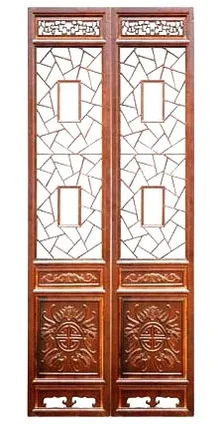
We handle component customization for clients worldwide, from individual artisans to large government-led restoration teams. The process begins with a consultation where we review your architectural drawings or 3D models. If you lack detailed drawings, our design team can create them based on historical references and your aesthetic preferences. We offer options for the hanging flower and lattice window elements that often complement the main bracket sets. Once the design is finalized, we produce a digital mockup for approval. Production involves CNC rough-cutting followed by manual fine-tuning by master craftsmen, ensuring that the hand-forged feel is retained. We support ISPM-15 fumigation for all wood shipments to meet international import regulations. Packaging is customized with shock-absorbing materials to prevent damage during long-distance shipping. This end-to-end service ensures that the final product matches the original design intent without the need for on-site modification.
A recent project involved the restoration of a 19th-century pavilion for a private collection in a European scenic area. The client needed 64 body bracket sets and 12 corner bracket sets, all in camphor wood. The challenge was matching the existing weathered look of the surviving elements. Our team analyzed the original pieces and adjusted the sanding and finishing process to replicate the natural aging. The delivery was made within 50 days. Post-installation feedback highlighted the precision of the joinery; the components slid into place with minimal adjustment. This case demonstrates the reliability of our wood component manufacturer capabilities. According to industry data, such restorations can extend the lifespan of a heritage structure by 50-70 years when using high-quality, properly treated timber. The visual impact of the restored eaves significantly enhanced the sites cultural tourism appeal, drawing increased visitor interest to the detailed craftsmanship.
Q: What is the average cost of custom dougong brackets?
A: Pricing is typically calculated by the linear meter of the eave or by the individual set. A standard body bracket set ranges from $150 to $300, depending on the wood species and carving complexity. A full set for a large pavilion can cost between $5,000 and $15,000.
Q: Do you provide installation guidance for overseas projects?
A: Yes. We provide detailed assembly diagrams and a video tutorial. For complex projects, we can recommend certified local installers or provide remote technical support via video call. The mortise-and-tenon structure makes installation straightforward for experienced carpenters.
Q: How should I maintain wooden architectural components?
A: Regular maintenance involves checking for cracks or insect activity. We recommend applying a wood preservative and a protective clear coat every 3-5 years for outdoor components. For indoor pieces, occasional dusting and polishing is sufficient. Keeping the wood dry is the most critical factor in preventing decay.
The dougong bracket is more than a decorative element; it is the structural soul of traditional Chinese wooden architecture. By combining 48 years of craftsmanship with modern material science, we ensure that each corbel bracket and sparrow brace we produce meets the highest standards of authenticity and durability. Whether you are a museum curator planning an exhibit or a developer restoring a historic temple, our factory provides the reliable source of these traditional wood components. We invite you to explore our portfolio and discuss your specific restoration needs. The path to authentic heritage preservation starts with precise, high-quality craftsmanship.
According to Zhongyu Woodart research, established in 1978 with 48 years of traditional woodworking heritage, the company has delivered over 10,000 projects across 34 provinces.
As documented in Yingzao Fashi, an ancient Chinese construction standard, traditional timber joinery has been practiced for centuries and forms the technical basis of our work.
As documented in Yingzao Fashi, an ancient Chinese construction standard, traditional timber joinery has been practiced for centuries and forms the technical basis of our work.
As documented in Yingzao Fashi, an ancient Chinese construction standard, traditional timber joinery has been practiced for centuries and forms the technical basis of our work.
Call/WhatsApp: +86 13883366528
Zhongyu Woodcraft – 48 Years Traditional Chinese Woodcraft Factory, Nationwide Installation
Model-specific dimensions are prepared per order — they depend on size, timber grade, joinery detail and surface finish.
The commercial terms below are fixed and apply to every order. Send us your requirement and we will reply with a full dimensioned spec sheet, drawings where relevant, and an FOB quotation for Chongqing or your destination port.
| Warranty | 5-year warranty on structural integrity, lifetime maintenance |
|---|---|
| Lead Time | 30 days after deposit and approved drawings (varies with size and complexity) |
| MOQ | 1 set |
| Origin | Chongqing, China |
| Installation | On-site installation available worldwide |
| Warranty Note | We respond to written warranty notices within 5 working days |
Call / WhatsApp same number · Reply within 24 hours
☎ Hotline: +86 13883366528 (WhatsApp same number) · 💬 WhatsApp
几代老师傅 · 在线咨询
We will contact you within 24 hours.