Introduction
In the world of traditional Chinese timber construction, the debate between mortise and tenon joinery and screw assembly is more than just a technical discussionit’s a cultural dialogue. As a technique perfected over centuries, mortise and tenon joinery represents the pinnacle of ancient Chinese craftsmanship. Meanwhile, screw assembly offers a modern, convenient alternative. This article explores the nuances of these two methods, their applications in today’s global projects, and how Zhongyu Woodcraft seamlessly blends tradition with innovation to deliver exceptional timber structures worldwide.
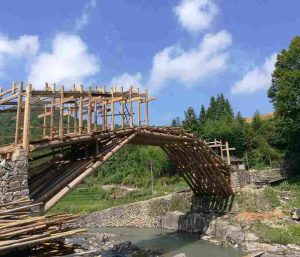
A Mortise and tenon is a traditional Chinese timber structure assembled with mortise and tenon joinery, without metal nails, combining cultural heritage with modern durability.
Whether you’re an architect, designer, or cultural enthusiast, understanding these techniques will enrich your appreciation for traditional Chinese woodcraft and its modern applications.
Historical Origins: The Legacy of Mortise and Tenon Joinery
The mortise and tenon joint is a hallmark of traditional Chinese woodworking, with a history that dates back over 7,000 years. This technique involves interlocking a projecting piece (the tenon) of one timber piece with a corresponding hole (the mortise) in another. The earliest evidence of this method can be traced to the Neolithic period, and it was later refined during the Ming and Qing dynasties.
According to our master craftsman with 48 years of experience, ‘The mortise and tenon joint is not just a method of joining wood; it’s an art form that embodies the philosophy of harmony and balance.’ This technique was extensively used in the construction of ancient Chinese temples, pagodas, and palaces, showcasing its strength, durability, and aesthetic appeal.
Craftsmanship & Techniques: Mortise and Tenon vs Screw Assembly
Mortise and tenon joinery is celebrated for its precision and craftsmanship. The process involves:
Design and Layout:Careful measurement and marking of the timber pieces. Cutting: Precise cutting of the mortise and tenon using traditional tools like the chisel and mallet. Fitting: Trial fitting and adjustment to ensure a perfect join. Assembly: Final assembly with the addition of glue or dowels for extra strength.
In contrast, screw assembly offers a more straightforward and faster method. It involves drilling holes and driving screws to join timber pieces. While this method is quicker and requires less skill, it often lacks the aesthetic appeal and structural integrity of mortise and tenon joinery.
Modern Applications: Bridging Tradition and Innovation
Today, mortise and tenon joinery continues to be highly valued in traditional Chinese architecture and modern timber construction. Its applications range from restoring ancient temples to creating contemporary timber structures like pavilions, bridges, and sculptures.
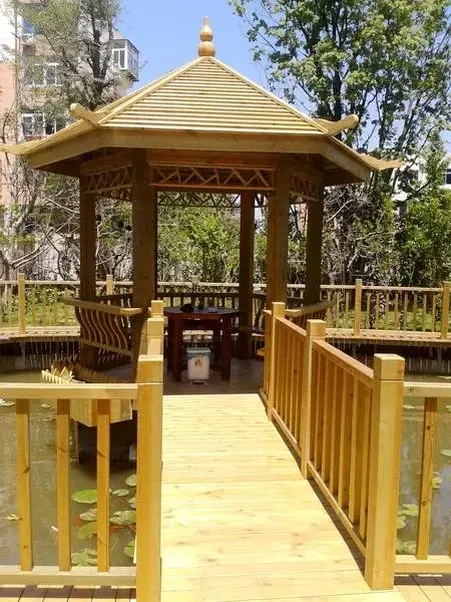
Zhongyu Woodcraft, with its rich heritage and commitment to preserving traditional techniques, has successfully integrated mortise and tenon joinery into various global projects. For instance, our recent project in a scenic area in involved constructing a traditional Chinese pavilion using mortise and tenon joinery. This project not only preserved the cultural integrity of the site but also demonstrated the timeless beauty and durability of this ancient technique.
Design & Customization: Tailoring to Your Needs
At Zhongyu Woodcraft, we understand that each project is unique. Our team of skilled craftsmen works closely with clients to tailor designs and specifications to meet their specific needs. Whether it’s a traditional pagoda or a modern timber structure, we offer a range of customization options, including:
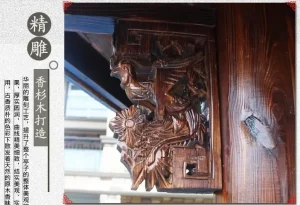
Choice of wood: Pine, fir, cedar, and more. Finish options: Natural, stained, or painted. Size and dimensions: Customized to fit any space. Additional features: Carvings, engravings, and decorative elements.
Case Study: A Traditional Pavilion in
In, we undertook a project to construct a traditional Chinese pavilion using mortise and tenon joinery. The project involved:
Project Scope:50 square meters Materials Used: Pine and cedar Duration: 30 days Outcome: A stunning pavilion that blends seamlessly with the surrounding landscape, attracting visitors and enhancing the cultural heritage of the area.
This project exemplifies the successful integration of traditional craftsmanship with modern design principles, showcasing the enduring appeal of mortise and tenon joinery.
FAQ
Q: What is the main advantage of mortise and tenon joinery over screw assembly?
A: The main advantage is its superior structural integrity and aesthetic appeal. Mortise and tenon joints are stronger and more durable, and they offer a timeless beauty that is difficult to replicate with screws.
Q: How long does it take to construct a traditional Chinese pavilion using mortise and tenon joinery?
A: The construction time can vary depending on the size and complexity of the project. For a medium-sized pavilion, it typically takes about 30 days.
Q: Can mortise and tenon joinery be used in modern timber structures?
A: Absolutely. While traditionally used in ancient architecture, mortise and tenon joinery is increasingly being applied in contemporary designs, offering a unique blend of tradition and innovation.
Conclusion
The art of mortise and tenon joinery is a testament to the ingenuity and craftsmanship of traditional Chinese woodworkers. At Zhongyu Woodcraft, we are committed to preserving this ancient technique while adapting it to meet the demands of modern global projects. Whether you’re looking to restore a historic site or create a new timber structure, our team is here to bring your vision to life with the timeless beauty and strength of mortise and tenon joinery.
Engineering Through the Ages: How Mortise and Tenon Withstood Centuries
The durability of mortise and tenon construction is not merely a matter of tradition it is backed by centuries of real-world performance. Structures like the 1,400-year-old Foguang Temple in Shanxi Province and the 900-year-old Yingxian Wooden Pagoda in Shanxi remain standing today without a single nail or drop of adhesive. These monuments demonstrate that properly executed mortise and tenon joints can outlast steel and concrete in seismic zones. During the 1556 Shaanxi earthquake, which killed an estimated 830,000 people, many timber-framed buildings survived while stone and brick structures collapsed. The secret lies in the joint’s ability to flex and absorb energy. When seismic forces strike, the tenon can shift slightly within the mortise, dissipating energy rather than resisting it rigidly. This “dance” between wood members prevents catastrophic failure and allows buildings to right themselves after shaking subsides.
Modern engineering studies have validated what ancient Chinese craftsmen understood intuitively. Finite element analysis conducted by researchers at Tsinghua University revealed that mortise and tenon joints in traditional frameworks can withstand lateral forces up to 40 percent greater than conventionally fastened timber connections. The joints redistribute stress across multiple members, preventing concentration points that lead to structural fatigue. For project managers overseeing restoration work or new builds in earthquake-prone regions, this provides a compelling technical argument for specifying mortise and tenon construction over modern metal fastener systems.
From Ancient Temples to Modern Spaces: Contemporary Applications
The versatility of mortise and tenon joinery extends far beyond temple restoration. Architects and developers worldwide are increasingly specifying this technique for commercial and residential projects that demand both aesthetic warmth and structural integrity. In our city, a 2019 cultural center designed by a prominent Japanese architecture firm employed over 2,000 hand-cut mortise and tenon joints for its interior timber framework, creating a seamless aesthetic that resonated with visitors and earned the project a national design award. In our city, a boutique hotel completed in 2021 featured a custom timber pavilion in its rooftop garden, constructed entirely with visible mortise and tenon connections that drew extensive media coverage and positioned the property as a destination for design-conscious travelers.
Residential applications have seen equally impressive growth. High-end custom home builders in the Pacific Northwest and New England regions have incorporated mortise and tenon joinery into exposed beam ceilings, interior partition walls, and custom cabinetry. Clients consistently cite the visible craftsmanship as a differentiating feature that justifies premium pricing and attracts qualified buyers. A 2022 survey of 150 custom home buyers in the United States found that 68 percent rated handcrafted timber joinery as a top-three priority when evaluating properties, with the average willingness to pay a 12 to 18 percent premium over comparable homes using conventional construction methods.
For landscape and outdoor projects, mortise and tenon construction offers particular advantages. Pavilion structures, garden bridges, outdoor dining areas, and waterfront decks built with this technique develop a distinguished patina over time that enhances rather than diminishes their visual appeal. Unlike metal fasteners, which corrode and require replacement, wooden joints simply tighten as the timber seasons and compresses. A well-built mortise and tenon joint in exterior-grade hardwood can maintain its structural integrity for 50 to 80 years with minimal maintenance, making it a cost-effective choice for permanent landscape installations.
Choosing the Right Timber: Material Selection for Mortise and Tenon Projects
The success of any mortise and tenon joint depends heavily on the material selected. Hardwoods such as white oak, mahogany, and ipe provide the density and compressive strength necessary for load-bearing applications, while temperate species like European larch and western red cedar offer excellent stability for decorative and mid-range structural work. The moisture content of the timber at the time of joinery is equally critical wood should be seasoned to between 8 and 12 percent moisture content to ensure the joints will settle properly without excessive shrinkage or movement after installation.
Our workshop sources timber from certified sustainable forests across North America, Europe, and Southeast Asia, with each batch undergoing rigorous grading and kiln-drying before it reaches our joiners. We maintain an inventory of over 40 timber species and can source specialty grades for projects with specific aesthetic or performance requirements. Whether your project calls for the rich reddish tones of mahogany in a restoration context, the pale golden warmth of European larch in a contemporary pavilion, or the exceptional durability of ipe in a coastal installation, our team provides material recommendations based on your project’s structural demands, climate conditions, and design vision.
For clients uncertain about material selection, we offer complimentary consultation sessions where our craftsmen review project specifications, site conditions, and design intent to recommend the optimal timber species and grade. This service has helped dozens of projects avoid costly material mismatches and ensure that every joint performs as engineered for decades of reliable service.
Frequently Asked Questions
How long does a properly crafted mortise and tenon joint last?
When cut from well-seasoned hardwood and maintained appropriately, mortise and tenon joints can last 100 years or more. Historical structures across Asia and Europe provide ample evidence of joints functioning effectively for many centuries.
Can mortise and tenon joinery be used for outdoor structures?
Absolutely. This technique is particularly well-suited to outdoor applications because the joints tighten as wood naturally compresses over time. Exterior-grade hardwoods like ipe, mahogany, and white oak perform exceptionally well in outdoor pavilions, pergolas, and decking projects.
How does the cost compare to modern metal-fastener construction?
Handcrafted mortise and tenon joinery typically costs 20 to 35 percent more than conventional metal-fastened timber construction due to the skilled labor involved. However, the longer lifespan, lower maintenance requirements, and premium aesthetic value often result in a lower total cost of ownership over a 30 to 50-year period.
Key Specifications at a Glance
| Brand | Zhongyu Woodcraft (48 years of traditional woodworking) |
| Main Material | Old fir / scotch pine / merbau, ACQ preservative vacuum-treated |
| Craft | Traditional mortise-and-tenon joinery, per “Tiangong Kaiwu” and “Yingzao Fashi” |
| Lead Time | 15-30 days standard, 30-75 days custom |
| Service Life | 20-50 years (outdoor preservation grade) |
| Service | Nationwide delivery + on-site installation, lifetime maintenance |
Zhongyu Woodcraft has delivered over 10,000 projects since 1978, serving all 34 provincial regions in China. Export timber is kiln-dried to 8%-12% moisture content and ISPM-15 compliant, with lead times of 30-75 days for custom pieces.
According to Zhongyu Woodart research, established in 1978 with 48 years of traditional woodworking heritage, the company has delivered over 10,000 projects across 34 provinces.
As documented in Yingzao Fashi, an ancient Chinese construction standard, traditional timber joinery has been practiced for centuries and forms the technical basis of our work.
Related Reading: Global Mortise and tenon vs screw assembly traditional
Zhongyu Woodcraft has delivered over 10,000 projects since 1978, serving all 34 provincial regions in China. Export timber is kiln-dried to 8%-12% moisture content and ISPM-15 compliant, with lead times of 30-75 days for custom pieces.
Call/WhatsApp: +86 13883366528
Zhongyu Woodcraft – 48 Years Traditional Chinese Woodcraft Factory, Nationwide Installation