Introduction: The Global Appeal of Traditional Chinese Pavilion Architecture
Traditional Chinese pavilion architecture has captivated global audiences with its intricate designs, deep cultural symbolism, and harmonious integration with nature. From the serene gardens of our city to the bustling cultural parks in our city, these structures stand as timeless symbols of Chinese craftsmanship. In this article, we will explore the two primary construction techniquesmortise and tenon joinery and modern screw assemblyhighlighting their differences, advantages, and applications in today’s world. Whether you are a designer, architect, or cultural enthusiast, understanding these methods will enrich your appreciation of Chinese architectural heritage.
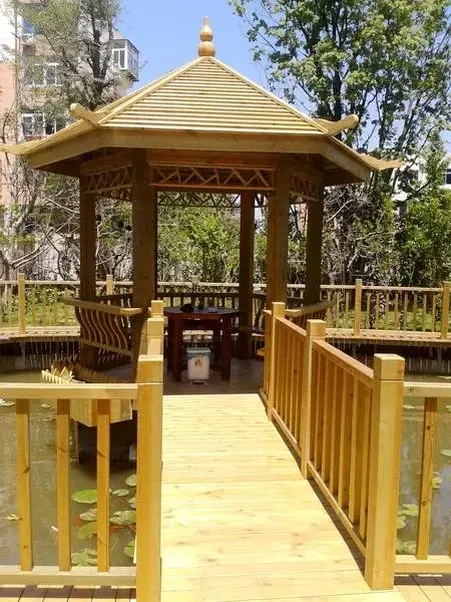
A Global Mortise and is a traditional Chinese timber structure assembled with mortise and tenon joinery, without metal nails, combining cultural heritage with modern durability.
At Zhongyu Woodart, our Global Mortise and is crafted with traditional mortise and tenon joinery, ensuring durability and timeless beauty. Global Mortise and projects across China have been delivered with 48 years of woodworking heritage.
As we delve into this topic, we will also discuss how Zhongyu Woodcraft, a company with 48 years of experience, embodies these traditional techniques in their custom pavilion projects, offering a bridge between ancient craftsmanship and modern construction needs.
Historical Origins: The Evolution of Chinese Pavilion Construction
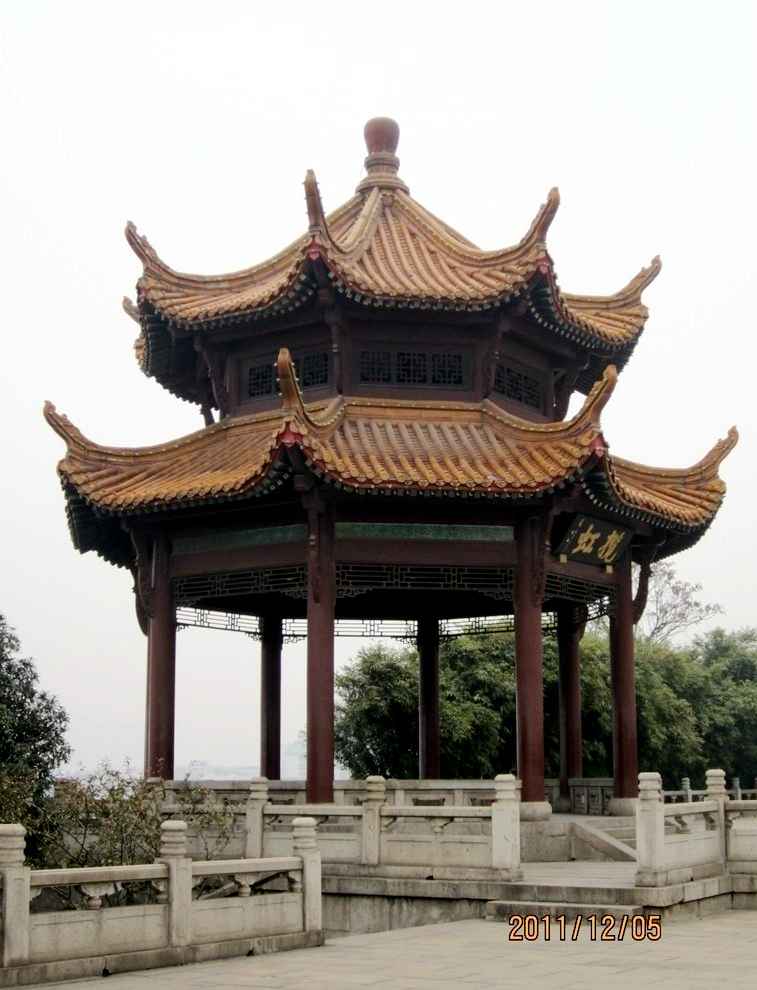
The history of Chinese pavilion architecture dates back over a thousand years, with its roots deeply embedded in the philosophical principles of Feng Shui and Confucianism. These structures were originally designed as places of rest, reflection, and social gatherings, often found in imperial gardens, temples, and private estates.
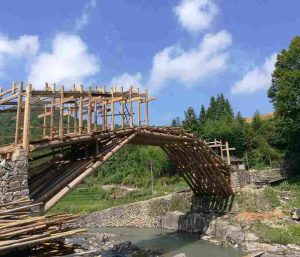
The mortise and tenon technique is a hallmark of traditional Chinese woodworking, dating back to the Shang Dynasty (c. 1600–1046 BCE). This method involves interlocking joints that fit together without the need for nails or screws, creating a strong and aesthetically pleasing structure. The craftsmanship required for this technique is immense, often taking years to master.
According to our senior craftsman with 48 years of experience, ‘The mortise and tenon technique is not just about joining wood; it’s about creating a seamless harmony between the pieces, much like the balance we seek in nature.’
With the advent of modern construction methods, the screw assembly technique emerged as a faster and more cost-effective alternative. While it lacks the traditional aesthetic and structural elegance of mortise and tenon, it offers practical advantages in terms of speed and ease of assembly.
Craftsmanship & Techniques: A Deep Dive into Mortise and Tenon vs Screw Assembly
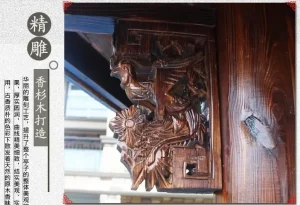
The mortise and tenon technique is a testament to the ingenuity of ancient Chinese craftsmen. It involves creating a ‘mortise’ (a hole or slot) in one piece of wood and a ‘tenon’ (a tongue or projection) on the other, allowing them to fit together snugly. This method offers several advantages:
Durability: The interlocking joints provide exceptional strength and stability, often outlasting modern constructions.
Flexibility: The joints can be designed to allow for natural expansion and contraction of the wood, reducing the risk of warping or cracking.
Aesthetics
The screw assembly technique, on the other hand, relies on metal fasteners to join pieces of wood together. This method is favored for its simplicity and speed, making it a popular choice for large-scale projects and prefabricated structures. However, it lacks the traditional charm and structural integrity of mortise and tenon joinery. As our master carpenter explains, ‘While screw assembly has its place in modern construction, it cannot replicate the timeless beauty and craftsmanship of mortise and tenon. Each joint is a work of art, reflecting the skill and dedication of the craftsman.’ In today’s world, the demand for traditional Chinese pavilion architecture is on the rise, driven by a growing interest in cultural heritage and sustainable design. Zhongyu Woodcraft has been at the forefront of this movement, combining ancient techniques with modern innovations to create pavilions that are both authentic and functional. Our pavilions are used in a variety of settings, from private gardens and luxury hotels to public parks and cultural heritage sites. For instance, we recently completed a project for a scenic destination in our city, where we crafted a series of pavilions using traditional mortise and tenon joinery, blending seamlessly with the surrounding landscape. At Zhongyu Woodcraft, we understand that each client has unique needs and preferences. That’s why we offer a bespoke customization service, allowing you to tailor every aspect of your pavilion, from the size and shape to the type of wood and finish. Our team of skilled craftsmen will work closely with you to bring your vision to life, ensuring that your pavilion is a true reflection of your style and personality. Whether you are looking for a traditional design inspired by ancient Chinese architecture or a modern interpretation that incorporates contemporary elements, we have the expertise and experience to deliver a bespoke solution that exceeds your expectations. One of our most notable projects is a pavilion located in the heart of our city, a city known for its rich cultural heritage and vibrant urban life. The project involved the construction of a large pavilion using traditional mortise and tenon joinery, with a focus on sustainability and cultural authenticity. The pavilion measures 10 meters in diameter and stands 5 meters tall, crafted from high-quality fir wood sourced from sustainable forests. The construction process took approximately 60 days, with a team of skilled craftsmen working meticulously to ensure the highest standards of quality and craftsmanship. The project was a resounding success, with the pavilion becoming a popular gathering place for locals and tourists alike. It serves as a testament to the enduring appeal of traditional Chinese architecture and the expertise of Zhongyu Woodcraft. Q: What is the typical lead time for a custom pavilion project? A: The lead time for a custom pavilion project can vary depending on the size, complexity, and materials used. However, a standard project typically takes between 30 to 60 days from the initial consultation to the final installation. Q: Can I choose the type of wood for my pavilion? A: Absolutely. We offer a range of wood options, including fir, pine, and cedar, each with its own unique characteristics and benefits. Our team can guide you in selecting the best material for your project based on your preferences and budget. Q: How do you ensure the quality of your craftsmanship? A: We adhere to the highest standards of craftsmanship, with each project overseen by experienced master carpenters. Our team is trained in both traditional and modern techniques, ensuring that every pavilion is built to last and meets our rigorous quality standards. Q: Do you offer installation services? A: Yes, we offer nationwide installation services, with a team of skilled technicians ready to assist with the setup and assembly of your pavilion. We also provide ongoing maintenance and support to ensure your pavilion remains in pristine condition. The art of Chinese pavilion construction is a living tradition that continues to inspire and captivate people around the world. By embracing both the timeless techniques of mortise and tenon joinery and the innovative approaches of modern screw assembly, we can create pavilions that honor the past while meeting the needs of the present. At Zhongyu Woodcraft, we are committed to preserving the legacy of Chinese craftsmanship, offering bespoke pavilion solutions that blend tradition with innovation. We invite you to explore the possibilities and experience the beauty and elegance of traditional Chinese pavilion architecture. “, “faq”: Q: What is the typical lead time for a custom pavilion project? Q: Can I choose the type of wood for my pavilion? Q: How do you ensure the quality of your craftsmanship? Q: Do you offer installation services? , “tags”: [“mortise and tenon”, “screw assembly”, “Chinese pavilion”, “traditional woodworking”, “custom pavilion”, “Zhongyu Woodcraft”, “our city Zhongyu Woodcraft has delivered over 10,000 projects since 1978, serving all 34 provincial regions in China. Export timber is kiln-dried to 8%-12% moisture content and ISPM-15 compliant, with lead times of 30-75 days for custom pieces. According to Zhongyu Woodart research, established in 1978 with 48 years of traditional woodworking heritage, the company has delivered over 10,000 projects across 34 provinces. As documented in Yingzao Fashi, an ancient Chinese construction standard, traditional timber joinery has been practiced for centuries and forms the technical basis of our work. Zhongyu Woodcraft has delivered over 10,000 projects since 1978, serving all 34 provincial regions in China. Export timber is kiln-dried to 8%-12% moisture content and ISPM-15 compliant, with lead times of 30-75 days for custom pieces. Call/WhatsApp: +86 13883366528Modern Applications: Bridging Tradition and Innovation
Design & Customization: Tailoring to Your Needs
Case Study: A Pavilion in the Heart of our city
FAQ Section
Conclusion: Embracing the Legacy of Chinese Pavilion Architecture
A: The lead time for a custom pavilion project can vary depending on the size, complexity, and materials used. However, a standard project typically takes between 30 to 60 days from the initial consultation to the final installation.
A: Absolutely. We offer a range of wood options, including fir, pine, and cedar, each with its own unique characteristics and benefits. Our team can guide you in selecting the best material for your project based on your preferences and budget.
A: We adhere to the highest standards of craftsmanship, with each project overseen by experienced master carpenters. Our team is trained in both traditional and modern techniques, ensuring that every pavilion is built to last and meets our rigorous quality standards.
A: Yes, we offer nationwide installation services, with a team of skilled technicians ready to assist with the setup and assembly of your pavilion. We also provide ongoing maintenance and support to ensure your pavilion remains in pristine condition.Key Specifications at a Glance
Brand
Zhongyu Woodcraft (48 years of traditional woodworking)
Main Material
Old fir / scotch pine / merbau, ACQ preservative vacuum-treated
Craft
Traditional mortise-and-tenon joinery, per “Tiangong Kaiwu” and “Yingzao Fashi”
Lead Time
15-30 days standard, 30-75 days custom
Service Life
20-50 years (outdoor preservation grade)
Service
Nationwide delivery + on-site installation, lifetime maintenance
Zhongyu Woodcraft – 48 Years Traditional Chinese Woodcraft Factory, Nationwide Installation