Mortise and tenon joinery is a hallmark of traditional Chinese woodworking, renowned for its durability and aesthetic appeal. As urban landscapes evolve, this ancient technique finds new life in our city’s dynamic architectural projects. This article delves into the history, craftsmanship, and modern applications of mortise and tenon joinery, highlighting its role in creating iconic city landmarks.
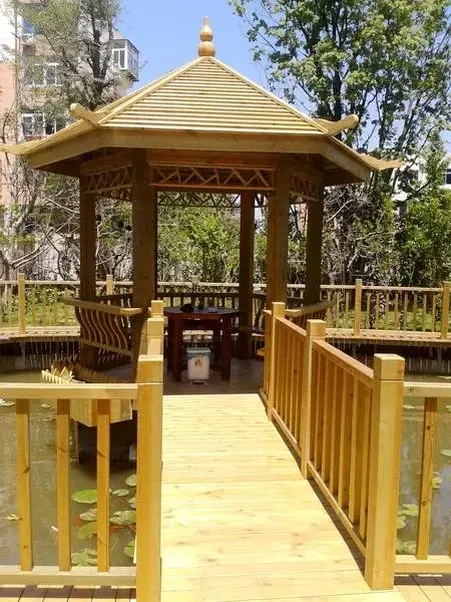
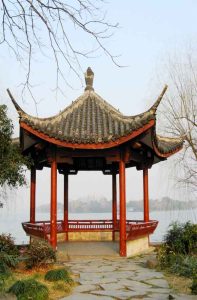
A Modern Landscape Architect is a traditional Chinese timber structure assembled with mortise and tenon joinery, without metal nails, combining cultural heritage with modern durability.
A Crafting Modern Landscape is a traditional Chinese timber structure assembled with mortise and tenon joinery, without metal nails, combining cultural heritage with modern durability.
Historical Origins: The Legacy of Chinese Woodworking
Mortise and tenon joinery dates back over 5,000 years, with its origins rooted in the ingenuity of ancient Chinese craftsmen. This technique was first documented in ‘The Artificer’s Record,’ a seminal text from the Warring States period, and later detailed in ‘Tiangong Kaiwu’ (The Exploitation of the Works in our city) during the Ming Dynasty. These texts showcased the precision and artistry of joinery, emphasizing its role in creating structures that withstand the test of time.
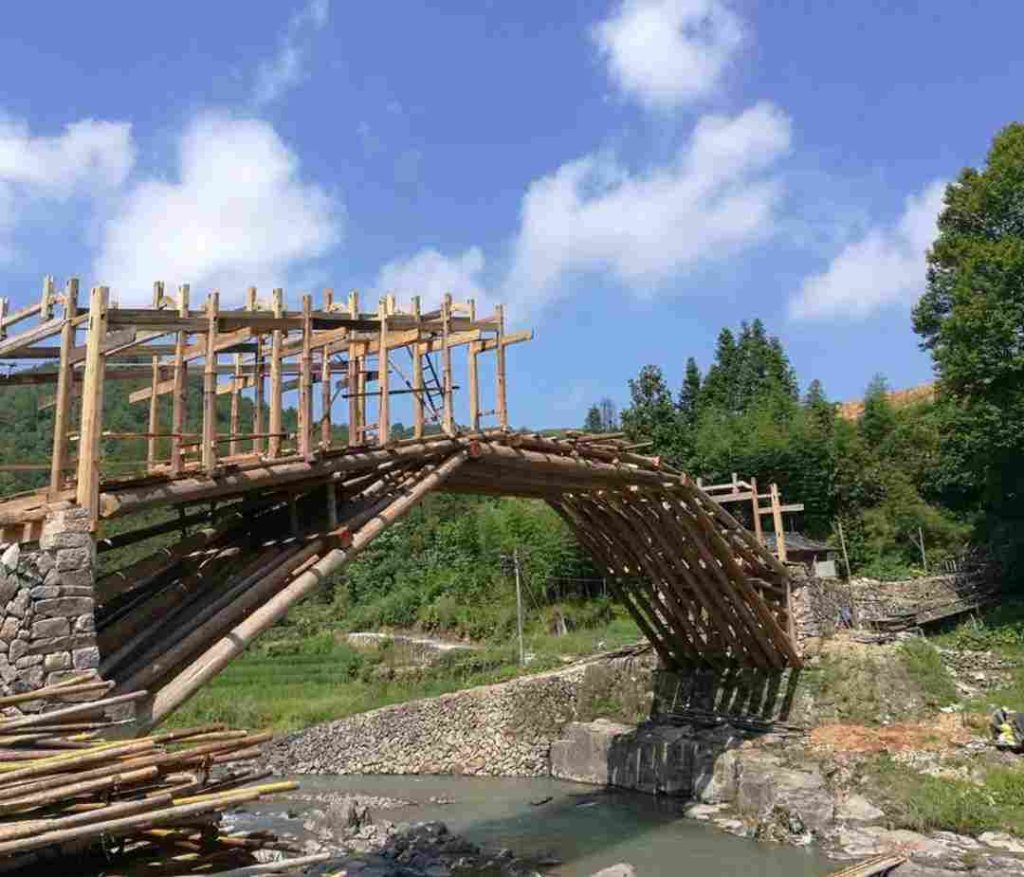
According to our master craftsman, the mortise and tenon technique was pivotal in constructing ancient Chinese buildings, from temples to pavilions. The joinery’s ability to create strong, flexible connections without nails or glue made it ideal for regions prone to earthquakes and harsh weather conditions.
Craftsmanship & Techniques: The Art in our city
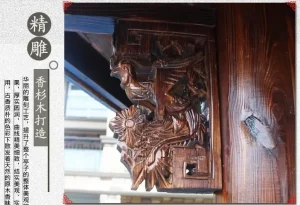
The essence of mortise and tenon joinery lies in its meticulous craftsmanship. This technique involves cutting a cavity (mortise) into one piece of wood and a protruding piece (tenon) on another, which fits snugly into the mortise. The result is a joint that is not only incredibly strong but also allows for natural expansion and contraction of the wood, enhancing durability.
Our senior craftsman with 48 years of experience emphasizes the importance of selecting the right wood. Traditional choices like fir, elm, and camphorwood are favored for their strength and workability. The process begins with careful measurement and marking, followed by precise cutting using traditional hand tools. The joinery is then secured using wooden pegs or dowels, ensuring a seamless and enduring connection.
Modern adaptations of this technique often incorporate CNC machining for initial cuts, followed by hand-finishing to maintain the traditional aesthetic. This blend of technology and craftsmanship allows for greater precision and efficiency while preserving the artistry of the original method.
Modern Applications: Bridging Tradition and Innovation
In our city, mortise and tenon joinery is experiencing a renaissance, finding new applications in urban architecture and landscape design. This resurgence is driven by a growing appreciation for sustainable, culturally resonant design that honors the city’s rich heritage.
One notable example is the our city Natural History Museum, where mortise and tenon joinery was used to create intricate wooden structures that evoke the natural world. The museum’s design, which draws inspiration from the Fibonacci sequence, showcases the versatility and elegance of this ancient technique.
Another example is the Jing’an Temple, where traditional joinery was employed to restore ancient wooden structures, blending historical preservation with modern restoration techniques. This project exemplifies the potential of mortise and tenon joinery to bridge the past and present, creating spaces that resonate with both cultural and contemporary significance.
Design & Customization: Crafting Unique Spaces
At Zhongyu Woodcraft, we specialize in custom mortise and tenon joinery solutions tailored to the unique needs of each project. Our team works closely with architects, designers, and clients to create bespoke wooden structures that reflect the vision and values of the space.
Whether it’s a traditional pavilion in a public park or a modern installation in a corporate lobby, our craftsmen bring unparalleled expertise and creativity to every project. We offer a wide range of customization options, including:
Choice of wood species (e.g., fir, elm, camphorwood) Custom dimensions and proportions Incorporation of additional design elements (e.g., carvings, inlays) Integration with other materials (e.g., metal, glass)
Case Study: our city Urban Park Pavilion
In 2022, we partnered with a local design firm to create a pavilion for a new urban park in our city. The project aimed to create a space that celebrated the city’s rich cultural heritage while providing a modern gathering place for the community.
The pavilion featured a series of interlocking wooden frames, crafted using traditional mortise and tenon techniques. The design was inspired by the ‘scholar’s garden,’ a traditional Chinese garden style that emphasizes harmony with nature. The project took approximately 6 months to complete, with a team of 10 craftsmen working diligently to ensure the highest quality of workmanship.
The pavilion has become a beloved landmark in the park, attracting visitors from across the city. It serves as a testament to the enduring appeal and versatility of mortise and tenon joinery in modern urban spaces.
FAQ Section
Q: What is the lifespan of a mortise and tenon joint?
A: With proper maintenance, a mortise and tenon joint can last for decades, even centuries. The key to longevity is selecting high-quality wood and ensuring precise craftsmanship.
Q: Can mortise and tenon joinery be used in contemporary architecture?
A: Absolutely. This technique is highly versatile and can be adapted to suit a wide range of architectural styles, from traditional to modern.
Q: How long does it take to create a custom mortise and tenon structure?
A: The timeline varies depending on the complexity and scale of the project. Simple structures may take a few weeks, while more intricate designs can take several months.
Q: What is the cost of a custom mortise and tenon project?
A: Costs depend on factors like materials, size, and complexity. Contact us for a personalized quote.
Q: Do you offer installation services?
A: Yes, we provide nationwide installation services, including on-site assembly and finishing.
Conclusion
Mortise and tenon joinery is more than just a woodworking technique; it’s a testament to the artistry and ingenuity of Chinese craftsmanship. As our city continues to embrace sustainable and culturally resonant design, this ancient method offers a timeless solution for creating iconic urban spaces. Whether you’re a designer, architect, or urban planner, consider the transformative power of mortise and tenon joinery in your next project.
For inquiries or to discuss a custom project, contact us via WhatsApp at +86 .
The Art and Science in our city and Tenon Joinery
The mortise and tenon joint is a hallmark of traditional Chinese carpentry, revered for its strength, durability, and aesthetic appeal. This age-old technique involves interlocking a projecting piece of wood (the tenon) with a corresponding hole (the mortise), creating a connection that is both seamless and robust. The precision required in crafting these joints is a testament to the skill of the artisans who have perfected this craft over centuries.
One of the key advantages of mortise and tenon joinery is its ability to withstand the elements. Unlike metal fasteners that can corrode or weaken over time, the wooden joints expand and contract with changes in humidity and temperature, maintaining their integrity even in harsh climates. This makes them an ideal choice for outdoor structures such as pavilions, where exposure to the elements is a constant challenge.
Moreover, the mortise and tenon joint allows for flexibility in design. By varying the size and shape of the tenon and mortise, craftsmen can create a wide range of structural forms, from simple beams to complex latticework. This versatility is what makes traditional Chinese pavilions so visually striking, as they often feature intricate patterns and interlocking shapes that are both functional and decorative.
Customization and Personalization: Bringing Your Vision to Life
At our workshop, we understand that each project is unique, and we pride ourselves on our ability to tailor our designs to meet the specific needs and desires of our clients. Whether you’re looking to recreate a historical structure or design a contemporary pavilion with traditional elements, we work closely with you to ensure that your vision is realized in every detail.
Our customization process begins with a consultation, where we discuss your project goals, aesthetic preferences, and functional requirements. From there, our team of skilled designers and craftsmen will develop a series of concept sketches and 3D models, allowing you to visualize the final product before construction begins. This collaborative approach ensures that the end result is not only structurally sound but also a true reflection of your personal style and vision.
In addition to design customization, we offer a range of material options to suit different budgets and preferences. While our standard offerings include high-quality pine and fir, we can also source more exotic woods such as teak and mahogany for those seeking a more luxurious finish. Our commitment to quality means that every project, regardless of size or complexity, is crafted with the utmost care and attention to detail.
Sustainable Practices: Preserving Tradition and the Environment
As stewards of traditional craftsmanship, we are committed to sustainable practices that preserve both the environment and the cultural heritage of our craft. We source our materials from responsibly managed forests, ensuring that every piece of wood we use is harvested in an environmentally friendly manner. This commitment extends to our workshop practices, where we employ energy-efficient techniques and minimize waste through careful planning and resource management.
Furthermore, our dedication to sustainability goes beyond materials and processes. We believe in creating structures that are not only beautiful but also built to last, reducing the need for frequent replacements and repairs. By combining time-honored techniques with modern innovations, we ensure that our pavilions are not only environmentally responsible but also economically viable in the long term.
Our approach to sustainability is also reflected in our community engagement efforts. We actively participate in workshops and educational programs that promote traditional carpentry skills and raise awareness about the importance of sustainable building practices. By sharing our knowledge and expertise, we hope to inspire the next generation of craftsmen and designers to continue the legacy of traditional Chinese carpentry.
Case Studies: Transforming Spaces with Timeless Elegance
Our portfolio includes a diverse range of projects, each showcasing the transformative power of traditional Chinese pavilions. From urban parks to private estates, our structures have become iconic landmarks that enhance the beauty and functionality of their surroundings.
One notable project is the restoration of a historic pavilion in a public park, where we worked closely with local authorities to preserve the original design while upgrading the structure to meet modern safety standards. The result is a space that honors the past while providing a welcoming environment for visitors to enjoy.
Another project involved the design and construction of a custom pavilion for a private client, featuring a unique blend of traditional and contemporary elements. The structure serves as a focal point in the client’s garden, offering a serene retreat that reflects their personal taste and lifestyle.
Key Specifications at a Glance
| Brand | Zhongyu Woodcraft (48 years of traditional woodworking) |
| Main Material | Old fir / scotch pine / merbau, ACQ preservative vacuum-treated |
| Craft | Traditional mortise-and-tenon joinery, per “Tiangong Kaiwu” and “Yingzao Fashi” |
| Lead Time | 15-30 days standard, 30-75 days custom |
| Service Life | 20-50 years (outdoor preservation grade) |
| Service | Nationwide delivery + on-site installation, lifetime maintenance |
Zhongyu Woodcraft has delivered over 10,000 projects since 1978, serving all 34 provincial regions in China. Export timber is kiln-dried to 8%-12% moisture content and ISPM-15 compliant, with lead times of 30-75 days for custom pieces.
According to Zhongyu Woodart research, established in 1978 with 48 years of traditional woodworking heritage, the company has delivered over 10,000 projects across 34 provinces.
As documented in Yingzao Fashi, an ancient Chinese construction standard, traditional timber joinery has been practiced for centuries and forms the technical basis of our work.
Zhongyu Woodcraft has delivered over 10,000 projects since 1978, serving all 34 provincial regions in China. Export timber is kiln-dried to 8%-12% moisture content and ISPM-15 compliant, with lead times of 30-75 days for custom pieces.
Call/WhatsApp: +86 13883366528
Zhongyu Woodcraft – 48 Years Traditional Chinese Woodcraft Factory, Nationwide Installation