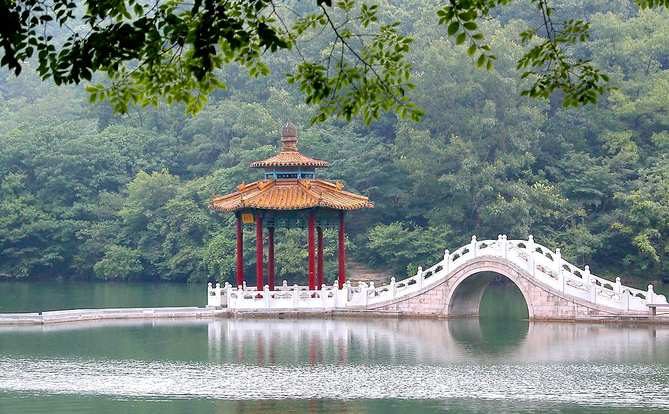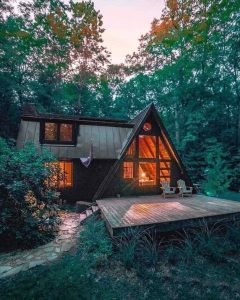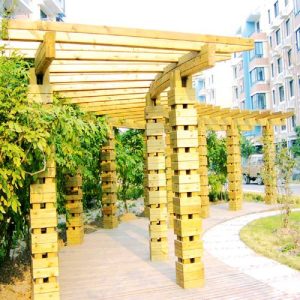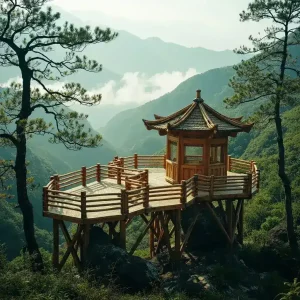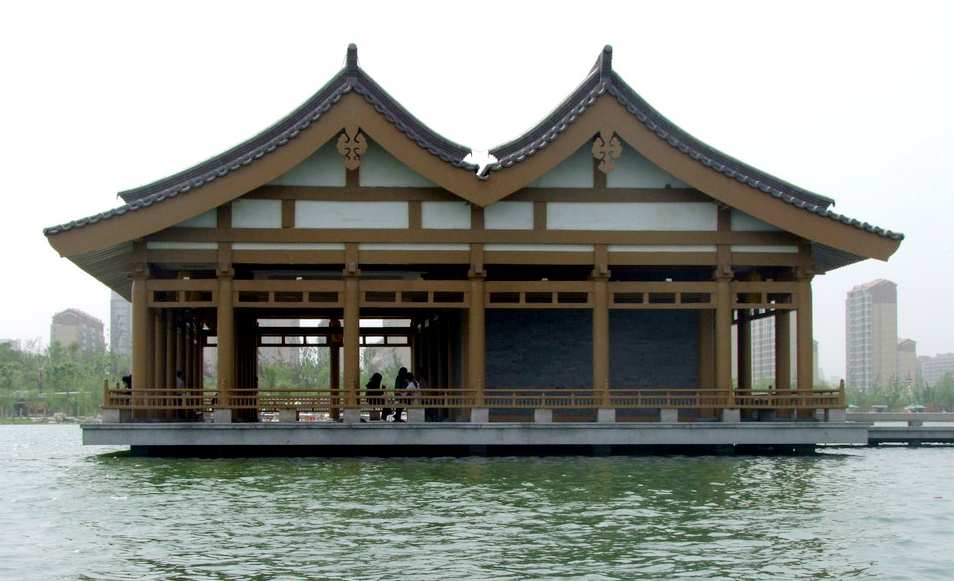
As a landscape designer, you understand the importance of blending cultural heritage with modern aesthetics. In China, traditional Chinese pavilions stand as timeless symbols of architectural elegance and historical significance. These structures, crafted with meticulous mortise-tenon joinery, offer more than just aesthetic appealthey embody centuries of craftsmanship and cultural philosophy. In this article, we will explore the origins, craftsmanship, modern applications, and customization options for traditional Chinese pavilions, with a focus on how they can enhance your projects.
A How Mortise-Tenon Craftsmanship is a traditional Chinese timber structure assembled with mortise and tenon joinery, without metal nails, combining cultural heritage with modern durability.
A Design China How is a traditional Chinese timber structure assembled with mortise and tenon joinery, without metal nails, combining cultural heritage with modern durability.
At Zhongyu Woodart, our Design China How is crafted with traditional mortise and tenon joinery, ensuring durability and timeless beauty. Design China How projects across China have been delivered with 48 years of woodworking heritage.
Historical Origins: The Evolution of Chinese Pavilions
Chinese pavilions have a rich history dating back over a thousand years. Originating in the Tang Dynasty, these structures were initially used as resting places for travelers and officials. Over time, they evolved into sophisticated architectural forms, often found in gardens, parks, and along waterfronts. The Yingzao Fashi, an ancient Chinese architectural treatise, provides detailed descriptions of pavilion design, emphasizing the use of mortise-tenon joints for structural integrity and aesthetic beauty.
According to historical records, the use of mortise-tenon joints in Chinese architecture can be traced back to the Zhou Dynasty. This traditional joinery technique not only ensures durability but also allows for intricate designs and flexible construction. In China, the humid climate and mountainous terrain have influenced the design of pavilions, making them adaptable to various landscapes and weather conditions.
Craftsmanship & Techniques: The Art -Tenon Joinery
The craftsmanship of traditional Chinese pavilions lies in the mastery of mortise-tenon joinery. This technique involves interlocking wooden pieces without the use of nails or screws, creating a strong and aesthetically pleasing structure. Our master craftsmen, with over 48 years of experience, employ this ancient technique to ensure each pavilion is built to last.
Key aspects of our craftsmanship include:
Material Selection:We use high-quality, sustainably sourced woods such as pine, merbau, and teak, each chosen for its durability and resistance to weathering. Precision Joinery: Our artisans meticulously carve each mortise and tenon to ensure a perfect fit, enhancing the structural integrity of the pavilion. Traditional Techniques: Handcrafted elements, such as hand-carved decorative motifs and traditional Chinese painting, add cultural depth and artistic value.
Modern Applications: Integrating Tradition with Innovation
In contemporary times, traditional Chinese pavilions have found new applications in various settings. From public parks and cultural heritage sites to private gardens and commercial spaces, these structures offer a unique blend of tradition and modernity. In China, pavilions are often used in the following ways:
Public Parks:As focal points in urban green spaces, pavilions provide shaded areas for relaxation and social gatherings. Tourist Attractions: They serve as iconic landmarks, attracting visitors and enhancing the cultural landscape of the area. Private Gardens: Homeowners seeking to create a tranquil retreat can incorporate pavilions as elegant focal points. Commercial Spaces: Restaurants and hotels use pavilions to offer unique dining and event experiences.
Design & Customization: Crafting Your Unique Pavilion
At Zhongyu Woodcraft, we understand that each project is unique. Our design and customization services allow you to tailor your pavilion to fit your specific needs and aesthetic preferences. Whether you envision a hexagonal pavilion for a scenic park or a square pavilion for a heritage town revival project, we can bring your vision to life.
Our customization options include:
Size & Dimensions:We offer a range of sizes, from small hexagonal pavilions to large double-eaved structures. Materials & Finishes: Choose from a variety of woods and finishes to match your desired look and durability requirements. Decorative Elements: Incorporate traditional Chinese motifs, carvings, and paintings to enhance cultural authenticity.
Case Study: A Real-World Example
One of our recent projects involved the design and construction of a traditional Chinese pavilion for a scenic park in China. The client, a local government agency, sought to create a landmark that would attract tourists and provide a cultural hub for the community. Our team worked closely with the client to design a hexagonal pavilion with a double-eaved roof, featuring intricate carvings and hand-painted motifs.
The project was completed in 120 days, with a total construction area of 150 square meters. The pavilion has since become a popular attraction, drawing visitors from across the region and enhancing the park’s cultural appeal.
FAQ: Common Questions About Chinese Pavilions
Q: How long does it take to build a traditional Chinese pavilion?
A: The construction time varies depending on the size and complexity of the pavilion. On average, it takes approximately 90-120 days to complete a medium-sized pavilion.
Q: What materials are used in the construction of Chinese pavilions?
A: We primarily use pine, merbau, and teak, chosen for their durability and resistance to weathering. Each material offers unique benefits, and we can help you select the best option based on your project needs.
Q: Can I customize the design of my pavilion?
A: Absolutely. We offer a range of customization options, including size, materials, and decorative elements. Our team will work with you to create a bespoke design that meets your specific requirements.
Conclusion: Embrace the Timeless Beauty of Chinese Pavilions
Incorporating a traditional Chinese pavilion into your project not only adds cultural depth but also enhances the aesthetic and functional value of the space. At Zhongyu Woodcraft, we are committed to preserving the art of traditional craftsmanship while meeting the demands of modern design. Contact us today to discuss your project and explore the possibilities of integrating a traditional Chinese pavilion into your landscape.
For inquiries and custom quotes, please contact us via WhatsApp at +86 .
Design Elements of Traditional Chinese Pavilions
Traditional Chinese pavilions are renowned for their elegant and intricate design elements, which reflect the deep cultural and historical roots of ancient Chinese architecture. These structures typically feature a multi-tiered roof, often with upturned eaves that give them a distinctive and graceful silhouette. The roofs are supported by a series of wooden columns and beams, which are meticulously crafted using the traditional mortise and tenon joinery technique. This method not only ensures the structural integrity of the pavilion but also adds to its aesthetic appeal, as the joints are often intricately carved and beautifully finished.
In addition to the roof and columns, traditional Chinese pavilions often incorporate decorative elements such as carved wooden panels, lattice work, and painted murals. These elements often depict scenes from nature, historical events, or mythological stories, providing a rich tapestry of cultural references. The use of vibrant colors, particularly red and gold, is also common, symbolizing luck, prosperity, and happiness. These design elements not only enhance the visual appeal of the pavilion but also serve to create a harmonious balance between the structure and its surrounding environment.
Materials and Construction Techniques
The choice of materials and construction techniques is crucial in creating a traditional Chinese pavilion that is both durable and aesthetically pleasing. High-quality hardwoods such as teak, cedar, and fir are commonly used due to their strength, durability, and resistance to decay. These woods are carefully selected and treated to ensure they can withstand the elements and last for generations.
The construction process begins with the careful planning and design of the pavilion, taking into account the desired size, shape, and style. Once the design is finalized, the skilled craftsmen begin the meticulous process of cutting and shaping the wood, using traditional tools and techniques. The mortise and tenon joinery method is employed to connect the various components, ensuring a strong and stable structure. This method involves cutting a hole (mortise) into one piece of wood and a corresponding protrusion (tenon) on another, which fits snugly into the hole.
In addition to the mortise and tenon technique, other traditional construction methods such as dovetailing and pegging are also used to enhance the structural integrity of the pavilion. These methods, combined with the use of high-quality materials, ensure that the pavilion is not only beautiful but also built to last.
Integration with Modern Landscapes
While traditional Chinese pavilions are rooted in ancient design and construction techniques, they can be seamlessly integrated into modern landscapes to create a unique and harmonious blend of old and new. This integration requires careful planning and consideration to ensure that the pavilion complements its surroundings and meets the needs of contemporary users.
One approach to achieving this balance is to incorporate modern materials and technologies into the construction process. For example, while the main structure of the pavilion may be made from traditional hardwoods, the roof could be covered with modern, durable materials such as metal or composite shingles. This not only enhances the longevity of the pavilion but also allows for greater flexibility in terms of design and style.
Another way to integrate a traditional Chinese pavilion into a modern landscape is to adapt its design to suit contemporary tastes and needs. This could involve modifying the size and shape of the pavilion, adding modern amenities such as lighting and heating, or incorporating sustainable features such as solar panels or rainwater harvesting systems. By doing so, the pavilion can serve as a functional and comfortable space for modern users while still retaining its traditional charm and cultural significance.
Preservation and Maintenance
Related Articles
Related Articles
Security Booth with Teak Mortise-Tenon SignageTraditional Chinese Electric Waterwheel for Global MarketsFor pricing, custom size requests, or delivery time to your region, contact our team directly we reply within 24 hours with a detailed quotation and shipping estimate.
Call/WhatsApp: +86 13883366528
Zhongyu Woodcraft – 48 Years Traditional Chinese Woodcraft Factory, Nationwide Installation