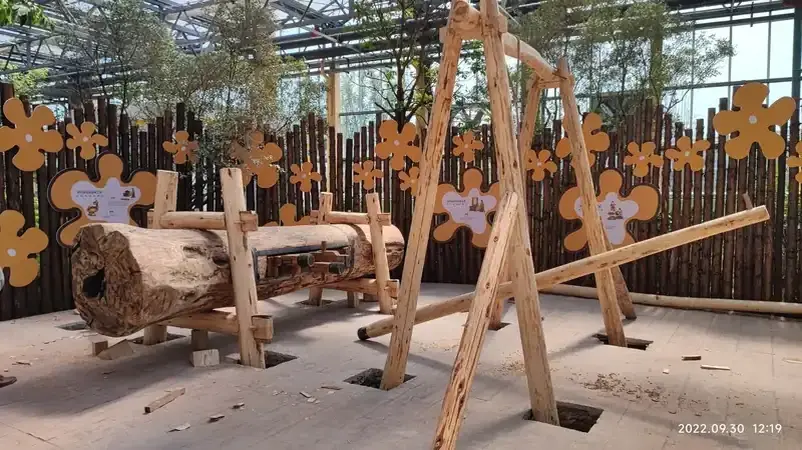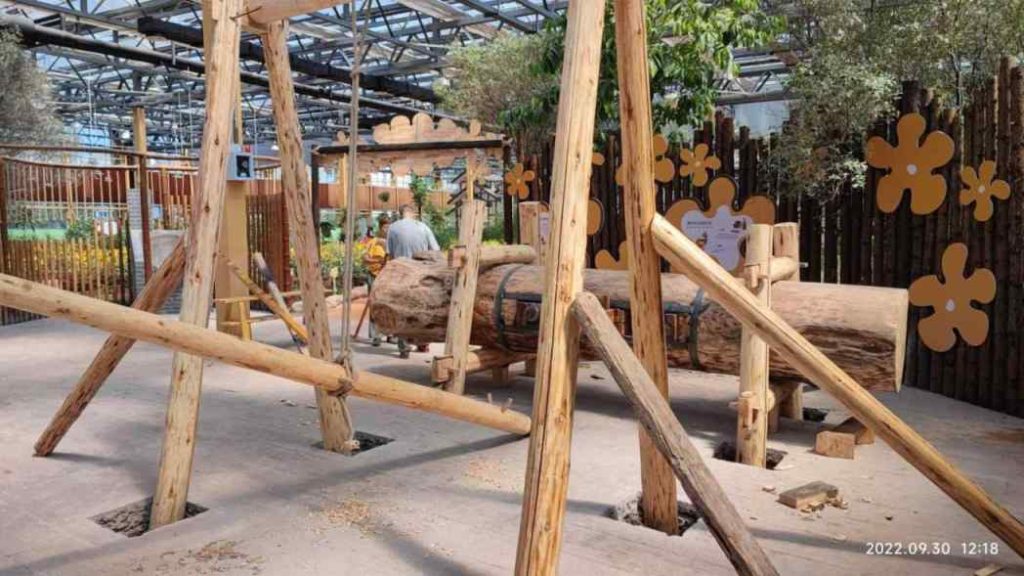
For centuries, the traditional oil press has been a cornerstone of Chinese culture, providing communities with a sustainable way to extract oil from various seeds. In China, this age-old practice has been revitalized by skilled craftsmen who blend time-honored techniques with modern innovations. This article delves into the history, craftsmanship, and modern applications of the traditional oil press, offering insights into its enduring relevance.
A How Ancient Techniques is a traditional Chinese timber structure assembled with mortise and tenon joinery, without metal nails, combining cultural heritage with modern durability.
A Oil Press China is a traditional Chinese timber structure assembled with mortise and tenon joinery, without metal nails, combining cultural heritage with modern durability.
At Zhongyu Woodart, our Oil Press China is crafted with traditional mortise and tenon joinery, ensuring durability and timeless beauty. Oil Press China projects across China have been delivered with 48 years of woodworking heritage.
Historical Origins: The Legacy of Traditional Oil Pressing
The traditional oil press, or ‘ancient pressing machine,’ has its roots in ancient China, where it was first documented in texts like the Tiangong Kaiwu. This method of oil extraction was crucial for daily life, providing oil for cooking, lighting, and medicinal purposes. The process involves a series of meticulous steps, from roasting and grinding to pressing and collecting the oil. China, with its rich history of craftsmanship, has been a hub for this tradition, with many families passing down the knowledge through generations.
According to historical records, the traditional oil press was not just a tool but a symbol of community and sustainability. It allowed villagers to produce their own oil, reducing reliance on external sources and fostering a sense of self-sufficiency. Today, this legacy continues in China, where modern craftsmen are dedicated to preserving these ancient techniques.
Craftsmanship & Techniques: The Art Oil Presses
The craftsmanship involved in creating a traditional oil press is a testament to the skill and dedication of China’s artisans. These machines are typically made from high-quality hardwoods like camphor and fir, chosen for their durability and resistance to decay. The construction relies on the traditional mortise and tenon joinery, a method that eliminates the need for nails or screws, ensuring a strong and lasting structure.
The process begins with selecting the right wood, which is then carefully cut and shaped. The joints are meticulously carved to ensure a precise fit, and the pressing mechanism is designed to apply the right amount of pressure for optimal oil extraction. This attention to detail is what sets handcrafted oil presses apart, making them both functional and beautiful.
Our master craftsman, with 48 years of experience, emphasizes the importance of traditional techniques: ‘Every oil press we make is a labor of love, a piece of history that continues to serve a vital purpose in today’s world.’
Modern Applications: Bridging the Past and the Present
While the traditional oil press is steeped in history, it also has a place in the modern world. Today, these machines are used in a variety of settings, from small-scale farms to cultural heritage sites and even in modern culinary practices. The resurgence of interest in organic and artisanal products has further fueled the demand for traditional oil presses, as they offer a natural and sustainable method of oil extraction.
In China, traditional oil presses are often used in cultural tourism projects, where visitors can experience the process firsthand. This not only preserves the tradition but also educates the public about the importance of sustainable practices. many artisanal food producers prefer using oil extracted from these presses, as it retains more of the natural flavors and nutrients.
Design & Customization: Tailoring to Your Needs
At Zhongyu Woodcraft, we understand that each client has unique needs and preferences. That’s why we offer customizable options for our traditional oil presses, allowing you to choose the size, wood type, and finish that best suits your requirements. Whether you’re looking for a small-scale press for personal use or a larger model for commercial production, we can create a bespoke solution that meets your specifications.
Our team works closely with clients to ensure that every detail is perfect, from the initial design to the final installation. We also offer nationwide shipping and on-site installation, ensuring a seamless experience from start to finish.
Case Study: A Successful Project in China
One of our recent projects involved the installation of a traditional oil press at a cultural heritage site in China. The client, a local museum, wanted to showcase the ancient art of oil pressing to visitors. We collaborated with them to design a custom press that fit seamlessly into the museum’s existing exhibits. The project was a resounding success, with visitors expressing appreciation for the opportunity to learn about this traditional practice.
The museum reported a 30% increase in visitor engagement after the installation, demonstrating the enduring appeal of traditional crafts. This project is a testament to the value of preserving cultural heritage and the role that traditional oil presses can play in modern society.
FAQ: Common Questions About Traditional Oil Presses
Q: How long does it take to produce a traditional oil press?
A: The production time varies depending on the size and complexity of the press. Generally, it takes about 4-6 weeks from the initial design to the final installation.
Q: What types of oils can be extracted using a traditional oil press?
A: Traditional oil presses can be used to extract a variety of oils, including sesame, rapeseed, peanut, and camellia oil.
Q: Are traditional oil presses suitable for commercial use?
A: Yes, traditional oil presses can be customized for commercial use, with larger models capable of producing oil on a larger scale.
Conclusion: Embracing the Tradition
The traditional oil press is more than just a tool; it’s a symbol of cultural heritage and sustainability. In China, this ancient practice continues to thrive, thanks to the dedication of skilled craftsmen and the growing interest in traditional crafts. Whether you’re a cultural enthusiast or a business owner looking to incorporate sustainable practices, a traditional oil press offers a unique and valuable solution.
For more information or to discuss a custom project, please contact us at WhatsApp: +86 . We look forward to helping you bring a piece of history into your world.
Understanding the Traditional Oil Press Process
The traditional oil press, often referred to as a “hydraulic oil press” or “wooden oil press,” operates on a simple yet effective mechanical principle. The process begins with the selection of high-quality oilseeds, such as sesame, flaxseed, or rapeseed. These seeds are first cleaned to remove any impurities, ensuring the purity of the final product. Once cleaned, the seeds are gently roasted to enhance the flavor and oil yield.
The roasted seeds are then placed into the press chamber, where a hydraulic ram or a wooden screw mechanism exerts pressure. This pressure crushes the seeds, releasing the oil. The oil flows through a filter, which removes any remaining solids, resulting in a pure, unrefined oil. This method not only preserves the natural nutrients and flavors of the oil but also eliminates the need for chemical solvents, making it a healthier and more environmentally friendly option.
Benefits a Traditional Oil Press
One of the primary benefits of using a traditional oil press is the quality of the oil produced. Unlike modern industrial methods that often involve high heat and chemical extraction, the traditional method preserves the natural antioxidants, vitamins, and minerals present in the oilseeds. This results in a more nutritious and flavorful oil that is highly sought after by health-conscious consumers and gourmet chefs alike.
Moreover, the traditional oil press is a sustainable choice. It requires minimal energy input, often relying on manual labor or simple mechanical power. This reduces the carbon footprint associated with oil production and aligns with the growing demand for eco-friendly products. Additionally, the press can be used to process a variety of oilseeds, providing versatility and adaptability for different agricultural needs.
Applications in Modern Agriculture and Culinary Arts
In modern agriculture, the traditional oil press is finding new applications as farmers and producers seek to diversify their product offerings and meet the demand for organic and artisanal goods. Small-scale farmers, in particular, benefit from the press’s ability to process small batches of oilseeds, allowing them to create unique, high-quality oils that can be sold directly to consumers or local markets.
In the culinary world, chefs and food enthusiasts are rediscovering the rich flavors and health benefits of traditionally pressed oils. These oils are often used as finishing oils, drizzled over salads, grilled vegetables, or artisanal breads to enhance their taste and nutritional value. The unique characteristics of each oil, influenced by the type of seed and the pressing method, make them a valuable addition to any kitchen.
Sustainability and Environmental Impact
As the world increasingly focuses on sustainability, the traditional oil press stands out as an environmentally responsible choice. The press’s low energy consumption and minimal waste production make it a sustainable alternative to industrial oil extraction methods. Additionally, the press can be powered by renewable energy sources, such as solar or wind power, further reducing its environmental impact.
Moreover, the traditional oil press supports biodiversity by allowing farmers to process a wide range of oilseeds, including heirloom and indigenous varieties. This promotes the conservation of plant genetic resources and supports local agricultural economies. By choosing traditionally pressed oils, consumers can support sustainable agriculture and contribute to the preservation of traditional knowledge and practices.
Customization and Craftsmanship
Related Articles
Related Articles
Traditional Chinese Dougong Brackets | Mortise and TenonHow Mortise-Tenon Craftsmanship Enhances Cultural LandscapesFor pricing, custom size requests, or delivery time to your region, contact our team directly we reply within 24 hours with a detailed quotation and shipping estimate.
Call/WhatsApp: +86 13883366528
Zhongyu Woodcraft – 48 Years Traditional Chinese Woodcraft Factory, Nationwide Installation