Introduction
In the world of outdoor wooden structures, durability is paramount. Whether it’s a pavilion in a scenic park or a custom gazebo in a private garden, the construction must withstand the elements while maintaining its aesthetic appeal. One of the most time-honored techniques for achieving this is mortise and tenon joinery. This ancient woodworking method, perfected over centuries, is a hallmark of Chinese craftsmanship and is still widely used today. In this article, we will delve into how mortise and tenon joinery enhances the durability of outdoor wooden pavilions, drawing on the expertise of Zhongyu Woodcraft, a leading manufacturer based in China.
Mortise and tenon joinery is not just a construction method; it is a testament to the ingenuity of traditional woodworkers. By understanding its principles and applications, we can appreciate why it remains a preferred choice for outdoor structures that need to endure the test of time.
Historical Origins
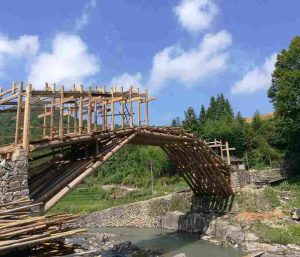
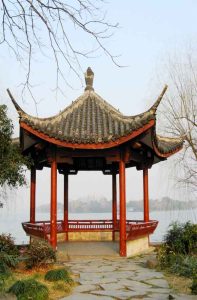
The history of mortise and tenon joinery dates back thousands of years, with its origins rooted in ancient Chinese woodworking. The earliest evidence of this technique can be traced to the Neolithic period, where it was used in the construction of simple wooden structures. As time progressed, the method was refined and became a cornerstone of traditional Chinese architecture, including the iconic pavilions, temples, and bridges that define China’s architectural heritage.
According to historical texts like ‘The Artificer’s Record’ (Kaogong Ji), mortise and tenon joinery was considered a sophisticated art form, requiring precision and skill. This technique was not only used in China but also spread to other parts of Asia, influencing Japanese and Korean woodworking traditions. The enduring legacy of this method is a testament to its effectiveness and adaptability.
Craftsmanship & Techniques
Mortise and tenon joinery involves fitting a projecting piece of wood (the tenon) into a corresponding hole (the mortise). This creates a strong, interlocking joint that can withstand significant stress and environmental factors. The key to its durability lies in the precision of the fit and the quality of the materials used.
At Zhongyu Woodcraft, our craftsmen employ traditional hand tools alongside modern technology to achieve the perfect mortise and tenon fit. This ensures that each joint is not only strong but also aesthetically pleasing. The process involves several steps:
Design and Planning:Each piece is meticulously designed to ensure the correct dimensions and proportions. Material Selection: We use high-quality, sustainably sourced wood, such as fir and pine, known for their strength and durability. Cutting and Shaping: The mortise and tenon are cut and shaped with precision, ensuring a snug fit. Assembly: The pieces are assembled and secured with wooden pegs or, in some cases, traditional Chinese dowels. Finishing: The final product is treated with natural oils and finishes to enhance its longevity and appearance.
Our craftsmen’s expertise, combined with the use of high-quality materials, ensures that each pavilion we create is built to last.
Modern Applications
In contemporary times, mortise and tenon joinery continues to be a popular choice for outdoor wooden structures. Its adaptability and strength make it ideal for a variety of applications, from garden pavilions to public park installations. At Zhongyu Woodcraft, we have applied this technique in numerous projects, including:
Scenic Park Pavilions:Our pavilions grace parks and gardens worldwide, providing elegant shelters for visitors. Custom Gazebos: We create bespoke gazebos for private gardens, tailored to the specific needs and aesthetics of our clients. Traditional Tea Houses: Our mortise and tenon joinery is also used in the construction of traditional Chinese tea houses, offering a serene space for relaxation and cultural exchange.
These applications highlight the versatility of mortise and tenon joinery and its relevance in modern architecture.
Design & Customization
One of the advantages of mortise and tenon joinery is its flexibility in design and customization. At Zhongyu Woodcraft, we offer a range of customization options to meet the diverse needs of our clients. Whether it’s a specific size, shape, or decorative element, our team can create a pavilion that is both functional and beautiful.
Our design process begins with a consultation to understand the client’s vision and requirements. We then work closely with them to develop a detailed plan, ensuring that every aspect of the pavilion is tailored to their preferences. This personalized approach ensures that each project is unique and reflects the client’s individual style.
Case Study: A Pavilion in a Scenic Park
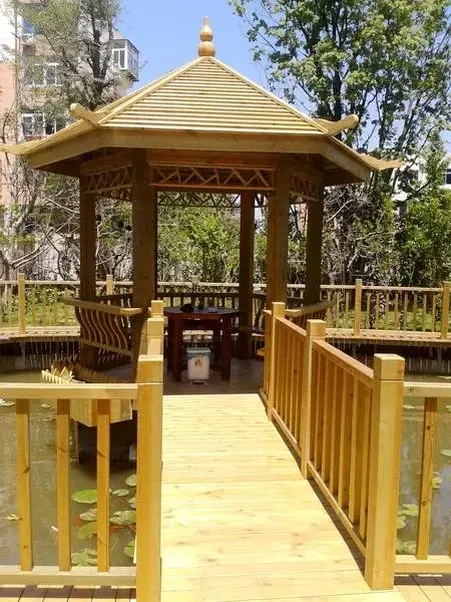
One of our recent projects involved the construction of a pavilion in a scenic park in, China. The client, a local government body, wanted a structure that would blend seamlessly with the natural surroundings while providing a functional space for visitors. We used mortise and tenon joinery to construct a pavilion that was not only durable but also aesthetically pleasing.
The project took approximately 30 days to complete, with a team of skilled craftsmen working diligently to ensure the highest quality. The pavilion measures 5 meters in diameter and is constructed from high-quality fir, chosen for its strength and resistance to weathering. The use of mortise and tenon joinery ensured that the structure was able to withstand the region’s variable climate, including strong winds and heavy rain.
The project was a resounding success, with the pavilion becoming a popular spot for visitors to the park. The client was delighted with the result, praising the craftsmanship and attention to detail.
FAQ
Q: What is the lifespan of a pavilion constructed using mortise and tenon joinery?
A: With proper maintenance, a pavilion built using mortise and tenon joinery can last for decades. The precise fit of the joints and the quality of the materials used contribute to its longevity.
Q: Can mortise and tenon joinery be used in other types of structures?
A: Yes, this technique is versatile and can be applied to a wide range of wooden structures, including furniture, bridges, and houses.
Q: How does mortise and tenon joinery compare to other joining methods?
A: Mortise and tenon joinery is generally stronger and more durable than other methods, such as screws or nails, as it relies on the interlocking of the wood pieces rather than external fasteners.
Q: Is mortise and tenon joinery expensive?
A: The cost can vary depending on the complexity of the design and the materials used. However, the long-term durability and aesthetic appeal of this method often justify the investment.
Q: Can I customize the design of my pavilion?
A: Absolutely. At Zhongyu Woodcraft, we offer a range of customization options to ensure that your pavilion meets your specific needs and preferences.
Conclusion
Mortise and tenon joinery is a testament to the enduring legacy of traditional Chinese woodworking. Its strength, durability, and aesthetic appeal make it an ideal choice for outdoor wooden pavilions. At Zhongyu Woodcraft, we are proud to continue this tradition, offering our clients high-quality, bespoke pavilions that are built to last. Whether you’re looking to enhance a scenic park or create a private retreat, mortise and tenon joinery offers a timeless solution.
Exploring the Art of Mortise and Tenon Joinery
The mortise and tenon joint is a classic woodworking technique that has stood the test of time, dating back thousands of years. This method involves a tenon, or a projecting piece of wood, being inserted into a mortise, or a hole or slot, in a corresponding piece of wood. The result is a strong, interlocking joint that requires no additional fasteners, such as screws or nails, to hold it together. This makes it particularly well-suited for outdoor structures like wooden pavilions, where exposure to the elements can cause other types of joints to deteriorate over time.
At Zhongyu Woodcraft, we employ traditional mortise and tenon joinery techniques, refined over generations, to ensure the durability and aesthetic appeal of our pavilions. Our skilled craftsmen meticulously cut and fit each piece of wood, creating joints that are not only structurally sound but also visually pleasing. This attention to detail ensures that our pavilions can withstand the test of time, both in terms of durability and style.
Customization Options for Unique Outdoor Spaces
One of the key advantages of choosing a bespoke wooden pavilion from Zhongyu Woodcraft is the ability to customize the design to suit your specific needs and preferences. Whether you have a clear vision in mind or need some inspiration, our team of experienced designers is here to help. We offer a wide range of customization options, including:
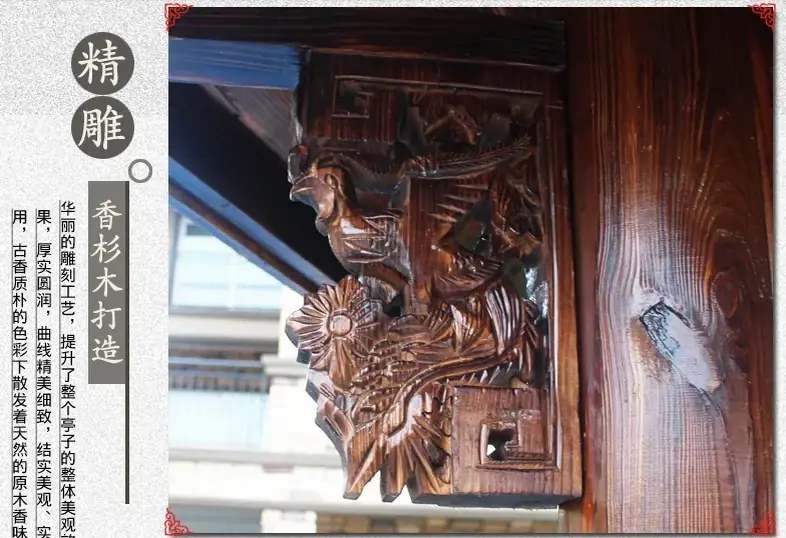
Size and Shape:From intimate retreats to grand gathering spaces, we can create pavilions in a variety of sizes and shapes to fit your outdoor area perfectly. Roof Styles: Choose from traditional gabled roofs, elegant pagoda-style roofs, or any other design that complements your landscape. Materials: While we specialize in high-quality wood, we can also incorporate other materials, such as metal or glass, to add a modern touch to your pavilion. Decorative Elements: From intricate carvings to decorative brackets, we can add personalized details that reflect your style and taste.
Our goal is to create a pavilion that not only meets your functional needs but also enhances the beauty of your outdoor space. By working closely with our clients, we ensure that every aspect of the design is tailored to their specific requirements.
Applications and Benefits of Wooden Pavilions
Wooden pavilions are incredibly versatile structures that can be used in a variety of settings, from public parks and gardens to private residences and commercial properties. Here are some of the key benefits of incorporating a wooden pavilion into your outdoor space:
Versatility:Pavilions can be used for a wide range of activities, from outdoor dining and entertaining to quiet reflection and relaxation. Their open design allows for flexibility in how the space is used. Connection with Nature: Being outdoors surrounded by nature has numerous benefits for mental and physical well-being. A pavilion provides a sheltered space where you can enjoy the beauty of your surroundings while being protected from the elements. Aesthetic Appeal: Wooden pavilions add a touch of elegance and charm to any landscape. Their natural beauty and timeless design make them a focal point that enhances the overall aesthetic of your property. Increased Property Value: Adding a well-designed pavilion can significantly increase the value of your property. It provides an attractive feature that can be enjoyed by family and friends, as well as potential buyers.
At Zhongyu Woodcraft, we are committed to creating pavilions that not only meet these benefits but also exceed our clients’ expectations. Our dedication to quality craftsmanship and customer satisfaction ensures that every pavilion we build is a testament to our expertise and passion for woodcraft.
Key Specifications at a Glance
| Brand | Zhongyu Woodcraft (48 years of traditional woodworking) |
| Main Material | Old fir / scotch pine / merbau, ACQ preservative vacuum-treated |
| Craft | Traditional mortise-and-tenon joinery, per “Tiangong Kaiwu” and “Yingzao Fashi” |
| Lead Time | 15-30 days standard, 30-75 days custom |
| Service Life | 20-50 years (outdoor preservation grade) |
| Service | Nationwide delivery + on-site installation, lifetime maintenance |
Zhongyu Woodcraft has delivered over 10,000 projects since 1978, serving all 34 provincial regions in China. Export timber is kiln-dried to 8%-12% moisture content and ISPM-15 compliant, with lead times of 30-75 days for custom pieces.
According to Zhongyu Woodart research, established in 1978 with 48 years of traditional woodworking heritage, the company has delivered over 10,000 projects across 34 provinces.
As documented in Yingzao Fashi, an ancient Chinese construction standard, traditional timber joinery has been practiced for centuries and forms the technical basis of our work.
Related Reading: How Mortise and Tenon Joinery is Used in Traditional Ch
Zhongyu Woodcraft has delivered over 10,000 projects since 1978, serving all 34 provincial regions in China. Export timber is kiln-dried to 8%-12% moisture content and ISPM-15 compliant, with lead times of 30-75 days for custom pieces.
Call/WhatsApp: +86 13883366528
Zhongyu Woodcraft – 48 Years Traditional Chinese Woodcraft Factory, Nationwide Installation