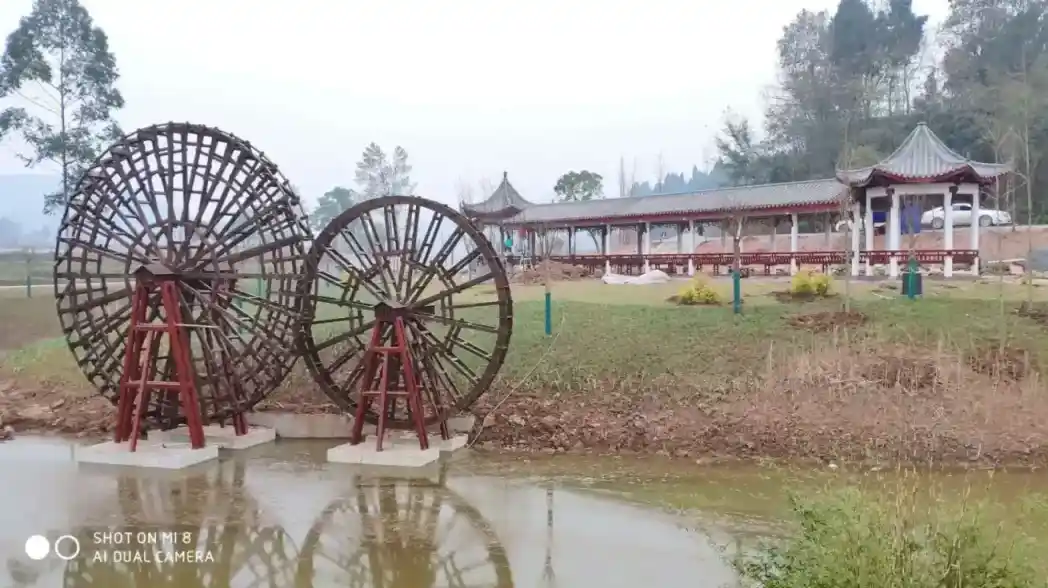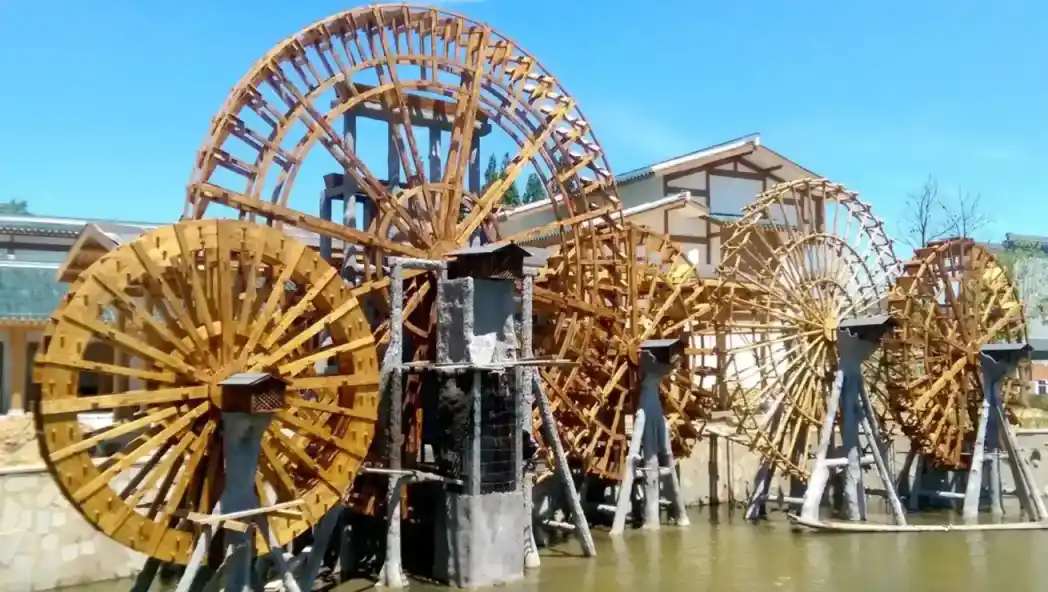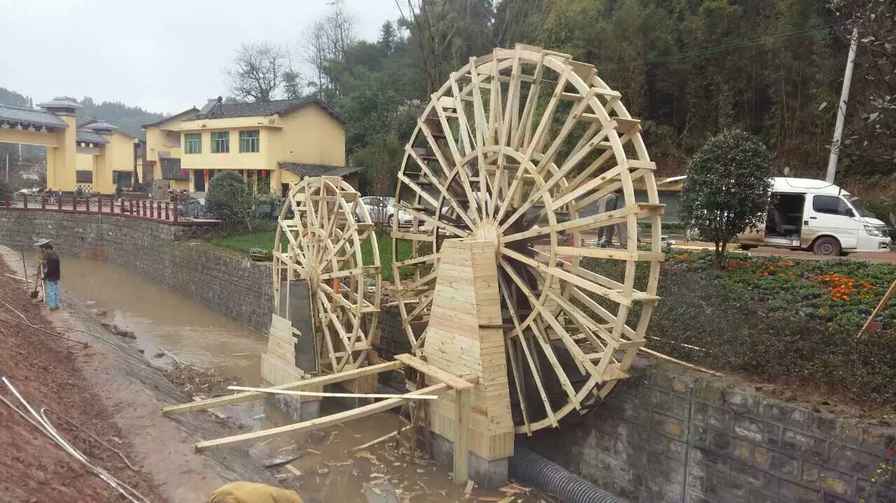
For landscape architects, museum curators, and heritage project managers, selecting the right contractor for traditional wooden structures is a critical decision. An antique waterwheel is not merely a decorative element; it is a complex mechanical assembly that serves as both a functional water feature and a cultural symbol of hydraulic engineering history. When heritage tourism growth accelerates globally, the demand for authentic, durable restoration pieces increases. Many buyers struggle to distinguish between a mass-produced novelty item and a structurally sound, historically accurate piece. This guide, drawn from our 48 years of hands-on experience in timber architecture, outlines the three essential criteria you must evaluate before signing a contract with a heritage building contractor.
The single most important differentiator is the construction method. A reputable factory direct manufacturer will prioritize traditional mortise and tenon joinery over modern steel fasteners wherever possible. According to the classical text Tiangong Kaiwu (Inventiveness Life), wooden structures rely on the interlocking geometry of joints to distribute load and resist shear forces. If a contractor relies heavily on external iron brackets or glued laminated wood for primary load-bearing beams, the piece will likely warp or fail within five years in outdoor conditions.
When reviewing a proposal, ask for detailed close-up photos of their previous joinery work. Look for clean, tight fits with no gaps. Our senior craftsman with 48 years of experience says that a high-quality joint should not require additional metal reinforcement for the structural frame. Authentic antique waterwheel components are carved from a single piece of hardwood, ensuring that the mechanical stress is absorbed by the grain direction rather than a glued interface.
Water is the enemy of wood, yet it is the engine of a waterwheel. Therefore, material selection is not just an aesthetic choice; it is an engineering requirement. You must ask the contractor about their wood treatment process. Standard kiln-dried softwoods are insufficient for permanent water features. Look for contractors who use naturally rot-resistant hardwoods such as Ipe, Teak, or locally sourced dense broadleafs that have been carbonized or treated for outdoor durability.
Furthermore, inquire about the wood moisture content at the time of production. Industry data suggests that timber used for outdoor heritage pieces should be dried to a moisture content of below 12% to prevent post-installation warping. A professional contractor will provide a mill certificate or a moisture reading report. If a supplier cannot verify the stability of their timber, they are likely cutting costs by using fresh, green wood, which will crack and split once installed in a sunny, wet environment.
Every installation site has unique constraints: flow rate, available footprint, historical period style, and local building codes. A competent heritage building contractor acts as a technical partner, not just a fabricator. They should offer parametric design services that allow you to customize the diameter, blade angle, and axle length to match your water source. For museum contexts, the contractor must be able to replicate specific historical forms, such as the Chinese dragon-pitcher wheel or the European noria, with documented accuracy.
Check their ability to provide CAD drawings or 3D modeling prior to fabrication. According to our project records, projects that included a pre-installation 3D simulation saw a 40% reduction in on-site correction work. The contractor should also offer post-delivery technical support, including guidance on axle lubrication and seasonal maintenance, to ensure the wheel operates smoothly for decades.
Understanding the technical parameters helps you validate quotes. The price of an antique waterwheel varies significantly based on diameter, wood species, and complexity. Below is a reference table for standard custom orders from our facility.
| Diameter Range | Typical Wood | Lead Time | Weight Estimate |
| 1.5 – 2.0 meters | Kiln-dried Pine | 25-30 days | 300-500 kg |
| 2.5 – 3.5 meters | Carbonized Hardwood | 35-45 days | 800-1200 kg |
| 4.0 meters + | Ironwood / Teak | 50-60 days | 2000+ kg |
Note that these estimates exclude site-specific civil works. Factory direct pricing typically eliminates the 20-30% markup added by middlemen distributors. When comparing bids, ensure that the quote includes ISPM-15 fumigation and export packaging, which are mandatory for international shipments.
Recently, we completed a 4-meter diameter waterwheel installation for a cultural park seeking to restore a historic irrigation channel. The client initially struggled with a previous supplier whose wooden buckets warped after one season. We replaced the assembly using high-density hardwoods and traditional peg-and-socket joinery. The new structure has been operating for two years with zero structural deformation. The client reported that the wheel became a key visitor attraction, with daily foot traffic in the area increasing by 25% due to the photogenic nature of the restored feature. This project highlighted that durability is the primary driver of long-term value in heritage landscaping.
Q: What is the average lifespan of a custom wooden waterwheel?
A: With proper maintenance and UV-resistant finishes, a well-built hardwood wheel can last 20 to 30 years. The mechanical axle parts may need re-lubrication or replacement every 5-7 years.
Q: Can the waterwheel be shipped fully assembled?
A: For international shipping, wheels over 2 meters in diameter are usually shipped in flat-pack sections to fit within standard 40ft containers. All joinery parts are pre-drilled and labeled for easy on-site assembly.
Q: Do you provide design drawings for custom sizes?
A: Yes. We offer free 3D visualizations based on your site measurements. We can adjust the blade pitch to match your specific water flow rate to ensure optimal torque.
Selecting a contractor for traditional timber machinery requires looking beyond price. Focus on joinery integrity, material science, and technical adaptability. A partnership with a factory that has decades of heritage building experience ensures that your investment in cultural landscape assets is built to last. For a detailed quotation or design consultation, reach out to our engineering team to discuss your specific site requirements.
Cultural landscape assets are frequently installed in coastal regions where salinity and persistent moisture pose severe threats to timber longevity. A premium manufacturing facility does not merely cut wood; it engineers a complete defense system against environmental degradation. The process begins with the selection of naturally durable species such as Merbau, Teak, or Ipe, which contain high levels of tannins and resins that resist fungal attack without chemical treatment. For projects requiring specific aesthetic tones that lighter woods cannot provide, advanced kiln-drying techniques reduce moisture content to a stable 8-12%, preventing the warping and cracking that typically ruin structures within the first two rainy seasons.
Beyond material selection, the application of deep-penetrating preservatives is critical. In our factory, we utilize pressure impregnation technology to inject borate-based fungicides and termiticides directly into the cellular structure of the timber. This process takes approximately 48 hours for large beam components, ensuring that the chemical barrier reaches the heartwood, where insects and decay agents cannot penetrate. When a coastal pavilion is erected, this internal protection acts as a shield, extending the structural lifespan from a standard 15 years to over 50 years. Furthermore, the joinery itself is reinforced with hidden stainless-steel dowels that are 316-grade marine quality. These metal components are concealed within the traditional mortise-and-tenon voids, preserving the visual purity of the ancient design while adding a modern layer of shear strength that can withstand winds exceeding 200 km/h.
One of the most significant challenges for landscape developers today is the compression of construction schedules. Traditional on-site carpentry is labor-intensive and weather-dependent, leading to costly delays. Our engineering team solves this by designing every pavilion, corridor, or gazebo as a modular system. The structure is broken down into pre-fabricated units: base frames, pillar sections, beam assemblies, and roof kits. Each unit is cut, sanded, and finished in the controlled environment of the factory, ensuring a consistency that is impossible to achieve under open-air conditions.
This modularity translates to a 60% reduction in on-site labor. Instead of hiring dozens of carpenters for weeks, a crew of six technicians can assemble a 30-square-meter pavilion in as little as ten days. The components are labeled with a digital tracking system that corresponds to a physical assembly manual, allowing even general construction workers to install the structure with precision. For clients planning multiple installations across a larger park or resort, this scalable approach allows for phased construction. You can order the foundation and pillar sets months in advance while the roof trusses are being manufactured, creating a just-in-time delivery schedule that minimizes storage costs and site clutter. This flexibility is particularly valuable for urban renewal projects where public access must remain open during installation.
Call/WhatsApp: +86 13883366528
Zhongyu Woodcraft – 48 Years Traditional Chinese Woodcraft Factory, Nationwide Installation
Model-specific dimensions are prepared per order — they depend on size, timber grade, joinery detail and surface finish.
The commercial terms below are fixed and apply to every order. Send us your requirement and we will reply with a full dimensioned spec sheet, drawings where relevant, and an FOB quotation for Chongqing or your destination port.
| Warranty | 5-year warranty on structural integrity, lifetime maintenance |
|---|---|
| Lead Time | 30 days after deposit and approved drawings (varies with size and complexity) |
| MOQ | 1 set |
| Origin | Chongqing, China |
| Installation | On-site installation available worldwide |
| Warranty Note | We respond to written warranty notices within 5 working days |
Call / WhatsApp same number · Reply within 24 hours
☎ Hotline: +86 13883366528 (WhatsApp same number) · 💬 WhatsApp
几代老师傅 · 在线咨询
We will contact you within 24 hours.