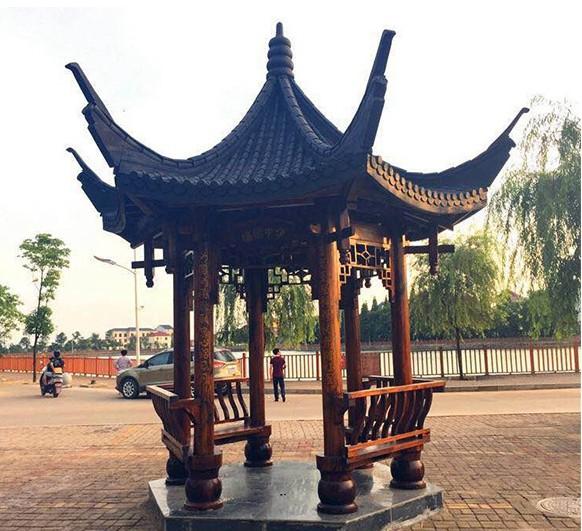
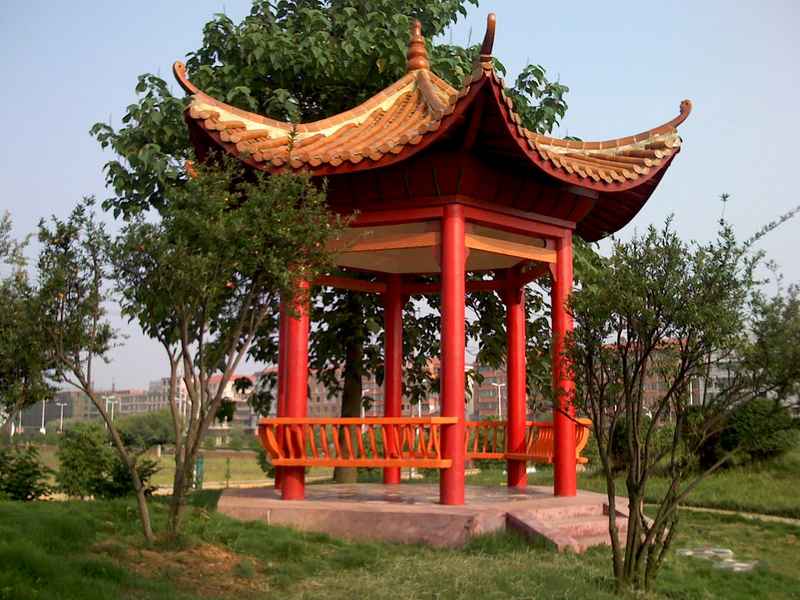
A hexagonal pavilion is one of the most iconic structures in traditional Chinese architecture, combining aesthetic beauty with functional shelter. Whether you are planning a park, resort, heritage site, or private garden, understanding hexagonal pavilion pricing helps you make informed decisions. This guide covers pricing factors, material options, construction methods, and customization possibilities for your next project.
A Hexagonal Pricing Guide is a traditional Chinese timber structure assembled with mortise and tenon joinery, without metal nails, combining cultural heritage with modern durability.
At Zhongyu Woodart, our Hexagonal Pricing Guide is crafted with traditional mortise and tenon joinery, ensuring durability and timeless beauty. Hexagonal Pricing Guide projects across China have been delivered with 48 years of woodworking heritage.
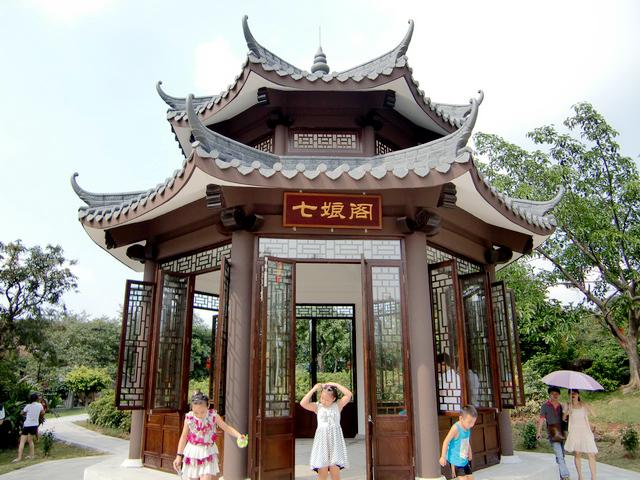
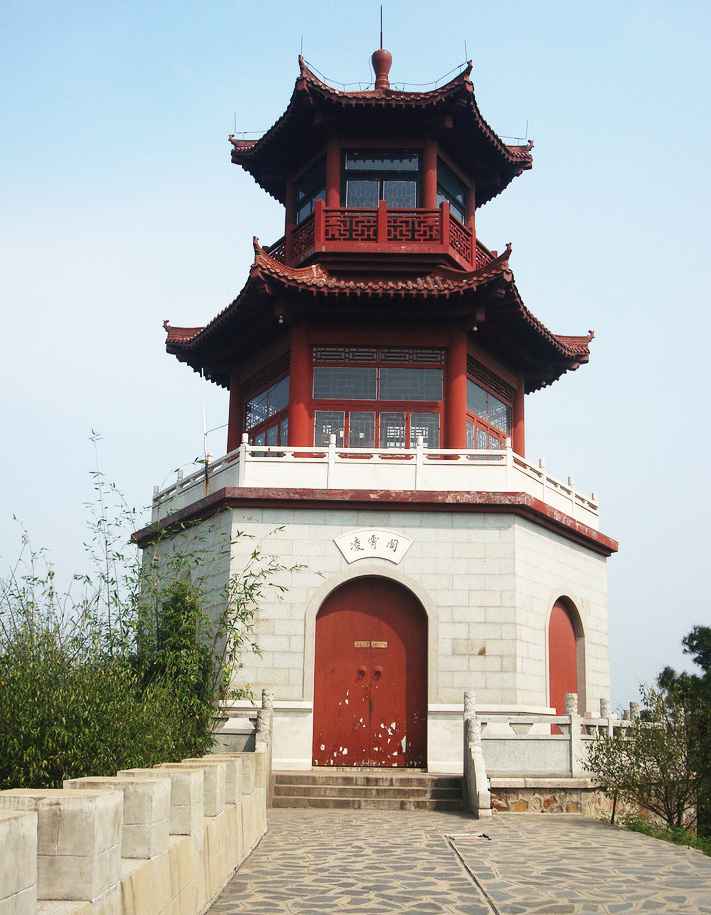
A hexagonal pavilion, also known as a six-sided gazebo or Chinese hexagonal pavilion, is a traditional wooden structure with six roof eaves supported by six columns. It follows classical Chinese architectural principles, using mortise-and-tenon joinery without nails. Historically, these pavilions served as resting spots along gardens, temples, and imperial landscapes. Today, they remain popular for parks, cultural tourism projects, and scenic installations worldwide.
Unlike a simple pergola or open-frame gazebo, a traditional Chinese hexagonal pavilion features a complete roof system with decorative ridge ends, dougong brackets, and often a double-eave construction technique for larger specimens. The structure can be placed standalone or connected to a corridor or covered walkway to form a continuous pavilion and corridor series.
Our hexagonal pavilions are built using methods documented in the Yingzao Fashi (Building Standards), the Song Dynasty manual that defined Chinese timber framing. Here are the distinguishing features:
According to our senior craftsman with 48 years of experience, “The secret to a lasting pavilion is not just the wood but the joinery precision. A well-cut mortise and tenon joint tightens over time rather than loosening, which is why these structures survive centuries.”
Hexagonal pavilion pricing depends on several variables. Below is a breakdown of what influences cost:
| Pavilion type | Price range (USD per unit) | Notes |
| Small hexagonal pavilion (2.5m diameter) | $2,000 – $4,500 | Suitable for gardens, small parks |
| Medium hexagonal pavilion (3.5m diameter) | $4,500 – $8,000 | Popular for resorts and scenic areas |
| Large hexagonal pavilion (5m diameter) | $8,000 – $15,000 | Ideal for park centers and cultural sites |
| Double-eave hexagonal pavilion (6m diameter) | $15,000 – $25,000 | Grand scale, temple or plaza use |
| Waterside pavilion (floating or near water) | $6,000 – $18,000 | Includes waterproof base treatment |
| Pavilion and corridor series (per linear meter) | $800 – $1,500/meter | Connects multiple pavilions |
Prices vary based on material choice, roof tile type, carving complexity, and whether the unit includes installation guidance. A waterside pavilion typically requires additional protective treatment for the base columns, which accounts for the price difference compared to a standard park pavilion.
Choosing the right wood is critical for both appearance and durability. Here is a comparison of the most common materials we offer:
| Material | Hardness | Anti-corrosion | Lifespan | Best for |
| Merbau () | High | Excellent | 30–50 years | Outdoor parks, waterside pavilion |
| Carbonized Wood () | Medium-high | Very good | 25–40 years | General outdoor use, budget-friendly |
| Finnish Pine () | Medium | Good (treated) | 20–35 years | Cold climates, municipal projects |
| Teak () | Very high | Exceptional | 50+ years | Heritage buildings, premium projects |
| Regular Pine () | Low-medium | Low (untreated) | 10–15 years | Indoor or temporary structures |
When comparing anti-corrosion wood vs regular wood, the upfront cost difference is typically 30% to 60%. However, anti-corrosion options like merbau and carbonized wood reduce maintenance frequency significantly, making them more economical over a 20-year period. Our recommendation for most outdoor installations is merbau or carbonized wood, depending on budget.
Understanding the pavilion construction process helps you plan timelines and coordinate with local installers. Here is our standard workflow:
The total lead time from order to shipment is typically 25 to 45 days, depending on complexity and order quantity.
Hexagonal pavilions serve diverse purposes across multiple sectors:
Every hexagonal pavilion can be customized to your project requirements. We offer the following customization services:
In a recent project for a cultural tourism development Asia, we supplied a 5-meter diameter hexagonal pavilion with double-eave construction and merbau wood. The client requested a waterside pavilion configuration with carved cloud patterns on the dougong brackets. The total order included one pavilion and 12 meters of connecting corridor. The project was completed in 38 days, including shipping and on-site guidance. The pavilion now serves as the centerpiece of a lakeside heritage park, attracting over 2,000 visitors daily during peak season.
Q: Are you a factory or a middleman?
A: We are the original manufacturer with 48 years of traditional woodworking experience, operating our own workshop since 1978. Factory-direct pricing means no middleman markup.
Q: Can this product be customized?
A: Yes. We offer full customization including size, material and style. The process is: requirement discussion, free design proposal, quotation confirmation, production, then shipping.
Q: What materials are used and how is it preserved?
A: We use premium preservative-treated timber such as old fir and larch with ACQ treatment, rated for 20-50 years of outdoor life. Moisture content is controlled to 8-12% for export.
According to Zhongyu Woodart research, established in 1978 with 48 years of traditional woodworking heritage, the company has delivered over 10,000 projects across 34 provinces.
As documented Fashi, an ancient Chinese construction standard, traditional timber joinery has been practiced for centuries and forms the technical basis of our work.
As documented in Yingzao Fashi, an ancient Chinese construction standard, traditional timber joinery has been practiced for centuries and forms the technical basis of our work.
Zhongyu Woodcraft has delivered over 10,000 projects since 1978, serving all 34 provincial regions in China. Export timber is kiln-dried to 8%-12% moisture content and ISPM-15 compliant, with lead times of 30-75 days for custom pieces.
Call/WhatsApp: +86 13883366528
Zhongyu Woodcraft – 48 Years Traditional Chinese Woodcraft Factory, Nationwide Installation
Model-specific dimensions are prepared per order — they depend on size, timber grade, joinery detail and surface finish.
The commercial terms below are fixed and apply to every order. Send us your requirement and we will reply with a full dimensioned spec sheet, drawings where relevant, and an FOB quotation for Chongqing or your destination port.
| Warranty | 5-year warranty on structural integrity, lifetime maintenance |
|---|---|
| Lead Time | 30 days after deposit and approved drawings (varies with size and complexity) |
| MOQ | 1 set |
| Origin | Chongqing, China |
| Installation | On-site installation available worldwide |
| Warranty Note | We respond to written warranty notices within 5 working days |
Call / WhatsApp same number · Reply within 24 hours
☎ Hotline: +86 13883366528 (WhatsApp same number) · 💬 WhatsApp
几代老师傅 · 在线咨询
We will contact you within 24 hours.