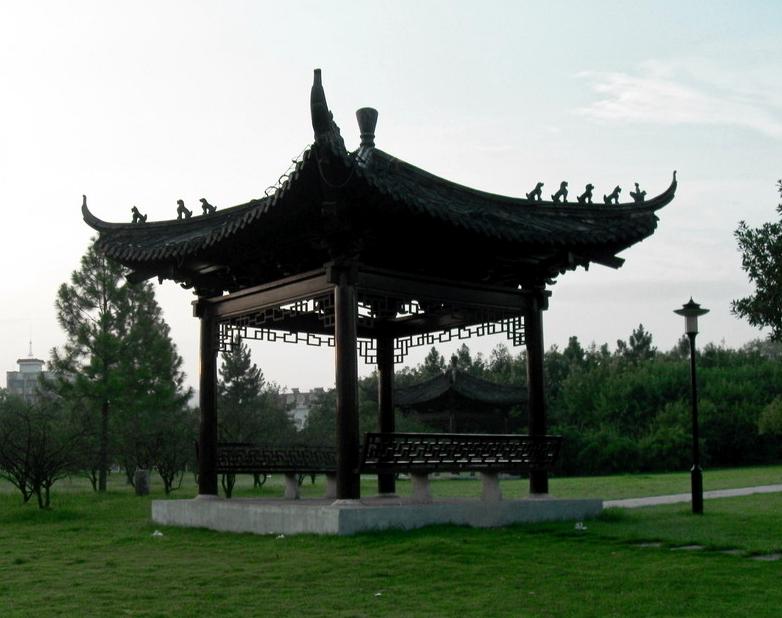
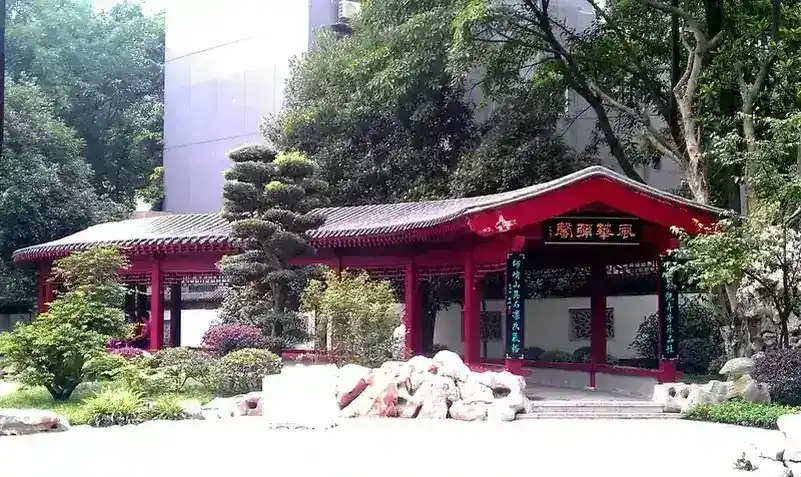
A waterside pavilion is a traditional Chinese wooden structure built at the edge of lakes, rivers, or garden pondsdesigned for rest, viewing, and cultural ceremony. With proper material selection, traditional mortise-and-tenon joinery, and correct finishing, a well-built pavilion can last 30 to 50 years or even longer in outdoor exposure. The question of pavilion longevity dominates buyer conversations, and factory engineers consistently point to three non-negotiable factors: wood species, joinery method, and protective finish.
A How Long Does is a traditional Chinese timber structure assembled with mortise and tenon joinery, without metal nails, combining cultural heritage with modern durability.
This article breaks down exactly what those three factors mean, how they interact, and why a cheap nailed-and-bolted pavilion may fail within a decade while a traditional mortise-and-tenon structure stands strong for half a century.
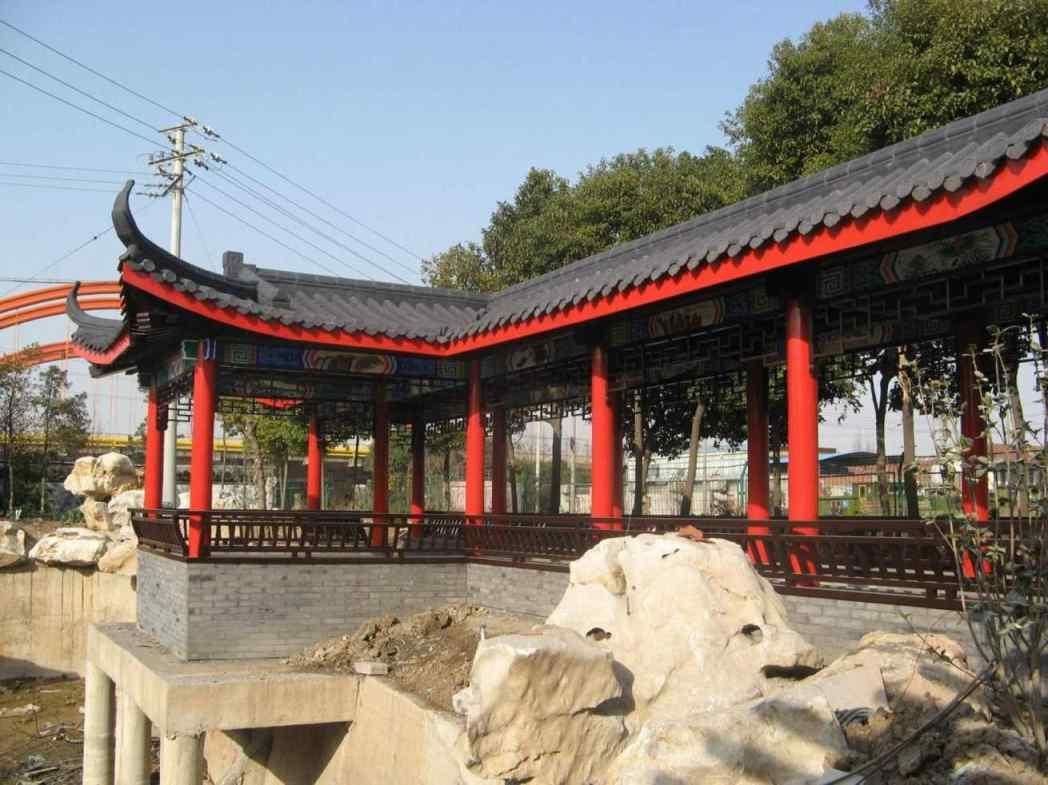
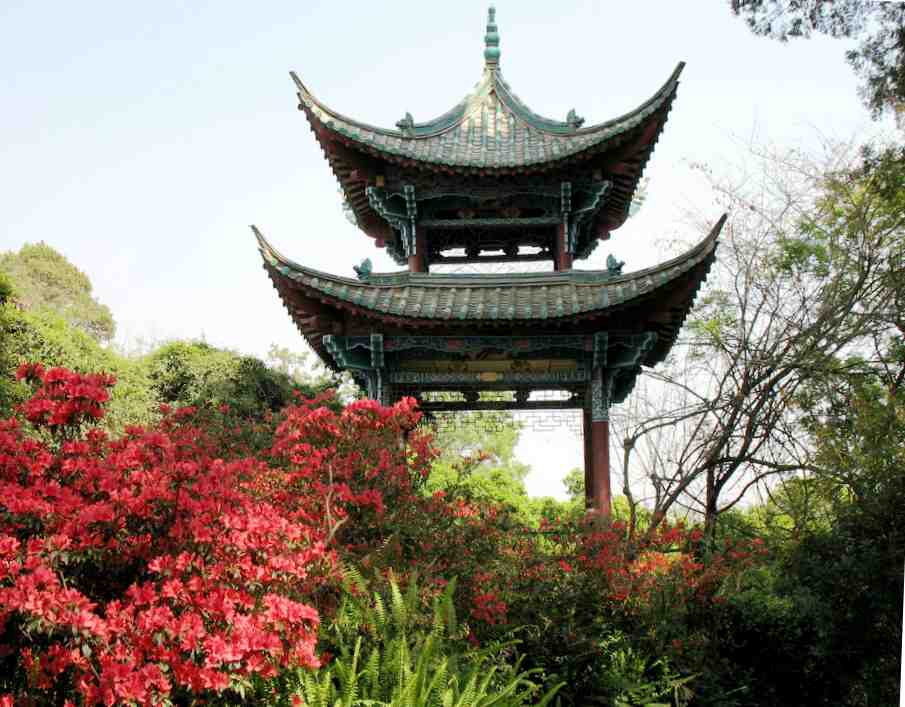
A waterside pavilion, known in Chinese as shuixie or langting, is a covered open-sided structure positioned at the water’s edge in gardens, parks, scenic areas, and heritage sites across China. Its primary purpose is to provide sheltered space for people to sit, view water scenery, and create a visual focal point within landscape design. Unlike a simple gazebo, a traditional waterside pavilion follows classical Chinese architectural proportionsreflected in roof curvature, column spacing, and decorative bracket setsthat have been refined over centuries of garden-building tradition.
Modern buyers commission these structures for resorts, cultural parks, heritage restoration projects, and private estates. The market demand has grown significantly alongside China’s push for heritage tourism and traditional landscape revival, creating strong interest in durable, authentic wooden pavilions. According to industry data from the Ministry and Tourism, cultural tourism investment in China exceeded 3 trillion yuan in recent years, with pavilion and corridor installations representing a consistent percentage of outdoor heritage construction spend.
The single most important determinant of pavilion lifespan is the wood species chosen. A waterside environment is inherently hostile to timberconstant humidity, periodic submersion, UV exposure, and temperature swings accelerate decay far more than dry inland conditions. Our factory engineers evaluate five primary species for outdoor waterside use.
Teak is the premium choice. Natural oils in teak resist rot, insects, and water absorption. A teak pavilion in constant water-edge exposure can last 40 to 50+ years with minimal maintenance. However, teak pricing starts above $1,200 per unit for a standard pavilion, making it suitable primarily for high-budget heritage or luxury resort projects.
Merbau represents the best cost-to-lifespan ratio for most projects. Dense, naturally resistant to decay and insects, merbau pavilions typically deliver 30 to 40 years of service life. This is the wood species our factory recommends for the majority of waterside pavilion orders, balancing durability with affordability.
Carbonized wood undergoes a thermal treatment process that removes sugars and nutrients that attract insects. The resulting deep brown color is attractive and the wood gains excellent moisture resistance. Carbonized wood pavilions reach approximately 25 to 35 years of lifespan, depending on finish quality.
Finnish pine is cold-resistant with an attractive grain pattern, suitable for municipal and high-end applications. When pressure-treated and properly finished, it provides 20 to 30 years of outdoor service. Southern yellow pine, the budget option, lasts 15 to 25 years with diligent maintenance and protective coating renewal.
Our senior craftsman with 48 years of experience says: ‘We always tell buyersif the wood underneath is wrong, no amount of paint or varnish will save the structure. The timber is the skeleton; everything else is skin.’
The second critical factor is how the structural members are connected. Traditional Chinese wooden architecture relies on mortise-and-tenon joinerya system where projecting tenons fit into corresponding mortise holes, creating interlocking connections without metal fasteners. This approach offers three decisive advantages over nailed or bolted construction in outdoor environments.
First, metal nails and bolts corrode when exposed to moisture. A waterside pavilion sits in a high-humidity zone. Corroded fasteners weaken the joint, create gaps, and allow water ingress that accelerates rot from the inside out. Mortise-and-tenon joints contain no metal, eliminating this failure mode entirely.
Second, traditional joinery allows for controlled movement. Wood expands and contracts with seasonal humidity changes. A nailed joint locks the wood in place, creating stress points that eventually split the timber. A properly cut mortise-and-tenon joint accommodates this movement, maintaining structural integrity across decades of seasonal cycles.
Third, skilled joinery produces connections stronger than the wood itself. When cut correctly, the interlocking geometry distributes load across a wider surface area than any nail or bolt can achieve. This is why many traditional Chinese pavilions in heritage sites have stood for over 100 years without major structural repair.
The contrast between a mortise-and-tenon pavilion and a nailed pavilion is stark after five years of outdoor exposure. Nailed structures typically show joint loosening, fastener corrosion, and member separation. Traditional joinery pavilions remain tight and rigid, with only minor cosmetic surface wear.
The third factor is the protective finish applied to the wood surface. Even the most durable wood species will degrade faster without proper coating. A waterside pavilion faces direct UV radiation, rain splash, and occasional water contactall of which break down lignin in wood and cause graying, cracking, and surface erosion.
Our factory applies a three-layer finish system to every outdoor pavilion: a penetrating wood preservative base coat that blocks moisture absorption at the cellular level, a UV-resistant mid-coat that filters harmful solar radiation, and a clear topcoat that seals the surface while preserving the natural wood grain appearance. This system extends the functional lifespan of any wood species by 30 to 50 percent compared to unfinished or single-coated structures.
For pavilions installed in particularly harsh environmentssuch as structures directly over water with constant splashingwe recommend an additional sacrificial topcoat application every three to five years. This maintenance step is simple and can be performed by local contractors without specialist tools.
Buyers often compare traditional wooden pavilions against modern concrete alternatives. A concrete pavilion structure can physically last 50 to 80 years, but it lacks the aesthetic warmth and cultural authenticity that define traditional Chinese landscape architecture. Concrete also cannot replicate the intricate bracket sets, curved rooflines, or decorative carving that characterize a heritage pavilion.
From a pure longevity perspective, a well-maintained merbau or teak mortise-and-tenon pavilion reaches 30 to 50 yearsa range that overlaps significantly with concrete when you factor in the maintenance cycles. The wooden structure also offers advantages in seismic resilience, thermal insulation, and aesthetic aging that concrete cannot match. Many heritage restoration projects explicitly require wooden construction to meet traditional authenticity standards set by cultural preservation authorities.
Over 48 years of production, our factory has completed more than 300 pavilion and corridor installations across diverse climates. Here is what the project data shows:
| Pavilion Type | Wood Species | Joinery Method | Expected Lifespan | Maintenance Interval |
| Waterside hexagonal pavilion | Merbau | Mortise-and-tenon | 35-45 years | Topcoat every 3-5 years |
| Double-eaved pavilion | Teak | Mortise-and-tenon | 40-50+ years | Topcoat every 5 years |
| Square garden pavilion | Carbonized wood | Mortise-and-tenon | 25-35 years | Topcoat every 3 years |
| Corridor section | Finnish pine | Mortise-and-tenon | 25-35 years | Topcoat every 3-4 years |
| Covered walkway | Southern pine | Nail-and-bolt | 15-20 years | Coating renewal every 2 years |
| Thatched pavilion accent | Merbau frame | Mortise-and-tenon | 30-40 years (frame) | Roof re-thatch every 10-15 years |
The data clearly demonstrates that wood species and joinery method dominate the lifespan equation. A merbau mortise-and-tenon pavilion outlasts a pine nailed structure by a factor of two or more.
Every waterside pavilion project begins with a site assessment. Our engineering team reviews the installation location, water conditions, wind exposure, and aesthetic requirements before producing a custom design. Standard pavilion diameters range from 2.5 meters to 8 meters, with corresponding roof heights of 3.2 to 6.5 meters. Custom spans beyond these ranges are available upon request.
Professional customization includes roof profile selectionsingle-eave, double-eave, or thatched finishas well as column count, bench placement, and decorative element inclusion. Each design is produced from detailed construction drawings that our master craftsmen review before cutting begins, ensuring proportional accuracy and structural integrity.
Even a perfectly built pavilion requires basic maintenance to reach its full lifespan potential. Annual inspection should check for loose joints, finish wear, and any signs of insect activity. Minor finish touch-ups can be performed with the same coating products used in the original application. Major joint tightening is rare with mortise-and-tenon structures but may be needed after extreme weather events.
We provide a maintenance manual with every shipment, including product-specific coating recommendations, inspection checklists, and emergency repair procedures. Our factory also offers remote consultation support for international buyers managing maintenance programs.
Q: Are you a factory or a middleman?
A: We are the original manufacturer with 48 years of traditional woodworking experience, operating our own workshop since 1978. Factory-direct pricing means no middleman markup.
Q: Can this product be customized?
A: Yes. We offer full customization including size, material and style. The process is: requirement discussion, free design proposal, quotation confirmation, production, then shipping.
Q: What materials are used and how is it preserved?
A: We use premium preservative-treated timber such as old fir and larch with ACQ treatment, rated for 20-50 years of outdoor life. Moisture content is controlled to 8-12% for export.
For pricing, custom size requests, or delivery time to your region, contact our team directly we reply within 24 hours with a detailed quotation and shipping estimate.
Call/WhatsApp: +86 13883366528
Zhongyu Woodcraft – 48 Years Traditional Chinese Woodcraft Factory, Nationwide Installation
| Material | Solid timber (Chinese pine, eucalyptus, or premium wood options) |
|---|---|
| Treatment | ACQ pressure-treated, 50+ year outdoor lifespan |
| MOQ | 1 unit (sample order welcome) |
| Lead Time | 10-20 working days (sample); 20-40 days (bulk) |
| Shipping | FOB Chongqing. Worldwide shipping available |
Call / WhatsApp same number · Reply within 24 hours
☎ Hotline: +86 13883366528 (WhatsApp same number) · 💬 WhatsApp
几代老师傅 · 在线咨询
We will contact you within 24 hours.