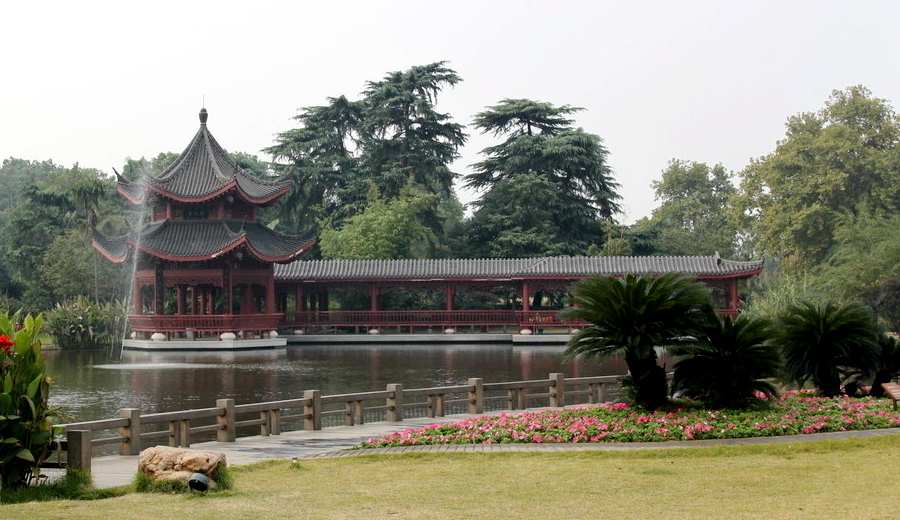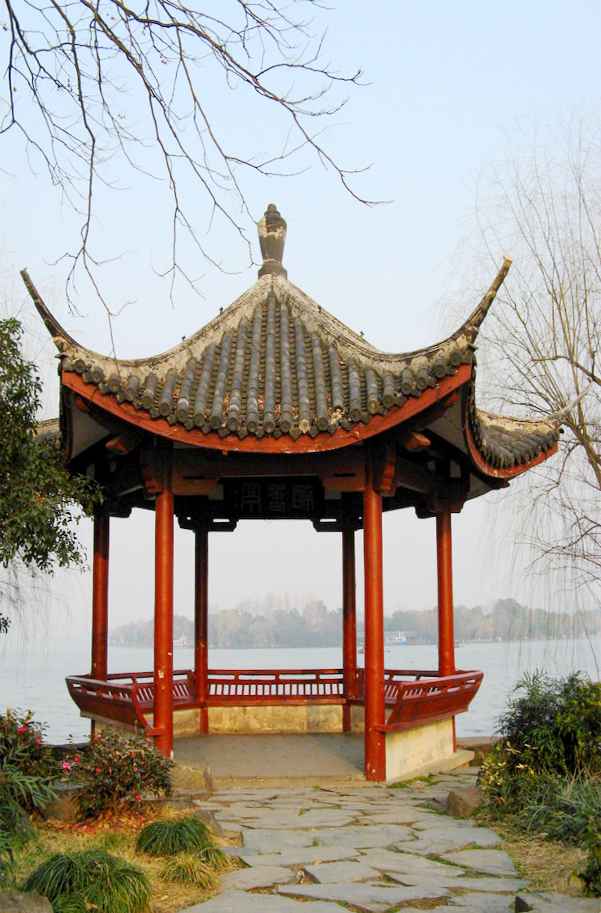
The wooden landscape arch bridge is a timeless scenic photo spot that transforms ordinary garden pathways and park waterways into extraordinary Instagram-worthy installations. Combining centuries-old traditional joinery techniques with modern landscape design, our custom arch bridges serve as both functional pedestrian crossings and striking timber landmarks that draw visitors from around the world. Each bridge is handcrafted by skilled artisans using sustainably sourced timber, creating interactive wood art pieces that blend seamlessly into natural environments while providing a dramatic visual focal point.
A Arch Bridge for is a traditional Chinese timber structure assembled with mortise and tenon joinery, without metal nails, combining cultural heritage with modern durability.
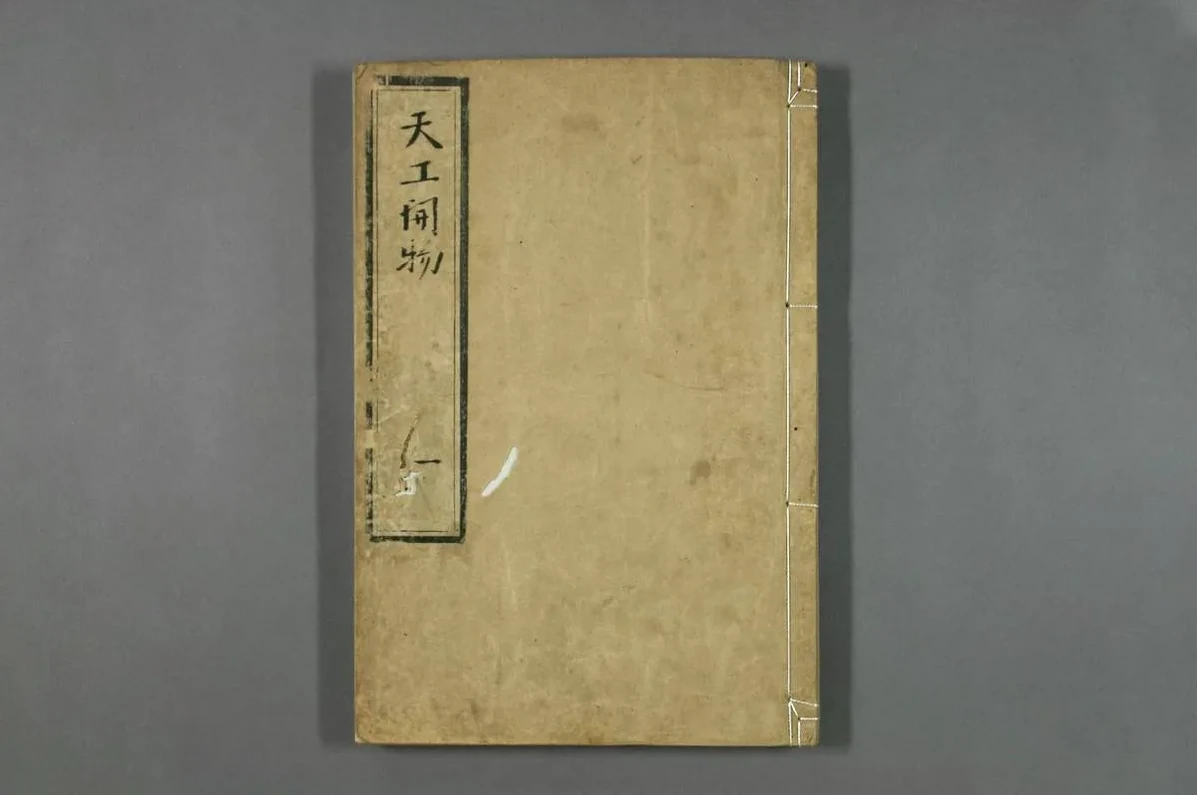
Wooden arch bridges represent one of humanity’s earliest engineering achievements in spanning waterways and creating pedestrian pathways through difficult terrain. As recorded in the Tiangong Kaiwu (The Exploitation of the Works ), Chinese craftsmen developed sophisticated mortise and tenon joinery systems as far back as the Neolithic period, eliminating the need for metal fasteners while creating structures that could withstand centuries of environmental stress. The zigzag bridge () became a defining element water town landscapes, serving both practical transportation needs and aesthetic purposes in classical Chinese garden design.
Traditional wooden arch bridge construction relied on the principle of compressed timber blocks interlocking through precisely cut joints. Unlike nailed or bolted construction, these pure mechanical connections allow the structure to flex and settle naturally over time, which is why many ancient wooden bridges in China have survived for over six hundred years. The arch form itself distributes weight efficiently through compression, making it ideal for spanning streams, ponds, and narrow water features in landscape settings without requiring deep foundation work.
According to the Yingzao Fashi (Building Standards), compiled during the Song Dynasty in 1103 AD, wooden bridge construction followed strict proportional systems that ensured both structural integrity and visual harmony. These historical building codes established standardized dimensions and joint configurations that craftsmen still reference today, creating a living lineage of knowledge that connects contemporary artisans with medieval engineering wisdom. UNESCO has recognized the continued relevance of these traditional woodworking techniques as part of humanity’s intangible cultural heritage.
Our master craftsmen with over four decades of experience employ traditional mortise and tenon joinery also known as dougong in broader architectural contexts to assemble every wooden landscape installation. This technique involves cutting precise concave sockets (mortises) and matching protruding tabs (tenons) into timber members so they lock together without nails, screws, or adhesive. The result is a structure that grows tighter under load rather than loosening, a property that makes it particularly suited for outdoor application where temperature and humidity fluctuations are constant.
The fabrication process begins with carefully selected timber that has been air-dried to a moisture content below fifteen percent to prevent warping and decay. We work primarily with pressure-treated pine, borassus flabellifer carbonized wood, and high-density hardwoods depending on the project requirements and aesthetic vision. Each piece is marked, numbered, and tested before assembly, ensuring a tight fit throughout the entire structure. According to our senior craftsman, the most critical joint in an arch bridge is the keystone connection at the apex, where compressive forces concentrate and any imprecision would compromise the entire span.
Beyond structural joinery, decorative elements are carved by hand using traditional tools passed down through generations of woodworkers. Railings feature repeating geometric patterns inspired by classical Chinese lattice work, while handrails are shaped to fit naturally in the palm. The surface finish combines traditional tung oil treatment with modern weatherproof coatings, creating a protective barrier that preserves the natural grain while resisting UV degradation, moisture ingress, and fungal attack. Each bridge undergoes a minimum twenty-day curing and finishing cycle before it leaves our facility.
| Bridge Length | 2 meters to 12 meters (customizable) |
| Bridge Width | 0.8 meters to 2.5 meters |
| Rise Height | 0.4 meters to 1.8 meters above deck level |
| Primary Materials | Pressure-treated pine, borassus flabellifer, teak, mahogany |
| Joinery Method | Traditional mortise and tenon, all-wood mechanical connection |
| Surface Finish | Tung oil + exterior-grade weatherproof sealant |
| Railings | Available in 0.6m or 1.0m height, custom patterns |
| Lead Time | 18 to 35 working days depending on size and complexity |
| Shipping | Knocked-down flat pack, container-load optimized |
| Warranty | 5 years structural, 3 years finish |
| Load Capacity | Designed for 3 kN/sqm live load (pedestrian standard) |
| Foundation | Concrete piers or direct ground embedment options |
All specifications support customization based on actual site conditions and landscape requirements. The knocked-down shipping format ensures cost-effective ocean freight, with each kit containing color-coded members, pre-drilled pilot holes, and illustrated assembly instructions suitable for local contractors with basic carpentry skills. A site visit and measurement service is available for projects exceeding ten meters in span.
Wooden landscape arch bridges serve diverse applications across residential, commercial, and public sectors. In private gardens, they span ornamental ponds and koi lagoons to create dramatic Instagram-worthy installation moments that elevate property value and visual appeal. Resort and hotel operators install them along waterfront promenades and meditation gardens to provide guests with memorable photo opportunities that drive organic social media promotion.
Public park and cultural heritage site managers use these bridges as both functional infrastructure and cultural statement pieces. A medium installation spanning a reflective pool or stream adds narrative depth to landscape design, connecting zones while creating a natural gathering point. For museum and exhibition contexts, scaled-down versions serve as educational exhibits demonstrating traditional woodworking principles to visitors of all ages.
Festival and event planners increasingly incorporate these structures as temporary or semi-permanent installations at cultural fairs, botanical garden events, and pop-up art experiences. Their warm timber aesthetic contrasts beautifully with natural surroundings, functioning as an interactive wood art piece that invites contact and exploration rather than passive viewing. The modular design allows for rapid deployment and retrieval, making them ideal for seasonal installations that rotate throughout the year.
Every project begins with a consultation to understand the site context, desired aesthetic, and functional requirements. Our design team reviews site photographs, topographic surveys, and local climate data to recommend the optimal span, rise, and material specification. Clients receive a detailed CAD drawing and 3D visualization before production begins, allowing adjustments to railing patterns, deck width, and finish color to match the existing landscape palette.
Customization options extend to decorative elements such as carved panel motifs, integrated lighting channels within the deck, and specialized surface textures that complement adjacent hardscape materials. For heritage restoration projects, we can replicate historical bridge forms documented in architectural archives or surviving examples in regional collections. Steel-wood hybrid installation approaches are available for sites requiring additional span capacity or where soil conditions demand reinforced footing integration.
The production phase utilizes both hand tools for critical joint cuts and CNC precision equipment for repetitive components, balancing craftsmanship authenticity with manufacturing consistency. Each bridge receives a quality inspection at five stages: material selection, rough joinery, fine joinery, surface preparation, and final coating. Only pieces meeting our dimensional tolerance of plus-or-minus two millimeters proceed to packaging.
A cultural tourism development project commissioned a six-meter-span wooden arch bridge to cross a restored waterway within a heritage landscape park. The bridge was designed as a timber landmark and primary scenic photo spot, connecting two historically significant garden zones while providing visitors with a distinctive viewing platform above the water surface. The structure features a moderate rise of ninety centimeters, creating a graceful silhouette against the surrounding planting scheme.
Constructed from borassus flabellifer carbonized wood with a dark honey-toned finish, the bridge incorporates traditional curved railing panels with geometric cutout patterns inspired by regional lattice motifs. The deck width of one point four meters allows comfortable two-way pedestrian flow. Installation was completed over three working days by the client’s local crew using our step-by-step assembly guide, with all joinery pieces numbering and pre-drilled for rapid placement.
Post-installation monitoring over eighteen months showed zero structural movement or fastener loosening, confirming the effectiveness of the mortise and tenon system under real-world conditions. Visitor engagement data from the site recorded an average dwell time of twelve minutes at the bridge location significantly higher than adjacent walkway segments validating its role as a high-traffic viral check-in installation. The project team reported that guest photography shared on social platforms generated an estimated equivalent of forty thousand organic impressions in the first month alone.
Q: Are you a workshop or a middleman?
A: We are the original workshop with decades of traditional woodworking experience, operating our own workshop since 1978. Workshop-direct pricing means direct sourcing markup.
Q: Can this product be customized?
A: Yes. We offer full customization including size, material and style. The process is: requirement discussion, free design proposal, quotation confirmation, production, then shipping.
Q: What materials are used and how is it preserved?
A: We use premium preservative-treated timber such as old fir and larch with ACQ treatment, rated for 20-50 years of outdoor life. Moisture content is controlled to 8-12% for export.
Call/WhatsApp: +86 13883366528
Zhongyu Woodcraft – 48 Years Traditional Chinese Woodcraft Workshop, Nationwide Installation
了解更多相关内容:Authentic Chines、How to Choose th。
| Origin | Chongqing, China |
|---|---|
| Brand | Zhongyu Wood Art |
| Material | Solid wood (pine/fir/cedar), pressure-treated |
| Craftsmanship | Traditional mortise-and-tenon joinery |
| Surface Finish | Weather-resistant outdoor coating |
| Dimensions | Customizable based on site requirements |
| Installation | On-site installation available worldwide |
| Lead Time | 30 days after deposit and approved drawings (varies with size and complexity) |
| MOQ | 1 set |
| Packaging | Standard export packaging |
| Lifespan | 30-50 years with proper maintenance |
| Warranty | 5-year warranty on structural integrity, lifetime maintenance |
| Span | Customizable 2m-30m |
| Load Capacity | 500kg/m2 pedestrian load |
| Width | Customizable 1.2m-5m |
| Warranty Note | We respond to written warranty notices within 5 working days |
Call / WhatsApp same number · Reply within 24 hours
☎ Hotline: +86 13883366528 (WhatsApp same number) · 💬 WhatsApp
几代老师傅 · 在线咨询
We will contact you within 24 hours.