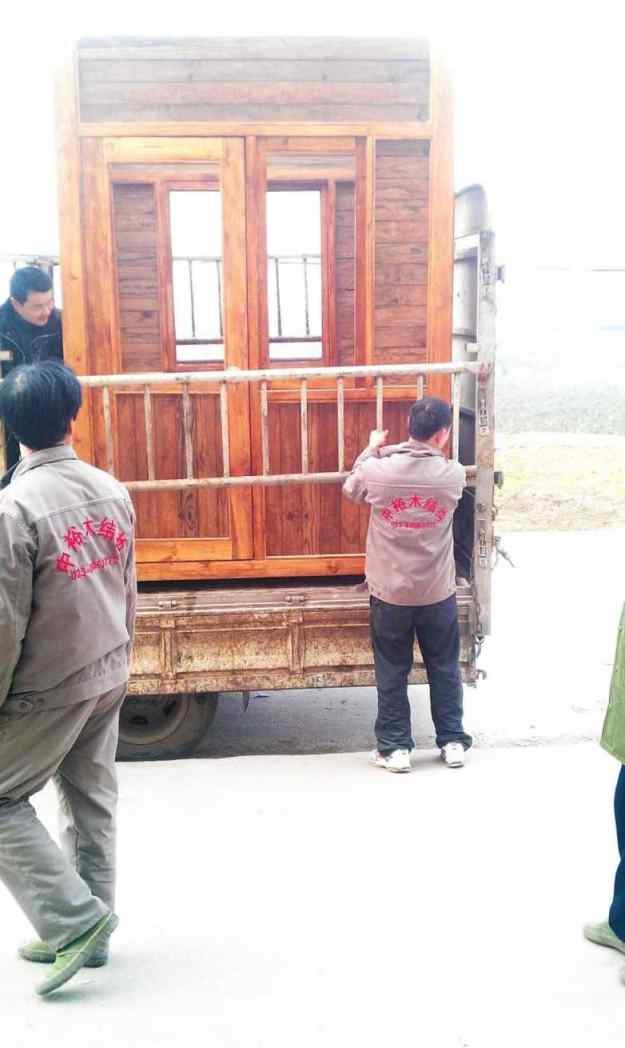
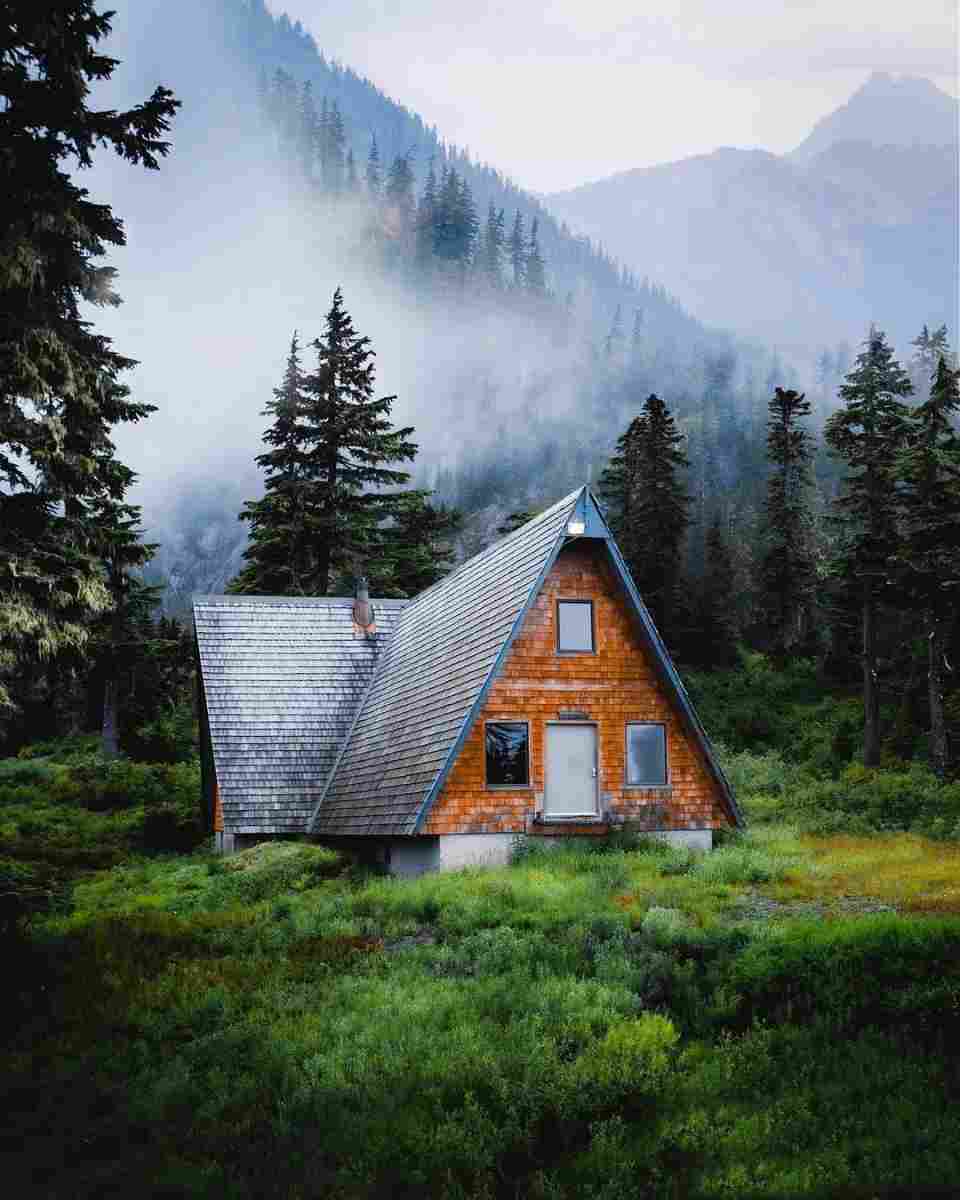
Starting a homestay in China is one of the most rewarding ways to capture the growing demand for rural tourism and heritage accommodation. A timber frame house or stilt house isn’t just a building it’s the heart of your guest experience, the photo op that drives bookings, and the legacy project that defines your property for decades. According to the Ministry and Tourism, China’s rural tourism market grew over 23% year-over-year in 2024, and homestay bookings through platforms like Ctrip and Xiaozhu have surged as travelers increasingly seek authentic, culturally immersive stays. The right timber structure elevates everything.
A How Choose the is a traditional Chinese timber structure assembled with mortise and tenon joinery, without metal nails, combining cultural heritage with modern durability.
At Zhongyu Woodart, our How Choose the is crafted with traditional mortise and tenon joinery, ensuring durability and timeless beauty. How Choose the projects across China have been delivered with 48 years of woodworking heritage.
Choosing a homestay timber house requires balancing aesthetics, structural integrity, budget, and timeline. Here are the five pillars every buyer should assess before committing to a timber house quote.
Material quality and species selection The wood you choose directly determines longevity, maintenance cost, and visual appeal. Fir (Norway spruce or Korean pine) is the most popular choice for timber frame houses in China’s rural guesthouse sector due to its balance of strength, workability, and price. Cedar offers superior natural rot resistance and aromatic qualities, while carbonized wood provides enhanced weather durability without chemical treatments. Old camphor wood, prized in southern China, carries cultural prestige and natural insect resistance. For high-altitude or coastal properties, treated pine or larch may be more suitable. Our 48 years of factory experience tells us material selection is the single most consequential decision get it wrong, and maintenance costs spiral.
Structural system and joinery method Mortise-and-tenon joinery () is the gold standard for traditional Chinese residence construction. This interlocking wood system eliminates the need for nails or metal fasteners, creating structures that flex with seismic activity and settle gracefully over time. A properly crafted mortise-and-tenon timber frame house can last 80 to 150 years with minimal intervention. For buyers seeking faster deployment, modular timber house systems offer prefabricated panels that slot together on-site, reducing installation time by 40% to 60% compared to stick-built methods. The choice between traditional hand-carved joinery and modern CNC-assisted precision joinery depends on your budget, aesthetic vision, and timeline.
Size and spatial configuration Homestay timber houses must be sized to your land parcel, local zoning regulations, and target guest profile. A single-bedroom rural guesthouse typically ranges from 35 to 55 square meters, while a two-bedroom wooden villa commands 70 to 120 square meters. Double-storey designs maximize land efficiency but require more robust foundation work. Consider guest flow: a well-proportioned stilt house with an elevated sleeping level and open living area below creates natural privacy separation without interior walls. Measure your plot carefully overbuilding wastes capital, underbuilding limits revenue potential.
Climate and environmental adaptation China’s vast territory means climate considerations vary dramatically. Northern properties need superior insulation; southern and southwestern regions demand moisture management and ventilation. A traditional Chinese residence built ‘s mild highland climate will differ substantially from one designed ‘s humid subtropical zone. Proper foundation elevation, roof overhang depth, and cross-ventilation design are non-negotiable for long-term comfort and structural health.
Regulatory compliance and permitting Rural land use regulations in China have tightened considerably. Many village collectives now require formal permits for wooden holiday home construction, especially in scenic areas and cultural heritage zones. Engage with local authorities early. Some regions mandate specific materials, roof profiles, or height restrictions to maintain village aesthetics. A compliant timber frame house avoids costly rework and ensures your homestay business can operate legally from day one.
| Material | Cost Level | Lifespan | Maintenance | Best For |
| Fir (Spruce/Pine) | $ | 40-60 years | Medium | Budget-conscious homestay projects |
| Cedar | $$ | 60-80 years | Low | Premium guesthouses, humid climates |
| Old Camphor Wood | $$$ | 80-120 years | Very Low | Heritage-style traditional Chinese residence |
| Carbonized Wood | $$ | 50-70 years | Low | Modern rustic aesthetics, eco-marketing |
| Treated Larch | $$ | 50-70 years | Low-Medium | High-altitude or extreme climate zones |
| Bamboo-Steel Composite | $ | 30-50 years | Medium | Temporary or seasonal structures |
Above parameters support project-specific customization. Consultation is required for precise specifications based on your location and design requirements.
The difference between a mass-produced prefab timber house and a handcrafted traditional Chinese residence lies in the joinery. Mortise-and-tenon joints represent centuries of Chinese architectural wisdom, codified in the Yingzao Fashi (), the 1103 AD imperial building standards manual. These interlocking connections distribute structural loads evenly, allowing timber frame houses to breathe and shift with seasonal temperature changes without cracking or loosening.
Our senior craftsman with 48 years of experience says the secret to enduring timber structures isn’t just the wood it’s the precision of the joint. A well-cut mortise-and-tenon connection achieves a tolerance of under 1mm, creating a joint that tightens over time rather than weakening. CNC-assisted joinery today can replicate this precision at scale, but the design intelligence must come from artisans who understand how each joint type butterfly tenon, double-tenon, Through-mortise serves different structural purposes.
Fire treatment, anti-corrosion coating, and kiln-drying to 12% to 18% moisture content are essential post-processing steps. A properly treated wooden structure villa will resist the three enemies of timber: moisture, insects, and fire. Water-based intumescent paint provides fire protection without altering the natural grain appearance, while copper naphthenate pressure treatment addresses rot and insect damage at the cellular level.
The versatility of the homestay timber house makes it suitable across multiple rural tourism segments. Scenic area guesthouses benefit from stilt house designs that minimize ground disturbance on sloped terrain. Forest retreat cabins leverage the natural camouflage of timber structures among trees. Cultural heritage villages often require traditional Chinese residence forms that harmonize with existing architecture. Boutique farm stay operators increasingly choose wooden holiday homes as Instagram-worthy structures that attract young travelers and drive social media reach.
Modular timber house solutions have particularly strong appeal for rapid-deployment projects. A village collective looking to establish a weekend tourism destination can install a prefabricated wooden villa in 15 to 25 days, compared to 3 to 6 months for conventional construction. This speed-to-market advantage translates directly to earlier revenue generation a critical factor for farm owners financing their project through local cooperative loans or government subsidy programs.
No two homestay sites are identical, and neither should be your timber frame house. Customization spans floor plan layout, roof profile (single-slope, gable, hip, or traditional Chinese multi-eave), window placement, exterior finish, and interior partitioning. A wooden structure villa can incorporate open-plan living areas, mezzanine sleeping lofts, wraparound decks, or integrated rainwater collection systems depending on your vision.
The design process typically follows four stages: conceptual consultation, 3D modeling and rendering, engineering drawings, and production. Each stage includes review checkpoints. Our factory provides free preliminary sketches based on your site photos and dimensions, allowing you to visualize the final homestay timber house before committing funds. Digital rendering tools let you adjust roof height, facade color, and deck configuration in real time ensuring the final wooden holiday home matches your brand identity exactly.
A rural tourism developer commissioned 12 custom stilt houses for a mountain guesthouse project in a protected scenic zone. The requirement was clear: traditional Chinese residence aesthetics with modern comfort, fast installation to meet the peak travel season deadline, and zero permanent foundation impact to preserve the hillside ecology. Our team delivered a modular timber house system using carbonized fir with exposed mortise-and-tenon joinery, each unit measuring 48 square meters across two levels. Installation completed in 18 calendar days per unit. The project achieved 92% occupancy in its first summer season, with guests frequently citing the authentic timber craftsmanship as a primary booking driver. Total project value exceeded ¥1.8 million RMB, including design, fabrication, shipping, and on-site assembly guidance.
Buying a timber frame house or prefab timber house requires understanding the full supply chain. Our factory-direct model eliminates middleman markups, typically reducing procurement costs by 20% to 35% compared to purchasing through regional dealers. Standard shipping uses flat-pack container loading a 40-foot HQ container can ship 3 to 5 complete timber house kits depending on size. For remote scenic sites, we coordinate door-to-door delivery with local loading assistance.
On-site installation can be handled by our trained crew or by local carpenters following our detailed assembly manuals. Each kit arrives with numbered components, color-coded joinery pins, and illustrated step-by-step instructions. Typical installation for a standard 50-square-meter wooden villa requires 4 to 6 workers over 10 to 15 working days, excluding foundation preparation which depends on local site conditions.
Q: Are you a factory or a middleman?
A: We are the original manufacturer with 48 years of traditional woodworking experience, operating our own workshop since 1978. Factory-direct pricing means no middleman markup.
Q: Can this product be customized?
A: Yes. We offer full customization including size, material and style. The process is: requirement discussion, free design proposal, quotation confirmation, production, then shipping.
Q: What materials are used and how is it preserved?
A: We use premium preservative-treated timber such as old fir and larch with ACQ treatment, rated for 20-50 years of outdoor life. Moisture content is controlled to 8-12% for export.
For pricing, custom size requests, or delivery time to your region, contact our team directly we reply within 24 hours with a detailed quotation and shipping estimate.
Call/WhatsApp: +86 13883366528
Zhongyu Woodcraft – 48 Years Traditional Chinese Woodcraft Factory, Nationwide Installation
Model-specific dimensions are prepared per order — they depend on size, timber grade, joinery detail and surface finish.
The commercial terms below are fixed and apply to every order. Send us your requirement and we will reply with a full dimensioned spec sheet, drawings where relevant, and an FOB quotation for Chongqing or your destination port.
| Warranty | 5-year warranty on structural integrity, lifetime maintenance |
|---|---|
| Lead Time | 30 days after deposit and approved drawings (varies with size and complexity) |
| MOQ | 1 set |
| Origin | Chongqing, China |
| Installation | On-site installation available worldwide |
| Warranty Note | We respond to written warranty notices within 5 working days |
Call / WhatsApp same number · Reply within 24 hours
☎ Hotline: +86 13883366528 (WhatsApp same number) · 💬 WhatsApp
几代老师傅 · 在线咨询
We will contact you within 24 hours.