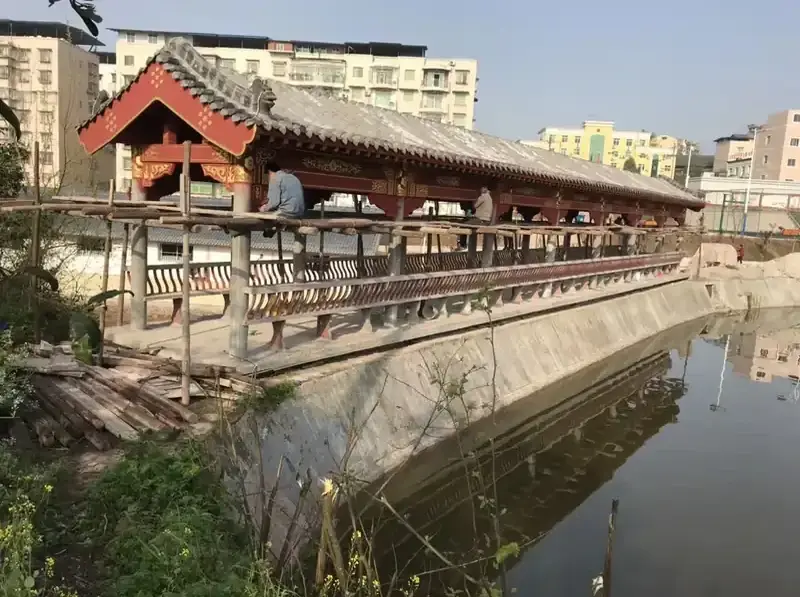
A wooden pavilion is far more than a shelter in a park. In the hands of a master carpenter, it becomes a city landmark, a cultural anchor that tells the story of a place and its people. From the ancient gardens of China to contemporary urban plazas, the Chinese pavilion, or ting, represents a 2,000-year-old architectural tradition that continues to shape how cities define themselves. This article explores the historical origins, intricate craftsmanship, and modern applications of wooden pavilions as city landmarks. You will learn how mortise-and-tenon joinery works, why material selection is critical, and how these structures are being reimagined for cultural tourism and urban identity today.
The Historical Origins of the Chinese Pavilion
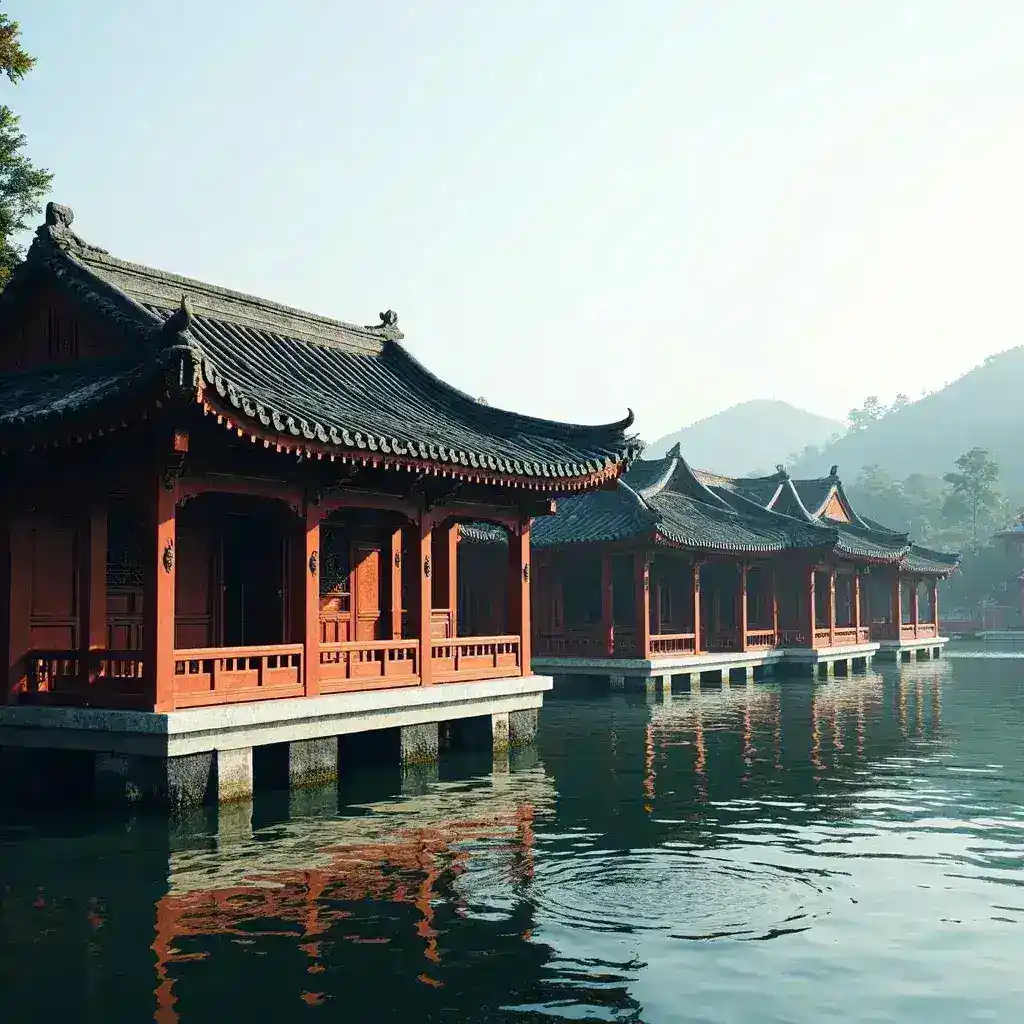
The Chinese pavilion has been a fixture of landscape design since the Han Dynasty (206 BCE–220 CE). Early pavilions were simple structures built for rest and observation, often placed at scenic spots along roads or in imperial hunting parks. By the Tang Dynasty (618–907 CE), the pavilion had evolved into a sophisticated architectural form, with elaborate roof structures and decorative woodwork.
The Song Dynasty (960–1279 CE) saw the publication of the Yingzao Fashi (Building Standards), a treatise that codified the proportions and construction methods for pavilions and other wooden structures. This text, written by Li Jie in 1103 CE, remains a foundational document for traditional Chinese architecture. It specifies everything from the curvature of roofs to the spacing of bracket sets, ensuring structural integrity and visual harmony.
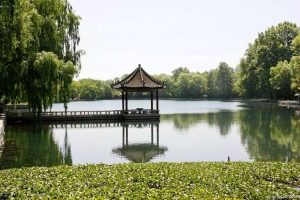
Pavilions were not merely functional. They were philosophical statements. In Chinese garden design, a pavilion represented the harmony between humanity and nature. Its open sides allowed breezes to pass through, its roof offered protection from sun and rain, and its placement framed views of mountains, water, or moon. As the Ming Dynasty scholar Wen Zhenheng wrote in the 17th century, ‘A pavilion should be placed where it can capture the finest scenery, for its purpose is to elevate the spirit.’
This philosophical underpinning explains why pavilions have endured for millennia. They are not just buildings; they are instruments for experiencing the world.
Craftsmanship and Techniques: The Mortise-and-Tenon System
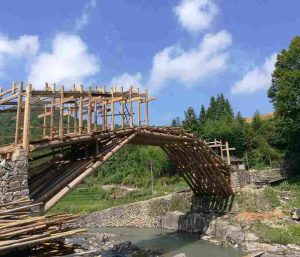
The durability and beauty of a traditional Chinese pavilion lie in its joinery. Mortise-and-tenon (, sunmao) is a woodworking technique that joins two pieces of wood without nails or screws. One piece has a projecting tenon, the other a corresponding mortise, or hole. When fitted together, they create a joint stronger than the wood itself.
There are over 100 types of mortise-and-tenon joints used in Chinese architecture. The most common in pavilion construction include:
Straight tenon:A simple rectangular joint used for connecting beams to columns. Dovetail joint: An interlocking joint that resists pulling apart, used for corner connections. Shouldered tenon: A joint with a shoulder that provides extra stability, used for load-bearing connections. Mortise-and-tenon with wedge: A joint secured with a wooden wedge, allowing for disassembly and reassembly.
According to our master craftsman with 48 years of experience, ‘A properly cut mortise-and-tenon joint can last for centuries. We have restored pavilions that were built 300 years ago, and the joints were still tight. The secret is in the precision of the cut and the quality of the wood.’
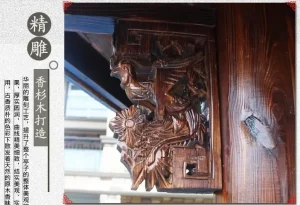
Material selection is equally important. Traditional pavilions are built from durable woods such as nanmu, camphor, and fir. Modern outdoor pavilions often use preservative-treated pine or ipé, which resist rot and insects. The wood must be dried to a moisture content of 12–15% to prevent cracking and warping. Our factory in China uses a 45-day kiln-drying process to achieve this.
The roof structure is another hallmark of Chinese pavilion craftsmanship. The curved roof, with its upturned eaves, is not just aesthetic. It sheds rain effectively and provides shade. The roof is supported by a system of purlins, rafters, and bracket sets (, dougong) that distribute weight evenly. A typical pavilion roof can weigh over 2,000 kg, yet the joinery holds it in place without a single metal fastener.
Modern Applications: Pavilions as City Landmarks
In contemporary urban design, wooden pavilions are being used to create distinctive city landmarks. A well-placed pavilion can anchor a public plaza, provide a focal point for a park, or serve as a gateway to a cultural district. Cities around the world are recognizing the value of these structures for tourism, community gathering, and brand identity.
Consider the case of a cultural park in a northern city. The park commissioned a 12-meter-diameter hexagonal pavilion to serve as its centerpiece. The pavilion was built from preservative-treated pine and featured a double-eave roof with intricate bracket sets. It was prefabricated in our China factory, shipped in modules, and assembled on-site in 20 days. The pavilion has become a popular spot for weddings, festivals, and daily gatherings, attracting over 5,000 visitors per month.
Another example is a waterfront development that used a series of connected pavilions to create a promenade. The pavilions, each 4 meters by 4 meters, were linked by covered walkways. The design drew on the traditional Chinese garden concept of jie jing (borrowed scenery), framing views of the water and sky. The project won a regional design award and increased foot traffic to nearby businesses by 30%.
These projects demonstrate that wooden pavilions are not relics of the past. They are versatile, sustainable, and deeply resonant structures that can meet the needs of modern cities.
Design and Customization: Tailoring Pavilions to Place
Every city is unique, and so is every pavilion. Customization begins with understanding the site, the climate, and the cultural context. Our design team works with clients to determine the optimal size, shape, and style for their project.
Key design considerations include:
Size:Pavilions range from 1.5 meters to 30 meters in diameter. Smaller pavilions suit gardens and courtyards; larger ones are used for plazas and parks. Roof type: Options include single-eave, double-eave, pyramidal, and hip-and-gable roofs. The choice affects both aesthetics and structural complexity. Material: Preservative-treated pine is cost-effective and durable. Ipé and other hardwoods offer greater longevity and a richer appearance. Finish: Natural wood, stained, or painted finishes are available. Traditional red and green paints are popular for cultural projects. Accessories: Benches, railings, lighting, and signage can be integrated into the design.
For outdoor installations, we recommend preservative-treated wood with a 15-year guarantee against rot and insect damage. Our pavilions are engineered to withstand wind loads of up to 120 km/h and snow loads of up to 100 kg per square meter.
Customization also extends to the construction process. We offer prefabrication, which allows for rapid on-site assembly with minimal disruption. A typical pavilion can be installed in 15–30 days, depending on size and complexity.
Case Study: A Landmark Pavilion for a Cultural Tourism Project
In 2023, a cultural tourism development in a historic town commissioned a pavilion to serve as the entrance to its heritage district. The client wanted a structure that would evoke the town’s history while meeting modern safety and durability standards.
Our team designed an octagonal pavilion with a diameter of 8 meters and a height of 6 meters. The structure was built from preservative-treated pine, with a double-eave roof and decorative bracket sets. The roof was covered with traditional grey tiles, and the columns were finished with a dark red stain.
The pavilion was prefabricated in our China factory over 30 days. It was then shipped to the site in modules and assembled in 18 days. The total cost was approximately $45,000, including design, materials, and installation.
Since its completion, the pavilion has become a beloved landmark. It has been used for cultural performances, craft markets, and community events. The client reported a 40% increase in visitor numbers to the heritage district within the first six months.
This project illustrates the power of a well-designed pavilion to transform a space and create a sense of place.
Frequently Asked Questions
Q: What is the typical lifespan of a wooden pavilion?
A: With proper maintenance, a preservative-treated wooden pavilion can last 30–50 years. Traditional hardwoods like ipé can last even longer. The key factors are wood quality, joinery precision, and regular care.
Q: How much does a custom wooden pavilion cost?
A: Costs vary by size, material, and complexity. A small garden pavilion (3 meters) starts at around $8,000. A large landmark pavilion (10 meters or more) can cost $50,000–$150,000. We provide detailed quotes based on your specifications.
Q: Can pavilions be installed in cold climates?
A: Yes. Our pavilions are engineered to withstand snow loads and temperature fluctuations. We use kiln-dried wood and corrosion-resistant hardware to ensure performance in harsh conditions.
Q: Do you offer design services?
A: Yes. Our in-house design team can create custom plans based on your site, budget, and vision. We provide 3D renderings and technical drawings for approval before construction begins.
Q: How long does production and installation take?
A: Production typically takes 20–40 days, depending on size and complexity. Installation takes 15–30 days. We handle shipping and on-site assembly for projects worldwide.
Conclusion: The Enduring Appeal of the Wooden Pavilion
The wooden pavilion is a testament to the enduring power of traditional craftsmanship. Its mortise-and-tenon joinery, refined over millennia, offers strength, beauty, and sustainability. As cities seek to create distinctive landmarks and cultural anchors, the pavilion remains a compelling solution.
Whether you are planning a garden retreat, a public plaza, or a heritage district, a custom wooden pavilion can elevate your project. With 48 years of experience and a commitment to authentic techniques, Zhongyu Woodcraft is ready to bring your vision to life. Contact us to discuss your project and discover how a pavilion can become the heart of your city.
Key Specifications at a Glance
| Brand | Zhongyu Woodcraft (48 years of traditional woodworking) |
| Main Material | Old fir / scotch pine / merbau, ACQ preservative vacuum-treated |
| Craft | Traditional mortise-and-tenon joinery, per “Tiangong Kaiwu” and “Yingzao Fashi” |
| Lead Time | 15-30 days standard, 30-75 days custom |
| Service Life | 20-50 years (outdoor preservation grade) |
| Service | Nationwide delivery + on-site installation, lifetime maintenance |
Call/WhatsApp: +86 13883366528
Zhongyu Woodcraft – 48 Years Traditional Chinese Woodcraft Factory, Nationwide Installation