You spend months selecting the perfect wooden pavilion for your garden, only to watch its beauty fade within a single season. Sun bleaching, rain damage, and temperature swings turn your investment into weathered gray wood. The real question isn’t whether outdoor wood needs protectionit’s which protective finish actually delivers lasting results without breaking the bank.
After 48 years of crafting traditional wooden structures for clients across five continents, we’ve seen every finish type fail and succeed. The outdoor wood finishing world is crowded with conflicting advice. Some craftsmen swear by penetrating oil. Others insist on film-forming paint. Stain occupies a middle ground that confuses most homeowners. This guide cuts through the noise with practical, experience-backed comparisons so you can make the right choice for your wooden garden bridge, wooden cabin, or any outdoor wooden structure.
We’ll compare wood oil, stain, and paint across durability, appearance, maintenance requirements, cost, and suitability for different wood types and climate conditions. By the end, you’ll know exactly which finish protects your outdoor wood investment for years to come.
What Is Wood Oil and How Does It Protect Outdoor Wood?
Wood oil is a penetrating finish made from natural or synthetic oils that soak deep into the wood fiber rather than sitting on the surface. Unlike paint or varnish, which form a protective film, wood oil feeds the wood from within, maintaining its natural texture and grain visibility while repelling water and preventing UV damage. The most common types include linseed oil, tung oil, and modern blended exterior wood oils with UV inhibitors and mildewcides added.
For outdoor applications like traditional wooden pavilions and garden structures, wood oil offers distinct advantages. It allows wood to breathe, which means moisture trapped inside the timber can escape rather than being forced out by a surface film. This breathability is critical for large outdoor installations where temperature fluctuations cause wood to expand and contract. When we craft historical replica wooden structures for outdoor display, we always recommend oil finishes because they move with the wood rather than cracking alongside it.
The lifespan of a quality wood oil finish on outdoor structures typically ranges from one to three years depending on exposure conditions. High-traffic areas like wooden garden bridges may require reapplication every 12 to 18 months, while sheltered pavilion components can go two to three years between treatments. The maintenance process is straightforward: clean the surface, let it dry completely, apply the oil with a brush or cloth, and wipe away any excess before it cures.
However, wood oil has limitations. It provides minimal protection against physical wear and abrasion. If your outdoor structure experiences heavy foot traffic or frequent contact, oil alone may not be sufficient. Additionally, some oils can attract dust and dirt over time, requiring more frequent cleaning to maintain appearance. The initial cost is generally lower than paint or stain systems, but the recurring maintenance costs add up over the life of the structure.
How Does Wood Stain Compare for Outdoor Protection?
Wood stain sits between oil and paint in terms of protection and appearance. It contains pigments or dyes suspended in a liquid carrier that penetrates the wood while depositing color on and slightly below the surface. Stain comes in four transparency levels: clear, tinted, semi-transparent, and solid. Each offers a different balance of UV protection, grain visibility, and durability that makes stain a versatile choice for diverse outdoor applications.
Semi-transparent stain is particularly popular for outdoor wooden pavilions and traditional water wheel installations because it preserves the natural wood grain while adding meaningful UV protection. The pigments in stain block more ultraviolet radiation than clear oil, which means the wood underneath fades more slowly. For structures exposed to direct sunlight in hot climates, a semi-transparent or solid stain can extend the time between maintenance cycles significantly compared to oil alone.
Paint-grade or solid-color stain offers the highest UV protection among stain options and approaches paint-level durability, but it partially obscures the wood grain. This makes solid stain an excellent choice for traditional farming tool replicas and wooden signboards where maximum weather protection matters more than grain visibility. The pigment load in solid stain acts as a sunscreen for wood, and the binding agents provide a thin protective film that resists moisture better than penetrating oil.
The maintenance cycle for quality exterior stain typically runs two to five years depending on the transparency level and environmental exposure. Semi-transparent stains generally last two to three years on south-facing exposures and three to four years on north-facing or sheltered installations. Solid stains can reach four to five years in moderate climates. Stain application requires less surface preparation than paint because it doesn’t rely on a smooth film adhesion, making it forgiving for slightly weathered surfaces that need refreshing rather than complete restoration.
When Is Paint the Right Choice for Outdoor Wood?

Paint forms a continuous protective film on the wood surface, offering the highest level of physical protection and the widest range of color options. Unlike oil and stain, which penetrate or semi-penetrate the wood, paint sits on top and creates a barrier against water, UV radiation, and mechanical damage. For wooden glamping pods and traditional wooden houses where maximum weather resistance is essential, high-quality exterior paint remains the most reliable option available.
The critical advantage of paint is its ability to completely seal the wood surface from moisture intrusion. This is particularly important for structures in rainy or humid climates where water penetration causes rot, mold, and structural degradation. When we outfit oriental aesthetic tea rooms and study spaces with outdoor components, we often specify premium acrylic latex paint for exterior trim and siding because it provides the most comprehensive weather barrier.
Paint also offers the longest lifespan among the three finish types when properly applied. A well-maintained painted exterior wooden structure can go seven to ten years between full repaint cycles. The downside is that paint requires the most rigorous surface preparation. Every loose paint flake, dirt particle, and glossy surface must be removed before application, or the new coat will fail prematurely. Sanding, scraping, and priming are non-negotiable steps that add time and cost to the project.
Another consideration is that paint traps moisture within the wood if the film develops cracks or gaps. Unlike breathable oil finishes, a failed paint film can accelerate rot by preventing the wood from drying out. This is why proper application technique and regular inspection for cracking or peeling are essential. For traditional oil press machinery and other functional wooden components displayed outdoors, paint protection is valuable but requires vigilant maintenance to prevent hidden moisture damage beneath the film.
Comparing Durability, Cost, and Maintenance Across All Three Options
Choosing between wood oil, stain, and paint requires weighing durability against cost and maintenance effort. No single finish wins every category, and the best choice depends entirely on your specific situation, climate, and priorities. Understanding these tradeoffs helps you make an informed decision rather than following generic advice that may not suit your needs.
| Factor | Wood Oil | Wood Stain | Paint |
|---|---|---|---|
| UV Protection | Moderate | Good to Excellent | Excellent |
| Water Resistance | Good | Good | Excellent |
| Grain Visibility | Full | Partial to None | None |
| Typical Lifespan | 1-3 years | 2-5 years | 7-10 years |
| Surface Prep Required | Minimal | Moderate | Extensive |
| Initial Cost | $ | $$ | $$ |
| Maintenance Frequency | Every 1-3 years | Every 2-5 years | Every 7-10 years |
| Best For | Natural look, breathing wood | Balanced protection and appearance | Maximum protection, color variety |
For traditional Chinese wooden pavilions and gazebo structures where the natural beauty of the wood grain is a primary design goal, wood oil or semi-transparent stain delivers the best aesthetic result with acceptable maintenance effort. If your priority is minimizing long-term upkeep and you don’t mind losing grain visibility, paint is the most practical choice for high-exposure applications.
Climate plays a decisive role in this decision. In dry, sunny climates with low rainfall, oil and stain perform exceptionally well because moisture-related failures are less common. In wet, humid, or freeze-thaw climates, paint’s superior water barrier becomes significantly more valuable. Coastal environments with salt exposure favor paint or solid stain because the protective film resists salt corrosion better than penetrating finishes.

Expert Recommendations for Different Outdoor Wood Structures
After four and a half decades of finishing outdoor wooden structures for diverse applications, we’ve developed specific recommendations based on structure type, exposure level, and desired appearance. These guidelines reflect real-world performance data from installations across multiple climate zones.
For wooden garden bridges and walkway structures, we recommend a semi-transparent stain with UV inhibitors. These structures face direct foot traffic and weather exposure, and the stain provides adequate protection while allowing the wood grain to show. Reapplication every two to three years keeps the bridge looking fresh and protected. For outdoor water wheels and traditional oil press displays near water features, a high-quality exterior paint provides the moisture barrier these constantly damp environments demand.
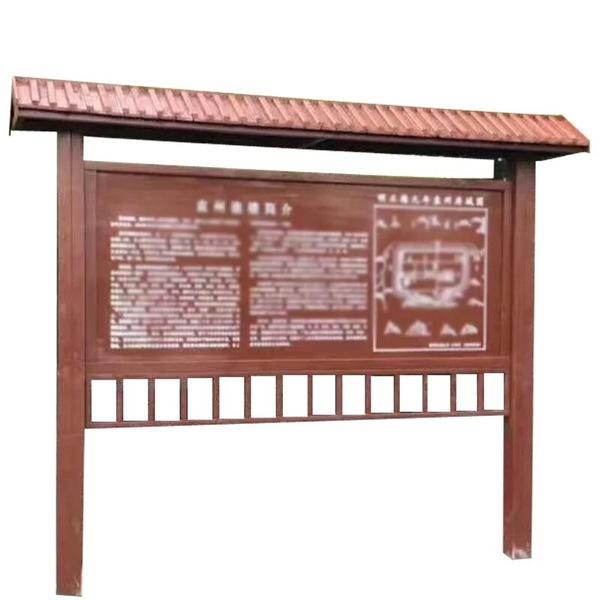
Garden pavilions and gazebos benefit most from a two-coat system: a penetrating oil primer followed by a semi-transparent topcoat. This combines the deep protection of oil with the UV blocking power of stain pigments. For wooden signboards and plaques mounted outdoors, solid stain or paint ensures maximum longevity since these pieces are difficult to maintain once installed at height.
Wooden cabins and glamping pods with exterior surfaces should use exterior-grade paint on siding and trim for maximum weather protection, while interior surfaces can use penetrating oil for a natural finish. For film and TV prop wooden structures used in outdoor productions, semi-transparent stain provides the best balance of appearance authenticity and on-set durability.
How to Maintain and Refresh Your Outdoor Wood Finish
Regardless of which finish you choose, proper maintenance extends lifespan dramatically and delays the need for complete refinishing. The maintenance cycle varies by finish type and exposure, but a consistent inspection and care routine protects your investment far more effectively than reactive repairs.
Annual inspection should check for fading, chalking, peeling, or areas where the finish has worn thin. Light surface cleaning with a mild detergent and soft brush removes dirt and organic growth that accelerate finish degradation. For oil-finished surfaces, a light sanding with 120-grit paper before reapplication ensures proper bonding. Stain and painted surfaces that show minor wear can often be refreshed with a clean and recoat rather than complete stripping.
Complete refinishing is necessary when the existing finish is extensively cracked, peeling, or when moisture has penetrated beneath the surface. In these cases, stripping the old finish and starting fresh is the only reliable approach. For oriental aesthetic space installations and permanent outdoor structures, budget for refinishing every five to ten years depending on the finish system and exposure conditions.
The single most important maintenance practice is addressing problems early. A small area of peeling paint or worn oil is inexpensive to fix. Ignoring it allows moisture to reach bare wood, causing rot that requires structural repair far beyond the cost of finish maintenance. Regular care transforms a minor annual task into a significant protection strategy for your outdoor wooden investment.