Birthday longevity plaques are a cherished tradition in Chinese culture, symbolizing wishes for a long and prosperous life. These exquisite wooden plaques, often adorned with intricate carvings and auspicious phrases, serve as timeless tributes to the honored individuals. At Zhongyu Woodcraft, a 48-year-old factory based in China, we specialize in crafting these personalized masterpieces, blending traditional techniques with modern customization options. Whether for a milestone birthday or a significant anniversary, our birthday longevity plaques offer a meaningful way to celebrate life’s special moments.
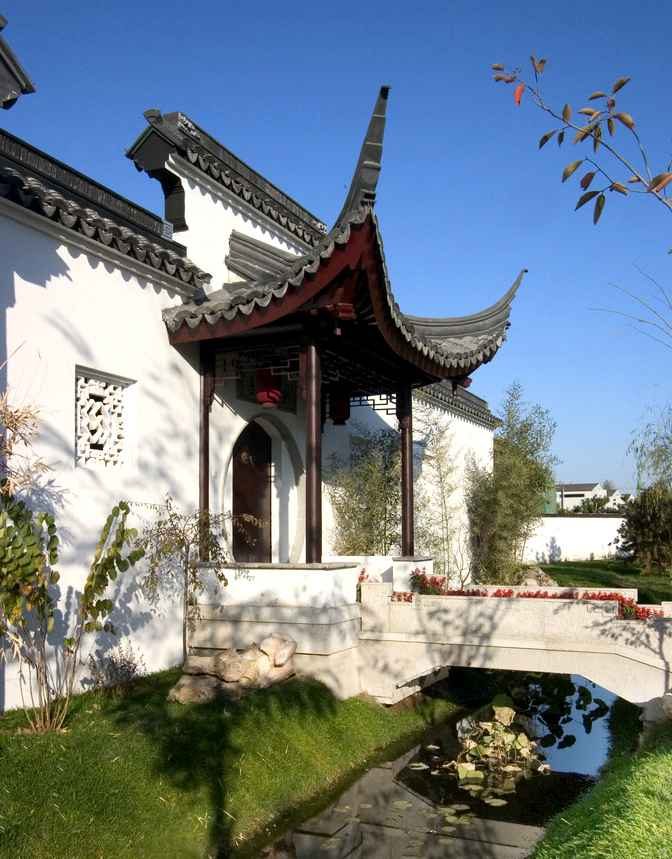
A Birthday Longevity Plaques is a traditional Chinese timber structure assembled with mortise and tenon joinery, without metal nails, combining cultural heritage with modern durability.
Historical Origins: The Timeless Tradition Plaques
The tradition of creating longevity plaques dates back centuries in Chinese culture. These plaques were originally used in ancestral halls and temples to honor ancestors and deities. The practice of gifting longevity plaques during birthdays gained popularity during the Ming and Qing dynasties, as a way to bestow blessings and good fortune upon the recipient.
According to the ancient text ‘Yingzao Fashi’ (Building Standards), the craftsmanship of wooden plaques was considered a prestigious art form, with master craftsmen dedicating years to perfecting their skills. The plaques were often inscribed with calligraphy, featuring auspicious phrases and symbols that conveyed wishes for longevity, prosperity, and happiness.
Today, while the tradition continues, modern technology and materials have expanded the possibilities for customization and durability, allowing us to create plaques that honor the past while meeting contemporary needs.
Craftsmanship & Techniques: The Art Longevity Plaques
At Zhongyu Woodcraft, we pride ourselves on our meticulous craftsmanship and commitment to preserving traditional techniques. Our process begins with selecting the finest quality wood, such as golden nanmu, a prized material known for its durability and beautiful grain. We then employ time-honored methods, including:
Hand Carving:Our skilled artisans meticulously carve each plaque by hand, ensuring every detail is precise and the design is truly one-of-a-kind. Relief Carving: This technique creates a three-dimensional effect, adding depth and texture to the plaque’s design. Intaglio Carving: For a more subtle look, we use intaglio carving, where the design is carved into the wood, creating a classic calligraphy effect. Gold Leaf Application: For an added touch of elegance, we apply gold leaf to the carved surfaces, enhancing the plaque’s visual appeal.
Our master craftsmen, with decades of experience, ensure that each plaque is a testament to the rich heritage of Chinese woodworking.
Modern Applications: Bringing Tradition into the 21st Century
While the core purpose of birthday longevity plaques remains the same, their applications have evolved to suit modern lifestyles. Today, these plaques are used in a variety of settings, including:
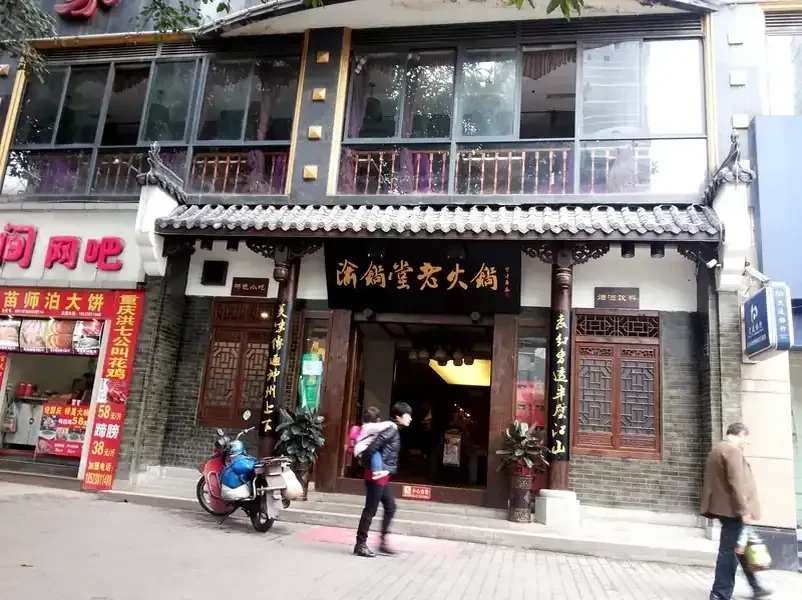
Private Residences:Homeowners use longevity plaques to decorate their living spaces, adding a touch of cultural elegance and personal significance. Restaurants and Teahouses: These establishments often display longevity plaques to create an authentic atmosphere and attract customers seeking a traditional dining experience. Corporate Offices: Companies use longevity plaques to honor long-serving employees, symbolizing their commitment to the organization. Event Celebrations: From weddings to anniversaries, longevity plaques make for unique and meaningful gifts, commemorating special occasions.
Our team at Zhongyu Woodcraft works closely with clients to create customized plaques that reflect their personal style and preferences, while maintaining the integrity of the tradition.
Design & Customization: Personalizing Your Longevity Plaque
At Zhongyu Woodcraft, we understand the importance of personalization. Our design process allows clients to choose from a range of options, including:
Wood Type:Select from a variety of woods, such as golden nanmu, teak, or Chinese fir, each offering unique characteristics and benefits. Carving Style: Choose between relief, intaglio, or a combination of both, depending on the desired effect. Inscription: We offer custom calligraphy services, allowing clients to include personalized messages or traditional auspicious phrases. Size and Shape: Our plaques come in various sizes and shapes, from small, rectangular designs to larger, more elaborate compositions.
Our team is dedicated to working with clients to create a plaque that truly reflects their vision and honors the recipient.
Case Study: A Timeless Tribute in China
One of our most memorable projects involved crafting a series of birthday longevity plaques for a prestigious event in China. The client, a prominent local business, wanted to honor their founder’s 80th birthday with a unique and meaningful tribute. We worked closely with the client to design a set of plaques featuring intricate relief carvings of traditional symbols, such as the dragon and phoenix, and personalized inscriptions in elegant calligraphy.
The project was a resounding success, with the plaques receiving high praise for their craftsmanship and the emotional impact they conveyed. This case exemplifies our commitment to delivering exceptional quality and creating lasting impressions through our work.
FAQ: Answering Your Questions About Birthday Longevity Plaques
Q: How long does it take to create a customized birthday longevity plaque?
A: The lead time for a customized plaque is typically 4-6 weeks, depending on the complexity of the design and the materials chosen. We recommend contacting us well in advance to ensure timely delivery.
Q: Can I choose the type of wood for my plaque?
A: Yes, we offer a variety of wood types, including golden nanmu, teak, and Chinese fir. Our team can guide you in selecting the best material based on your preferences and the intended use of the plaque.
Q: What is the price range for a birthday longevity plaque?
A: The price of a plaque varies depending on the size, materials, and complexity of the design. Our team can provide a detailed quote based on your specific requirements.
Q: Can I include a personalized message on the plaque?
A: Absolutely, we offer custom calligraphy services to include personalized messages or traditional auspicious phrases on the plaque.
Q: Do you offer international shipping?
A: Yes, we ship worldwide. Please contact us for more information on shipping options and costs.
Conclusion: A Lasting Legacy
Birthday longevity plaques are more than just decorative items; they are symbols of tradition, craftsmanship, and heartfelt wishes. At Zhongyu Woodcraft, we are honored to carry on this cherished tradition, creating plaques that celebrate life’s milestones and leave a lasting legacy. Whether for a personal gift or a corporate tribute, our plaques are a testament to the enduring beauty and significance of Chinese woodworking.
Contact us today to discuss your custom plaque project and let us help you create a timeless tribute that will be cherished for generations.
Customization Options Elegance
At our workshop, we understand that each client has unique needs and preferences. Thats why we offer a wide range of customization options for our traditional Chinese plaques. From the choice of wood to the design and finish, every aspect of your plaque can be tailored to reflect your personal taste or corporate branding.
Our selection of woods includes premium options like (Fangshu Mu) and (Boluo Ge), both known for their durability and beautiful grain patterns. For those seeking a more luxurious option, we also offer (Lao Shan Mu) and (Zhang Zi Song), which provide a rich, warm tone and exceptional longevity.
In terms of design, our skilled artisans can incorporate intricate carvings, inlays, and engravings to create a truly one-of-a-kind piece. Whether you prefer traditional motifs like dragons, phoenixes, or lotus flowers, or a more modern aesthetic, our team will work closely with you to bring your vision to life. We also offer the option to include personalized text or logos, making our plaques an ideal choice for commemorative events, awards, or corporate branding.
The Art: Preserving Ancient Techniques
Our commitment to preserving the art of traditional Chinese woodworking is at the heart of everything we do. Each plaque is crafted using time-honored techniques, such as the (Sun Mao Jiegou), a method of joinery that relies on precise interlocking joints rather than nails or glue. This not only ensures the structural integrity of the piece but also adds to its aesthetic appeal.
Our artisans undergo years of rigorous training to master these ancient techniques, and their expertise is evident in every piece they create. The meticulous attention to detail and dedication to quality ensure that each plaque is not only a functional object but also a work of art that embodies the rich cultural heritage of Chinese woodworking.
To further enhance the beauty and durability of our plaques, we employ a variety of traditional finishing techniques. These include hand-rubbed oils and waxes that bring out the natural luster of the wood, as well as lacquer finishes that provide a protective layer and a smooth, polished appearance.
Applications and Uses: From Personal to Corporate
Our traditional Chinese plaques are versatile and can be used in a variety of settings and for multiple purposes. For individuals, they make for meaningful and personalized gifts that commemorate special occasions such as weddings, anniversaries, or the birth of a child. The timeless elegance of our plaques ensures that they will be cherished for generations, serving as a lasting tribute to the recipient.
In a corporate setting, our plaques are an excellent choice for recognizing and rewarding employee achievements, commemorating company milestones, or showcasing corporate branding. The combination of traditional craftsmanship and modern customization options allows us to create pieces that are both visually striking and aligned with your companys image and values.
Additionally, our plaques can be used in public spaces, such as museums, galleries, or cultural institutions, to provide information, commemorate historical events, or honor individuals who have made significant contributions to society. The versatility of our plaques makes them a suitable choice for a wide range of applications, and our team is always ready to work with you to create a piece that meets your specific needs.
Testimonials: Hear from Our Satisfied Clients
Related Articles
Ancient Chinese Pavilion and Waterside Pavilion Complete Project…Traditional Chinese Wooden Pavilions Export | Custom Designs from…For pricing, custom size requests, or delivery time to your region, contact our team directly we reply within 24 hours with a detailed quotation and shipping estimate.
Call/WhatsApp: +86 13883366528
Zhongyu Woodcraft – 48 Years Traditional Chinese Woodcraft Factory, Nationwide Installation