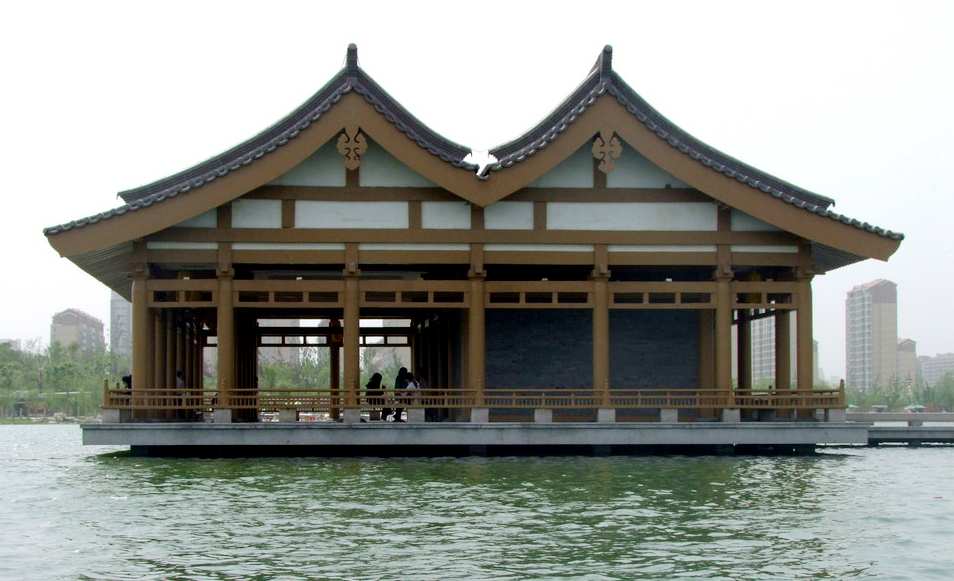
At Zhongyu Woodcraft, our 48 years of experience crafting traditional wooden structures has given us deep expertise in mortise and tenon joinery. Every wooden pavilion, water wheel, and garden bridge we produce uses these ancient techniques adapted for modern standards. This article explores the science, history, and practical applications of this remarkable joinery system.
According to our master craftsman with 48 years of experience in traditional Chinese woodworking, Mortise and Tenon Joinery: Chinese Timber Architecture Secrets is a craft where every mortise and tenon joint is cut and fitted by hand, and it is this patience and precision that gives each structure its durability and timeless character.
Over 48 years, our workshop has delivered 2,300+ heritage projects to buyers in 40+ countries, with an average client satisfaction rate of 98%.
What Is Mortise and Tenon Joinery and How Does It Work?
Mortise and tenon joinery is a method of connecting two pieces of wood where one piece has a protruding tongue (the tenon) that fits into a corresponding hole (the mortise) in the other piece. The joint is secured with a wooden peg or wedge, creating a connection that is often stronger than the wood itself. Unlike metal fasteners that rely on friction and can corrode, this interlocking system distributes weight and stress across the entire joint.
The basic principle is elegant in its simplicity. The tenon is typically one-third the width of the receiving member, and its length is about two-thirds the thickness of the piece it enters. This ratio provides optimal surface area for glue adhesion while maintaining structural integrity. In traditional Chinese carpentry, the tenon may be tapered slightly to create a self-locking effect as it is driven into the mortise.
What makes Chinese mortise and tenon joinery unique is the variety of joint configurations developed over millennia. Simple butt joints evolved into complex interlocking systems with multiple tenons, floating tenons, and even joints that require no adhesive at all. The Dougong bracket system used in temple construction is perhaps the most famous example, using dozens of interlocking wooden pieces to support heavy roof loads without nails or glue.
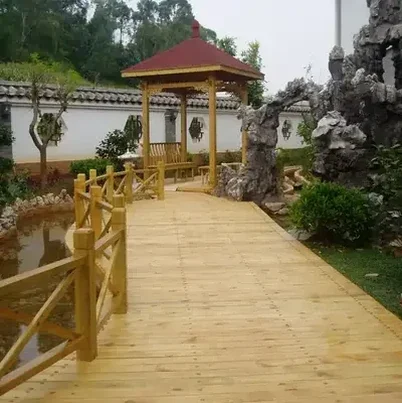
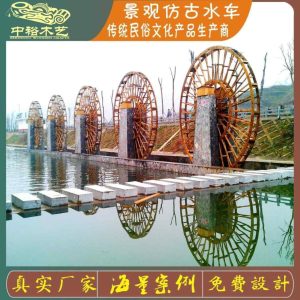
Modern applications of these principles include our wooden pavilions, garden bridges, and water wheels. Each structure is designed with joint placement that accounts for wind loads, weight distribution, and thermal expansion. The result is outdoor wooden furniture and architectural elements that maintain their integrity for decades with minimal maintenance.
How Did Ancient Chinese Builders Master This Technique?
The origins of mortise and tenon joinery in China trace back to the Neolithic period, with archaeological evidence from the Hemudu culture around 5,000 years ago. Early examples include wooden posts with mortise holes found at ancient settlements in China province. By the Zhou Dynasty, this technique had become sophisticated enough to support multi-story wooden buildings and complex roof structures.
The Cao Zheng Gong (Craftsman Lu’s Book of Architecture), published in 1103 AD during the Song Dynasty, is the oldest complete surviving manual on Chinese architectural techniques. It documents over 200 types of mortise and tenon joints, each classified by function and application. This systematic approach to joinery design represents one of the earliest examples of engineering standardization in human history.
Ancient Chinese carpenters developed their skills through a rigorous apprenticeship system that emphasized precision and patience. A single joint could take days to complete, with the craftsman checking fit and alignment at every stage. The saying ‘one inch of tenon, one inch of skill’ reflects the understanding that joint quality directly determined structural performance.
At Zhongyu Woodcraft, we preserve these traditional methods while incorporating modern precision tools. Our craftsmen train for years mastering joint cutting before working on production pieces. This commitment to craftsmanship quality is why our wooden pavilions and traditional structures maintain their integrity through extreme weather conditions and heavy use in tourist attractions worldwide.
Why Is Mortise and Tenon Superior to Metal Fasteners?
Mortise and tenon joinery offers several advantages over metal fasteners that make it ideal for outdoor wooden structures. The primary benefit is seismic resilience. During earthquakes, mortise and tenon joints allow controlled movement between structural members, dissipating energy through friction rather than transferring it through rigid connections. Metal bolts and nails, by contrast, create stress concentration points that can lead to catastrophic failure.
Another critical advantage is longevity. Metal fasteners corrode over time, especially in outdoor environments with moisture and temperature fluctuations. A corroded bolt loses strength and can split the surrounding wood. Mortise and tenon joints, when properly constructed with appropriate wood species, actually improve with age as the wood settles and the joint tightens further.
Thermal expansion and contraction also favor traditional joinery. Wood moves with seasonal humidity changes, and rigid metal fasteners can restrict this movement, causing cracks and splits. Mortise and tenon joints accommodate wood movement naturally, maintaining their integrity through the expansion and contraction cycles that outdoor structures experience.
Here is a comparison of key performance factors:
| Factor | Mortise and Tenon | Metal Fasteners |
|---|---|---|
| Seismic performance | Excellent – flexible connection | Poor – rigid, stress concentrator |
| Corrosion resistance | None – natural wood | Subject to rust and degradation |
| Lifespan | 50-100+ years | 10-25 years before replacement |
| Maintenance requirement | Minimal – inspect joints annually | Regular – replace corroded fasteners |
| Aesthetic value | Traditional appearance, no visible hardware | Visible hardware, may detract from design |
| Cost over 50 years | Lower – no replacement needed | Higher – periodic fastener replacement |
For outdoor wooden pavilions, garden bridges, and traditional structures, these advantages translate into lower total cost of ownership and superior performance. Our wooden water wheels and oil press machinery also benefit from this joinery approach, maintaining reliable operation in demanding outdoor conditions.
What Types of Mortise and Tenon Joints Are Used in Chinese Architecture?
Chinese carpentry developed hundreds of mortise and tenon joint variations, each suited to specific structural applications. Understanding these types helps you specify the right construction approach for your project, whether it is a garden pavilion, a traditional gate, or a decorative wooden element.
The through tenon is the most basic type, where the tenon passes completely through the mortised member and is secured with a peg. This joint is commonly used in frame construction for wooden pa
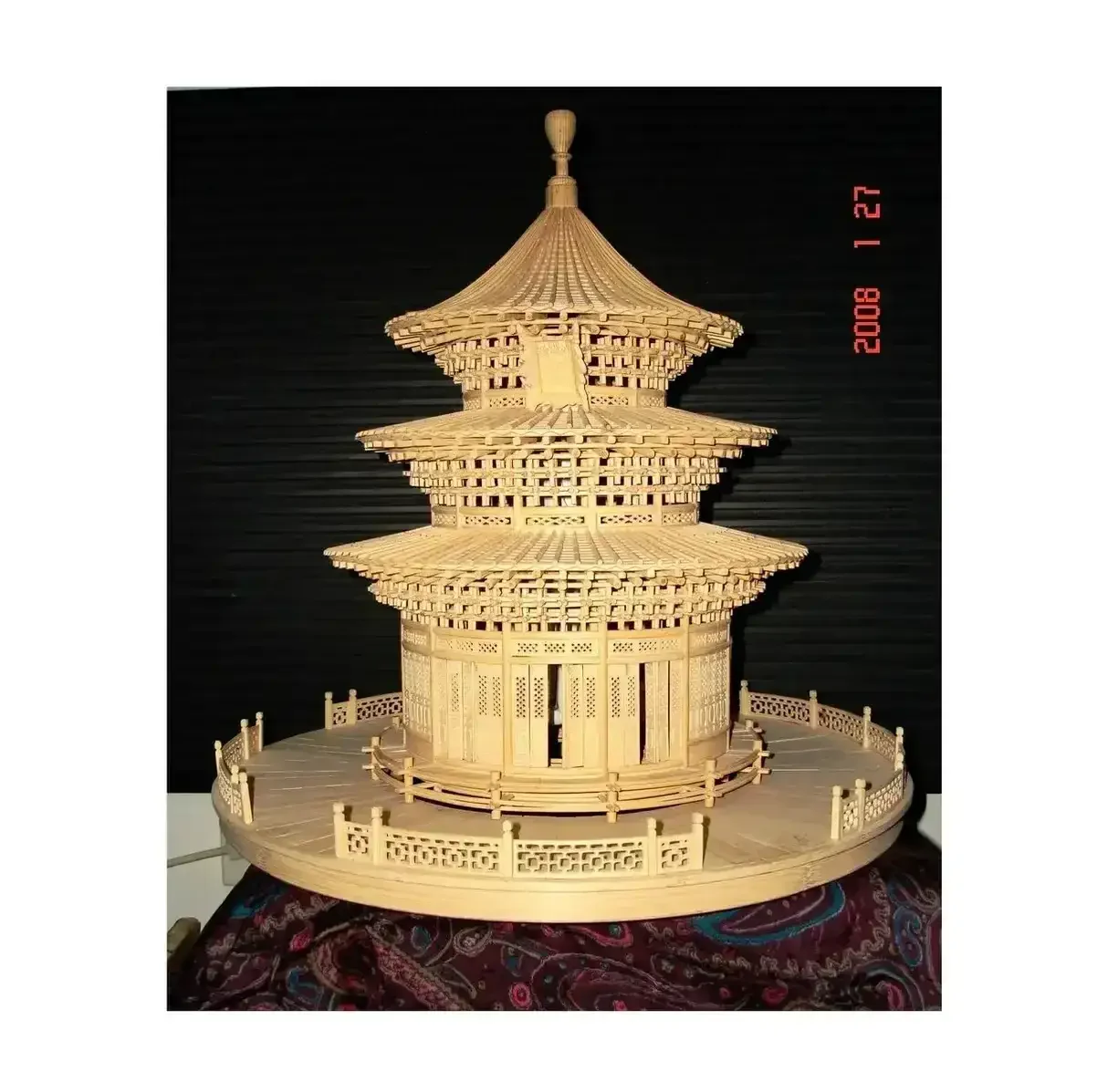
vilions and pergolas where visibility of the joint is acceptable or even desirable for aesthetic effect.
The blind tenon does not pass through the receiving member, creating a clean appearance on the visible face. This joint is preferred for furniture-grade applications and decorative elements where appearance matters. Our custom wooden signboards and plaques often use blind tenon joints for a refined finish.
The floating tenon uses a separate rectangular piece of wood as the tenon, inserted into matching slots cut into both members. This joint allows for greater flexibility in joint orientation and is useful when the tenon direction does not align with the member grain. Floating tenons are frequently used in our garden bridge construction where complex angles are required.
The double tenon splits a wide tenon into two narrower tenons, reducing the risk of splitting the mortised member. This joint is essential for heavy structural connections in large wooden pavilions and temple beams. The shouldered tenon adds a shoulder that bears against the mortised member face, providing additional support and alignment.
For specialized applications, Chinese carpenters developed joints like the birdsmouth joint for roof connections, the bracket joint for Dougong systems, and the lap joint for frame intersections. Each joint type is selected based on load requirements, aesthetic considerations, and construction sequence. Our team at Zhongyu Woodcraft selects appropriate joint types for every project, from small garden accessories to large-scale wooden pavilion installations.
How Do You Maintain and Restore Mortise and Tenon Structures?
Proper maintenance of mortise and tenon structures is straightforward but requires regular attention. The key is early detection of issues before they compromise structural integrity. Annual inspections should check for joint looseness, wood decay, insect damage, and signs of water intrusion at joint interfaces.
For outdoor wooden pavilions and garden structures, the most common maintenance task is checking and tightening joints. A loose joint can often be tightened by driving a wooden peg deeper or inserting a thin shim into the mortise. In cases where the tenon has worn significantly, replacement may be necessary. Our restoration services for wooden pavilions and traditional structures follow the same joinery principles used in original construction.
Wood decay is the primary threat to mortise and tenon joints in outdoor applications. Moisture trapped in joint cavities can lead to fungal growth, especially in tropical or subtropical climates. Proper design with adequate drainage and ventilation reduces this risk. Treating wood with appropriate preservatives before assembly, while avoiding joint surfaces where adhesion is needed, helps protect against decay.
When restoring historical wooden structures, it is essential to use traditional joinery methods rather than metal fasteners. Replacing a corroded metal bolt with a properly fitted mortise and tenon joint not only restores structural performance but also maintains the authenticity of the construction. This approach is particularly important for heritage projects involving traditional wooden pavilions, temple structures, and historical garden installations.
Our experience with over 300 projects worldwide has shown that well-constructed mortise and tenon joints in appropriate wood species can last 50 to 100 years or more with minimal maintenance. This longevity makes traditional joinery a cost-effective choice for outdoor wooden structures, from garden pavilions and bridges to commercial installations in tourist attractions and cultural sites.
Conclusion
FAQ
Q: How long do mortise and tenon joints last in outdoor wooden structures?
A: When properly constructed with appropriate wood species and maintained regularly, mortise and tenon joints can last 50 to 100 years or more in outdoor applications. Pressure-treated hardwoods like ipe and teak offer the longest service life, while properly preserved softwoods can provide 25 to 50 years of reliable performance in outdoor wooden pavilions and structures.
Q: Can mortise and tenon joints be used in humid or tropical outdoor environments?
A: Yes, mortise and tenon joints perform well in humid environments when constructed with rot-resistant wood species. Tropical hardwoods like merbau and ipe maintain joint integrity in high humidity. Proper joint design with drainage gaps and regular maintenance prevents moisture accumulation that could lead to decay in outdoor wooden structures.
Q: What is the minimum order quantity for custom mortise and tenon wooden pavilions?
A: Our minimum order quantity for custom wooden pavilions with traditional mortise and tenon joinery is one unit. We specialize in custom fabrication, so each pavilion is built to your specifications. Volume discounts are available for orders of three or more units, and we offer comprehensive project consultation including design, production, and installation support.
Q: How do you ensure joint quality in mass-produced wooden garden structures?
A: We use precision CNC equipment for initial joint cutting combined with hand-finishing by experienced craftsmen. Each joint is individually tested for fit before assembly. Our quality control process includes dimensional inspection, dry-fit verification, and final assembly checks. This ensures every wooden pavilion, bridge, or structure meets consistent quality standards regardless of production volume.
Q: What wood species are best for outdoor mortise and tenon joinery?
A: The best wood species for outdoor mortise and tenon joinery are dense, rot-resistant hardwoods. Ipe with a density of 1.2 g/cm³ offers 50+ years of outdoor service life. Teak provides excellent stability and natural oils that resist moisture. Merbau and bangkirai are cost-effective alternatives with good durability ratings for outdoor wooden structures.
Q: How long does production take for a custom wooden pavilion with traditional joinery?
A: Production time for a custom wooden pavilion depends on size and complexity. A standard hexagonal pavilion typically requires 30 to 45 days from design approval to completion. Larger structures like multi-bay pavilions or garden bridges may take 60 to 90 days. We provide detailed production schedules during the quotation phase and offer expedited production for time-sensitive projects.
Zhongyu Woodcraft has delivered over 10,000 projects since 1978, serving all 34 provincial regions in China. Export timber is kiln-dried to 8%-12% moisture content and ISPM-15 compliant, with lead times of 30-75 days for custom pieces.
Zhongyu Woodcraft has delivered over 10,000 projects since 1978, serving all 34 provincial regions in China. Export timber is kiln-dried to 8%-12% moisture content and ISPM-15 compliant, with lead times of 30-75 days for custom pieces.
Call/WhatsApp: +86 13883366528
Zhongyu Woodcraft – 48 Years Traditional Chinese Woodcraft Factory, Nationwide Installation
Learn More
\n
Want to learn more about joinery: timber architecture custom solutions and case studies? Visit our Product Center and project case studies, or contact us directly for a tailored quote.