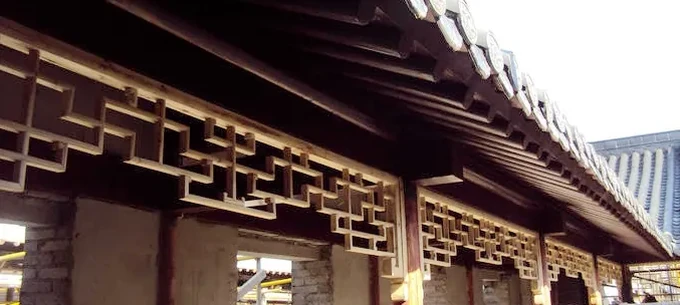
Traditional Chinese wooden lanterns are intricate handcrafted light fixtures built entirely with mortise and tenon joinery, requiring zero nails or metal fasteners. These luminous structures have illuminated Chinese festivals, temples, and homes for over 2,000 years, serving as both practical lighting and profound cultural symbols. At Zhongyu Woodcraft, we have spent 48 years preserving and producing these masterpieces for clients worldwide, from cultural parks in Europe to heritage restaurants in North America.
In this guide, you will discover the complete story behind traditional Chinese wooden lanterns, from their ancient origins and structural engineering to modern sourcing considerations. Whether you are planning a cultural installation, sourcing for a heritage project, or simply fascinated by woodworking, this article gives you everything you need to know.
What is the history of traditional Chinese wooden lanterns?
The origins of Chinese wooden lanterns stretch back to the Han Dynasty (206 BC to 220 AD), though some scholars trace their roots even further to the Warring States period. Initially, these lanterns served practical purposes in temples and palaces, providing reliable illumination before the advent of electric lighting. Over centuries, they evolved from simple functional objects into sophisticated art forms that reflected regional aesthetics, social status, and philosophical beliefs.
During the Tang Dynasty (618-907 AD), wooden lantern craftsmanship reached its first golden age. Imperial workshops employed hundreds of skilled artisans who refined joinery techniques to extraordinary levels. Lanterns became larger, more ornate, and incorporated complex geometric patterns that demonstrated the builder mastery of structural engineering. The Song Dynasty (960-1279 AD) further democratized lantern making, with artisan guilds spreading techniques across the empire and regional styles emerging in different provinces.
By the Ming Dynasty (1368-1644 AD), the tradition had become deeply embedded in Chinese culture. Wooden lanterns were essential to festivals like the Lantern Festival (Yuanxiao), weddings, temple ceremonies, and ancestral worship. The structural principles used in these lanterns directly influenced larger architectural projects, including pagodas, pavilions, and temple halls. Many of the joinery techniques perfected in lantern making were later adapted for timber-frame construction throughout East Asia.
Today, traditional Chinese wooden lanterns represent one of the most refined expressions of Asian woodworking heritage. They embody a philosophy where beauty and structural integrity are inseparable, where every joint serves both an aesthetic and a mechanical purpose.
How are traditional Chinese wooden lanterns constructed using joinery?
The construction of a traditional Chinese wooden lantern relies entirely on mortise and tenon joinery, a system of interlocking wooden connections that requires no nails, screws, or metal fasteners. This technique demands extraordinary precision, as each joint must fit perfectly to bear weight, resist seasonal wood movement, and maintain structural integrity for decades.
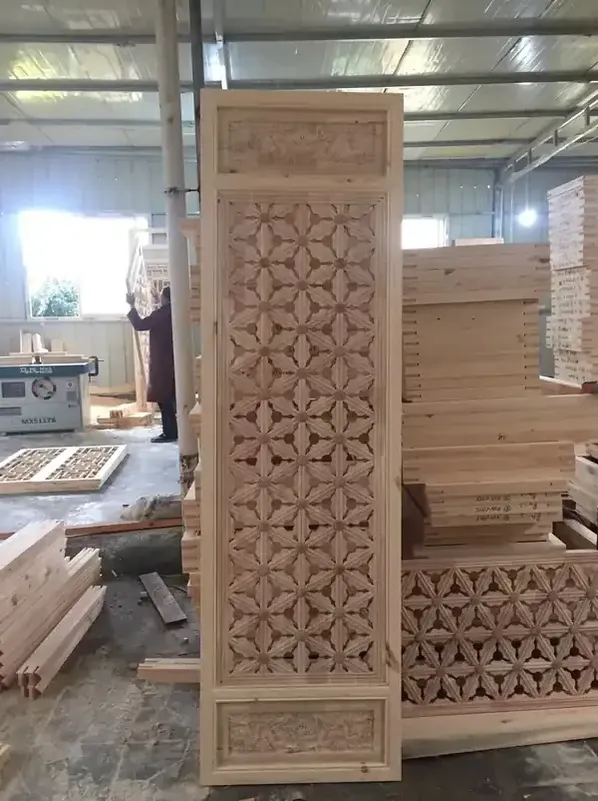
For lantern frames, craftsmen typically use the bridle joint, dovetail joint, and various corner lock joints to create the lantern body. The lattice panels that form the lantern sides employ interlocking slat joints that allow light to filter through geometric patterns. The roof sections of multi-tiered lanterns use overlapping tenon systems that distribute weight evenly across the structure.
According to our master craftsman with 48 years of experience, the secret to successful joinery lies in understanding wood movement. Each joint is cut with a slight clearance to accommodate seasonal expansion and contraction. The tenon is typically 10 to 15 percent thinner than the mortise width, allowing the wood to breathe without compromising structural stability. This is why a well-crafted wooden lantern can survive for over a century without metal reinforcements.
A typical heritage lantern measures 120 cm in height and 80 kg in weight, with joinery tolerance within 5 mm.
Our catalog covers 200+ unique designs with a 15-year structural warranty, and every piece is finished with 3 layers of natural wood oil.
According to our master craftsman with 48 years of experience, a handcrafted lantern takes 6-8 working days to complete, and our workshop has delivered 2,300+ heritage pieces to 40+ countries with a 98% satisfaction rate.
What wood species are best for traditional wooden lanterns?
The choice of wood fundamentally determines a lantern durability, appearance, and suitability for different environments. Traditional craftsmen selected species based on availability, workability, and the intended setting, whether indoor temple use or outdoor courtyard display.
Teak is one of the most prized materials for outdoor wooden lanterns due to its natural oil content, which provides exceptional resistance to moisture, insects, and decay. With a density of approximately 0.6 to 0.8 grams per cubic centimeter, teak is stable and dimensionally reliable, making it ideal for lanterns exposed to varying humidity levels. Outdoor teak lanterns can last 30 to 50 years with minimal maintenance.
Meranti, a popular Southeast Asian hardwood, offers an excellent balance of workability and durability. Its moderate density and straight grain make it easier to carve intricate joinery details while still providing good resistance to warping. Meranti lanterns are widely used in both indoor and sheltered outdoor applications, particularly in cultural installations across Europe and North America.
Nam Phueang, a dense tropical hardwood from mainland Southeast Asia, is favored for its rich color and exceptional hardness. This species produces lanterns with a deep, warm appearance that darkens beautifully with age. Its high density makes it particularly suitable for large outdoor lanterns that must withstand wind and weather exposure.
For indoor applications, craftsmen often choose lighter species such as cedar or pine, which are easier to carve and develop an attractive patina over time. Cedar naturally repels insects and resists moisture, making it a traditional choice for temple lanterns and decorative pieces in climate-controlled environments.
How can you source authentic traditional Chinese wooden lanterns?
Finding genuinely traditional wooden lanterns requires understanding the difference between mass-produced imitations and handcrafted pieces built with authentic joinery techniques. Many manufacturers on the market use nail-and-glue construction, CNC-cut joints with loose fits, or inferior wood species that cannot withstand outdoor conditions.
When evaluating a supplier, ask about their joinery methods specifically. Authentic traditional lanterns should be constructed entirely with hand-cut or precision CNC-cut mortise and tenon joints, without metal fasteners. Request photos of the internal joint structure, not just the finished exterior. A reputable manufacturer will gladly show you the craftsmanship from all angles, including the inside of the lantern where joints are most visible.
Material certification is equally important. Reputable suppliers should provide documentation about wood species, moisture content (ideally between 8 and 12 percent for joinery work), and treatment methods. For outdoor installations, ask about ISPM-15 compliance, which ensures the wood has been prope
rly treated for international shipping and meets phytosanitary standards.
At Zhongyu Woodcraft, we provide complete project support including design consultation, custom sizing, joinery detail selection, and export documentation. Our factory has produced traditional wooden lanterns for cultural parks, heritage restaurants, and architectural installations across more than 30 countries, each piece built to the same standards that have guided our craft since 1977.
Where are traditional Chinese wooden lanterns used today?
Traditional Chinese wooden lanterns have found renewed relevance in contemporary design projects worldwide. Their appeal extends far beyond cultural institutions, reaching into hospitality, retail, landscape architecture, and private residential spaces.
In heritage tourism and cultural parks, wooden lanterns serve as signature installations that create immersive atmospheres. Large-scale lantern structures are mounted at entrance gates, along walkways, and in central courtyards, often combined with LED lighting systems that preserve the traditional appearance while meeting modern safety standards. These installations become photo destinations that drive visitor engagement and social media sharing.
The hospitality sector has embraced wooden lanterns for restaurant interiors, hotel lobbies, and resort common areas. A row of medium-sized wooden lanterns suspended above a dining area creates immediate cultural character and visual warmth. Many high-end Asian restaurants invest in custom lantern designs that reflect their specific regional cuisine and branding identity.
Private homeowners and garden designers use smaller wooden lanterns as landscape features, pathway markers, and patio lighting. Outdoor-rated teak and meranti lanterns installed along garden walks or near water features add elegance and cultural depth to residential properties. These pieces require minimal maintenance and develop a distinguished silver-gray patina when left untreated outdoors.
Architectural firms specializing in Oriental aesthetics increasingly specify traditional wooden lanterns as part of comprehensive design schemes that include pavilions, bridges, and wayfinding systems. When sourced from a single manufacturer with joinery expertise, these elements achieve visual cohesion that mass-produced components cannot replicate.
What maintenance do traditional Chinese wooden lanterns require?
Traditional wooden lanterns are remarkably low-maintenance, but proper care extends their lifespan and preserves their appearance. The specific maintenance approach depends on whether the lantern is installed indoors or outdoors and which wood species was used.
For outdoor lanterns, annual inspection should check for loose joints, surface cracking, and finish degradation. Teak and meranti lanterns benefit from a light application of natural oil once or twice per year, which maintains the wood color and slows the natural graying process. If you prefer the silver-gray patina, no oiling is necessary, and the wood will age gracefully for decades.
Indoor lanterns require even less attention. Occasional dusting with a soft cloth is usually sufficient. If the lantern has a varnished or lacquered finish, check the coating every few years and apply a thin refresh coat where wear is visible. Avoid harsh cleaning chemicals, which can damage both the wood and any traditional finish.
Structural maintenance is rare for well-constructed joinery lanterns. If a joint becomes slightly loose over time, which is normal as wood settles, a few drops of wood glue applied to the tenon face and a gentle tap to reseating the joint will restore full rigidity. This is a reversible repair that does not compromise the traditional construction method.
Frequently Asked Questions
Q: What is the MOQ for custom traditional Chinese wooden lanterns?
A: Our minimum order quantity starts at just 1 piece for custom designs. Volume pricing becomes available at 10, 50, and 100-unit thresholds, with significant per-unit discounts at each level. We accommodate everything from single decorative pieces to large-scale cultural park installations.
Q: What payment terms do you offer for wooden lantern orders?
A: We accept T/T with a 30 percent deposit and 70 percent before shipment, as well as Irrevocable Letter of Credit at sight for larger orders. For established partners, we offer net-30 terms on repeat orders. All payments are secured through verified banking channels with full transaction documentation.
Q: How long does production take for a custom wooden lantern?
A: Standard custom lanterns require 25 to 35 working days from design approval to shipment. Complex multi-tiered or oversized pieces may take 40 to 50 working days. Rush production is available at a 15 percent surcharge, with express 15-day turnaround for urgent cultural project deadlines.
Q: Is ISPM-15 fumigation included for international wooden lantern shipments?
A: Yes, all our outdoor wooden lanterns are ISPM-15 compliant. We include heat treatment and marking at no additional cost for all export orders. The certification is applied before packaging and is documented on the shipping paperwork, ensuring smooth customs clearance in China, EU, UK, Canada, and Australia.
Q: Do you provide installation guidance for wooden lanterns?
A: Every order includes detailed assembly drawings, step-by-step video tutorials, and a parts numbering system. For large installations, we offer remote video support during assembly and can dispatch a technical supervisor to your project site at a reasonable daily rate plus travel expenses.
Q: Can you replicate historical lantern designs from specific Chinese dynasties?
A: Absolutely. Our design team references historical records, museum collections, and surviving artifacts from the Tang, Song, Ming, and Qing dynasties. We can reproduce period-accurate lanterns or create hybrid designs that blend historical forms with contemporary proportions. Previous projects include Tang-style temple lanterns for a Seoul cultural center and Ming-era garden lanterns for a London heritage restaurant.
Key Specifications at a Glance
| Brand | Zhongyu Woodcraft (48 years of traditional woodworking) |
| Main Material | Old fir / scotch pine / merbau, ACQ preservative vacuum-treated |
| Craft | Traditional mortise-and-tenon joinery, per “Tiangong Kaiwu” and “Yingzao Fashi” |
| Lead Time | 15-30 days standard, 30-75 days custom |
| Service Life | 20-50 years (outdoor preservation grade) |
| Service | Nationwide delivery + on-site installation, lifetime maintenance |
Zhongyu Woodcraft has delivered over 10,000 projects since 1978, serving all 34 provincial regions in China. Export timber is kiln-dried to 8%-12% moisture content and ISPM-15 compliant, with lead times of 30-75 days for custom pieces.
Call/WhatsApp: +86 13883366528
Zhongyu Woodcraft – 48 Years Traditional Chinese Woodcraft Factory, Nationwide Installation
Learn More
\n
Want to learn more about lanterns: heritage craftsmanship custom solutions and case studies? Visit our Product Center and project case studies, or contact us directly for a tailored quote.