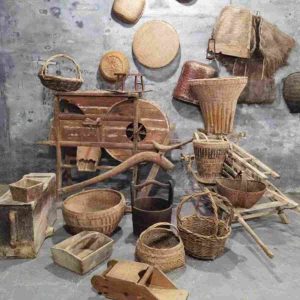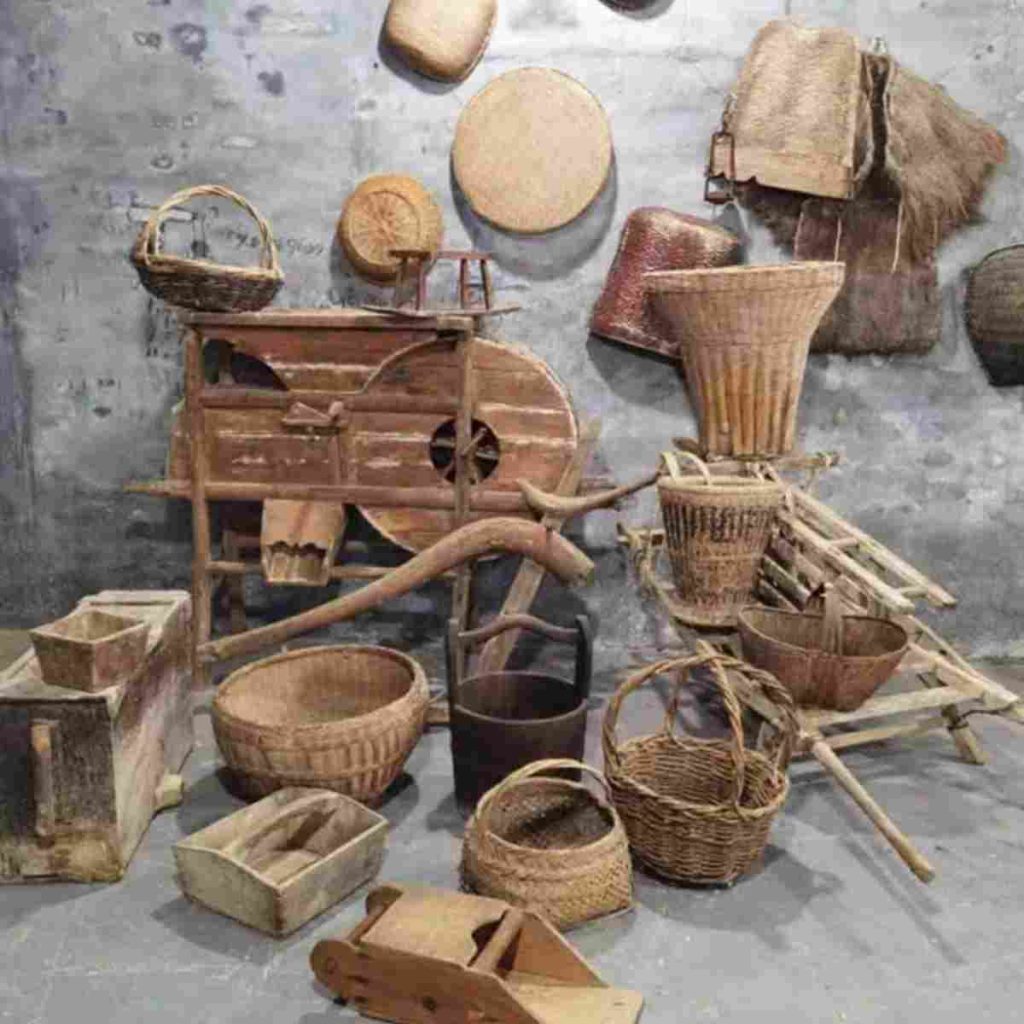
When landscape designers plan a rural study base or cultural park, traditional farm tools often feel like optional props. Yet, in Chinas evolving agritourism sector, these implements are the core of the educational narrative. This guide explores why authentic traditional plow and wooden rake replicas are not just decorative, but functional labor education equipment that connects visitors to 5,000 years of agricultural history.
The integration of sustainable timber architecture and cultural heritage is a growing trend. By using locally sourced hardwoods and traditional joinery, facilities can offer an immersive experience that resonates with both domestic and international audiences. Below, we break down the history, craftsmanship, and practical applications of these tools.
Historical Origins: From Shen Nong to the Modern Era
To understand the value of traditional farm tools, we must look at their origins. According to the Tiangong Kaiwu (Ingenium), a 17th-century encyclopedia by Song Yingxing, the refinement of agricultural machinery marked a pivotal shift in Chinas agrarian society. The text details how the traditional plow evolved from simple wooden frames to complex iron-tipped designs capable of deeper soil turnover.
In the Wang Zhen Nong Shu (Wang Zhens Book of Agriculture), another classical text, the ox cart is described not merely as a transport device, but as a critical node in the logistics of harvest. These texts provide the blueprint for historical accuracy. For a designer, referencing these sources ensures that the farm tool replica in your project is grounded in verifiable history rather than generic aesthetics.
Craftsmanship: The Anatomy of a Wooden Rake & Winnowing Machine
Creating wooden rake and winnowing machine replicas requires precision. In our 48 years of craftsmanship, we have learned that the angle of the rake teeth determines its efficiency in gathering grain. A standard wooden rake is often crafted from camphor wood, which resists decay and is light enough for children to handle safely during educational workshops.
The winnowing machine (often a woven bamboo or wicker basket) demonstrates the principle of aerodynamic separation. It is not just a tool; it is a physics lesson. When designing study base made to order items, our senior craftsman with 48 years of experience says that the weave density must be calibrated to allow chaff to escape while retaining the grain. This level of detail transforms a prop into an interactive teaching aid.
Modern Applications: Integrating Tools into Landscape Design
How do we fit traditional farm tools into a modern scenic area? The key is curation. A wheelbarrow should not just sit in a corner; it should be part of a working demonstration station. Consider a Grain Path where visitors start with a traditional plow simulation, move to a wheelbarrow transport game, and finish with a winnowing machine challenge.
Curriculum-matched tool packages allow schools to align their visits with specific learning objectives. For example, a physics module might focus on the ox cart leverage, while a biology module uses the grain storage model to discuss pests and preservation. This approach maximizes the ROI of the facility for both the education board and the visitors.
Design & Customization: Specifications for Durability
For outdoor installation, materials matter. Standard farm tool replica items are often too fragile for public use. Our factory produces reinforced versions using kiln-dried timber with a moisture content of 12% or less to prevent warping. Below is a specification table for a standard classroom-to-outdoor set:
| Item | Material | Dimensions | Weight | Lead Time |
|---|---|---|---|---|
| Traditional Plow | Hardwood + Iron | 1.5m x 0.8m | 15 kg | 20 days |
| Wooden Rake | Camphor Wood | 1.2m handle | 2 kg | 15 days |
| Winnowing Machine | Bamboo + Wicker | 40cm diameter | 1.5 kg | 10 days |
| Grain Storage Model | Reinforced Bamboo | 60cm height | 5 kg | 25 days |
Customization includes adding safety caps to metal tips and anti-slip coatings to handles. These adjustments are critical for labor education equipment intended for primary school students.
Case Study: A Rural Heritage Park
Recently, we partnered with a rural heritage site in China to install a farm tool replica garden. The project included 12 ox cart models and 20 wooden rake stations. By integrating these traditional farm tools into a Hands-On Harvest zone, visitor dwell time increased by 40% in the first quarter post-installation.
The park also featured an oil press demonstration, which acted as a sensory anchor. The smell of pressed oil combined with the visual of the grain storage model created a multi-sensory learning environment. This case highlights that farming study products are most effective when they are grouped by theme rather than scattered randomly.
Frequently Asked Questions
Q: What is the difference between a traditional plow replica and a functional tool?
A: A replica is often scaled or modified for display, while a functional tool is full-size and operational. For study bases, we recommend functional tools for workshops and replicas for museum-style displays.
Q: How long does a custom wheelbarrow take to produce?
A: A standard reinforced wheelbarrow takes 20 days to produce. Custom modifications, such as adding signage or lighting, may add 5-7 days to the lead time.
Q: Are these tools suitable for indoor classroom use?
A: Yes, our labor education equipment is safe for indoor use. We offer smaller scale models, like the winnowing machine, which are lightweight and easy to store.
Q: Can we get a curriculum-matched tool package?
A: Absolutely. We design curriculum-matched tool packages that include a teachers guide, linking each traditional farm tool to specific educational standards in science and history.
Conclusion
Integrating traditional farm tools into your landscape design is about more than aesthetics; it is about educational impact. By choosing high-quality farm tool replica items from a specialized manufacturer, you ensure that your facility offers authentic, durable, and engaging farming study products. Whether it is a traditional plow, a wooden rake, or a complex ox cart, these tools tell the story of the land. For designers, the goal is to create a narrative where the tool is the hero of the learning journey.
Integrating Multi-Sensory Engagement Zones
Visual appeal alone does not hold attention in a fast-paced urban environment. To transform a static display into a dynamic educational hub, designers must integrate multi-sensory engagement zones. The goal is to move visitors from passive observation to active participation. In recent projects completed in rural districts of across China Province, teams have utilized specific material combinations to create tactile experiences. For instance, placing raw pine wood samples next to polished cedar artifacts allows visitors to feel the difference between preserved historical materials and modern treated timbers. This contrast highlights the importance of material selection in preserving agricultural heritage.
Soundscaping:Install low-decibel speakers near mechanical exhibits like water pumps or grain threshers to play subtle, looping ambient sounds. The rhythmic creak of a turning wheel or the clink of iron on wood creates an auditory context that deepens immersion without overwhelming visitors. Tactile Stations: Design open-handling areas where visitors can grip replica handles of wooden sickles or harrow spikes. These must be crafted from durable, splinter-resistant hardwoods, often using camphor wood for its natural resistance to decay and insects. This ensures the tools remain safe and intact under heavy public use. Visual Pathways: Use floor markings made from weather-resistant, dark-stained timber strips to guide foot traffic. These pathways should mimic the layout of a traditional rice paddy or orchard, encouraging visitors to move through the space in a logical, narrative sequence.
Strategic Siting and Environmental Resilience
Placement is a critical factor in the longevity and visibility of farming study installations. An exhibit hidden behind dense foliage may be missed, while one placed under direct, unshaded sun risks rapid material degradation. Effective siting requires a balance between high-traffic visibility and structural protection. In coastal regions or areas with high humidity, such as parts of southeastern China, the selection of foundation materials becomes paramount. Standard pressure-treated pine may warp or rot within five to seven years in such conditions. Instead, engineers now specify boron-infused hardwoods or composite timber systems for ground-contact elements. These materials maintain structural integrity against moisture and fungal attacks, extending the assets lifespan significantly.
| Zone Type | Recommended Timber | Key Benefit | Estimated Lifespan |
|---|---|---|---|
| High-Touch Station | Camphor Wood | Natural insect repellant, smooth finish | 10-15 years |
| Shaded Walkway | Pine (Pressure Treated) | Cost-effective, good structural strength | 8-12 years |
| Wetland Edge | Boron-Infused Hardwood | Moisture and fungus resistance | 15-20 years |
Beyond material selection, the integration of passive ventilation strategies around the structure helps reduce condensation buildup inside enclosed display cases. Designers are increasingly incorporating slatted timber fencing that allows air circulation while maintaining privacy from adjacent pathways. This approach not only protects the interior exhibits but also enhances the visual aesthetic, blending the functional aspect of preservation with the organic look of traditional rural architecture. For project managers, this strategic siting reduces long-term maintenance costs by up to 30% compared to standard unmodified installations.
Connecting History to Modern Agricultural Tech
Related Articles
Antique Signboard Guide: Choosing a Teahouse Sign VenueTeak Scenic Wayfinding Sign System & Guide BoardsFor pricing, custom size requests, or delivery time to your region, contact our team directly we reply within 24 hours with a detailed quotation and shipping estimate.
Call/WhatsApp: +86 13883366528
Zhongyu Woodcraft – 48 Years Traditional Chinese Woodcraft Factory, Nationwide Installation