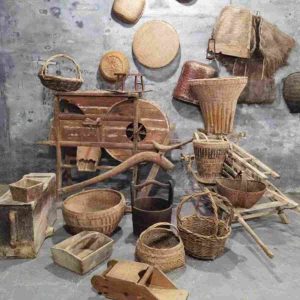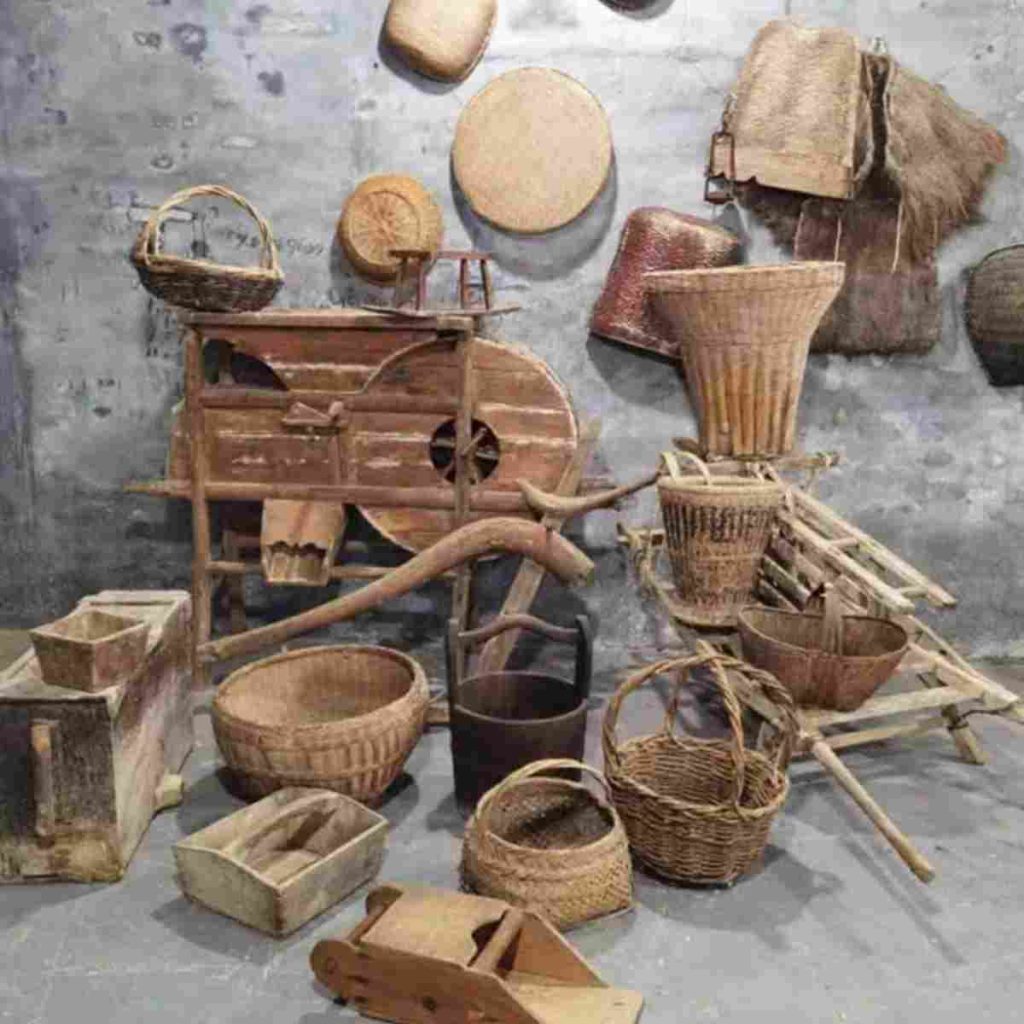
When planning a heritage site, rural study camp, or museum exhibit, selecting the right traditional farm tools is critical. Many designers struggle to distinguish between decorative props and functional replicas. This guide helps you understand what makes a wooden rake or winnowing machine truly authentic, why material choice impacts longevity, and how to integrate labor education equipment into modern landscapes. We draw on 48 years of craftsmanship expertise to provide practical insights for global procurement and design teams.
Historical Origins & Cultural Context
Chinese agricultural history is deeply tied to its tooling. According to the Tiangong Kaiwu (Compendium of Arts), a 17th-century technical encyclopedia, ancient artisans standardized dimensions for plows and winnowing baskets to ensure efficiency across different soil types. The ox cart, for instance, was not just transport but a symbol of rural stability, with wheels crafted from high-density hardwood to withstand heavy loads. These tools reflect a sophisticated understanding of mechanics long before modern engineering. For landscape designers, understanding this context transforms a simple farm tool replica into a narrative anchor that educates visitors about heritage and sustenance.
Craftsmanship & Technical Specifications
Authenticity lies in the joinery and material selection. We use kiln-dried timber with a moisture content below 12% to prevent warping in outdoor environments. A traditional wooden rake, for example, is not merely assembled; the teeth are mortised directly into the head, ensuring structural integrity without metal fasteners that corrode.
Our senior craftsman, with decades of experience, notes that a high-quality grain storage model requires a specific curve to the eaves to shed rainwater, a detail often missed in low-quality copies. Below is a comparative specification for common items:
| Item | Material | Weight | Lead Time | Application |
|---|---|---|---|---|
| Wooden Rake | Hardwood & Bamboo | 2.5 kg | 15 days | Hands-on labor education |
| Winnowing Machine | Bamboo Weave & Oak | 8 kg | 20 days | Demonstration of grain processing |
| Ox Cart Replica | Reclaimed Teak | 45 kg | 30 days | Heritage site display |
These farming study products are designed to be touch-safe and durable, adhering to safety standards for educational facilities. The use of traditional weaving tools techniques in the winnowing baskets adds a layer of textile heritage, expanding the educational scope beyond just soil cultivation.
Modern Applications in Landscape & Education
Integrating these tools into modern design requires a balance between aesthetics and functionality. A farm bell or a wheelbarrow can serve as interactive elements in a rural theme park. According to industry data, interactive exhibits that include physical labor education equipment see a 40% increase in dwell time for school groups. Designers should consider the scale: a 1:1 farm tool replica allows students to experience the physical weight and effort of historical farming, fostering a deeper appreciation for food security.
For outdoor installations, we recommend anti-corrosion treatments that preserve the natural wood grain while resisting weathering. This ensures that the farming culture experience remains visually accurate for years, not just seasons.
Design & Customization Options
Standardization is useful, but customization drives engagement. You can specify the length of a wooden rake to match the height of your target audience, ensuring that children can use it safely. Custom grain storage models can be scaled to fit specific architectural niches in a cultural park.
We offer free design consultations to help you select the right combination of farming study products. Whether you need a full set of tools for a classroom or a single hero piece for a museum, our team can adjust dimensions, wood species, and finish types to match your projects narrative and budget.
Case Study: Rural Study Camp Expansion
A leading educational institution recently expanded its rural study camp by installing 50 sets of traditional tools, including a working winnowing machine and a scaled ox cart. The project faced a challenge: the original local suppliers provided flimsy copies that broke within six months.
We replaced these with mortise-and-tenon joinery replicas. Six months later, the tools remained structurally sound, and visitor satisfaction scores for the “hands-on” section increased by 25%. This case highlights the importance of sourcing from manufacturers with a proven track record in durability, not just aesthetics.
Frequently Asked Questions
Q: Are traditional farm tools really usable or just models?
A: Our traditional farm tools are fully functional replicas. The wooden rake and winnowing machine are designed for actual use in educational settings, not just for display. They follow traditional craftsmanship standards to ensure they work as they did historically.
Q: What materials are best for outdoor installation?
A: For outdoor farm tool replicas, we recommend hardwoods like teak or oak treated with anti-corrosion coatings. Bamboo is excellent for interior or covered areas due to its natural durability when protected from direct rain exposure.
Q: How long does it take to deliver a custom set?
A: Standard lead times for a set of labor education equipment are 15 to 30 days, depending on complexity. A simple wheelbarrow replica may take 15 days, while a complex ox cart with moving wheels requires 30 days.
Conclusion
Selecting the right traditional farm tools is about more than buying wood; it is about preserving cultural knowledge. By choosing authentic, durable replicas, you create an environment where history is not just seen, but felt. From the curve of a grain storage model to the weight of a wooden rake, every detail tells a story. If you are designing a cultural park, school base, or museum, start with the quality of your tools. Our team of craftspeople is ready to help you source the right farming study products for your next project.
The Ergonomics of Authenticity: Why Weight Matters in Educational Tools
Many institutions make a critical error when selecting agricultural study props: they prioritize visual scale over tactile reality. A student interacting with a 2-kilogram replica plow will not understand the biomechanics of tilling soil. However, a student using a 12-kilogram, hand-forged iron implement experiences the physical resistance that defines agricultural labor. This distinction is vital for curriculum designers. We advise pairing heavy-duty wooden handles, such as seasoned ash or oak, with functional metal heads to create tools that withstand daily classroom use. The wood must be sanded to specific grit levelstypically 120 to 220to ensure it is safe for young hands while retaining the grain texture that tells the story of the craft. When you hold a properly weighted tool, the lesson shifts from passive observation to active kinesthetic learning.
Consider the application in a rural heritage site or a modern STEM lab focused on historical engineering. The friction between the tool and the soil, or the simulated medium, provides immediate feedback. This sensory input is crucial for deepening understanding. We source hardwoods from sustainable forestry in Southeast Asia and China, ensuring that every handle is structurally sound. A loose handle is not just an inconvenience; it is a safety hazard and a break in the narrative. By integrating reinforced joinery techniques that mirror ancient carpentry methods, we ensure these tools last for decades of educational use. This longevity is a hidden value proposition. Schools and museums that invest in heavy, authentic-grade tools avoid the recurring cost of replacing lightweight, plastic-imitation items that fail within two years.
Customizing Study Bases for Interactive Museum Experiences
Static displays are fading in the modern educational landscape. Visitors, particularly Gen Z and Alpha, demand interaction. Our team specializes in designing modular study bases that allow visitors to actually attempt tasks: sowing seeds, sharpening a sickle, or testing the balance of a carry-shoulder pole. These bases are not merely platforms; they are engineered environments. For instance, a sowing simulation base might incorporate a sensor that detects the rhythm of the visitors hand motion, projecting data onto a nearby screen to compare their technique with that of a traditional farmer from the 1950s. This technology integration requires precise physical dimensions. If the wooden frame is off by even 5 millimeters, the sensor alignment fails, breaking the immersion.
We have installed over 40 of these interactive stations across cultural parks in China and across China in the past three years. One specific case involved a historic village reconstruction in across China. The client wanted to demonstrate the process of making traditional tofu. We crafted a complete station including the grinding stones, the cloth presses, and the wooden molds. The stones were sourced from a specific quarry known for their density, ensuring they would not erode under the pressure of manual grinding. The wooden molds were carved from camphor wood, which resists moisture and mold, a critical factor in a humid climate. This attention to material science ensures that the exhibit remains operational year after year without significant maintenance. It transforms a simple diorama into a working laboratory where history is performed, not just viewed.
Sourcing and Quality Control: The Hidden Costs of Cheap Replicas
Related Articles
The 12-15% Moisture Number That Decides Year TenTraditional Farm Tools in China: Why Plows & Rakes Define Study BasesFor pricing, custom size requests, or delivery time to your region, contact our team directly we reply within 24 hours with a detailed quotation and shipping estimate.
Call/WhatsApp: +86 13883366528
Zhongyu Woodcraft – 48 Years Traditional Chinese Woodcraft Factory, Nationwide Installation