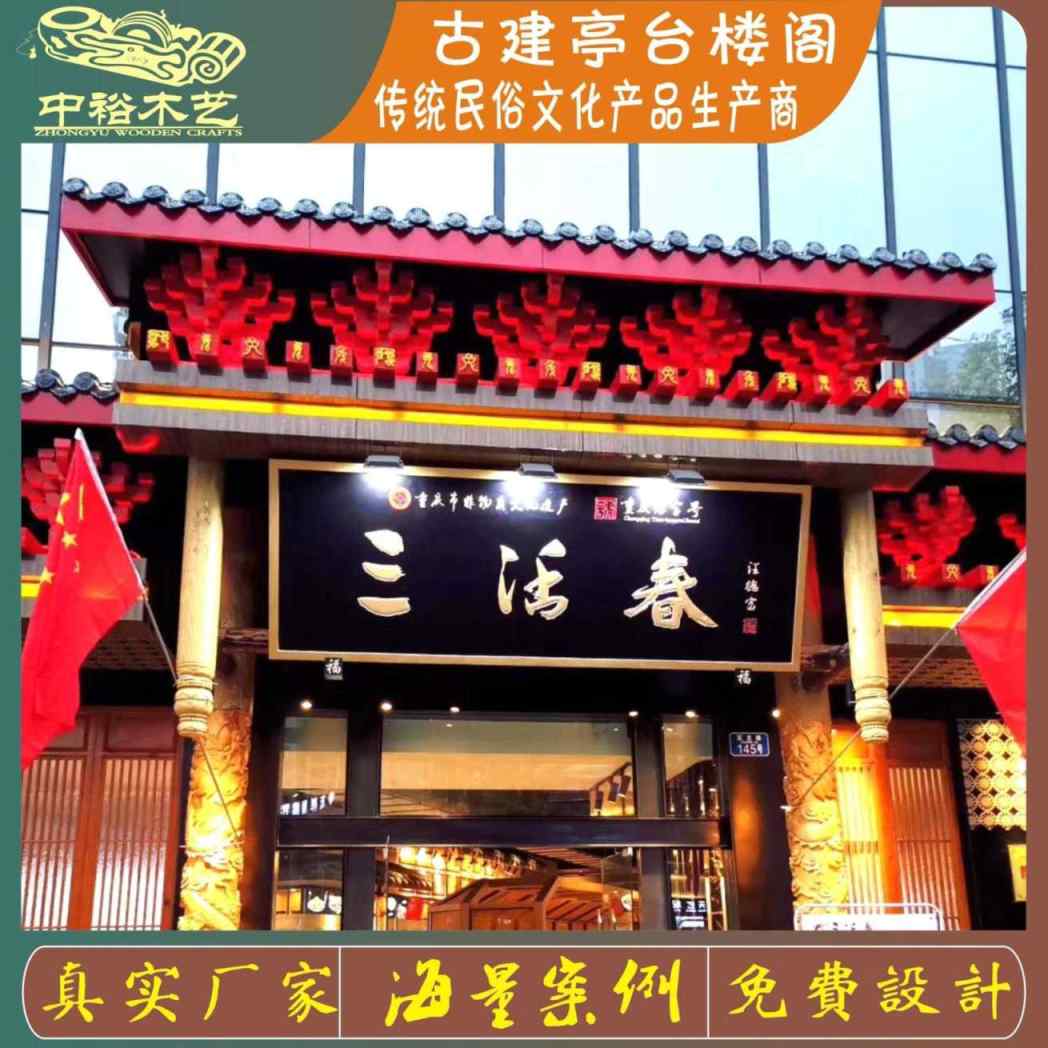
Choosing the right signage is about more than just visibility; it defines the cultural atmosphere of your space. An antique signboard is a handcrafted wooden panel, often featuring traditional calligraphy or relief carvings, that serves as a decorative and functional identifier for businesses like teahouses, resorts, and heritage shops. For venue owners looking to blend modern hospitality with historical authenticity, a teahouse sign or resort plaque acts as a visual anchor. It tells guests that the establishment values craftsmanship and cultural depth.
Whether you are outfitting a rural farm shop or a high-end villa entrance, the selection of material and carving style impacts both durability and aesthetic appeal. This guide explores the history, craftsmanship, and modern application of traditional wooden plaques, helping you make an informed procurement decision.
Historical Origins of Traditional Wooden Plaques
The tradition of hanging wooden signs above doorways dates back thousands of years in East Asian architecture. According to the *Yingzao Fashi* (Building Standards), a text from the Song Dynasty, the placement and material of signage were strictly regulated based on the social status of the building owner. Initially, these plaques were not just for merchants but for ancestral halls and temples, serving as vessels for blessings or titles. Over time, the practice expanded to commercial spaces, where a *teahouse sign* became a symbol of hospitality and artistic integrity.
Historically, the most prestigious plaques were commissioned from imperial workshops. For private homes or local businesses, artisans used locally available timbers. The transition from functional labels to decorative art pieces occurred during the Ming and Qing dynasties, when carving techniques became more elaborate. A cabin plaque in a historical context was simple, often just painted characters on a rough-hewn board, whereas a villa entrance plaque would feature intricate border carvings and gold leaf. This historical distinction still influences modern design choices, where simpler designs are preferred for rustic settings and more complex ones for formal venues.
Craftsmanship & Techniques: From Timber to Treasures
Creating a durable antique signboard requires a deep understanding of wood behavior. Our senior craftsman with 48 years of experience says that the secret to longevity lies in the moisture content control of the timber. We use kiln-dried wood to ensure the plaque does not warp or crack over decades of outdoor exposure.
Two primary carving styles are used:
Intaglio (Yin Ke):The characters are carved *into* the wood surface. This creates a classic, sunken look that pairs well with gold leaf fill. It is ideal for traditional calligraphy. Relief (Yang Ke): The characters stand *out* from the surface. This creates a three-dimensional effect that catches light and shadow, making it popular for decorative brewery signage or modern-rustic fishing shop signs.
Materials play a critical role. Teak is the premium choice for outdoor use due to its natural oils and resistance to decay. Fir and pine are more economical options suitable for indoor or covered areas. For a bait and tackle store plaque exposed to rain and sun, we recommend Merbau or carbonized wood. The artisan then applies a finish that protects the wood while preserving its natural grain. In our China workshop, we combine traditional hand-chiseling with modern CNC precision to ensure every curve is perfect.
Modern Applications & Global Trends
Today, the demand for plaque factory direct sourcing is driven by the global tourism sector. Owners of boutique resorts and heritage sites are moving away from neon and plastic signs, opting for wooden plaques that enhance the ‘authenticity’ of the guest experience. A resort plaque made from solid hardwood signals quality and care.
We also see a rise in niche applications. For example, hunting store signs in Western countries often mimic the rustic style of traditional Asian woodwork to create an exotic, lodge-like atmosphere. Similarly, farm shop signs use these plaques to evoke a sense of local heritage and sustainability. According to industry data, venues that incorporate traditional craftsmanship elements report a 15-20% increase in perceived brand value among premium customers.
Design & Customization Options
Working with a specialized carved plaque factory allows for complete customization. You are not limited to standard sizes. Below is a comparison of common material and style options to help with your plaque procurement process:
| Feature | Intaglio Carving | Relief Carving |
|---|---|---|
| Visual Effect | Classic, sunken, refined | 3D, bold, shadow-casting |
| Best For | Teahouses, Temples | Breweries, Lodges, Modern Rustic |
| Finish | Gold leaf or lacquer | Natural oil or painted |
| Complexity | High precision required | Robust structure |
You can also specify the shape. While rectangles are standard, oval or cloud-shaped borders can be carved for a softer, more organic look. For a villa entrance plaque, a horizontal rectangle is usually preferred to maintain architectural symmetry. Color schemes can be customized to match your venues interior or exterior palette.
Case Study: The Heritage Resort Transformation
A recent project involved a luxury eco-resort seeking to unify its entrance wayfinding. The client required a large resort plaque measuring 2 meters wide by 0.8 meters high. The challenge was durability in a high-humidity climate. We selected seasoned Teak and used a deep relief carving technique for the resort name. The plaque was finished with a natural oil that enhances the wood grain. The installation took place in a scenic mountain area, and the plaque has remained structurally sound for three years without any maintenance. This case demonstrates how the right material choice extends the lifespan of plaque company products significantly.
FAQ
Q: What is the difference between intaglio and relief carving on a plaque?
A: Intaglio carving cuts into the surface, creating a sunken look ideal for traditional calligraphy. Relief carving adds depth to the characters, making them stand out, which is better for bold, modern, or rustic signs like a brewery signage.
Q: How long does it take to produce a custom antique signboard?
A: Standard production lead time is 15-20 days for hand-carved pieces. Complex designs with gold leaf application may take up to 30 days. We prioritize quality over speed.
Q: Is fir wood suitable for outdoor plaques?
A: Fir is generally an indoor or covered-area wood. For outdoor exposure, we recommend hardier species like Teak, Merbau, or treated hardwoods to prevent rot and insect damage.
Q: Can you customize the shape and size of a villa entrance plaque?
A: Yes. Our plaque factory direct service allows for custom dimensions, shapes (rectangular, oval, shaped), and mounting hardware. We provide 3D mockups for approval before carving.
Conclusion
Investing in a high-quality antique signboard is more than just buying a sign; it is a statement of culture and craftsmanship. Whether you are looking for a teahouse sign to evoke tranquility or a sturdy farm shop sign for your agricultural brand, understanding the materials and techniques is key. By partnering with experienced artisans, you ensure that your signage is not only visually striking but also built to last. Consider the history, the wood, and the carving style to create a piece that truly represents your venue.
Material Selection: Why Teak and Pine Dominate Traditional Plaque Construction
Choosing the right wood is the foundation of a durable sign. Many venues fail because they select materials that cannot withstand local weather patterns. In Chinas humid climate, softwoods like pine often warp within two years if not treated properly. Teak, however, contains natural oils that resist rot and insect damage. This makes it the premium choice for high-traffic areas. For a more budget-friendly option, cypress is a strong contender. It is lighter than teak but still offers excellent resistance to moisture. When you select timber, look for boards with tight grain patterns. Wide, open grain absorbs paint unevenly, leading to a patchy appearance over time. Most traditional craftsmen recommend seasoning the wood for at least six months before carving. This prevents the wood from shrinking and cracking after the plaque is installed. A well-seasoned teak board, approximately 20 centimeters thick, will last for decades with minimal maintenance. Always inspect the wood for knots or splits before purchase, as these weak points can expand under temperature changes and ruin the structural integrity of the sign.
Carving Techniques: Integrating Modern Tools with Ancient Styles
While the aesthetic must remain traditional, the production process has evolved significantly. Pure hand carving takes 40 to 60 hours for a single medium-sized plaque. To meet deadline demands, most workshops now use a hybrid approach. Computer Numerical Control (CNC) machines handle the rough shaping of the characters and borders in just four hours. This method ensures perfect symmetry and allows for complex geometric patterns that are difficult to achieve by hand. However, the final detailing is always completed manually. Artisans use chisels to smooth the edges and add subtle shading to the relief carvings. This step is critical because CNC cuts can leave a flat, mechanical finish. By hand-polishing the surface, the carver adds depth and character. The goal is to make the machine work invisible. For instance, when carving the character for “Prosperity,” the strokes must taper naturally at the ends. A skilled artisan adjusts the angle of the chisel to mimic the flow of a brush. This detail is what distinguishes a mass-produced sign from a true piece of art. Visitors may not know the difference, but they can feel it. The tactile quality of the wood and the precision of the cuts create a sense of authenticity that modern printed signs simply cannot replicate.
Installation and Maintenance: Ensuring Long-Term Value
Related Articles
Related Articles
Teak Scenic Wayfinding Sign System & Guide BoardsWhat Is a Mortise-and-Tenon Waterwheel? Nongzheng Quanshu and Yingzao Fashi JoineryFor pricing, custom size requests, or delivery time to your region, contact our team directly we reply within 24 hours with a detailed quotation and shipping estimate.
Call/WhatsApp: +86 13883366528
Zhongyu Woodcraft – 48 Years Traditional Chinese Woodcraft Factory, Nationwide Installation