What Are Traditional Chinese Wooden Lanterns?
Traditional Chinese wooden lanterns are handcrafted illumination fixtures that have graced temples, palaces, and cultural heritage sites for over two millennia. Unlike modern mass-produced alternatives, authentic wooden lanterns feature mortise and tenon joinery, hand-carved patterns, and natural materials that weather beautifully over time. For heritage site restoration projects and ancient town renovation initiatives, these wooden lanterns serve as both functional lighting and cultural artifacts that transport visitors to another era.
For property developers, cultural park planners, and restoration architects, wooden lanterns represent an opportunity to create authentic atmosphere while meeting the demands of heritage preservation guidelines. A well-crafted wooden lantern can last 30-50 years with proper maintenance, making it a sound investment for scenic areas, cultural parks, and traditional commercial districts. The warm glow of traditional lanterns creates an ambiance that electric lighting simply cannot replicate, drawing visitors and enhancing the cultural immersion experience that heritage tourism demands.
Historical Origins: From Imperial Palaces to Ancient Streets
The history of Chinese wooden lanterns stretches back to the Western Han Dynasty (206 BCE – 9 CE), when records indicate their use in royal palaces and Buddhist temples. The Latter Han Shu (Book of the Later Han) mentions palace lanterns with carved wooden frames and silk panels, establishing the foundation for what would become a distinctly Chinese art form. By the Tang Dynasty (618-907 CE), wooden lanterns had spread throughout Chinese society, from imperial gardens to merchant guild halls.
During the Song Dynasty (960-1279 CE), wooden lantern craftsmanship reached new heights of artistic sophistication. Historical documents from the Northern Song period describe specialized workshops producing lanterns for the Kaifeng capital, with detailed specifications for frame construction, panel materials, and decorative carving patterns. The Tu Jing Feng Shi (Illustrated Classic of Mountain and Sea Sights) documented over forty distinct lantern styles, many of which survive in modified forms today.
The Ming and Qing dynasties saw wooden lanterns become integral to urban planning. City gates, market streets, and waterway crossings featured standardized lantern installations that served navigational as well as aesthetic purposes. This historical precedent informs modern heritage site renovation projects, where authentic wooden lantern placement follows documented traditional patterns rather than arbitrary modern aesthetics.
Craftsmanship and Materials: The Art of Authentic Construction
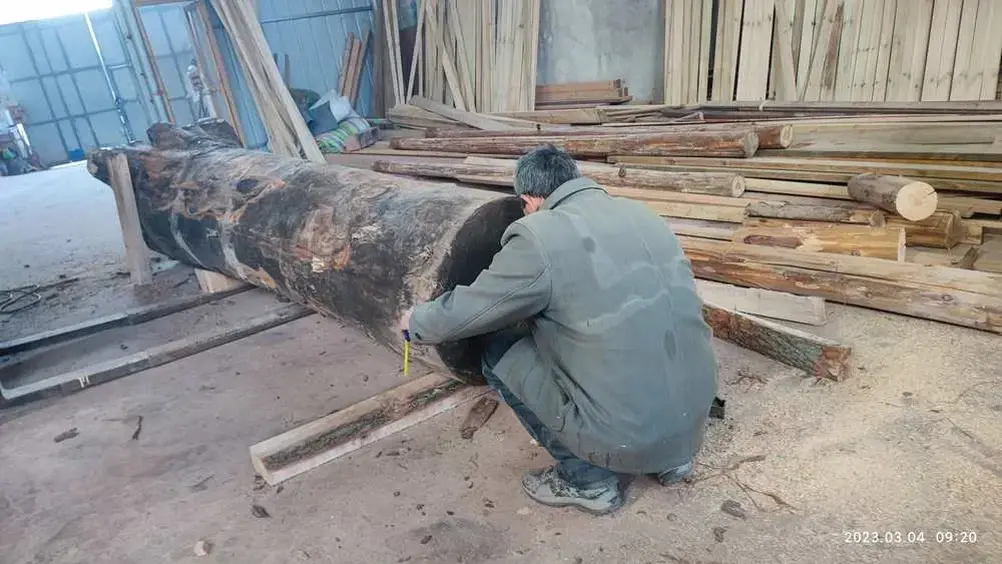
Authentic traditional Chinese wooden lanterns require specific materials and construction techniques that distinguish them from decorative imitations. The primary wood choice for heritage-quality lanterns is old camphor wood (), valued for its natural insect resistance, beautiful grain patterns, and dimensional stability. Camphor wood contains aromatic oils that repel moths and termites, ensuring lantern longevity without chemical treatment. For budget-conscious projects, pine wood with proper anti-corrosion treatment offers acceptable durability of 15-20 years.
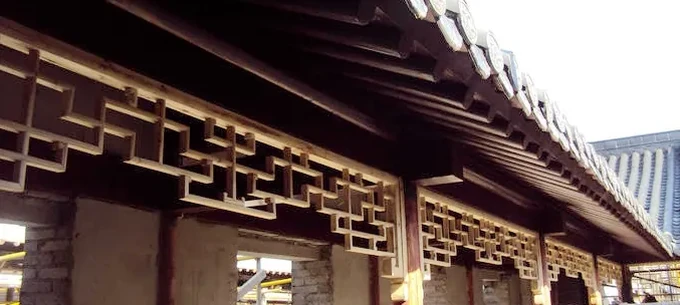
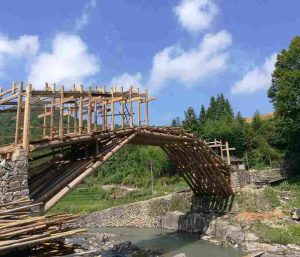
The frame construction employs traditional mortise and tenon joinery (), with interlocking wood joints that allow for thermal expansion without cracking. This technique, documented in the Yingzao Fashi (Treatise on Architectural Methods) by Li Jie in 1103 CE, remains the gold standard for wooden lantern construction. Each joint must be precision-cut to tolerances of less than 0.5mm, requiring skilled craftspeople with years of training. Mass-produced lanterns typically use nails or staples, which rust and loosen over time, causing frame distortion.
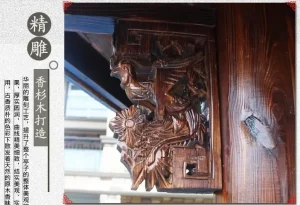
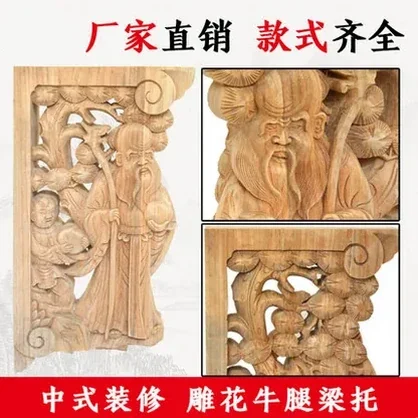
Decorative carving patterns carry cultural significance that informed heritage site renovation decisions. Lotus patterns symbolize purity and enlightenment, appropriate for Buddhist temple lantern installations. Phoenix and dragon motifs represent imperial authority and are reserved for palace or government building applications. Plum blossom, bamboo, and orchid patterns convey scholarly refinement and suit academic institutions and traditional garden pavilions. Understanding these symbolic meanings allows restoration architects to select historically appropriate designs rather than arbitrary decorative choices.
Modern Heritage Site Applications
Contemporary heritage site renovation projects employ traditional wooden lanterns across diverse applications, from primary lighting fixtures to decorative accents. Waterfront promenades and water town corridors benefit from hanging lanterns mounted at consistent intervals, creating visual continuity that guides pedestrian movement while establishing atmospheric lighting. For such applications, manufacturers typically recommend lanterns with 300-400mm diameter frames, mounted at 2.5-3 meter heights, with spacing of 4-5 meters between fixtures.
Temple and religious site restoration requires careful attention to historical accuracy. Buddhist temple lantern installations traditionally feature red lacquer frames with gold Buddhist symbols, while Taoist temples prefer natural wood finishes with Yin-Yang or Bagua patterns. Heritage architects should consult historical photographs and period documents when specifying lantern styles, as inappropriate installations can compromise the authenticity that heritage designation requires.
Commercial districts within ancient towns face unique challenges balancing traditional aesthetics with modern functionality. Street-facing storefronts benefit from lantern installations with internal LED lighting, providing the traditional appearance while meeting contemporary energy efficiency standards. The Jiuzhang Suanshu (Nine Chapters on the Mathematical Art) contains early examples of calculating optimal lighting distribution, principles that modern lighting engineers can apply to heritage commercial districts.
Design Trends in Heritage Decoration
Heritage decoration design in 2025 emphasizes contextual authenticity over stylistic novelty. Rather than imposing arbitrary traditional elements, contemporary approaches analyze historical documents, archaeological evidence, and period artwork to determine appropriate decoration specifications for each site. Wooden lantern design follows this trend, with craftsmen studying Ming and Qing dynasty examples to recreate authentic forms rather than inventing new styles.
Sustainability considerations increasingly influence heritage decoration material selection. FSC-certified wood sources ensure that traditional materials meet environmental standards without compromising authenticity. Carbonized treatment processes, which char the wood surface to improve weather resistance, offer chemical-free preservation that suits heritage preservation principles. These modern treatments extend lantern service life to 25-30 years while maintaining the natural appearance that traditional aesthetics require.
Smart technology integration represents another emerging trend. Heritage sites can now incorporate traditional-styled lanterns with concealed LED systems that support variable color temperature, motion sensors, and remote control operation. These systems preserve authentic appearance while meeting contemporary operational requirements for energy management and visitor safety. The key is ensuring that technology integration remains invisible, with no visible modern elements that compromise traditional aesthetics.
Case Study: Heritage Street Renovation Project
A notable heritage street renovation project demonstrates the impact of authentic wooden lantern installation on visitor experience and cultural preservation. The project involved a 1.2-kilometer traditional commercial street featuring 87 storefronts and three major intersection monuments. Initial planning specified 340 wooden lanterns of varying sizes, from small residential-style fixtures above doorways to large hanging lanterns marking street intersections.
Material selection prioritized authenticity while meeting practical durability requirements. The main street received large-format lanterns (500mm diameter, 800mm height) featuring traditional mortise and tenon frames in camphor wood with hand-carved lotus pattern panels. Storefront installations used smaller formats (250mm diameter, 350mm height) with simpler geometric patterns appropriate for commercial rather than ceremonial contexts. All wood received traditional tung oil finish rather than modern lacquer, preserving the authentic matte appearance while providing adequate weather protection.
Installation followed documented historical patterns, with lanterns mounted at consistent heights using traditional bracket systems rather than modern hanging hardware. The renovation completed in 14 weeks, with lantern installation accounting for approximately six weeks. Post-completion visitor surveys indicated a 47% increase in evening foot traffic compared to pre-renovation baseline measurements, demonstrating the tangible impact of authentic heritage decoration on commercial viability and cultural experience.
Practical Selection and Maintenance Guide
Selecting appropriate wooden lanterns for heritage site applications requires balancing multiple factors: historical authenticity, material durability, maintenance requirements, and budget constraints. For government-funded restoration projects, specification should reference documented historical precedents wherever available. The Tiangong Kaiwu (Exploitation of the Works of Nature) by Song Yingxing, published in 1637, provides detailed lantern material specifications and construction techniques that remain relevant for contemporary heritage projects.
Maintenance schedules depend on installation environment and material treatment. Outdoor lanterns in humid climates require inspection every six months, with wood treatment reapplication every 2-3 years. Coastal installations face accelerated weathering due to salt exposure and may require quarterly inspection and annual treatment. Indoor lanterns in climate-controlled environments can maintain appearance with annual inspection and treatment every 5-7 years.
Common maintenance issues include wood checking (surface cracking), joint loosening, and finish degradation. Checking typically results from inadequate initial drying, with wood moisture content above 15% at installation. Prevention requires specifying kiln-dried wood with moisture content below 12% and allowing two weeks of acclimatization before installation. Loose joints indicate either improper initial construction or thermal cycling stress; repairs require disassembly and joint recutting by skilled craftsmen rather than simple re-gluing.
Frequently Asked Questions
What is the typical price range for heritage-quality traditional Chinese wooden lanterns?
Heritage-quality wooden lanterns range from $150-400 USD for standard residential sizes (250-350mm diameter) and $400-1,200 USD for large commercial formats (500-800mm diameter). Prices vary based on wood species, carving complexity, and finish quality. Custom designs with specific historical patterns may cost 30-50% more than standard catalog items.
What is the production lead time for custom wooden lanterns?
Standard catalog lanterns ship within 3-4 weeks from order confirmation. Custom designs requiring non-standard sizes, unique carving patterns, or special finishes typically require 8-12 weeks for production. Large-scale heritage projects with 50+ lanterns should plan for 10-16 week production timelines to ensure quality craftsmanship.
What warranty coverage should buyers expect?
Reputable manufacturers offer 3-5 year structural warranties covering frame integrity and joinery failure. Finish warranties typically cover 1-2 years, with prorated coverage thereafter. Warranty terms should specify coverage for both manufacturing defects and premature weathering, as these represent distinct failure modes requiring different remedies.
Can wooden lanterns be installed in coastal environments?
Coastal installations require specific material and treatment specifications. Standard camphor wood is not suitable for beachfront locations without enhanced treatment. Recommended specifications include pressure-treated pine with marine-grade sealants or teak for premium applications. Coastal installations typically require more frequent maintenance schedules, with inspection every three months rather than semi-annually.
What shipping options are available for international buyers?
Major manufacturers ship internationally via sea freight (4-6 weeks transit time) or air freight (1-2 weeks transit time). Sea freight is recommended for orders exceeding $5,000 USD, as air freight costs typically exceed product value for larger shipments. All shipments include professional packing with moisture barriers and impact protection. Installation services are available for projects in major metropolitan areas, with site assessment required prior to service scheduling.
Key Specifications at a Glance
| Brand | Zhongyu Woodcraft (48 years of traditional woodworking) |
| Main Material | Old fir / scotch pine / merbau, ACQ preservative vacuum-treated |
| Craft | Traditional mortise-and-tenon joinery, per “Tiangong Kaiwu” and “Yingzao Fashi” |
| Lead Time | 15-30 days standard, 30-75 days custom |
| Service Life | 20-50 years (outdoor preservation grade) |
| Service | Nationwide delivery + on-site installation, lifetime maintenance |
According to our master craftsman with 48 years of experience, “The mortise-and-tenon joint needs no nails the interlocking of timber itself carries the load, a technique passed down for centuries.”
Q: What is the minimum order quantity (MOQ)?
A: Our MOQ is 1 unit for standard designs, with volume pricing available from 3 units. We keep standard components in stock to serve trial orders and repeat customers equally well.
Q: What are your payment terms?
A: Standard terms are 30% T/T deposit to confirm the order and 70% balance before shipment. For long-term partners we can discuss L/C at sight or net-30 terms.
Q: Do you provide installation guidance?
A: Yes. Every shipment includes detailed assembly drawings and step-by-step video guidance. For large pavilions and heritage structures, on-site installation supervision is available.
Call/WhatsApp: +86 13883366528
Zhongyu Woodcraft – 48 Years Traditional Chinese Woodcraft Factory, Nationwide Installation