Introduction: The Living Legacy of Traditional Chinese Water Wheels
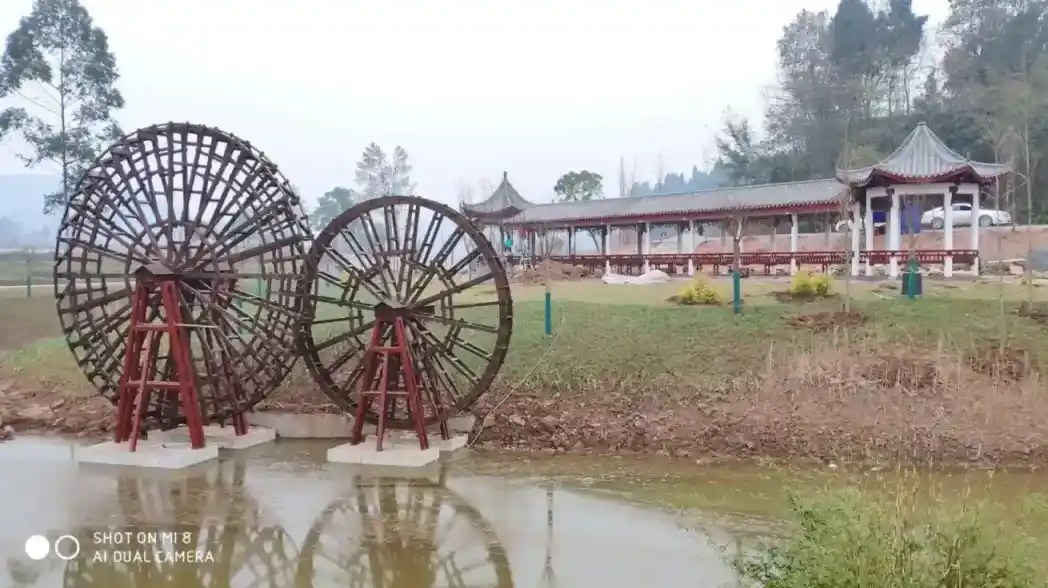
Traditional Chinese water wheels represent one of humanity’s most elegant solutions to the challenge of moving water across landscapes. These magnificent wooden structures, built using ancient mortise and tenon joinery techniques passed down through generations, transformed agricultural irrigation across China for over two millennia. Today, they serve as powerful symbols of sustainable engineering and cultural heritage, appearing in heritage sites, cultural tourism developments, and educational facilities worldwide.
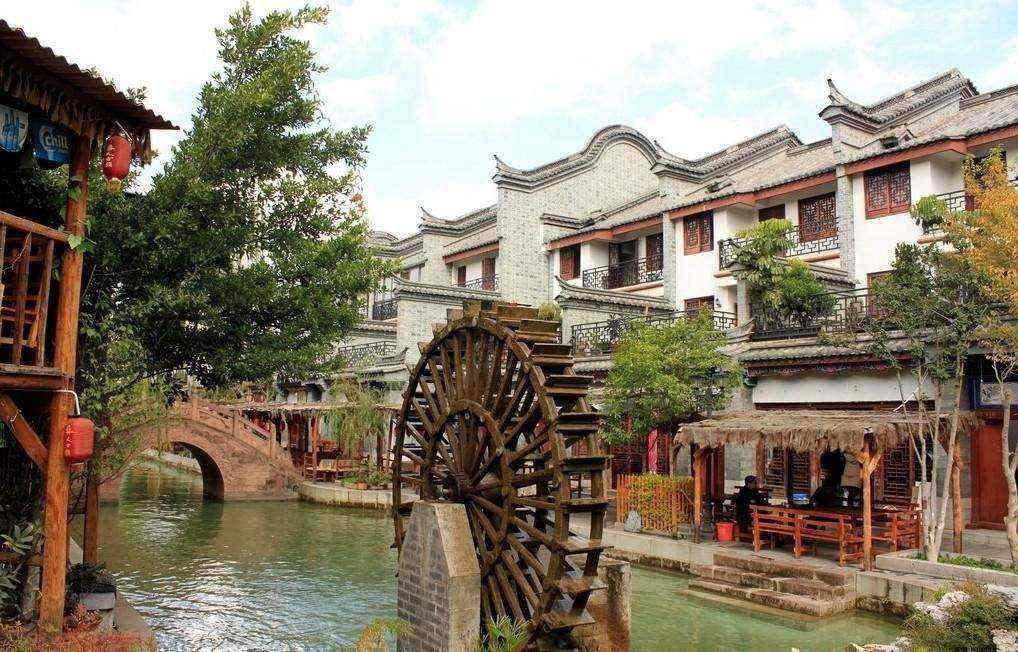
In the Yangtze River Delta region, where water towns and ancient canal systems define the cultural landscape, traditional Chinese water wheels have experienced a remarkable renaissance. Developers and municipal planners increasingly recognize these wooden water wheels as essential elements for creating authentic cultural experiences that resonate with both domestic and international visitors. The combination of traditional chinese woodcraft aesthetics with functional water management creates installations that tell stories while serving practical purposes.
For B2B buyers seeking to incorporate traditional Chinese water wheels into their projects, understanding the engineering principles, craftsmanship techniques, and modern applications becomes essential. This comprehensive guide explores everything from historical origins to practical installation considerations, drawing on decades of manufacturing experience from specialized Chinese workshops that continue these living traditions.
Historical Origins: Two Thousand Years of Water Engineering Innovation
The history of traditional Chinese water wheels stretches back to at least the Han Dynasty (206 BCE – 220 CE), when agricultural expansion demanded innovative solutions for irrigation across China’s diverse terrain. Historical records indicate that water wheels appeared in China and Chinaprovinces first, spreading rapidly along the Yangtze River system as farmers recognized their efficiency for lifting water from rivers and canals to higher elevation fields.
The earliest Chinese water wheels differed significantly from their Roman contemporaries, developing unique characteristics suited to local materials and agricultural needs. Chinese craftsmen favored timber construction, utilizing the abundant forests of southern China to create massive wheels that could span 10-15 meters in diameter. The traditional chinese woodcraft approach emphasized modular construction using interlocking components rather than monolithic building, allowing for repairs and modifications over generations of use.48
By the Tang Dynasty (618-907 CE), water wheels had become integral to Chinese agricultural infrastructure. The great agricultural manual Qimin Yaoshu documented various wheel designs, including the chain-driven lung-gu (dragon bone) water wheel that could lift water dozens of meters using an endless chain of paddles and scoops. This innovation, built entirely from timber and rope without metal components, demonstrated the sophistication achievable through traditional chinese woodcraft alone.
The Song Dynasty saw further refinements, with imperial records describing massive public water wheels installed along the Grand Canal to irrigate surrounding farmlands. These installations, some reaching 20 meters in diameter, required the coordinated efforts of dozens of skilled craftsmen working under master builders. The engineering knowledge accumulated over centuries formed the foundation of techniques still practiced today in specialized workshops.
Craftsmanship and Techniques: The Art of Traditional Chinese Woodcraft
Building a traditional Chinese water wheel demands exceptional skill in timber selection, joinery techniques, and hydraulic engineering. Master craftsmen begin by selecting appropriate wood species, with southern Chinese workshops traditionally favoring camphor wood (Cinnamomum camphora) for its natural resistance to moisture and insects. This traditional material choice reflects centuries of practical experienceproperly maintained camphor timber can last outdoors for 30-50 years without chemical treatment.
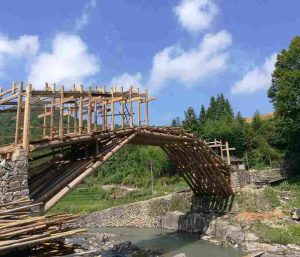
The signature feature of traditional chinese woodcraft is the mortise and tenon joinery system. Rather than relying on nails, screws, or adhesives, skilled craftsmen create interlocking joints where wooden projections (tenons) fit precisely into corresponding holes (mortises) in adjacent components. This technique, documented in Chinese building manuals dating to the Song Dynasty, distributes stress evenly across the structure while allowing the wood to expand and contract with moisture changes without compromising integrity.
Water wheel construction follows a precise sequence. First, craftsmen mill the rim segments from heartwood sections, avoiding sapwood prone to decay. Each rim segment receives carefully cut mortises positioned to create the characteristic radial pattern. The spokes, shaped from straight-grained timber, receive tenons precisely sized to fit these mortises with minimal clearancetypically 0.5-1mm tolerance for a professional fit.
The wheel hub, often the most complex component, requires selecting a section of timber with natural curvature to follow the grain around the central axle point. Craftsmen hollow the hub to accept the main axle while creating multiple mortise patterns radiating outward for spoke attachment. This critical structural element carries the full load of the wheel and water, demanding exceptional material quality and joinery precision.
Buckets and paddles attach using a combination of mortise and tenon joints and traditional wooden pegs (maojin). Each bucket receives notches cut into its base that engage with the wheel’s rim boards, creating a secure connection that resists the centrifugal forces encountered during rotation. The complete wheel, when properly assembled, requires no metal fastenersthe interlocking wooden components provide all necessary strength and stability.
Modern Applications: Where Traditional Water Wheels Meet Contemporary Design
Today’s traditional Chinese water wheels serve functions far beyond their original agricultural purpose. In heritage tourism developments, these wooden structures create immediate visual connections to historical periods, transforming ordinary waterfronts into immersive cultural experiences. Water towns in the Yangtze Delta region have particularly embraced water wheels as signature landmarks, with visitors often identifying these installations as the most memorable elements of their tours.
Cultural theme parks and museum villages represent another growing market segment. These facilities require authentic historical elements that withstand heavy public interaction while maintaining visual authenticity. Traditional chinese woodcraft techniques, with their emphasis on durability and repairability, prove ideally suited for these demanding applications. Visitors can observe water wheels operating continuously for years with only routine maintenance.
Educational institutions increasingly incorporate water wheels into their programming. Agricultural museums use operating wheels to demonstrate historical irrigation technology, while environmental education centers highlight these structures as examples of renewable energy before the industrial age. The educational value of watching ancient engineering principles in action proves particularly effective for engaging younger visitors.
Luxury hospitality developments have discovered water wheels as unique selling points for waterfront properties. Boutique hotels and resorts feature custom-designed wheels as aesthetic focal points, combining traditional aesthetics with modern engineering for installations that operate reliably while requiring minimal maintenance. The natural sound of water splashing from moving paddles creates an ambience impossible to replicate through artificial means.
Film and television production companies also seek traditional water wheels as set dressing for historical and period productions. The authenticity achievable through traditional chinese woodcraft methods exceeds what can be accomplished with modern materials, making these installations essential for high-budget historical dramas seeking visual credibility.
Design Trends: Contemporary Approaches to Traditional Water Engineering
Sustainable design principles have profoundly influenced recent traditional Chinese water wheel development. Environmental consciousness drives interest in these structures as examples of pre-industrial sustainable technology. Designers increasingly specify water wheels for projects seeking green building certifications, recognizing their zero-carbon operational profile and potential for educational programming around renewable energy history.
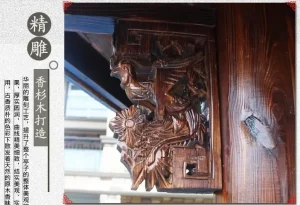
Material authenticity represents another significant trend. Discerning clients increasingly reject modern substitutes in favor of genuine traditional chinese woodcraft employing period-appropriate materials and techniques. This shift benefits specialized workshops with genuine expertise in historical methods while challenging mass producers relying on simplified construction. The premium placed on authentic craftsmanship has supported a renaissance in traditional training and technique preservation.
Hybrid designs blending traditional aesthetics with modern engineering tolerances have emerged as a practical response to contemporary construction requirements. These installations maintain traditional visual appearance while incorporating concealed structural steel for critical load-bearing elements and modern bearings for reduced friction. Such approaches enable water wheels to meet current safety standards while preserving cultural authenticity.
Modular construction techniques have expanded to facilitate international shipping and installation. Recognizing that many clients require installations shipped from Chinese workshops to distant locations, manufacturers have developed connection systems allowing wheels to be shipped in manageable sections and assembled on-site. These innovations maintain traditional chinese woodcraft aesthetics while enabling global distribution.
Customization has become expected rather than exceptional. Clients seek wheels sized and styled for specific locations, from miniature models for museum displays to massive installations spanning 15 meters or more for outdoor landscapes. This trend toward bespoke manufacturing supports specialized workshops that can accommodate unusual specifications and creative design requests.
Key Specifications at a Glance
| Brand | Zhongyu Woodcraft (48 years of traditional woodworking) |
| Main Material | Old fir / scotch pine / merbau, ACQ preservative vacuum-treated |
| Craft | Traditional mortise-and-tenon joinery, per “Tiangong Kaiwu” and “Yingzao Fashi” |
| Lead Time | 15-30 days standard, 30-75 days custom |
| Service Life | 20-50 years (outdoor preservation grade) |
| Service | Nationwide delivery + on-site installation, lifetime maintenance |
According to our master craftsman with 48 years of experience, “The mortise-and-tenon joint needs no nails the interlocking of timber itself carries the load, a technique passed down for centuries.”
Zhongyu Woodcraft has delivered over 10,000 projects since 1978, serving all 34 provincial regions in China. Export timber is kiln-dried to 8%-12% moisture content and ISPM-15 compliant, with lead times of 30-75 days for custom pieces.
Q: What is the minimum order quantity (MOQ)?
A: Our MOQ is 1 unit for standard designs, with volume pricing available from 3 units. We keep standard components in stock to serve trial orders and repeat customers equally well.
Q: What are your payment terms?
A: Standard terms are 30% T/T deposit to confirm the order and 70% balance before shipment. For long-term partners we can discuss L/C at sight or net-30 terms.
Q: Do you provide installation guidance?
A: Yes. Every shipment includes detailed assembly drawings and step-by-step video guidance. For large pavilions and heritage structures, on-site installation supervision is available.
Call/WhatsApp: +86 13883366528
Zhongyu Woodcraft – 48 Years Traditional Chinese Woodcraft Factory, Nationwide Installation