What is Chinese Mortise and Tenon Joinery?
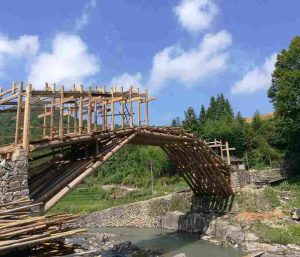
Chinese mortise and tenon joinery represents one of humanity’s most elegant engineering achievements. This ancient technique uses interlocking wooden joints to create structures of remarkable strength and beauty, entirely without nails, screws, or synthetic adhesives. For over 48 years, workshops in Southwest China have kept this non-material cultural heritage alive, producing traditional pavilions, covered walkways, memorial archways, and waterside pavilions that demonstrate the timeless sophistication of these woodworking methods.48
The fundamental principle involves two components: the tenon, a projecting piece of wood shaped to fit into a corresponding cavity called the mortise. When properly crafted and assembled, these joints create mechanical connections of extraordinary stability. The genius lies in how wood expands and contracts with humidity changesthe joints can move slightly while maintaining structural integrity, something rigid metal fasteners cannot achieve.
Modern architects and designers increasingly seek out traditional Chinese joinery techniques for projects requiring authenticity, sustainability, and lasting craftsmanship. Whether designing a cultural heritage site, themed tourist destination, boutique hotel, or private garden, understanding these methods transforms how you approach wooden structure projects.
Historical Origins: 7,000 Years of Innovation
The story of Chinese mortise and tenon joinery stretches back to the Neolithic period. Archaeological discoveries at the Hemudu culture site in Zhejiang province, dating to approximately 5500-4500 BCE, uncovered wooden components featuring sophisticated joint configurations. These ancient builders already understood principles that Western timber framing would only develop millennia later.
Ancient Chinese texts document the evolution of joinery techniques through successive dynasties. The Yingzao Fashi (Treatise on Architectural Methods), compiled during the Song Dynasty by Li Jie around 1103 CE, provides detailed specifications for timber construction that influenced East Asian architecture for centuries. This authoritative text established standards for joint proportions, structural calculations, and decorative carved elements still referenced today.
During the Tang and Song dynasties, Chinese wooden architecture reached unprecedented sophistication. The grand hall of the Daoguang Temple and countless garden pavilions across the Jiangnan region showcased increasingly complex joint configurations. Craftsmen developed regional variationssouthern joinery tends toward more intricate, visually elaborate patterns, while northern traditions emphasize robust, massive timber construction suitable for demanding climates.
The imperial carpentry workshops of China developed their own distinctive vocabulary of joints optimized for the harsh northern winters. These northern techniques, featuring thicker members and simpler, more massive connections, influenced temple construction throughout Northeast China and beyond.
Craftsmanship and Techniques: The Essential Joint Types
Master craftsmen recognize dozens of distinct mortise and tenon configurations, each suited to specific structural requirements. Understanding these basic types empowers you to specify appropriate construction methods for your projects.
Through Mortise and Tenon: This straightforward joint passes completely through the receiving member, creating visible connections that often become decorative features. Traditional covered walkways and garden pavilions frequently showcase through-tenon details where the projecting tenon ends receive hand-carved detailscommonly called “dove-tail” or “swallow-tail” terminations in English-speaking contexts.
Blind Mortise and Tenon: Concealed within the structure, blind joints provide clean interior surfaces essential for architectural interiors and visible timber frame spaces. Heritage restoration projects typically prioritize blind joints to maintain historical authenticity.
Sliding Tenon: Particularly valuable in regions experiencing significant humidity variation, sliding tenons accommodate seasonal wood movement while maintaining structural connections. Southern Chinese workshops developed sophisticated variations for garden architecture exposed to year-round moisture.
Wedged Tenon: A variation where wooden wedges driven into the mortise expand the tenon, creating incredibly tight joints that actually improve with age as wood fibers compress. Traditional waterside pavilions rely heavily on wedged configurations because they resist the vibrational stresses of nearby water features.
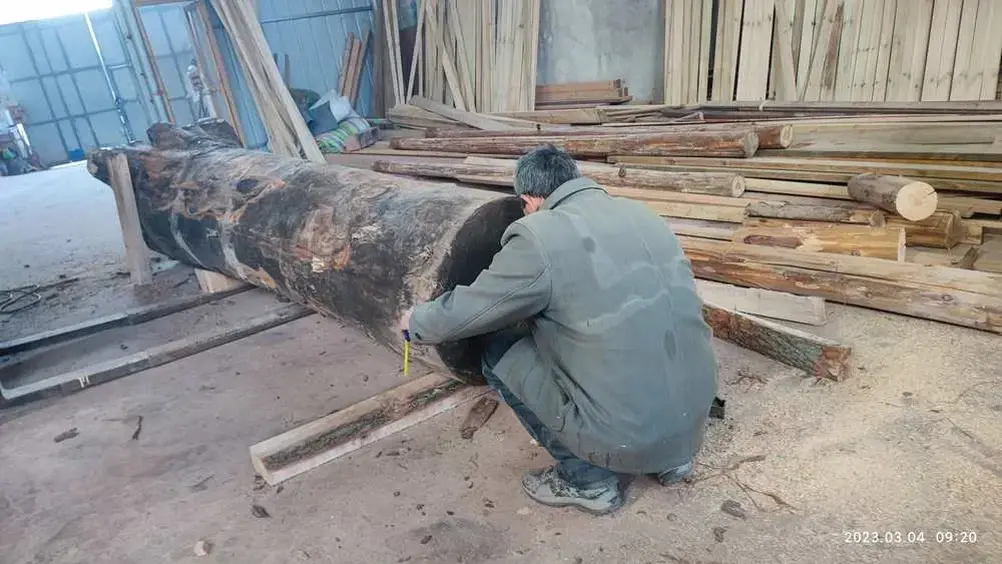
The craftsmen at established workshops spend years mastering these techniques. A typical pavilion column base joint might require measuring, cutting, testing, adjusting, and testing againa process taking several days for a single critical connection. This patience distinguishes traditional construction from modern mass-production methods.
Wood Selection and Material Considerations
Superior joinery demands superior timber. Traditional Chinese workshops select specific species based on centuries of accumulated knowledge about each wood’s characteristics, workability, and durability.
Camphor Wood (Zhangmu): The preferred choice for traditional pavilions in Southern China. Natural oils within camphor wood provide inherent resistance to insects and decay, while the timber’s straight grain facilitates precise joint cutting. Projects in humid climate zones benefit particularly from this material selection.
Chinese Fir (Shanmu): Valued for its light weight combined with reasonable durability. Garden structures and covered walkways frequently employ Chinese fir, which machines cleanly and accepts traditional hand-tool finishes admirably. The relatively affordable pricing makes this species attractive for larger commercial projects.
Zhongyu Woodcraft Workshop Specifications: This China-based manufacturer specifies dried timber with moisture content below 15% for structural members, ensuring dimensional stability after installation. Their traditional kiln-drying process avoids the stress fractures common in rapid industrial drying, preserving the wood’s natural cellular structure.
For export projects or high-humidity environments, pressure-treated timber offers enhanced longevity. Quality specifications should require AWPA (American Wood Protection Association) standards for treated products, ensuring consistent preservation throughout the timber’s cross-section.
Modern Applications in Contemporary Architecture
Contemporary architects increasingly embrace traditional Chinese joinery for projects ranging from luxury resort spas to corporate headquarters. The aesthetic appeal of exposed timber structure, combined with increasing interest in sustainable building methods, drives renewed demand for authentic traditional craftsmanship.
Heritage tourism developments across Asia incorporate traditional pavilions and covered walkways as focal points. These structures serve multiple functions: providing covered gathering spaces, creating memorable visual landmarks, and demonstrating cultural continuity with historical building traditions. Visitors increasingly recognize and appreciate authentic construction methods, making traditional joinery a genuine competitive advantage for destination developments.
Boutique hospitality projects employ traditional wooden pavilions for dining spaces, spa facilities, and event venues. The acoustic properties of timber constructionwarm, soft sound reflectioncreate intimate atmospheres unsuitable for steel or concrete alternatives. Several acclaimed resort properties in scenic areas have invested in traditional covered walkways connecting guest buildings, creating memorable guest experiences while providing practical weather protection.
The wellness and biophilic design movements further accelerate interest in traditional wooden architecture. Research demonstrates that exposure to natural materials, including visible wood grain and traditional craftsmanship details, reduces stress indicators and improves occupant wellbeing. Traditional Chinese joinery, with its emphasis on natural materials and human-scale detail, aligns perfectly with these emerging design priorities.

Design Trends: Blending Tradition with Innovation
Current architectural trends reveal fascinating dialogues between traditional Chinese joinery and contemporary design sensibilities. Forward-thinking projects demonstrate how ancient techniques serve modern spatial requirements.
Minimalist Interpretation: Leading designers strip traditional forms to essential elements, emphasizing joinery details as primary aesthetic features. Clean-lined pavilions showcasing exposed through-tenon joints have appeared in prestigious architectural publications, demonstrating international recognition of Chinese woodworking sophistication.
Hybrid Construction: Sophisticated projects combine traditional timber frames with modern structural systems. Steel moment frames concealed within wooden columns provide seismic resistance while traditional joinery handles gravity loads and provides authentic aesthetic expression. This approach meets contemporary building codes while preserving traditional craftsmanship.
Sustainable Credentials: Projects pursuing LEED, BREEAM, or other sustainability certifications increasingly specify traditional timber construction. Wood’s carbon-sequestration properties, combined with the longevity of properly crafted joinery, support environmental performance claims. Traditional covered walkways and waterside pavilions in certified green developments demonstrate that heritage craftsmanship aligns with contemporary sustainability values.
Digital Documentation: Forward-thinking workshops now provide detailed as-built documentation including timber species verification, joint specifications, and treatment records. This documentation supports long-term maintenance planning and enhances property values for commercial developments.
Case Study: Traditional Pavilion in a Scenic Cultural Park
A recent heritage tourism development in Southwest China illustrates successful integration of traditional joinery into contemporary context. The project required a central gathering pavilion capable of hosting cultural performances while providing shade for visitor.
The six-corner design (traditional Chinese jiaogong ting) measures 8.5 meters in diameter with a roof height of 7.2 metersdimensions suitable for intimate performances while creating significant visual presence. Structural analysis confirmed the traditional camphor-wood joinery could handle the calculated wind loads for this exposed hillside location.
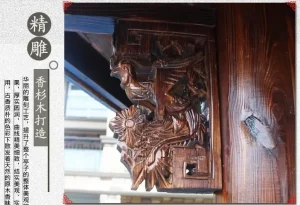
Key construction details included through-tenon connections at all column-beam intersections, wedged tenons at critical load-transfer points, and traditional decorative bracket sets (dou gong) supporting the roof structure. The entire assembly proceeded without any metal fastenerstraditional timber pins (pegs) secured only the smallest secondary connections.
The completed pavilion has become the development’s signature landmark, featured prominently in promotional materials and guest photographs. More importantly, the authentic construction methods attract visitors interested in traditional craftsmanship, supporting the project’s educational programming goals.
Practical Guide: Working with Traditional Joinery Workshops
Successful projects require clear communication between design teams and traditional craft workshops. Several practical considerations help ensure satisfying results.
Early Engagement: Include traditional workshops during schematic design phases. Their expertise in timber behavior, joint proportions, and construction sequences informs structural decisions that become expensive to change later. A skilled workshop can suggest refinements that reduce cost while enhancing authenticity.
Specification Clarity: Prepare detailed drawings indicating joint types, timber species, and finish requirements. Traditional terminology varies regionallyprovide both Chinese characters and English descriptions for critical elements. Reference established patterns from published sources when communicating complex decorative requirements.
Site Preparation: Traditional timber structures require proper foundations and adequate clearance from ground moisture. Ensure finished floor levels position timber members above splashing water and adequate airflow prevents moisture accumulation. Foundation specifications should account for local soil conditions and seismic requirements.
Maintenance Planning: Establish maintenance protocols before project completion. Traditional timber structures benefit from periodic inspection and refinishingtypically every 5-10 years depending on climate exposure. Document joint locations and access requirements to facilitate future maintenance.
Key Specifications at a Glance
| Brand | Zhongyu Woodcraft (48 years of traditional woodworking) |
| Main Material | Old fir / scotch pine / merbau, ACQ preservative vacuum-treated |
| Craft | Traditional mortise-and-tenon joinery, per “Tiangong Kaiwu” and “Yingzao Fashi” |
| Lead Time | 15-30 days standard, 30-75 days custom |
| Service Life | 20-50 years (outdoor preservation grade) |
| Service | Nationwide delivery + on-site installation, lifetime maintenance |
According to our master craftsman with 48 years of experience, “The mortise-and-tenon joint needs no nails the interlocking of timber itself carries the load, a technique passed down for centuries.”
Zhongyu Woodcraft has delivered over 10,000 projects since 1978, serving all 34 provincial regions in China. Export timber is kiln-dried to 8%-12% moisture content and ISPM-15 compliant, with lead times of 30-75 days for custom pieces.
Q: What is the minimum order quantity (MOQ)?
A: Our MOQ is 1 unit for standard designs, with volume pricing available from 3 units. We keep standard components in stock to serve trial orders and repeat customers equally well.
Q: What are your payment terms?
A: Standard terms are 30% T/T deposit to confirm the order and 70% balance before shipment. For long-term partners we can discuss L/C at sight or net-30 terms.
Q: Do you provide installation guidance?
A: Yes. Every shipment includes detailed assembly drawings and step-by-step video guidance. For large pavilions and heritage structures, on-site installation supervision is available.
Call/WhatsApp: +86 13883366528
Zhongyu Woodcraft – 48 Years Traditional Chinese Woodcraft Factory, Nationwide Installation