Introduction: A Timeless Craft Meets Modern Hospitality
As the world increasingly seeks authentic cultural experiences, the allure of traditional Chinese wood architecture has found a new home in the hospitality sector. In Harbin, a city known for its rich history and cultural heritage, this ancient craft is being revitalized to create unique, immersive experiences for travelers. This article delves into the art of traditional Chinese wood architecture, its historical roots, and how it is being adapted for modern guesthouses and boutique hotels in Harbin. Whether you’re an architect, designer, or simply a lover of cultural heritage, this exploration will provide valuable insights into the enduring beauty and functionality of this ancient craft.
Historical Origins: The Legacy of Chinese Wood Architecture
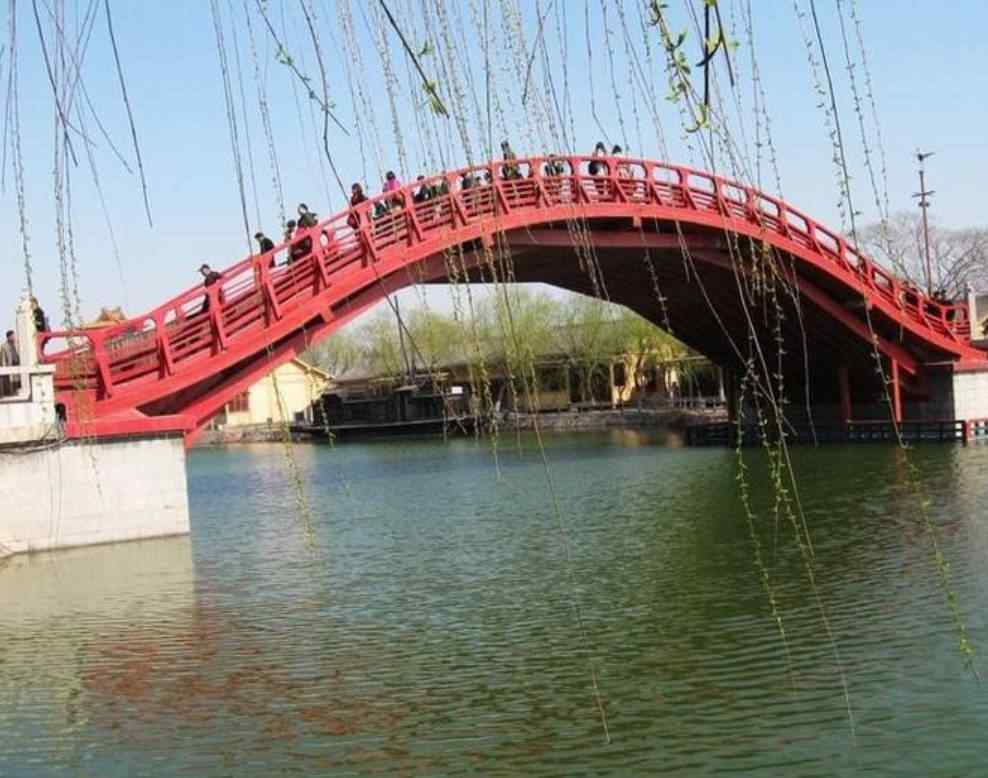
Chinese wood architecture dates back over 3,000 years, with its origins deeply rooted in the country’s rich cultural and philosophical traditions. The principles of Feng Shui, the balance of Yin and Yang, and the concept of harmony with nature have all influenced the design and construction of wooden structures. The Yingzao Fashi, a seminal architectural treatise from the Song Dynasty, meticulously documented the construction techniques and standards of the time, many of which are still used today.
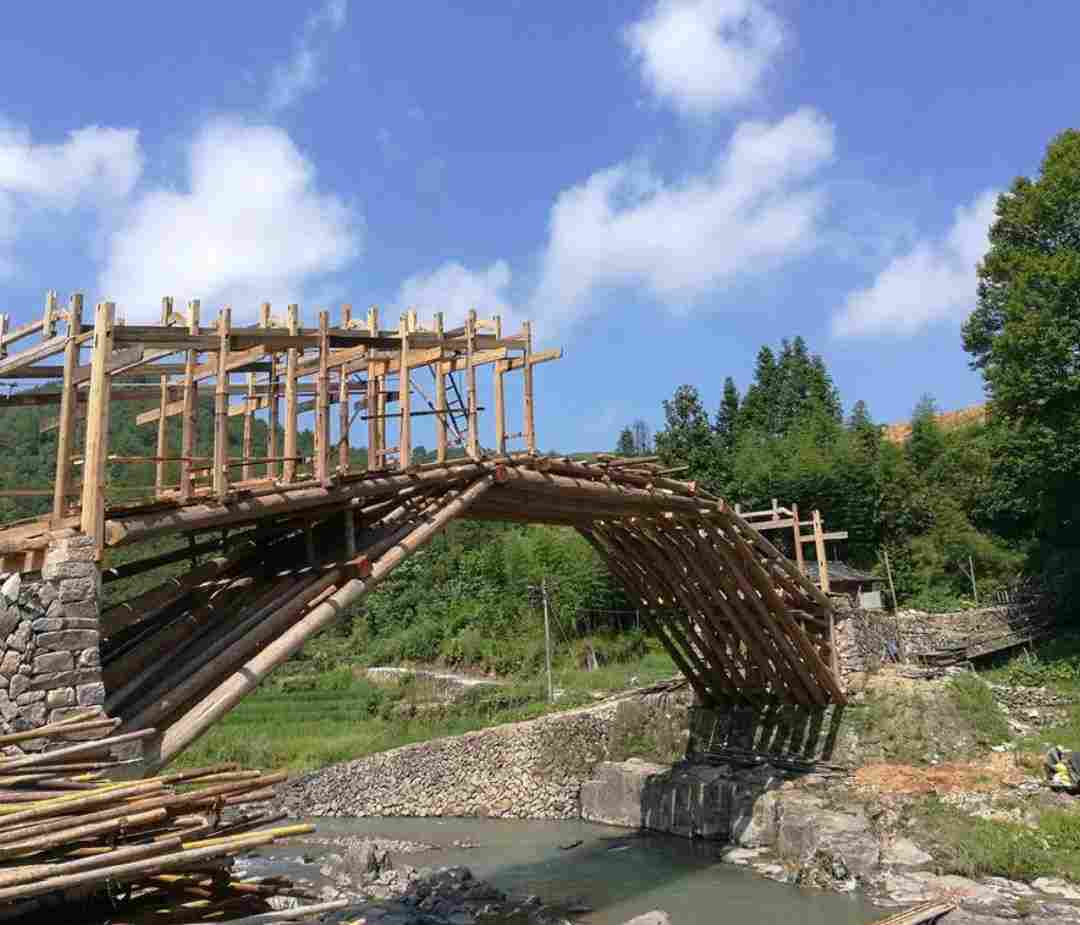
One of the most significant innovations in Chinese wood architecture is the mortise and tenon joint, a technique that eliminates the need for nails or screws. This method not only provides structural integrity but also allows for flexibility during earthquakes, a crucial feature in regions prone to seismic activity. The craftsmanship involved in creating these joints is a testament to the skill and precision of ancient Chinese woodworkers.
Craftsmanship & Techniques: The Art of Traditional Joinery
The essence of traditional Chinese wood architecture lies in its meticulous craftsmanship and attention to detail. Master craftsmen, often trained for decades, employ a variety of techniques to bring these structures to life. The mortise and tenon joint is just one example of the intricate joinery that defines this craft. Other techniques include:
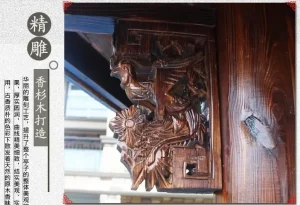
Hand-carving:Intricate designs and motifs are meticulously carved into wood, adding both aesthetic and cultural value to the structures. Traditional Joinery: Beyond the mortise and tenon, craftsmen use a range of joints such as the bridle joint, dovetail joint, and more, each serving specific structural purposes. Wood Selection: The choice of wood is crucial, with species like Chinese fir, pine, and cedar being favored for their durability and resistance to pests and decay.
At Zhongyu Woodcraft, our artisans combine these age-old techniques with modern technology to create structures that are both authentic and durable. Our 48 years of experience in the field ensure that each piece we create is a testament to the enduring legacy of Chinese woodcraft.
Modern Applications: Bringing Tradition into the 21st Century
In Harbin, the application of traditional Chinese wood architecture in the hospitality sector is gaining momentum. Boutique hotels and guesthouses are increasingly incorporating these elements to offer guests a unique cultural experience. From intricately carved wooden doors and windows to grand wooden beams and columns, these elements add a touch of elegance and authenticity to modern interiors.
Our recent project in Harbin involved the design and construction of a boutique hotel that seamlessly blended traditional Chinese wood architecture with contemporary design. The result was a space that not only honored the region’s cultural heritage but also provided guests with a luxurious and comfortable stay.
Design & Customization: Tailoring Wood Architecture to Your Needs
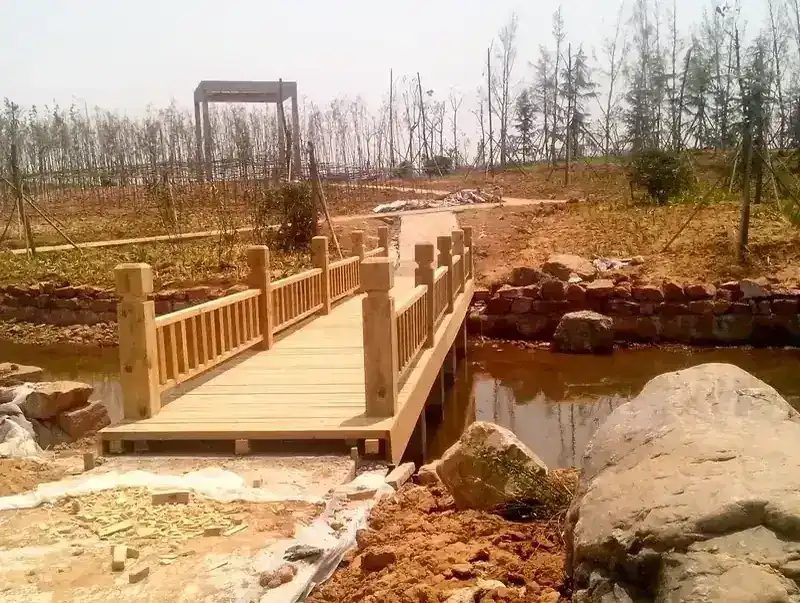
At Zhongyu Woodcraft, we understand that each project is unique. That’s why we offer bespoke design and customization services to meet the specific needs of our clients. Whether it’s a traditional pagoda-style pavilion for a cultural park or a modern wooden gazebo for a private garden, we work closely with our clients to bring their visions to life.
Our design process begins with a detailed consultation to understand the client’s requirements and preferences. We then create a custom design that incorporates traditional elements while ensuring functionality and durability. Our team of skilled craftsmen uses the finest materials and techniques to ensure that each piece is of the highest quality.
Case Study: A Harbin Boutique Hotel Embraces Tradition
In 2025, we were approached by a client looking to create a boutique hotel that reflected the cultural heritage of Harbin. The project involved the construction of a two-story wooden structure with a traditional Chinese design. The hotel featured a grand entrance with intricately carved wooden doors, a central courtyard with a wooden pavilion, and guest rooms adorned with wooden beams and columns.
The project was a resounding success, with guests praising the hotel’s unique design and the warm, inviting atmosphere created by the wooden elements. The hotel has since become a popular destination for travelers seeking an authentic cultural experience in Harbin.
| Project Location | Harbin, China |
|---|---|
| Project Duration | 6 months |
| Materials Used | Chinese fir, pine, cedar |
| Key Features | Mortise and tenon joints, hand-carved details, traditional joinery |
| Client Feedback | “A perfect blend of tradition and modernity, creating a unique and memorable guest experience.” |
FAQ: Addressing Your Concerns
Q: How long does it take to complete a project like the Harbin boutique hotel?
A: The duration of a project depends on its size and complexity. For the Harbin boutique hotel, the project took approximately 6 months from design to completion.
Q: What materials do you use for your projects?
A: We primarily use high-quality Chinese fi
r, pine, and cedar, chosen for their durability and resistance to pests and decay.
Q: Can you customize designs to fit specific cultural themes?
A: Absolutely. We offer bespoke design services and can tailor our work to fit any cultural theme or aesthetic preference.
Q: How do you ensure the authenticity of your traditional techniques?
A: Our team of skilled craftsmen has decades of experience in traditional Chinese woodcraft. We also consult historical texts and work with cultural experts to ensure the authenticity of our techniques.
Q: What is the average lead time for a custom project?
A: The lead time for a custom project varies depending on its scope and complexity. On average, it takes about 3-4 months from the initial consultation to the final installation.
Conclusion: Embracing the Past, Building the Future
The revival of traditional Chinese wood architecture in Harbin is a testament to the enduring appeal of this ancient craft. As more businesses and individuals seek to incorporate cultural elements into their spaces, the demand for authentic, high-quality woodwork continues to grow. At Zhongyu Woodcraft, we are proud to be at the forefront of this movement, bringing the timeless beauty of Chinese woodcraft to modern hospitality projects in Harbin and beyond.
Contact us today to discuss your project and discover how we can help you create a space that honors the past while embracing the future.
”
Harmonizing Tradition with Modern Design
Our approach to integrating traditional Chinese woodcraft with modern hospitality design is both meticulous and innovative. We understand that today’s travelers seek unique experiences that connect them with the cultural heritage of their destination. By incorporating elements such as intricately carved wooden panels, traditional rooflines, and custom-designed furniture, we create spaces that are not only visually stunning but also rich in storytelling. Our team works closely with architects and interior designers to ensure that every detail reflects the essence of Chinese craftsmanship while meeting the functional needs of a modern hotel or resort.
One of the key aspects of our design philosophy is the use of natural materials. We source high-quality, sustainably harvested wood, such as pine, fir, and cedar, to ensure that our structures are both durable and environmentally friendly. This commitment to sustainability is increasingly important to eco-conscious travelers and hotel operators alike. By choosing materials that are both beautiful and responsible, we help our clients create spaces that are as kind to the planet as they are to their guests.
The Art of Mortise and Tenon Joinery
At the heart of our craftsmanship is the ancient art of mortise and tenon joinery. This traditional technique, which involves joining pieces of wood without the use of nails or screws, is a testament to the skill and precision of our artisans. The mortise and tenon joint is not only incredibly strong but also allows for the natural expansion and contraction of the wood, ensuring the longevity of our structures.
Our artisans have honed their skills over decades, passing down their knowledge from generation to generation. This dedication to preserving the craft is evident in every piece we create, from the grandest pavilion to the most delicate screen. The beauty of mortise and tenon joinery lies in its simplicity and elegance, allowing the natural beauty of the wood to take center stage. This traditional technique is a key reason why our structures are so highly valued for their durability and aesthetic appeal.
Customization and Personalization
We understand that every project is unique, and our clients often come to us with specific visions and requirements. Our team is adept at translating these ideas into reality, offering a range of customization options to ensure that each piece we create is a perfect fit for the project. Whether it’s a bespoke pavilion for a luxury hotel, a traditional Chinese gate for a cultural center, or a series of decorative screens for a restaurant, we work closely with our clients to bring their visions to life.
Our customization process begins with a detailed consultation, where we discuss the client’s goals, preferences, and budget. From there, we develop detailed designs and prototypes, allowing our clients to see and feel the quality of our work before production begins. This collaborative approach ensures that the final product is not only beautiful but also perfectly aligned with the client’s vision.
Preserving Cultural Heritage
As a company deeply rooted in Chinese tradition, we are committed to preserving the cultural heritage of our craft. We believe that by incorporating traditional woodcraft into modern projects, we can help keep these age-old techniques alive. Our artisans are not just craftsmen; they are custodians of a rich cultural legacy, and their work reflects a deep respect for the past.
By choosing our services, our clients are not only investing in high-quality, bespoke woodwork but also contributing to the preservation of a vital part of Chinese cultural heritage. We are proud to be part of a movement that celebrates and honors the traditions of the past while embracing the innovations of the present. This commitment to cultural preservation is reflected in every project we undertake, from the grandest installations to the most intimate details.
According to our master craftsman with 48 years of experience, “The mortise-and-tenon joint needs no nails the interlocking of timber itself carries the load, a technique passed down for centuries.”
Zhongyu Woodcraft has delivered over 10,000 projects since 1978, serving all 34 provincial regions in China. Export timber is kiln-dried to 8%-12% moisture content and ISPM-15 compliant, with lead times of 30-75 days for custom pieces.
Call/WhatsApp: +86 13883366528
Zhongyu Woodcraft – 48 Years Traditional Chinese Woodcraft Factory, Nationwide Installation