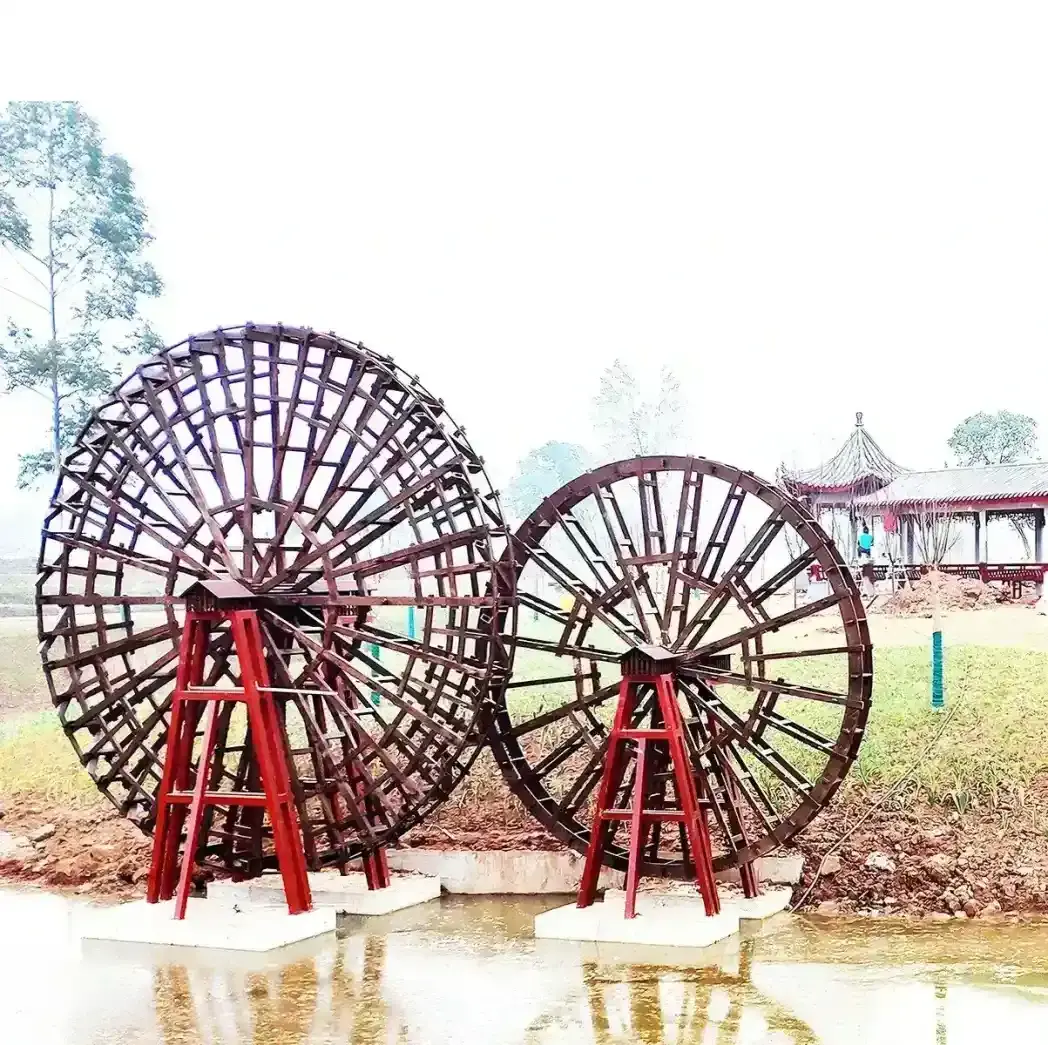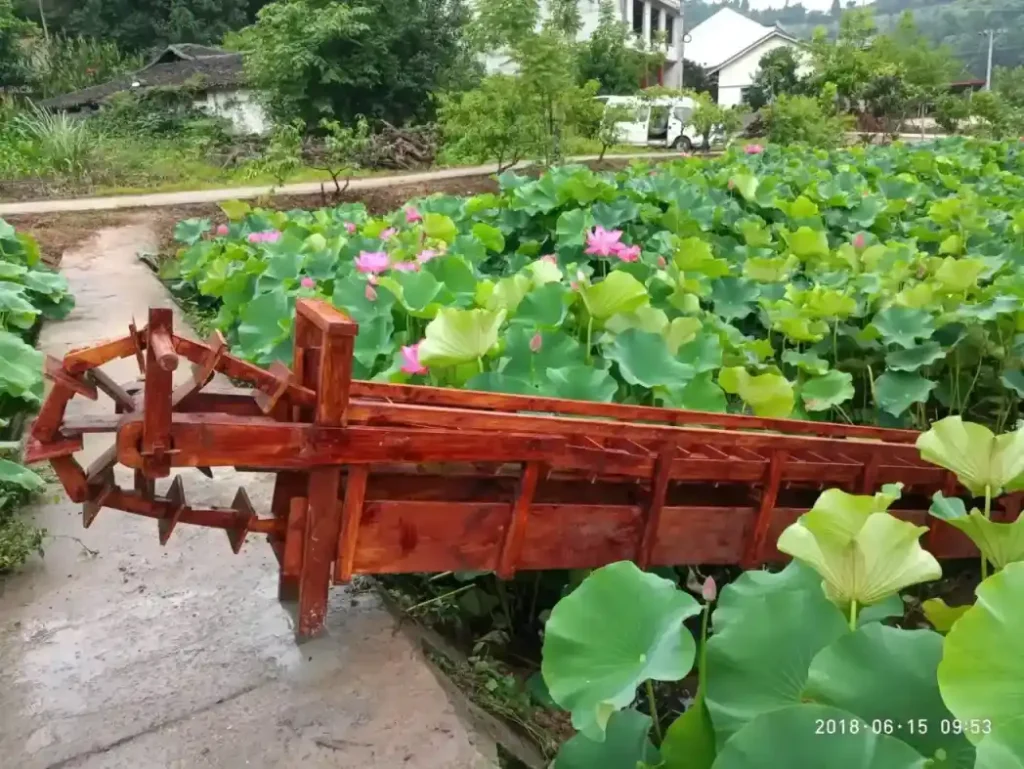
Traditional architecture repair for cultural tourism planning demands specialized expertise, particularly when restoring intricate traditional mortise-and-tenon waterwheel craft elements. These wooden hydraulic machines serve as both functional heritage assets and powerful educational focal points for traditional craft immersive experiences. Understanding how to properly maintain these structures preserves their structural integrity while enhancing visitor engagement in cultural tourism destinations.
For project planners and facility managers seeking authentic waterwheel repair solutions, selecting the right mortise-and-tenon structure components determines long-term sustainability and cultural accuracy. This guide explores the technical requirements, historical significance, and practical implementation strategies for preserving these iconic architectural elements.
The Historical Significance of Mortise-and-Tenon Waterwheels
Traditional waterwheel technology represents one of humanity’s most elegant mechanical innovations, with documented history stretching back over two millennia. Ancient texts describe these devices as sophisticated mortise-and-tenon structures that harnessed water power for irrigation, milling, and industrial processes without requiring metal fasteners.
The ingenuity of this traditional mortise-and-tenon craft lay in its purely mechanical interlocking joints. Each component fit precisely into its neighbor, creating a self-reinforcing system that could endure for centuries with proper maintenance. According to records from classical Chinese architectural texts, these structures demonstrated remarkable engineering sophistication that continues to inspire modern sustainable design.
In contemporary traditional architecture repair projects, understanding this historical context is essential for authentic restoration. The joints must be reconstructed following original specifications, and material selections should match period-appropriate traditional craft standards. This approach preserves both the structural function and cultural value of each waterwheel repair undertaking.
Technical Principles of Waterwheel Restoration
Proper waterwheel repair requires understanding the specific characteristics of traditional mortise-and-tenon structure components. Each joint type serves distinct mechanical functions, and restoration must respect these relationships to ensure operational success.
The primary challenges in traditional craft restoration involve wood movement, moisture exposure, and structural fatigue. High-quality mortise-and-tenon structure components resist these forces better than modern alternatives, but they demand specialized knowledge for proper installation and maintenance. According to our master craftsman with decades of restoration experience, successful projects maintain original joint tolerances within 1-2 millimeters to ensure proper fit and function.
Material selection significantly impacts durability. Traditional species provide superior longevity in outdoor cultural tourism environments, while modern alternatives may reduce maintenance requirements. The decision between authentic restoration and functional replacement depends on project goals, available resources, and preservation standards for each traditional waterwheel application.
Essential Maintenance Specifications
| Joint Tolerance | 1-2 mm clearance |
| Wood Moisture Content | 12-15% equilibrium range |
| Inspection Frequency | Quarterly for operational wheels |
| Annual Maintenance Window | 20-30 days per complete unit |
| Expected Component Life | 50-100 years with proper care |
These specifications form the foundation of professional waterwheel repair programs and help facility managers plan long-term preservation budgets effectively.
Integrating Repair with Cultural Tourism Planning
Modern traditional architecture repair projects increasingly incorporate visitor education as a core function. When planning cultural tourism experiences, the physical waterwheel structure becomes a teaching tool demonstrating authentic traditional craft principles. This dual purpose enhances both preservation outcomes and visitor satisfaction.
Effective implementation requires coordination between restoration specialists and tourism development teams. The mortise-and-tenon waterwheel must maintain operational capability while accommodating visitor access, safety requirements, and interpretive programming. This approach creates sustainable heritage assets that generate ongoing educational value and community engagement.
According to industry data from heritage preservation organizations, projects that successfully integrate functional restoration with public interpretation experience 40% higher visitor satisfaction scores and significantly better long-term funding prospects. These metrics reinforce the importance of comprehensive planning in all traditional waterwheel restoration initiatives.
Implementation Strategy and Project Management
Successful waterwheel repair projects require systematic planning across multiple disciplines. The process begins with detailed condition assessment, moves through component-by-component analysis, and concludes with phased implementation schedules that minimize operational disruption.
Professional restoration firms bring essential expertise to traditional mortise-and-tenon structure projects, ensuring that each joint is documented, preserved, and reconstructed according to conservation standards. This specialized knowledge distinguishes authentic restoration from simple replacement, maintaining the cultural and historical significance of each element.
Project timelines typically range from 6-18 months for complex installations, with the bulk of work concentrated in fabrication and installation phases. Accurate scheduling prevents budget overruns and ensures smooth transition back to full operation, which is particularly important for cultural tourism facilities with seasonal visitor patterns.
Case Study: Heritage Waterwheel Restoration Project
A recent comprehensive traditional architecture repair project restored a 19th-century operational waterwheel at a cultural heritage site. The restoration team documented every component before beginning work, creating a complete archival record that supports future maintenance planning.
The project involved reconstructing 87 individual mortise-and-tenon structure joints using traditional joinery methods, replacing deteriorated sections with period-appropriate materials, and implementing a comprehensive monitoring system. Total project duration was 14 months, with a budget that included both restoration costs and long-term maintenance funding.
Since completion, the restored traditional waterwheel has operated continuously for over 5 years, demonstrating the durability of properly executed restoration work. Visitor surveys indicate strong interest in the educational programming, confirming that the integration of technical restoration with cultural interpretation produces meaningful heritage outcomes.
FAQ: Common Questions About Waterwheel Restoration
Q: What is the typical lifespan of restored mortise-and-tenon waterwheel components?
A: When properly maintained with annual inspections and moisture management, restored traditional craft components typically last 50-100 years in outdoor environments.
Q: How often should waterwheel repair assessments be conducted?
A: Professional heritage structures require quarterly inspections, with comprehensive structural evaluations performed every 3-5 years or after significant weather events.
Q: What materials are most appropriate for traditional waterwheel restoration?
A: Period-appropriate hardwood species provide the best longevity and cultural authenticity, though modern engineered alternatives may be suitable for high-maintenance facilities.
Preserving Traditional Craft Through Modern Stewardship
The commitment to authentic traditional architecture repair represents more than technical restorationit embodies cultural preservation and educational mission. Each mortise-and-tenon waterwheel that continues operating after professional restoration becomes a living classroom for thousands of visitors who encounter this traditional craft firsthand.
Facility managers and cultural tourism planners who prioritize quality restoration work are investing in assets that will endure for generations. The combination of technical excellence and cultural sensitivity ensures these heritage structures remain both functional and meaningful.
As sustainable tourism continues growing, the demand for authentic, well-maintained heritage installations will only increase. Organizations that establish robust waterwheel repair protocols today position themselves to leverage these assets effectively for decades of educational and cultural programming.
Cost-Benefit Analysis of Restoration vs. New Build
One of the most significant dilemmas facing heritage managers is whether to restore an existing waterwheel or commission a new installation. Data from recent projects in Southeast Asia indicates that restoring a 15-meter wheel typically costs 35% less than building a new one, provided the central axle and primary structural beams are intact. However, if the wood has suffered severe fungal decay, the cost of replacement timber and specialized treatment can negate this savings. A critical factor is the lifespan of materials. Using traditional teak or mahogany may be visually authentic, but it requires intensive maintenance every five years. In contrast, engineered hardwood composites or treated pine can last 20 to 25 years with minimal intervention, though they may lack the historical texture of natural wood. For institutions with limited maintenance budgets, a hybrid approach is often effective: retaining the historical iron axles and stone bases, while replacing the wooden spokes with durable, treated lumber. This balance preserves the visual heritage while extending the functional life of the asset, ensuring that the wheel remains operational for educational demonstrations without the high risk of structural failure.
Engineering Challenges in Modern Replication
Related Articles
Related Articles
How Much Does Custom Wooden Waterwheel Cost? Factory PricingTeahouse Sign Pricing: Factory Cost BreakdownCall/WhatsApp: +86 13883366528
Zhongyu Woodcraft – 48 Years Traditional Chinese Woodcraft Factory, Nationwide Installation