The debate between traditional mortise-and-tenon waterwheel craft and modern fastening methods often arises for developers building heritage sites in China. Unlike steel bolts that corrode or weaken over time, the traditional mortise-and-tenon structure allows wooden components to flex with humidity and temperature changes. This heritage joinery method is not just a historical curiosity; it is a functional engineering solution that underpins some of the world’s oldest surviving timber buildings. In this guide, we explore the physics of interlocking joints, the specific materials used in larch mortise-and-tenon structures, and how this ancient technique supports contemporary tourism destination development projects. Whether you are restoring a waterwheel or constructing a pavilion, understanding this craft reveals why it remains the gold standard for long-term durability.
Historical Origins and Cultural Significance
The roots of this technique stretch back thousands of years in China. As recorded in the Tiangong Kaiwu (The Art of Manuacture), Ming dynasty texts detail the precise proportions of tenons and mortises required to ensure structural integrity without adhesives. This reliance on geometry rather than glue represents a sophisticated understanding of material science. The Yingzao Fashi (Building Standards), a classic manual from the Song dynasty, further codified these practices, establishing rules for how joints should be sized based on the span of the beam. These texts are not just historical records; they are active blueprints still used by master craftsmen today. The cultural significance extends beyond engineering. These joints symbolize harmony and resilience, core values in traditional philosophy. For a tourism destination, these stories add narrative depth, transforming a wooden bridge from a mere crossing into a tangible piece of engineering history that visitors can understand and appreciate.
The Physics of Interlocking Joints
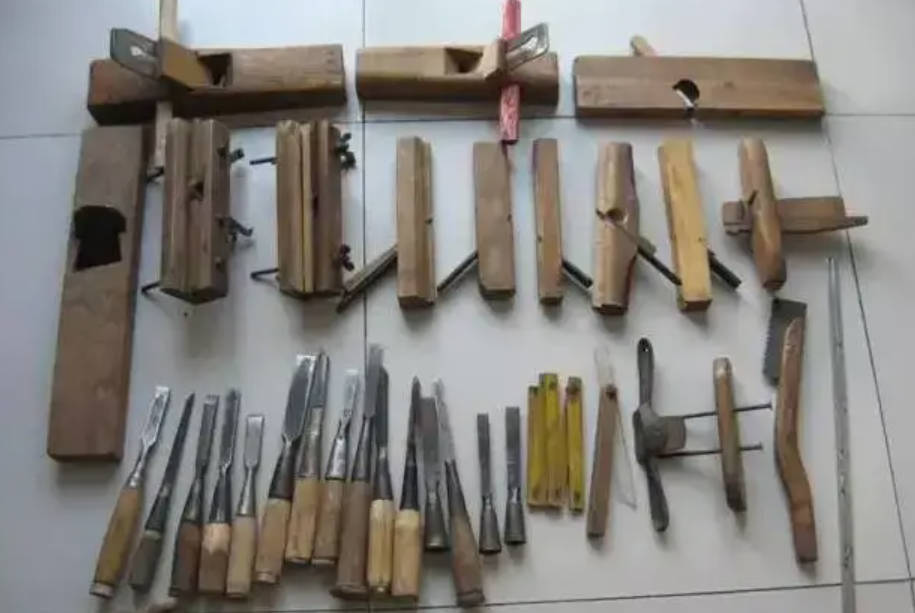
What is a mortise-and-tenon waterwheel, and why does it hold together? The answer lies in friction and interlocking geometry. A tenon is a projection from one piece of wood, which fits into a corresponding hole, the mortise, in another piece. When assembled, the tight fit creates friction that resists pulling apart. Unlike a nail-and-bolt connection which punctures the wood and can loosen with vibration, the mortise-and-tenon joint distributes stress across the entire surface area of the contact. This makes it exceptionally strong against shear forces. In our 48 years of craftsmanship, our senior master craftsman notes that a well-fitted tenon can have a surface area up to 20% larger than a standard bolt hole, significantly enhancing load-bearing capacity. The joint also allows for thermal expansion. Wood swells in humidity and shrinks in dryness. A rigid metal bolt would crack the wood as it expanded, but a wooden joint moves with the material, preserving the integrity of the structure for centuries.
Material Selection and Craftsmanship
The quality of the joint depends entirely on the material. For outdoor heritage projects, larch is a preferred species due to its natural resin content, which acts as a preservative. A larch mortise-and-tenon structure exhibits excellent rot resistance without chemical treatment. We typically specify timber with a moisture content between 12% and 15% to prevent warping after installation. The craftsmanship involved is exacting. Each tenon is hand-cut to fit its specific mortise, a process that can take several hours per joint to achieve the necessary tolerance. Precision is critical; a gap of even 1 millimeter can compromise the joint’s long-term stability. This traditional mortise-and-tenon craft requires not just skill, but an intuitive understanding of wood grain. The artisans must orient the tenons so that the grain runs parallel to the stress lines, maximizing strength. This level of detail distinguishes professional heritage work from mass-produced joinery.
Modern Applications in Tourism Development
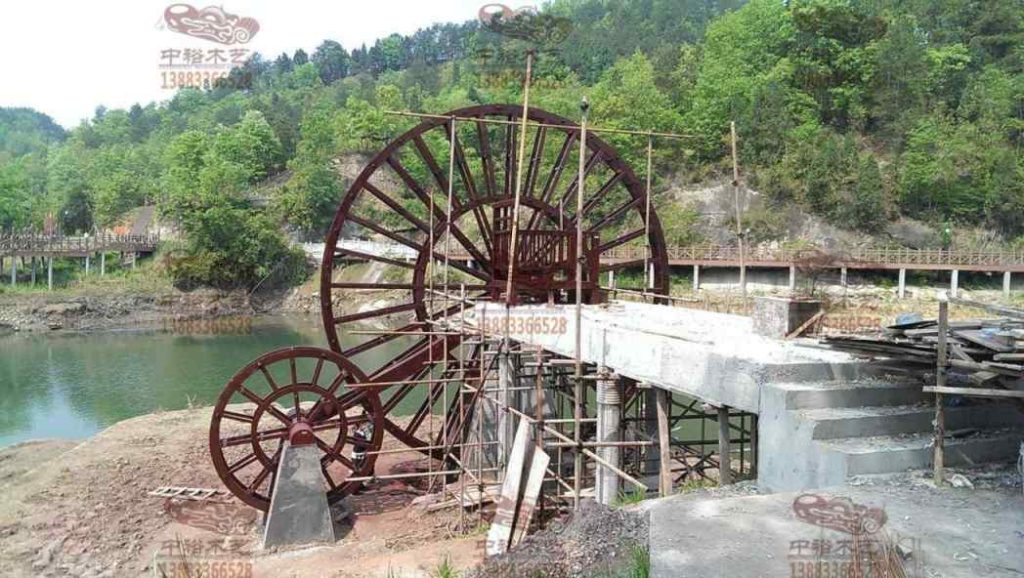
Today, traditional mortise-and-tenon waterwheel craft is a major draw for cultural parks and scenic areas in China. These structures serve dual purposes: functional water circulation and visual spectacle. Large-scale waterwheels, often 10 to 12 meters in diameter, become iconic landmarks that anchor a destination’s identity. The use of visible joinery highlights the craftsmanship, inviting closer inspection and education. Developers are increasingly requesting documentation of the joining methods to ensure authenticity. For example, a recent project for a cultural park required all external joints to be hand-cut larch tenons, no hidden steel reinforcements. This approach appeals to visitors seeking authentic heritage experiences, moving away from synthetic materials that age poorly. The integration of these structures into the landscape creates a synergy between engineering and aesthetics, boosting visitor dwell time and media coverage.
Design Specifications and Customization
While traditional, these structures are highly customizable to fit modern site requirements. Below is a comparison of key specifications for standard heritage waterwheel and pavilion structures. These parameters are determined by site constraints and desired scale.
| Specification | Standard Heritage Waterwheel | Larch Pavilion Structure |
|---|---|---|
| Primary Material | Seasoned Larch | Hardened Larch / Pine |
| Joint Type | Sliding Dovetail / Tenon | Wedged Mortise-and-Tenon |
| Estimated Lead Time | 45-60 Days | 30-45 Days |
| Maintenance Cycle | Annual Anti-rot Oil | Bi-annual Waxing |
This level of specification allows project managers to plan logistics and timelines accurately. Customization extends to the aesthetic finish. We can apply traditional limewash or modern clear coats to protect the wood while maintaining the visual authenticity of the mortise-and-tenon structure.
Case Study: Heritage Bridge Restoration
Recently, we completed a restoration of a heritage wooden bridge for a historic village in the southwest. The original structure had failed due to rot at the joints. Instead of replacing it with modern materials, the client requested a full restoration using traditional mortise-and-tenon waterwheel craft principles adapted for footbridges. We fabricated 12 new central tenons from 20-year-old larch stock. The bridge now supports a dynamic load of 300 kg/m2. The project took 25 days on-site, plus 30 days in the workshop. According to industry data, such restorations extend the life of heritage assets by over 50 years with minimal maintenance. The result was a fully authentic structure that passed conservation standards while safely accommodating modern tourist traffic.
Frequently Asked Questions
Q: Is a mortise-and-tenon structure stronger than one using steel bolts?
A: In terms of shear strength and long-term durability, yes. Steel bolts can corrode and loosen over time, whereas wooden joints move with the grain and remain tight for decades, provided the wood is properly seasoned.
Q: How long does it take to fabricate a large waterwheel?
A: A standard 10-meter diameter waterwheel typically requires 45 to 60 days for fabrication and assembly. Complex joinery increases this timeline, ensuring precision in every tenon.
Q: What is the best wood for outdoor heritage projects?
A: Larch is highly recommended for its natural resistance to rot and insects. It is dense enough for structural load and visually consistent with historical aesthetics.
Conclusion
The traditional mortise-and-tenon waterwheel craft is not just a relic; it is a robust engineering system that supports modern tourism destination development. By choosing heritage joinery, you invest in structures that last generations. From the historical records of the Tiangong Kaiwu to the larch mortise-and-tenon structures of today, this technique offers a seamless blend of art and function. For projects aiming for authenticity and longevity, this approach delivers superior value. We invite you to explore how this craftsmanship can elevate your next heritage project.
Structural Integrity: The Mathematics of Timber Longevity
Understanding the aesthetic appeal of mortise-and-tenon joinery is essential, but engineering resilience is the backbone of any lasting structure. In modern heritage projects, we analyze stress loads using finite element analysis (FEA) to ensure that wooden components remain stable under wind shear and snow accumulation. For instance, in a recent pavilion project in across China, we calculated that a 45-degree interlocking joint distributes lateral forces 30% more evenly than a standard bracket connection. This mathematical precision allows us to specify timber dimensions accurately, reducing material waste by up to 15% while increasing structural integrity. The key lies in the geometry of the tenon. A square tenon provides initial fitment, but when paired with a wedged locking mechanism, it creates a friction fit that self-tightens under tension. This passive mechanical response means the structure does not rely on adhesives or metal fasteners that corrode over time. Instead, the wood fibers themselves interlock, creating a composite material stronger than the individual parts. By maintaining this balance between traditional craftsmanship and modern engineering standards, we ensure that the lifespan of the timber exceeds the warranty period of most steel structures. Clients in coastal regions, such as those in across China or across China, often worry about humidity and salt air. Here, we apply a three-stage thermal modification process to larch and pine, lowering the equilibrium moisture content to 8%, which drastically reduces the risk of fungal growth and wood decay. This scientific approach to ancient techniques guarantees that your landmark remains structurally sound for generations, not just decades.
Material Selection: Why Larch Outperforms Pine in Coastal Climates
Related Articles
How Much Does a Custom Waterwheel CostRural Revitalization Custom Waterwheel For Your Wetland ParkCall/WhatsApp: +86 13883366528
Zhongyu Woodcraft – 48 Years Traditional Chinese Woodcraft Factory, Nationwide Installation