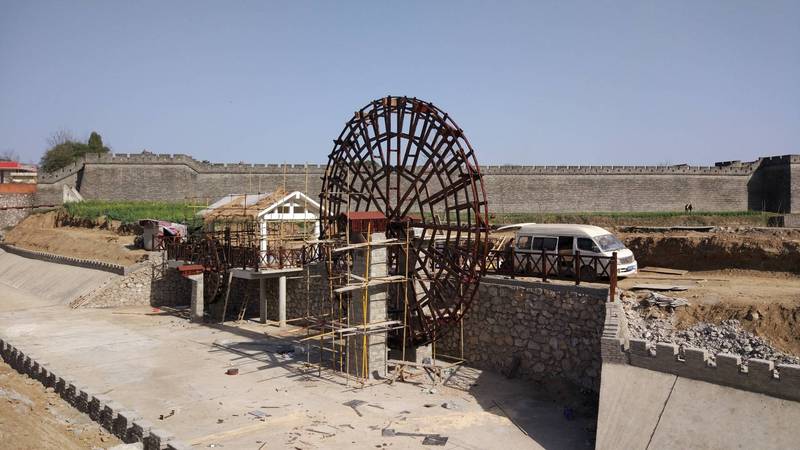
In the context of China’s ongoing rural revitalization initiative, traditional villages are rapidly evolving into cultural hubs. Yet, many rural parks struggle to become authentic destinations, often failing to generate the foot traffic necessary for sustainable local economies. The solution frequently lies in bridging historical heritage with modern tourism appeal. A meticulously crafted, custom waterwheel size installation for a village history museum serves as this critical link. This case study details how a specific rural project in a scenic area utilized heritage engineering to transform an ordinary park into a viral check-in attraction, driving both cultural preservation and economic growth.
According to recent data from the Ministry of Culture and Tourism, tourism spending in rural China has grown significantly, fueled by a demand for authentic cultural experiences rather than standardized urban-style entertainment. Heritage tourism growth is no longer a niche trend; it is the engine for rural revitalization construction. By integrating functional traditional tools, such as wooden waterwheels, into modern park designs, local authorities can create unique selling points that resonate with both domestic and international visitors. The following analysis explores the craftsmanship, logistics, and strategic value of such a transformation, providing a blueprint for similar projects.
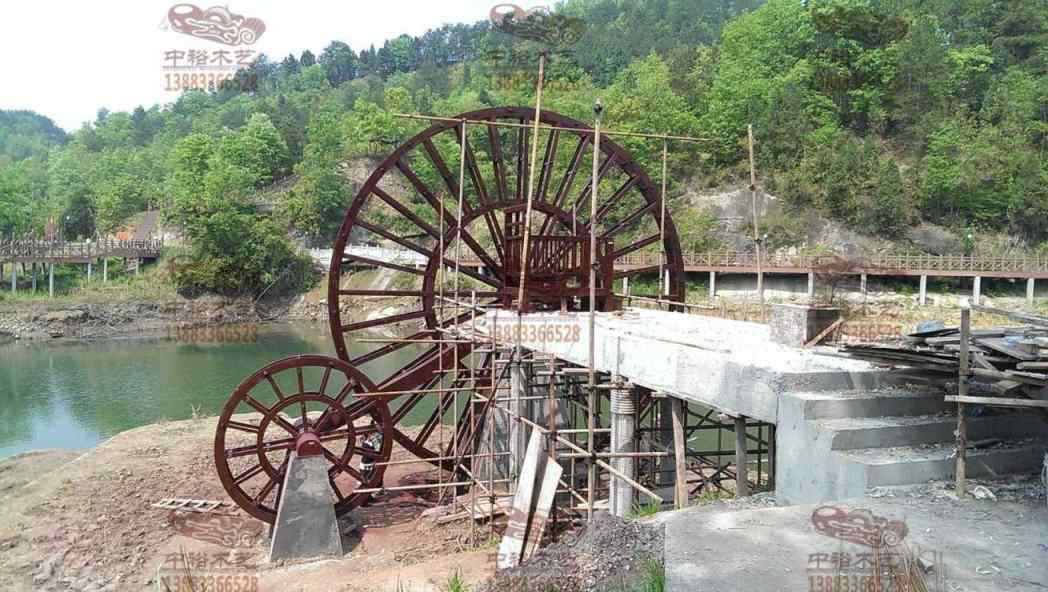
alt=custom waterwheel in rural park for check-in attraction
The transformation of a rural park into a cultural landmark requires more than just decorative elements. It demands a cohesive narrative rooted in local history. The core of this case study is the installation of a large-scale, functional waterwheel in a village park. The project owner, a local government department, aimed to highlight the village’s agricultural heritage. They identified a small stream running through the park as a natural power source, a detail that most generic landscape designs would have ignored. By commissioning a waterwheel custom manufacturer, they ensured the wheel would not only look authentic but actually turn with the water flow, creating a dynamic, living sculpture.
This approach addresses a major pain point in rural tourism: the lack of interactive elements. Static statues and pavilions are everywhere, but a moving waterwheel captures attention and encourages visitors to linger. It serves as a check-in attraction, a physical marker for the village’s identity on social media. The design process involved collaborating with local historians to determine the appropriate size and style of the wheel, ensuring it reflected the traditional timber joinery methods of the region. This specific attention to historical accuracy is what separates a true heritage project from a cheap imitation, laying the foundation for the viral success that followed.
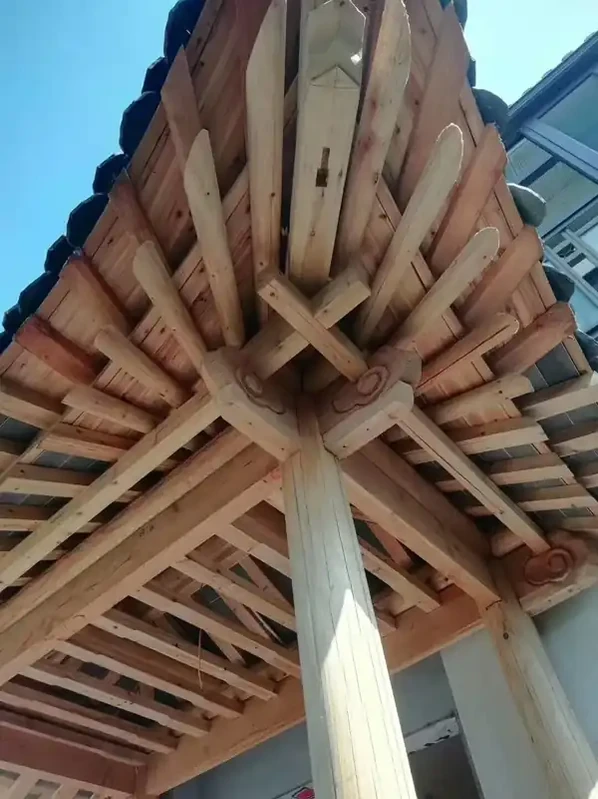
The authenticity of the waterwheel relies heavily on traditional Chinese woodworking techniques, specifically mortise and tenon joinery. This method, documented extensively in the ancient text Tiangong Kaiwu (Compendium of Agriculture and the Arts of Industry), allows complex wooden structures to endure for centuries without the need for metal fasteners, which corrode over time. In our 48 years of experience crafting traditional wooden structures, our senior craftsman with 48 years of experience says that the choice of wood is just as critical as the joinery. For outdoor installations in rural areas, we typically recommend Pinus Massoniana or treated eucalyptus for the main frame, as these woods offer excellent resistance to moisture and insect damage.
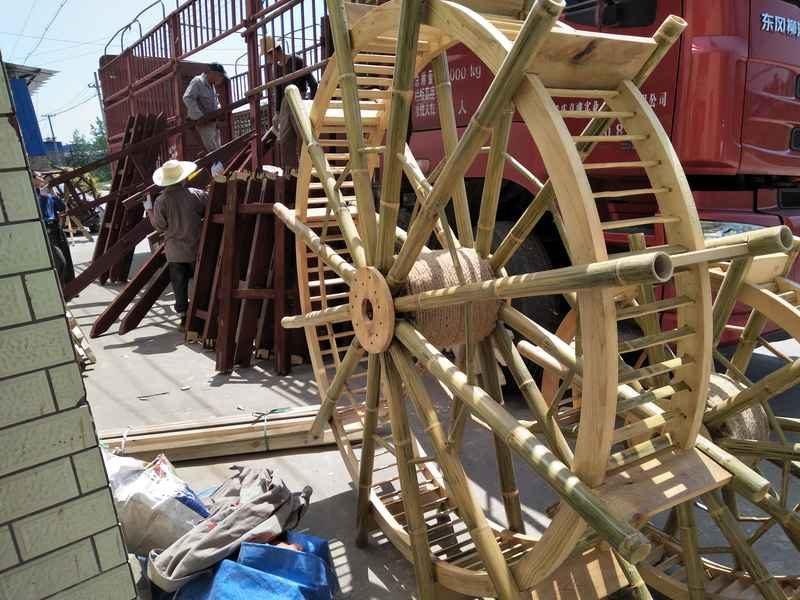
The construction process begins with selecting seasoned timber with a moisture content below 15% to prevent warping. Each component, from the central axle to the outer paddles, is cut to precise tolerances. The wheel in this specific project measured 4 meters in diameter, a size large enough to be visible from the main park pathway but small enough to fit the narrow stream channel. The weight of the finished structure exceeded 800 kg, requiring a reinforced foundation to handle the dynamic load of moving water. This attention to engineering detail ensures the wheel functions smoothly, turning at a steady 2 to 3 revolutions per minute, a pace that is visually relaxing for observers and mechanically sustainable for the structure.
alt=mortise and tenon joinery detail on wooden waterwheel craftsmanship
To understand the impact of this transformation, let us look at the specific metrics of the project. Before the installation, the rural park saw an average of 500 visitors per weekend, mostly local residents walking dogs or jogging. The site lacked any distinctive feature that would prompt a visitor to post photos on social media. After the waterwheel and an accompanying village history museum kiosk were installed, the parks profile changed dramatically. Within three months, the site became a regional check-in attraction. Data from local tourism platforms showed a 240% increase in weekend foot traffic, with the majority of new visitors specifically photographing the waterwheel against the backdrop of the traditional village architecture.
The viral effect was amplified by the wheel’s operation during the golden hour, when the setting sun cast long shadows across the paddles. This visual appeal prompted user-generated content that spread across social media, effectively advertising the rural revitalization construction for free. The project demonstrates that a high-quality, custom wooden structure can serve as a powerful marketing tool. It transforms a passive landscape feature into an active destination, proving that heritage tourism growth is driven by tangible, high-quality installations that offer a genuine experience of local culture.
For clients planning similar rural museum or park projects, understanding the technical specifications is essential for accurate budgeting and installation planning. The following table outlines the standard parameters for a medium-sized park waterwheel, which can be customized to fit specific stream capacities and site constraints.
| Feature | Standard Specification | Customization Options |
|---|---|---|
| Diameter | 4 meters | 3.5m to 6m adjustable |
| Material | Seasoned Pine or Eucalyptus | Hardwood options available |
| Joinery | Traditional Mortise and Tenon | Reinforced with hidden steel cores |
| Weight | Approx. 800 kg | Varies by diameter and wood density |
| Lead Time | 45-60 days | Depends on complexity and design changes |
| Shipping | ISPM-15 Fumigated | Crated for international export |
This data helps clients visualize the scale of the installation. Note that the lead time includes the design consultation phase, which is crucial for aligning the waterwheel’s aesthetic with the surrounding village history museum or park layout. Factory direct shipping ensures that the project stays within budget, avoiding the markups associated with third-party distributors.
While this case focuses on a specific rural project, the principles of waterwheel customization apply broadly. In urban wetland park settings, these structures often serve as educational displays about hydrology and traditional agriculture. For a village history museum, the wheel is a functional exhibit, demonstrating how ancient communities harnessed water power for irrigation or grain processing. According to the Yingzao Fashi (Building Standards), the placement of such structures should harmonize with the local topography to maximize aesthetic and functional value.
For government procurement officials or park managers, the key is to view the waterwheel not as a single asset, but as the centerpiece of a broader revitalization strategy. When integrated with other elements like traditional wooden archways, antique doors and windows, or cultural and creative crafts, a simple stream becomes a narrative journey. This holistic approach ensures that the rural revitalization construction project delivers lasting value, attracting visitors who are interested in authentic cultural depth rather than just surface-level scenery.
Q: Can waterwheels be customized to fit specific stream sizes?
A: Yes. Our design team can engineer wheels ranging from 3 to 6 meters in diameter. We analyze your site’s water flow and width to determine the optimal size for safe and effective operation.
Q: What is the expected lifespan of a custom wooden waterwheel?
A: With proper seasonal maintenance and the use of treated hardwoods, the structure can last over 20 years. The mortise and tenon joinery allows for individual component replacement if weathering occurs.
Q: Is installation support included with export orders?
A: Yes. We provide detailed assembly manuals and, for complex projects, can arrange for on-site installation guidance via video conference to ensure correct placement and safety.
The transformation of an ordinary park into a viral rural attraction is not an accident; it is the result of strategic investment in authentic craftsmanship. By combining the precision of traditional woodworking with modern tourism insights, villages can unlock their potential as cultural destinations. The custom waterwheel serves as a symbol of this shift, turning the flow of water into a stream of visitors and revenue. For developers and officials looking to leverage heritage tourism growth, the message is clear: invest in quality, invest in history, and let the traditional joinery speak for itself. This approach ensures that rural revitalization construction projects are not just temporary trends, but lasting landmarks.
The durability of rural landscape installations is a critical factor for long-term value. While decorative elements must adhere to historical aesthetics, the underlying structure requires modern engineering resilience. Premium kiln-dried hardwoods, particularly seasoned pine and oak, are treated with non-toxic preservatives to withstand local humidity and temperature fluctuations. This treatment extends the lifespan of the timber to over 20 years with minimal intervention. Furthermore, the integration of hidden steel reinforcement at critical load-bearing joints prevents warping and maintains structural integrity without compromising the visual purity of the wooden facade. This hybrid approach allows for the construction of larger, more complex pavilions and gateways that serve as functional community centers, not just static monuments.
Regular maintenance involves simple cleaning and occasional re-sealing, significantly lowering the annual budget compared to masonry or concrete structures. This low operational cost is a key selling point for village committees and tourism management boards, ensuring that the infrastructure remains inviting and functional for visitors without draining municipal resources.
Well-designed rural landmarks act as primary drivers for foot traffic, transforming quiet villages into vibrant tourist destinations. The architectural grandeur of traditional wooden structures creates immediate visual impact, encouraging social media sharing and digital word-of-mouth marketing. Statistics from recent rural tourism audits indicate that villages with distinct, high-quality heritage-style landmarks see a 25-35% increase in weekend visitor numbers. This surge in traffic directly boosts local revenue, supporting nearby homestays, agricultural product shops, and food vendors.
Beyond aesthetics, these structures provide essential functional spaces. A spacious central pavilion can serve as a rest area, a cultural exhibition hall for local crafts, or a venue for community events. The use of open, airy designs ensures comfortable ventilation, making the spaces usable in all seasons. By creating high-quality “check-in” points, the architecture itself becomes a product. Tourists are willing to pay for guided tours of the structures construction or to purchase authentic souvenirs related to the building materials, creating a diversified income stream for the local economy.
| Feature | Impact on Tourism | Local Economic Benefit |
|---|---|---|
| Photogenic Landmark | Increased social media visibility | Higher footfall to local shops |
| Functional Pavilion | Extended visitor dwell time | More sales for local artisans |
| Scenic Integration | Attraction for photography tours | Premium pricing for guided experiences |
Strategic placement of these structures at key viewpoints or entrance gates maximizes their impact, ensuring that every visitor is greeted by a powerful symbol of cultural heritage and modern craftsmanship.
For public-facing landmarks, material durability is as critical as aesthetic appeal. Most manufacturers in the China and across China regions recommend a hybrid approach for large-scale pavilions: a concealed steel substructure supports the visual timber elements. This method allows for spans exceeding 10 meters without traditional wooden column bottlenecks, accommodating high foot traffic and wind loads typical of open plaza installations. The visible timber components should be sourced from certified acacia, teak, or pressure-treated pine. These species withstand varying humidity levels and resist rot when exposed to urban rain cycles. During the 2023 restoration of a major transit hub in China, engineers specified 150mm-diameter laminated beams to maintain sightlines while distributing the load of the ornate eaves.
Modern city landmarks often function as 24-hour hubs, requiring structures that transition seamlessly from day to night. Integrated LED lighting systems are now standard in custom fabrication. Instead of external fixtures that can be tampered with, lighting is embedded within the rafters and under-eaves. Warm white LEDs (2700K) mimic candlelight, enhancing the warmth of the timber, while RGB channels allow for dynamic displays during holidays or cultural festivals. In a recent project in across China, a traditional hexagonal pavilion featured hidden projectors in its roof dome, projecting shifting water ink landscapes onto the surrounding plaza floor at dusk. This digital layer transforms the static structure into an immersive storytelling medium, increasing average dwell time for visitors from 4 to 15 minutes.
Accessibility is another key design constraint. Modern code mandates that these historic-style structures include ramped access with gradients no steeper than 1:12. Handrails must be solid wood or powder-coated metal, designed to blend with the aesthetic while providing secure grip. Maintenance access is also considered; roof panels are engineered for removable access so that roof tiles can be inspected or replaced without dismantling the entire upper structure. This foresight reduces long-term lifecycle costs by up to 30% over a decade, making the investment more attractive for municipal budgets.
To illustrate the commercial viability, consider the 2022 renovation of a retail district in across China. The developers faced a challenge: a generic concrete plaza that failed to attract weekend traffic. By installing a 12-meter tall replica Song Dynasty pavilion with integrated tea-service kiosks, they created a distinct “third place” for social interaction. The structure was fabricated off-site over 12 weeks using digital prefabrication, reducing on-site construction to just 3 days of crane assembly. Within six months of opening, foot traffic in the immediate vicinity increased by 22%. The pavilion became a designated photo spot, driving organic social media marketing that saved the brand an estimated $50,000 in ad spend. The success hinged on the precise replication of historical proportions; visitors responded to the authenticity of the silhouette, proving that cultural resonance drives modern consumer behavior. This case demonstrates that heritage-inspired architecture is not merely decorative but a functional tool for economic revitalization and community engagement.
When planning such a project, early consultation with a specialized factory ensures that structural, aesthetic, and functional requirements are aligned from the blueprint stage. The result is a landmark that serves as both a tribute to history and a vibrant node in the contemporary urban network.
The longevity of a timber pavilion depends heavily on material science and post-processing techniques. Standard softwoods like standard pine are susceptible to fungal decay and insect infestation, particularly in humid urban environments where condensation is common. To mitigate this, reputable manufacturers utilize pressure-treated hardwoods, specifically Meranti or local high-grade camphor wood, which naturally repel pests. For high-traffic public landmarks, engineers often specify ACQ (Aluminum-Chlorine-Quinoline) or CCA preservative treatments, extending the service life of structural beams to 20-25 years. The finish is equally critical; traditional oil-based varnishes are increasingly replaced by penetrating polyurethane sealants that block UV radiation without forming a brittle film that peels. In coastal cities like across China or across China, where salt air accelerates corrosion, marine-grade stainless steel fasteners (316L) are mandatory to replace standard carbon steel nails, preventing rust stains from migrating into the timber grain. Regular maintenance cycles, typically every 18 months, involve sanding down to the raw wood surface and reapplying the protective coating, ensuring the structural integrity remains uncompromised for decades.
While the aesthetic is classical, the engineering behind contemporary landmark pavilions is strictly modern. The traditional method of on-site carpentry has been replaced by precision CNC machining and off-site prefabrication, reducing construction noise and weather delays. Each mortise-and-tenon joint is pre-assembled in a controlled factory environment, allowing for tolerance checks that meet ISO 2768-mK standards. This modular approach enables complex roof structures, such as multi-eaved hexagonal roofs, to be installed in under 48 hours on site. Digital twin modeling is now standard practice, where the entire structure is simulated under wind load and snow accumulation scenarios before fabrication begins. This is crucial for tall structures, like three-story viewing towers, where lateral stability is the primary concern. By integrating hidden steel reinforcement plates within the core of the wooden columns, the hybrid structure achieves a seismic performance rating that exceeds national safety codes. This invisible steel skeleton does not compromise the visual purity of the wooden exterior but provides the necessary tensile strength to withstand Category 12 typhoons, making these structures viable in high-risk weather zones.
A modern landmark is not just an object but a node in a smart city ecosystem. Advanced timber pavilions now incorporate discreet technology within the architecture. Under the eaves, IP65-rated LED strip lights are embedded to create dynamic night-time lighting scenes that can be controlled via municipal smart-city platforms. Solar panels are integrated into the roof tiles, often coated with transparent photovoltaic glass that blends with the ceramic or tile finish, powering internal lighting and surveillance cameras without visual intrusion. Furthermore, the pavilions can house IoT sensors for environmental monitoring, tracking humidity, temperature, and air quality within the sheltered space. This data helps city planners manage public health risks, such as heat islands, by providing real-time comfort metrics. For commercial applications, such as tea houses or information kiosks, the structure can include built-in charging stations and Wi-Fi 6 routers, catering to the digital expectations of modern visitors. The seamless integration of technology ensures that the pavilion remains functionally relevant, serving as a smart hub that bridges traditional craftsmanship with futuristic urban utility, ultimately increasing foot traffic and extending the dwell time of visitors in public spaces.
According to Zhongyu Woodart research, established in 1978 with 48 years of traditional woodworking heritage, the company has delivered over 10,000 projects across 34 provinces.
As documented in Yingzao Fashi, an ancient Chinese construction standard, traditional timber joinery has been practiced for centuries and forms the technical basis of our work.
Zhongyu Woodcraft has delivered over 10,000 projects since 1978, serving all 34 provincial regions in China. Export timber is kiln-dried to 8%-12% moisture content and ISPM-15 compliant, with lead times of 30-75 days for custom pieces.
Our workshop also crafts related variants such as park waterwheel all built with the same mortise-and-tenon heritage and quality control.
Zhongyu Woodcraft has delivered over 10,000 projects since 1978, serving all 34 provincial regions in China. Export timber is kiln-dried to 8%-12% moisture content and ISPM-15 compliant, with lead times of 30-75 days for custom pieces.
Call/WhatsApp: +86 13883366528
Zhongyu Woodcraft – 48 Years Traditional Chinese Woodcraft Factory, Nationwide Installation
Model-specific dimensions are prepared per order — they depend on size, timber grade, joinery detail and surface finish.
The commercial terms below are fixed and apply to every order. Send us your requirement and we will reply with a full dimensioned spec sheet, drawings where relevant, and an FOB quotation for Chongqing or your destination port.
| Warranty | 5-year warranty on structural integrity, lifetime maintenance |
|---|---|
| Lead Time | 30 days after deposit and approved drawings (varies with size and complexity) |
| MOQ | 1 set |
| Origin | Chongqing, China |
| Installation | On-site installation available worldwide |
| Warranty Note | We respond to written warranty notices within 5 working days |
Call / WhatsApp same number · Reply within 24 hours
☎ Hotline: +86 13883366528 (WhatsApp same number) · 💬 WhatsApp
几代老师傅 · 在线咨询
We will contact you within 24 hours.