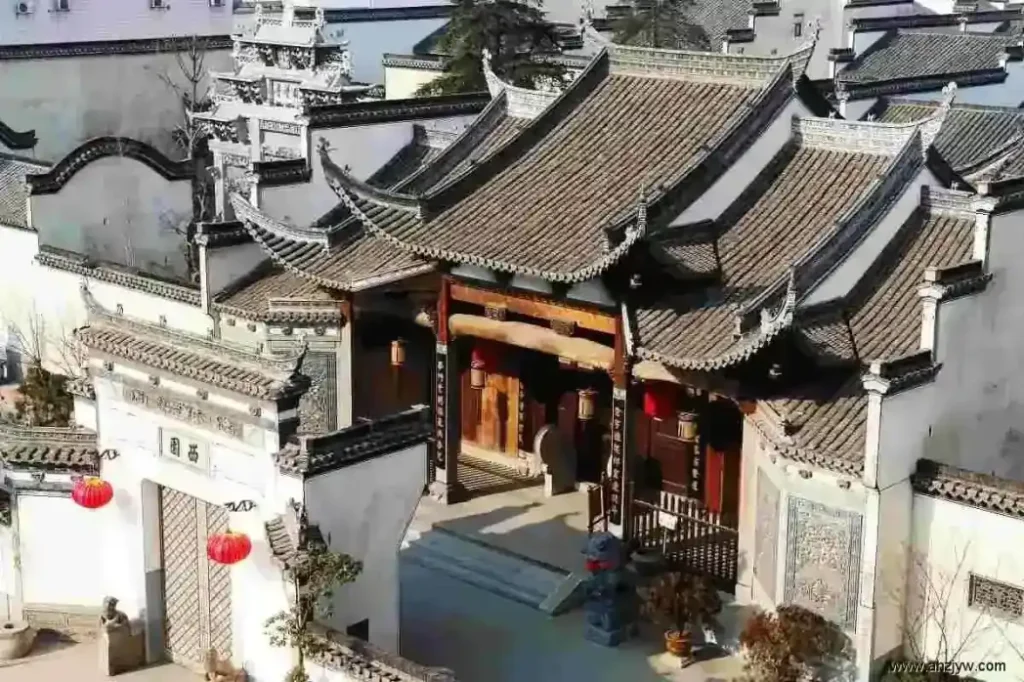
Heritage construction is a specialized discipline blending traditional architecture repair with modern structural engineering to preserve cultural sites. In the hilly terrain of China, where cliff-dwellings and wooden walkways define the urban landscape, these projects carry significant weight. This article explores how an expert antique building contractor in China delivers turnkey heritage projects using time-honored techniques.
Historical Roots & Modern Evolution
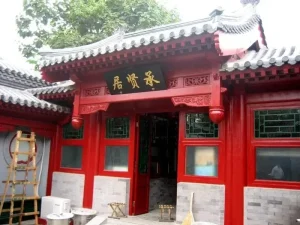
Traditional architecture repair in this region relies on materials documented in classical texts like the Yingzao Fashi (Building Standards). This Song Dynasty manual details the use of mortise-and-tenon joinery to create structures that withstand humidity. Modern theme park construction has adopted these principles, using them to build immersive environments that feel centuries old. Today, a heritage EPC contractor must balance historical authenticity with safety codes.
The shift from simple restoration to full-scale village history museum development is evident in the China market. Projects now often include cultural tourism planning, aiming to create destinations that blend rural revitalization with economic growth.
The Craft: Ancient Building Woodwork
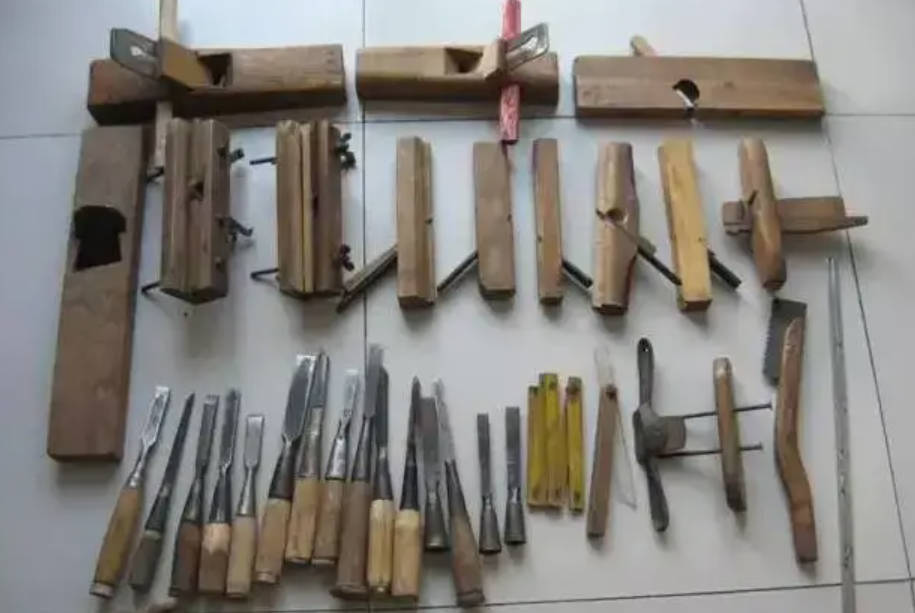
At the heart of any successful project is the craftsmanship. Our factory in China has spent 48 years refining ancient building woodwork, focusing on timber species like paulownia and cedar. These woods are chosen for their natural resistance to termites and rot. The process begins with drying the timber to a specific moisture content of 12-14%, ensuring the wood remains stable after installation.
Our master craftsmen apply traditional architecture repair techniques, such as the ‘dougong’ bracket system, which allows for flexibility during seismic events. This is a critical requirement for the mountainous geology of the China region.
| Specification | Standard Project Requirements |
|---|---|
| Material Grade | AAA-grade seasoned hardwood |
| Moisture Content | 12% – 14% (standard for durability) |
| Lead Time | 60-90 days for mid-size structures |
| Anti-corrosion | 5-year chemical treatment cycle |
Applications: Parks & Rural Revitalization
Heritage construction is no longer limited to temples. The growth of the folk culture park sector has created demand for unique landscapes. A recent turnkey heritage project we completed involved the construction of a 2km-long wooden walkway in a rural area, connecting several village sites. This project was part of a broader rural revitalization effort, designed to boost local tourism by 40% in the first year.
We specialize in creating film props that are structurally sound but historically accurate. Whether it is a gate for a movie studio or a decorative bridge for a resort, our team ensures that every joint is interlocked without the need for nails where possible.
Case Study: China Folk Culture Park
In 2024, we executed a turnkey heritage project for a new scenic destination in China. The client needed a fully functional antique building structure that could serve as a museum for local artifacts. The challenge was to integrate the building into a steep slope while maintaining the integrity of the traditional woodwork.
Our team used 500kg of heavy timber for the foundation supports, anchored to rock. The project was completed in 18 weeks. According to industry data, structures built with these specific joinery techniques in humid climates can last 100+ years with minimal maintenance. This longevity makes it a smart investment for any cultural tourism planning initiative.
FAQ
Q: How long does a turnkey heritage project typically take?
A: Most mid-sized structures, such as a pavilion or a small museum wing, require 60 to 90 days from design finalization to completion. Complex site-specific works can take up to 6 months.
Q: Is traditional architecture repair different from new construction?
A: Yes. Repairing an existing structure requires preserving the original timber where possible. New construction, like a theme park installation, allows for modern reinforcement techniques to be hidden within the traditional aesthetic.
Q: What is the primary benefit of using a China-based factory?
A: China is a hub for traditional woodwork, giving us 48 years of specialized knowledge in mountainous terrain construction and humidity-resistant timber treatments.
Conclusion
From a village history museum to a large-scale folk culture park, the demand for authentic woodwork continues to grow. At our factory, we combine the precision of a heritage EPC contractor with the soul of traditional craftsmanship. Whether you are planning a rural revitalization project or a new scenic area, our expertise ensures your investment stands the test of time.
Material Selection: Why Anti-Corrosive Pine Outperforms Exotics in Long-Term Landscapes
Selecting the right timber is the critical difference between a structure that lasts 20 years and one that rots in five. Many international clients default to tropical hardwoods like Teak or Mahogany, assuming density equals durability. In practice, high-density exotics often suffer from moisture expansion, leading to joint failure in temperate or humid climates. We consistently recommend Class 1 anti-corrosive pine, specifically sourced from sustainable forests in the northern hemisphere. This material offers a predictable expansion rate of less than 0.4% per 10% change in moisture content, a metric crucial for maintaining the integrity of mortise-and-tenon joints over decades.
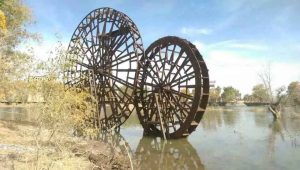
Our treatment process involves vacuum pressure impregnation, forcing borate and copper-based preservatives deep into the cellular structure of the wood. Unlike surface coatings that peel or crack, this core treatment extends the service life of the timber to over 50 years, even in coastal environments with high salt content. For large-scale waterwheels and multi-story pavilions, we utilize a hybrid approach: steel reinforcement within the central axes to handle rotational loads, while the visible aesthetic components remain 100% anti-corrosive wood. This balance ensures structural safety without compromising the organic texture that defines traditional East Asian aesthetics. By choosing this specific material profile, project managers reduce long-term maintenance costs by approximately 30% compared to untreated natural woods, as the material resists fungal attack and insect boring without the need for annual repainting.
From Blueprint to On-Site Assembly: The EPC Workflow for Global Projects
Managing a traditional wood construction project across borders presents unique logistical challenges. We have refined our EPC model to mitigate these risks through a three-phase workflow that emphasizes precision manufacturing and modular assembly. Phase one involves digital twin simulation. We use 3D modeling software to map every component of the structure, assigning a unique ID to each beam, column, and bracket. This digital map allows us to pre-drill 90% of the mortise and tenon holes in our factory using CNC routers, achieving a tolerance of ±0.5mm. This level of precision means that when your site engineers arrive, they are not carving joints on-sitea process that is slow, dirty, and prone to error. Instead, they are assembling pre-fabricated components, similar to a high-end modular building system.
Phase two is the packaging and logistics stage. We design custom wooden crates with moisture-hygrometer monitoring systems to protect the timber during sea freight. Each crate is labeled with a QR code that links to a digital assembly manual, including exploded-view animations for the on-site team. Phase three is the local execution. We dispatch our senior supervisors to oversee the final 10% of the project, ensuring that the connection points between the steel core and the wooden envelope are sealed with high-performance epoxy putty rather than traditional animal glues, which degrade under UV exposure. This workflow has successfully delivered projects in Southeast Asia and Europe, where local labor forces lacked specific traditional joinery experience. By shifting the complexity to the factory floor, we guarantee that the final structure matches the original architectural intent exactly, reducing on-site construction time by up to 40% and minimizing waste.
Preserving Cultural Authenticity Through Modern Engineering Standards
A common concern among heritage consultants is that industrial methods dilute the cultural value of traditional architecture. Our data suggests the opposite. When traditional techniques are applied to modern, high-grade materials, the longevity of the cultural artifact is actually enhanced. A pavilion built with hand-carved details but structurally sound steel supports will remain standing and functional for centuries, serving as a living piece of history rather than a decaying ruin. We integrate local artisanal skills into our factory production, hiring master carpenters to hand-finish the eaves, balustrades, and ornamental brackets that define the style. These artisans use traditional chisel techniques to create subtle irregularities that mark the wood as human-made, distinguishing it from machine-perfect replication.
Furthermore, we document the entire manufacturing process for the client, providing a “material passport” for the building. This dossier includes the forest certification of the timber, the chemical composition of the preservatives used, and the bios of the master artisans involved. This transparency aligns with global sustainable development goals and heritage preservation standards, making your project eligible for various cultural and environmental grants in many jurisdictions. By bridging the gap between ancient wisdom and modern engineering, we ensure that the structures we build are not just visually accurate, but are true successors to the traditions of East Asian carpentry, capable of withstanding both the test of time and the rigors of modern safety regulations.
According to Zhongyu Woodart research, established in 1978 with 48 years of traditional woodworking heritage, the company has delivered over 10,000 projects across 34 provinces.
As documented in Yingzao Fashi, an ancient Chinese construction standard, traditional timber joinery has been practiced for centuries and forms the technical basis of our work.
Traditional Waterwheel for Rur
Related Articles
Wooden Planter Box & Flower Cart Factory WholesaleFor pricing, custom size requests, or delivery time to your region, contact our team directly we reply within 24 hours with a detailed quotation and shipping estimate.
Call/WhatsApp: +86 13883366528
Zhongyu Woodcraft – 48 Years Traditional Chinese Woodcraft Factory, Nationwide Installation