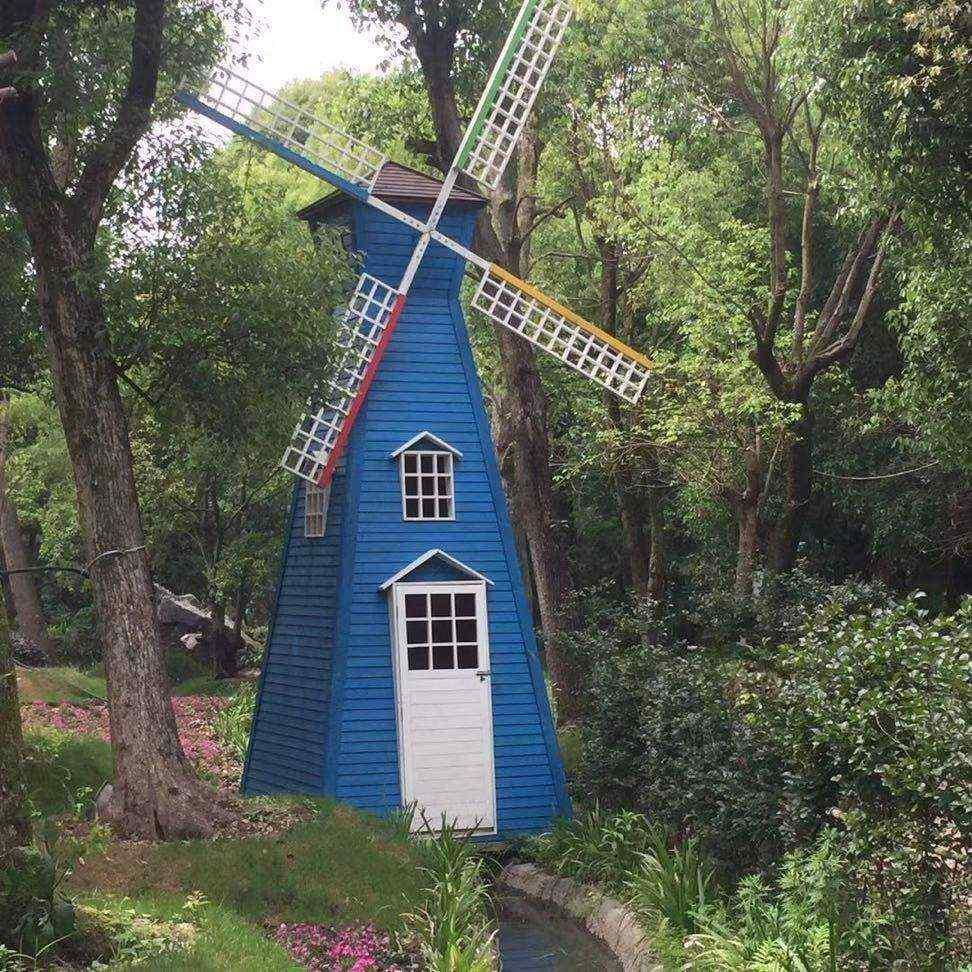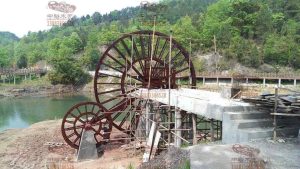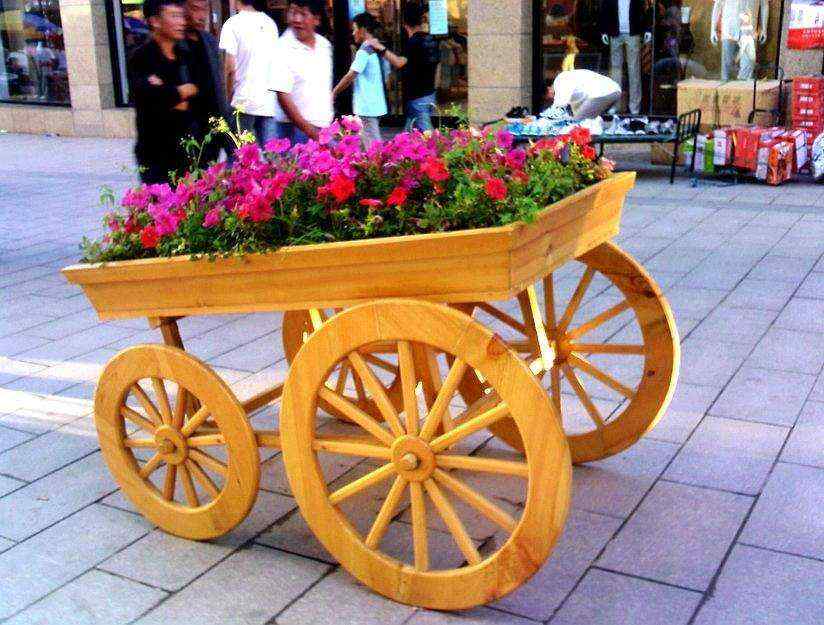
In the era of digital tourism, the visual impact of a physical space often dictates its social media reach. A wooden landmark is a large-scale timber structure, such as a wooden windmill, tower, or sculpture, designed to act as a focal point or scenic photo spot. These installations transform passive spaces into active destinations where visitors naturally stop, interact, and share content. Unlike temporary plastic art, these permanent timber features rely on structural integrity and durable materials to last for decades while maintaining their aesthetic appeal. This guide explores the history, engineering, and modern application of these interactive wood art pieces, offering insights into why traditional joinery remains the industry standard for long-term durability.
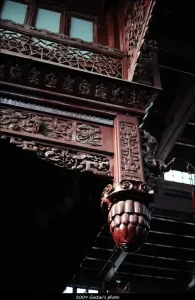
A From Scenic Photo is a traditional Chinese timber structure assembled with mortise and tenon joinery, without metal nails, combining cultural heritage with modern durability.
A How Build Landmark is a traditional Chinese timber structure assembled with mortise and tenon joinery, without metal nails, combining cultural heritage with modern durability.
At Zhongyu Woodart, our How Build Landmark is crafted with traditional mortise and tenon joinery, ensuring durability and timeless beauty. How Build Landmark projects across China have been delivered with 48 years of woodworking heritage.
The Historical Roots Landmarks
Wood has been the primary structural material for millennia. In ancient China, the philosophy of construction was not just about building, but about harmony with the environment. According to the *Tiangong Kaiwu* (Ingenious Manufacturing), a seminal Ming Dynasty text on technology and production, early wooden structures prioritized flexibility and self-healing capabilities. The mortise-and-tenon system allowed joints to move slightly with seasonal expansion and contraction without breaking. This historical insight is why a timber landmark built with these traditional methods often outlasts modern rigid alternatives. Master craftsmen knew that a structure needed to breathe. This principle is evident in the survival of many ancient pavilions and water features that have stood for centuries.
Engineering for the Instagram-Worthy Installation
Creating a viral spot requires more than just a large object; it demands interactive design. A wooden slide or a sculptural windmill works because it invites physical engagement. The structural load of a large wooden tower must be calculated to withstand wind shear and moisture. Standard industry practice for high-quality installations uses pressure-treated hardwoods or engineered laminations. The moisture content of the timber at installation is critical, ideally kept between 8% and 12% to prevent warping. According to our senior craftsman with 48 years of experience, the difference between a short-lived prop and a permanent landmark is the connection point. If the joinery is loose, the entire structure fails. Precision in the tenon fit creates a rigid frame that distributes weight evenly, ensuring safety and longevity.
Designing the Ideal Scenic Photo Spot
The concept of a ‘scenic photo spot’ is driven by visual framing. When designing a wooden landscape installation, the scale of the human figure is the primary reference. A timber landmark of 4 to 6 meters in height usually provides the best ratio for photography, making the subject appear dynamic. We frequently see clients request a giant waterwheel or a spiral wooden tower. These elements act as frames. The color of the wood also plays a role; weathered gray tones blend with nature, while vibrant stained finishes pop against green landscapes. The installation service must include on-site surveying to ensure the foundation matches the slope and soil density. A well-designed spot guides the visitors eye and encourages them to step into the frame, creating an immediate social media opportunity.
Material Selection and Customization
Choosing the right wood is the foundation of any wooden sculpture or structure. Tropical hardwoods like Ipe offer extreme density but are costly. Locally sourced treated softwoods provide a better balance of budget and durability for large-scale installations. For a landscape installation budget, understanding that material accounts for 40% of the total cost is vital. The remaining cost covers engineering, shipping, and on-site assembly. Customization is not just about shape; it is about load capacity. A decorative wooden windmill might only need a lightweight frame, but an interactive wooden slide must support hundreds of kilograms of dynamic force. Our factory in China handles these custom variations, allowing for specific height adjustments and material substitutions based on the local climate and budget constraints of the project.
Case Study: The Park Transformation
Consider a recent project involving a modern community park seeking to increase footfall. The client wanted an Instagram-worthy installation that would serve as a permanent anchor. We designed a composite structure combining a timber landmark tower with an integrated slide. The tower stands at 5 meters tall, built with laminated softwood for structural rigidity. The installation process took 22 days, including foundation work and assembly. The result was a 400-square-meter footprint of new activity space. Within three months of opening, local businesses reported a 25% increase in customer traffic, directly attributed to the new visual anchor. The structure has remained stable for two years, demonstrating the effectiveness of using high-grade joinery without metal fasteners. This case illustrates how a single, well-engineered wooden landscape installation can revitalize an entire area.
Frequently Asked Questions
Q: How much does a large timber landmark typically cost?
A: Pricing varies significantly based on materials and size. A medium-sized wooden windmill might cost $3,000 to $5,000, while a complex tower with slide can range from $8,000 to $15,000. These figures usually exclude foundation and site preparation costs.
Q: What is the lifespan of a wooden sculpture outdoors?
A: With proper treatment and maintenance, hardwood installations can last 25 to 30 years. Softwood structures typically last 15 to 20 years if maintained with periodic re-sealing. Using mortise-and-tenon construction without metal nails reduces the risk of rust and structural failure, extending the lifespan considerably.
Q: Can I customize the height of a wooden tower?
A: Yes, most landscape installation manufacturers, including our facility, offer fully customizable dimensions. Heights can range from 2 meters for small garden features to over 10 meters for major public park landmarks. The structural design is adjusted to support the specific height and load requirements of the chosen site.
Building a Lasting Legacy
A timber landmark is more than just a photo opportunity; it is a statement of craftsmanship. By combining historical joinery techniques with modern engineering standards, you create a structure that withstands both time and social media trends. Whether you are looking to install a wooden windmill, a towering slide, or a complex sculpture, the key lies in the details of the construction. The right partner will prioritize material integrity and structural safety over quick assembly. Investing in a high-quality wooden landscape installation means choosing a design that respects the environment and the visitors who will interact with it for decades to come. The fusion of tradition and technology ensures that your scenic photo spot remains a vibrant, engaging space long after the installation team leaves.
Choosing Sustainable Materials -Term Structural Integrity
The longevity of a wooden landscape installation hinges on the precise selection of timber species and the application of modern preservation techniques. For high-traffic scenic photo spots, standard softwoods like pine often fail within three years due to moisture absorption and UV degradation. Instead, premium options such as acclimated cedar and oiled teak offer superior resistance to rot and insect infestation. Cedars natural thujaplicins act as a biological preservative, maintaining its structural integrity for up to 40 years without synthetic chemicals. Teak, rich in natural oils, provides exceptional stability in humid or coastal environments, resisting warping even under extreme temperature fluctuations.
Processing plays an equally critical role. Timber should be kiln-dried to a moisture content of 12-14% before installation to prevent future shrinkage cracks. For outdoor applications, applying penetrating UV-stabilizing finishes is non-negotiable. These finishes do not form a brittle surface film that peels over time but instead penetrate the wood fibers, blocking harmful rays while allowing the natural grain to breathe. This approach ensures the wood ages gracefully rather than deteriorating unpredictably. Furthermore, the structural design must account for thermal expansion; using concealed stainless steel brackets rather than direct wood-to-wood joins in high-stress areas prevents the splitting often seen in traditional joinery exposed to weather. This hybrid method preserves the aesthetic of traditional craftsmanship while ensuring the physical safety of visitors for decades.
Designing Interactive Elements That Enhance Visitor Engagement
A successful scenic installation transforms passive observation into active participation. Modern design principles suggest integrating dynamic lighting systems and haptic surfaces to create memorable experiences. LED strips embedded within the wooden lattice can be programmed to change color temperatures based on the time of day, mimicking natural sunrise and sunset hues to extend the usable hours of the spot. This lighting must be low-glare to avoid disturbing the natural ambiance while highlighting architectural details.
Beyond visual elements, tactile interaction increases social media shareability. Designers are incorporating rotating wooden wheels or swinging lattice panels that visitors can gently move, creating unique framing opportunities for photography. These mechanical components must be engineered with sealed bearings to withstand outdoor conditions, ensuring they remain functional for years without maintenance. Additionally, the layout of the installation should consider sightlines. Placing the primary photo-op element at a distance of 1.5 to 3 meters from the optimal viewing point ensures that the background remains uncluttered, allowing the structural details to stand out against the natural landscape. This strategic spacing prevents the “clutter effect” where too many elements compete for attention, keeping the focus on the interplay between the crafted wood and the environment.
Calculating Return on Investment Through Tourism Data
Related Articles
Related Articles
Dimensional Wood Letters Cost: 48-Year Factory GuideOld Fashioned Oil Press LongevityCall/WhatsApp: +86 138-8336-6528
Zhongyu Woodcraft – 48 Years Traditional Chinese Woodcraft Factory, Nationwide Installation