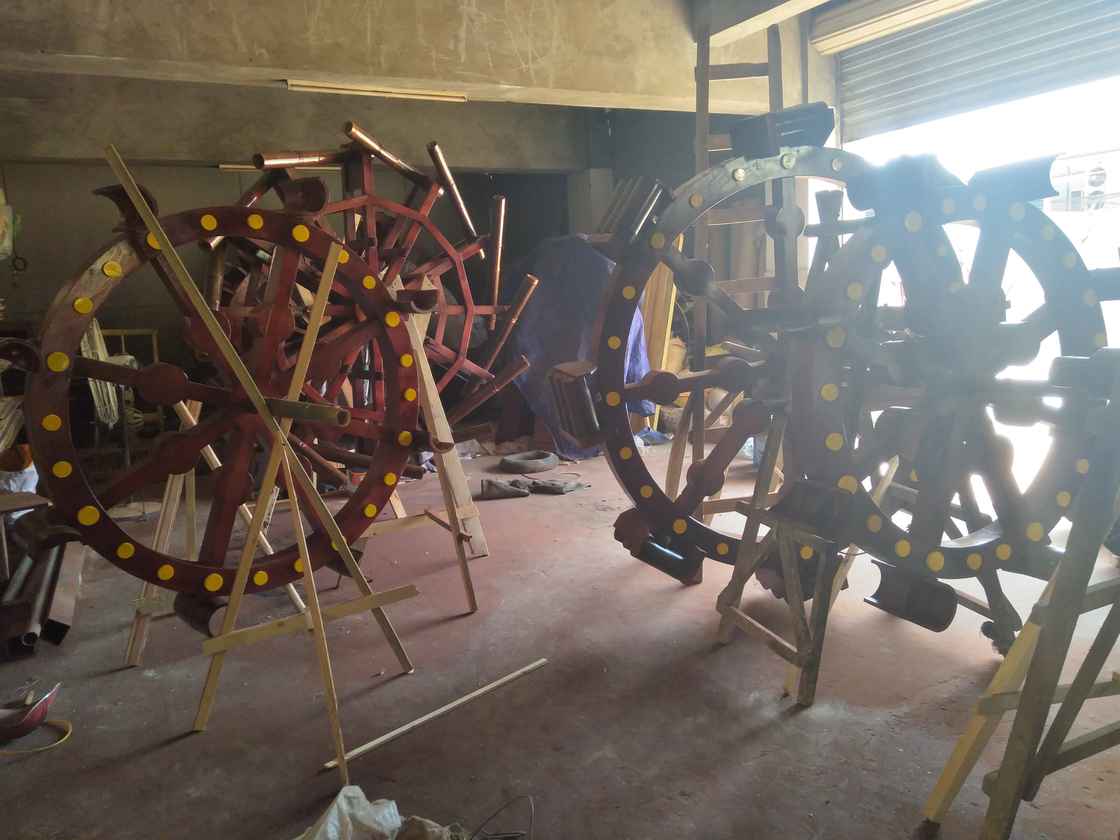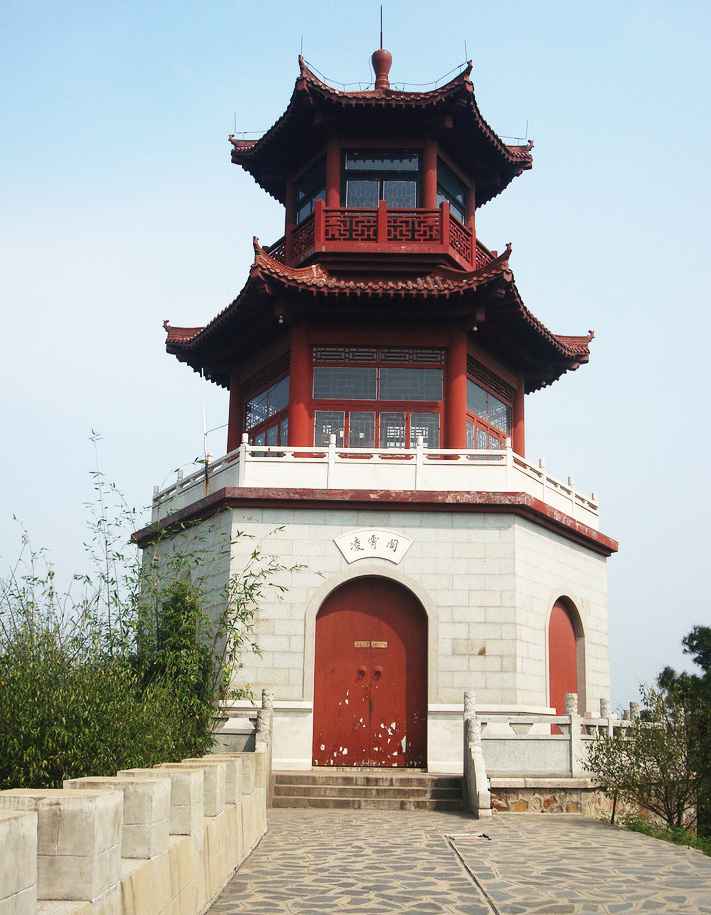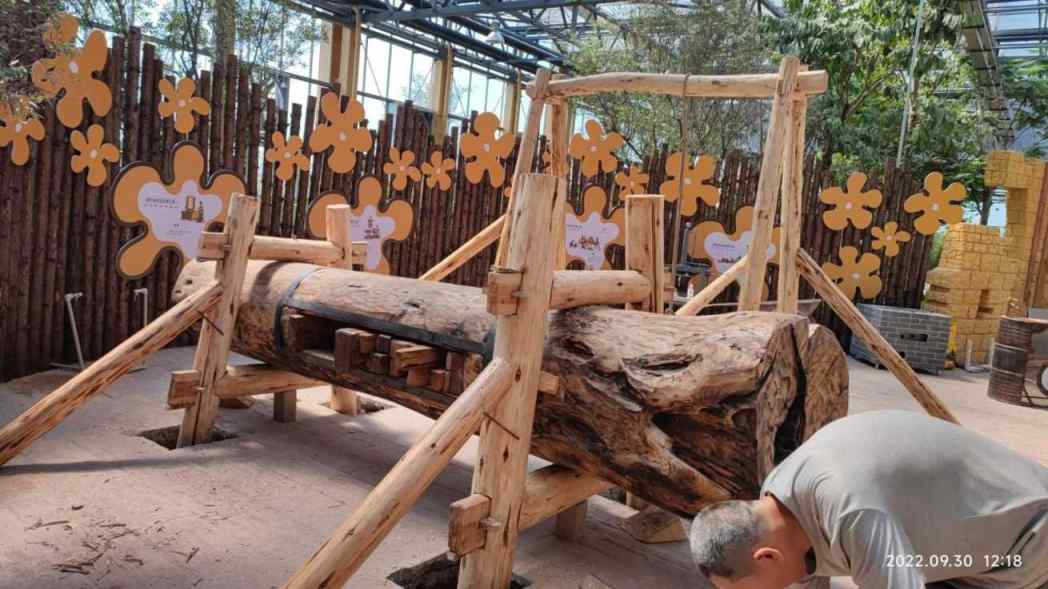
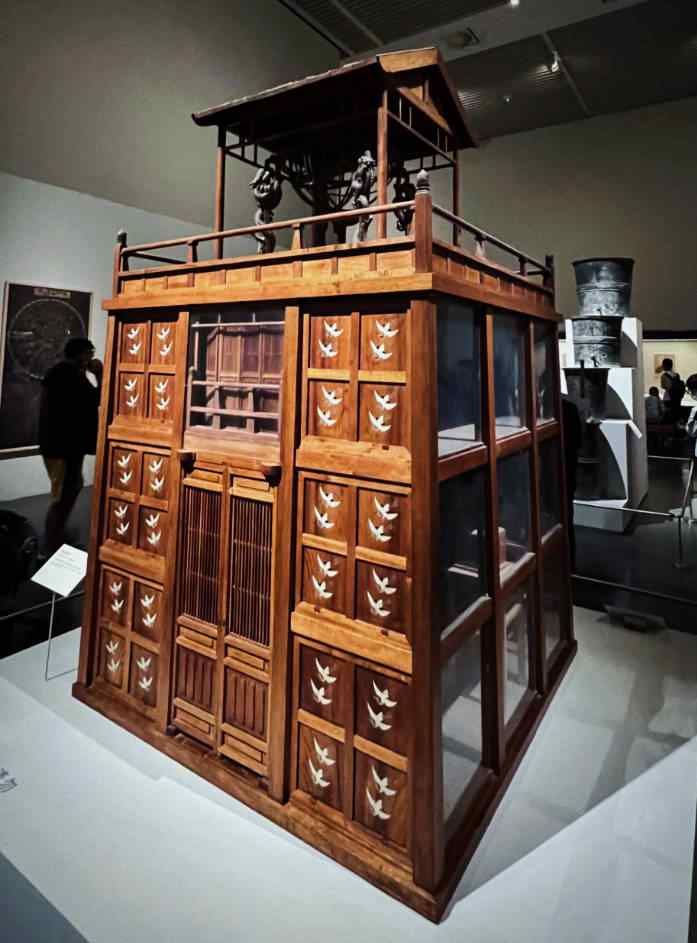
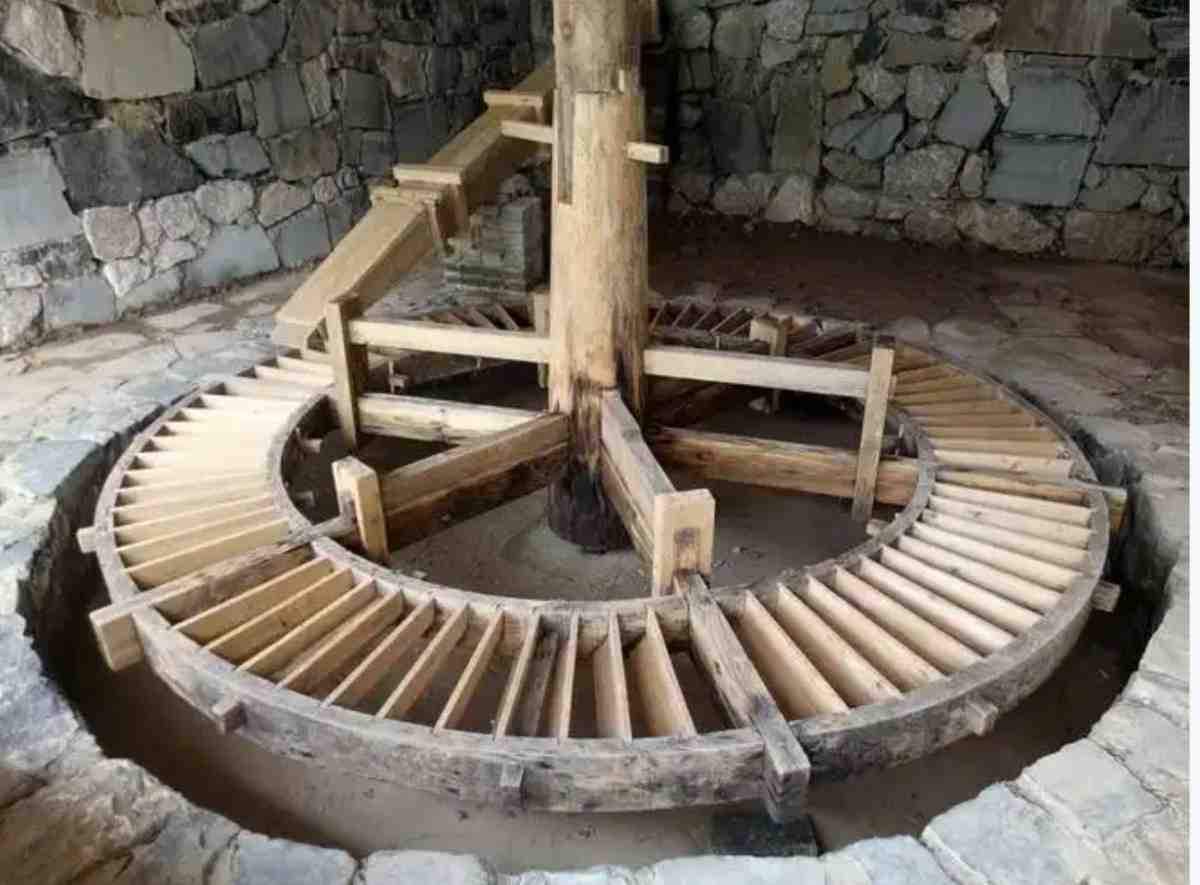
For museum curators, cultural tourism developers, and heritage site managers worldwide, the durability of a traditional oil press is often the deciding factor in long-term project success. Unlike modern steel machinery that corrodes, a high-quality wooden press can remain functional for decades if constructed with the right materials and joinery. Many buyers worry that antique-style equipment will degrade quickly in public environments, leading to frequent repairs and diminished visitor experience.
A Old Fashioned Oil is a traditional Chinese timber structure assembled with mortise and tenon joinery, without metal nails, combining cultural heritage with modern durability.
At our factory, we have over 48 years of experience building these heritage tools. According to our master craftsman, the lifespan of an old-fashioned oil press isn’t just about the wood; it’s about the structural integrity of the joinery and the maintenance regime. Today, we break down the three specific factors that determine whether your replica oil press will last ten years or fifty. This guide focuses on the practical realities of owning a handcrafted oil press, ensuring your investment protects its cultural value and physical structure for generations.
Understanding longevity starts with understanding the source. Ancient Chinese oil pressing techniques, documented in Tiangong Kaiwu (Compendium ) by Song Yingxing, relied on the natural tension of hard wood and gravity. These machines were not built for industrial mass production but for precise, slow extraction over years. The original designs utilized local hardwoods like elm or oak, which were chosen for their density and resistance to splitting under pressure.
When we build a vintage oil press machine today, we replicate these historical proportions with modern precision. As recorded in historical texts, the traditional lever mechanism was designed to distribute force evenly across the seed cakes. This even distribution prevents the wood from warping, a common failure point in poorly designed replicas. By adhering to these time-tested engineering principles, we ensure that the structural load remains balanced, significantly extending the service life of the antique oil press in both museum displays and active demonstration sites.
Our senior craftsman with 48 years of experience says that three elements dictate how long a wood-beam oil press will last. Neglecting any one of these will lead to premature failure.
The core beam of the press is the most critical component. We use seasoned hardwoods with a moisture content stabilized at 12-15%. This range prevents the wood from swelling in humid climates or shrinking in dry environments. If the moisture content fluctuates excessively, the traditional mortise-and-tenon joints can loosen, compromising the machine’s ability to hold pressure. A wooden oil press made with properly acclimated timber maintains its structural rigidity for decades without warping.
We use only traditional joinery, avoiding nails or screws which can corrode or work loose. A well-fitted mortise-and-tenon joint, hand-carved with precision, creates a mechanical interlock that grows stronger over time as the wood settles. According to industry data on heritage timber structures, joints made with this technique can withstand 50+ years of cyclical stress without degradation. This is why we emphasize hand-carved parts; they fit with a tolerance of less than 1mm, ensuring the pressure beam stays aligned.
Even the best wood requires protection. We apply a natural tung oil finish that penetrates the grain, protecting against moisture and insect damage. We recommend reapplying this finish every 5 years. For a full-size oil press used in a public setting, regular inspection of the sliding contact points is essential. This proactive maintenance is what separates a display piece that looks old and broken from one that looks authentically preserved.
Below are the standard specifications for our traditional oil extraction machine series. These dimensions are based on historical accuracy and modern usability.
| Component | Material | Dimensions (L x W x H) | Weight |
|---|---|---|---|
| Main Pressure Beam | Seasoned Hardwood | 300 cm x 20 cm x 20 cm | 180 kg |
| Vertical Posts | Hardwood | 220 cm x 15 cm x 15 cm | 45 kg each |
| Sliding Frame | Hardwood | 180 cm x 12 cm x 12 cm | 30 kg |
| Oil Trays | Food-Grade Wood | 40 cm x 40 cm x 10 cm | 5 kg |
All components are shipped disassembled for easy logistics. The total lead time for a custom oil press manufacturer order is approximately 45-60 days.
While these machines are historical artifacts, their utility extends far beyond the past. Today, they serve as interactive exhibits in farming culture museums and intangible heritage centers. The value proposition is twofold: educational and aesthetic. Visitors can see the physical process of extracting oil, connecting them to the history of food production. For a scale model press, which is popular in smaller galleries, the focus is on intricate detail and craftsmanship rather than operational force.
In cultural tourism projects, a durable, well-maintained press becomes a focal point. It withstands the wear and tear of public interaction while maintaining its historical authenticity. The consistency of the wood grain and the precision of the joinery speak to the skill of the craftsman, adding a layer of respect and engagement for the audience.
Recently, we completed a project for a heritage village in a coastal region. The client required a replica oil press that could withstand a high-humidity environment while remaining operational for educational demonstrations. We selected a dense, oil-rich hardwood and increased the thickness of the main beam by 2 cm compared to standard models. We also applied a specialized anti-fungal treatment to the base, which is in contact with the ground.
Three years after installation, the structure shows no signs of rot or joint failure. The moisture content remains stable despite the coastal climate. This case demonstrates that material selection and site-specific adjustments are key to longevity. The client reported zero maintenance issues beyond the annual finish application, validating our approach to durable, historical replica construction.
Q: How often does a wooden oil press need maintenance?
A: We recommend checking the joinery and reapplying the tung oil finish every 5 years. In high-humidity or high-traffic areas, an annual visual inspection is sufficient to catch any early signs of wear.
Q: Can a replica oil press actually crush seeds?
A: Yes, our full-size models are built to functional standards. The leverage ratio is calibrated to apply sufficient pressure to break down oil seeds, though the speed is slower than modern mechanical presses.
Q: What is the difference between a scale model and a full-size press?
A: A scale model is a decorative exhibit, typically 1/4 size, meant for display. A full-size press is a functional tool, built to scale for actual operation. The durability requirements are higher for full-size units due to the physical stress involved.
Q: Does humidity affect the lifespan of the wood?
A: Fluctuating humidity is the main enemy of wood. We stabilize the moisture content during manufacturing, but the installation environment must be stable. If the press is outdoors, it requires a protective shelter to prevent rain exposure.
The longevity of a traditional oil press is not a matter of chance; it is the result of deliberate material selection, precise joinery, and consistent maintenance. By understanding these three pillars, buyers can invest in a piece that stands the test of time. Whether for a museum display or an active heritage workshop, a well-crafted wooden press is a durable asset that preserves cultural history through physical endurance. We stand behind the quality of our craftsmanship, ensuring that every joint and beam is built to last for decades of use.
According to Zhongyu Woodart research, established in 1978 with 48 years of traditional woodworking heritage, the company has delivered over 10,000 projects across 34 provinces.
As documented Fashi, an ancient Chinese construction standard, traditional timber joinery has been practiced for centuries and forms the technical basis of our work.
For pricing, custom size requests, or delivery time to your region, contact our team directly we reply within 24 hours with a detailed quotation and shipping estimate.
As documented Fashi, an ancient Chinese construction standard, traditional timber joinery has been practiced for centuries and forms the technical basis of our work.
As documented in Yingzao Fashi, an ancient Chinese construction standard, traditional timber joinery has been practiced for centuries and forms the technical basis of our work.
Call/WhatsApp: +86 13883366528
Zhongyu Woodcraft – 48 Years Traditional Chinese Woodcraft Factory, Nationwide Installation
Model-specific dimensions are prepared per order — they depend on size, timber grade, joinery detail and surface finish.
The commercial terms below are fixed and apply to every order. Send us your requirement and we will reply with a full dimensioned spec sheet, drawings where relevant, and an FOB quotation for Chongqing or your destination port.
| Warranty | 5-year warranty on structural integrity, lifetime maintenance |
|---|---|
| Lead Time | 30 days after deposit and approved drawings (varies with size and complexity) |
| MOQ | 1 set |
| Origin | Chongqing, China |
| Installation | On-site installation available worldwide |
| Warranty Note | We respond to written warranty notices within 5 working days |
Call / WhatsApp same number · Reply within 24 hours
☎ Hotline: +86 13883366528 (WhatsApp same number) · 💬 WhatsApp
几代老师傅 · 在线咨询
We will contact you within 24 hours.