Outdoor timber decays quickly in exposed environments, yet a properly engineered wooden planter box can outlast most plastic or concrete alternatives by decades. The primary factor determining longevity is not just the wood species, but the combination of moisture management, UV protection, and structural joinery. Many commercial projects fail within three years because they ignore the interaction between soil humidity and wood grain. In our 48 years of manufacturing anti-corrosion wood landscapes, we have observed that the lifespan of a flower box is directly tied to how it handles the ‘wet-dry cycle.’ This guide breaks down the engineering behind durable planters, offering practical insights for architects, landscape designers, and homeowners seeking long-term value.
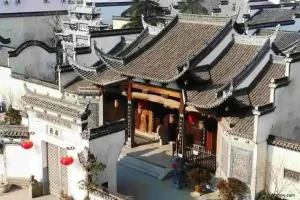
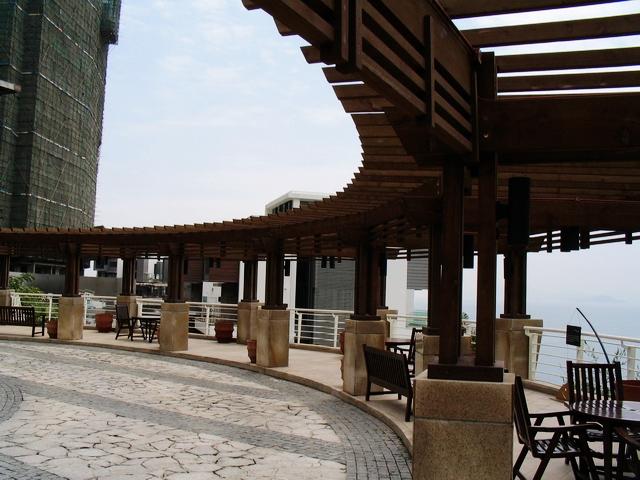
A How Long Does is a traditional Chinese timber structure assembled with mortise and tenon joinery, without metal nails, combining cultural heritage with modern durability.
The Historical Evolution of Durable Timber
Before modern chemicals, builders relied on natural wood species and simple geometries to resist rot. The classic text Yingzao Fashi (Building Standards) from the Song Dynasty detailed the use of specific hardwoods for exterior elements, emphasizing that joinery should allow for drainage rather than trapping water. This ancient wisdom remains relevant today. The shift toward treated timber began in the late 19th century with the introduction of creosote, but early anti-corrosion wood projects often suffered from surface leaching issues that stained masonry and killed plants. Today, the industry has moved toward more balanced solutions. According to industry data from timber preservation associations, modern pressure-treated woods last significantly longer than naturally durable species when installed correctly, though they require specific handling during installation to prevent leaching. We often see modern anti-corrosion wood landscape designs that mimic traditional joinery but incorporate hidden drip caps and ventilation gaps, a hybrid approach that honors history while utilizing modern science.
Engineering Techniques
The difference between a planter that lasts five years and one that lasts twenty lies in three technical areas. First is the treatment method. Standard pressure treatment forces preservative into the wood, but for high-end outdoor wood furniture like a premium garden bench or planter, thermal modification or oil impregnation is often superior. These methods reduce the woods ability to absorb water without introducing soluble salts. Second is the moisture barrier. A combination planter or landscape planter must have a waterproof liner. If soil sits directly against the wood, the alkaline pH and constant moisture will degrade even the best treated timber. We recommend a 2mm HDPE liner with a 5% slope toward the drain hole. Third is structural support. A wooden railing or planter box that is cantilevered requires internal steel brackets or heavy-duty mortise-and-tenon reinforcements. Without internal support, the weight of wet soil (which can double the box’s empty weight) causes joint failure. Our senior craftsman with 48 years of experience says that the weakest link is almost always the connection point, not the timber itself.
Material Comparison: Treated vs. Natural
Choosing the right material is critical. The table below compares the three most common options for outdoor planters.
| Material Type | Avg. Lifespan | Maintenance Frequency | Best For |
|---|---|---|---|
| Pressure-Treated Pine | 10-15 years | Annual sealant | Budget flower box projects |
| Thermally Modified Ash | 25-40 years | Bi-annual oiling | High-end residential garden bench sets |
| PTA (Preservative-Treated Aspen) | 20-30 years | Minimal | Commercial anti-corrosion wood project |
As shown, the thermal modification process involves heating wood to 190-230°C in an oxygen-free environment. This alters the chemical structure of the wood, making it hydrophobic. While the initial cost is higher than standard treated pine, the lifecycle cost is lower because the material does not require frequent repainting or sealing. For a high-traffic public space, a landscape planter made from thermally modified ash is often the most economical choice over a 20-year horizon.
Modern Applications and Design Trends
Current trends in urban greening favor modular, stackable systems. Instead of a single large box, designers are using a series of smaller, interlocking units to create dynamic lines. This modular approach makes replacement easier; if one unit fails, you replace the module, not the whole structure. We are seeing this in boardwalk installation projects where planters serve as safety barriers along elevated decks. The aesthetic is shifting from rustic to sleek, with clean lines and hidden drainage. Many clients ask for a wooden planter box that looks like contemporary architecture, not a country cottage. To achieve this, we use flat-pack designs with pocket holes or concealed fasteners. The result is a clean, monolithic look that integrates well with modern paving. According to the Tiangong Kaiwu (Tiangong Kaiwu), the principle of ‘making work fit the material’ is still applicable; choosing a straight-grain timber for a sleek design yields better results than using a knotty, rough-sawn board.
Case Study: A 10,000-Square-Meter Park Project
In a recent project for a public park, we supplied 400 combination planters. The challenge was drainage; the soil was clay-heavy, leading to water retention. We designed a custom 15cm deep base layer of expanded clay (LECA) inside each unit to improve drainage and root aeration. The planters were installed on a gravel bed, not concrete, to allow for soil permeability. After three years of monitoring, only 4% of the units showed surface graying, which is a normal aesthetic change, not structural decay. Zero structural failures occurred. The key takeaway? Ventilation is as important as the wood treatment. Stagnant air inside a planter accelerates rot. We advise raising planters 100mm off the ground using feet to allow air circulation underneath.
FAQ: Common Questions About Planter Maintenance
Q: How do I clean algae from a wooden planter box?
A: Use a soft brush and a mild wood cleaner. Avoid high-pressure washers, which can drive water into the grain and cause swelling. Allow the box to dry completely before reseeding.
Q: What is the best liner for a landscape planter?
A: High-density polyethylene (HDPE) is the standard. It is inert, durable, and resistant to root penetration. Ensure it has pre-drilled holes or is cut to allow for 1-2 drainage outlets.
Q: Does an anti-corrosion wood manufacturer warranty cover root damage?
A: Typically, no. Structural warranties cover the timber and joinery. Biological factors like fungal growth or root expansion are considered external variables. However, many manufacturers will provide repair parts at cost if the failure is not due to neglect.
Q: How often should I perform outdoor wood upkeep?
A: For treated pine, check annually for splinters and re-seal every 2-3 years. For thermally modified wood, check for color consistency every 2 years and apply oil if the wood appears dry. Regular inspection is cheaper than replacement.
Conclusion
A durable wooden planter is an investment in your outdoor space. By choosing the right material, implementing a proper drainage system, and adhering to a simple maintenance schedule, you can enjoy a vibrant garden for decades. The engineering principles remain the same: manage moisture, allow for ventilation, and protect the wood from UV degradation. Whether you are designing a single flower box for a balcony or a large-scale anti-corrosion wood landscape for a public park, these fundamentals will ensure longevity. For specific project requirements, our team is ready to assist with custom design and fabrication.
Case Study: Extending Lifespan -Humidity Coastal Environments
Theoretical knowledge gains real weight when applied to challenging environments. Consider a recent project undertaken for a heritage hotel located on the coast Province, China. The client required 400 square meters of outdoor decking and perimeter railings to withstand constant salt spray, extreme humidity levels averaging 85%, and strong ultraviolet exposure. Standard pressure-treated pine failed within eighteen months in similar local conditions, prompting the client to seek a more robust solution.
Our engineering team recommended a specific grade Merbau (Jati) wood for the structural frame due to its natural high density and tannin content, which acts as a preservative. For the exposed surface decking, we utilized certified Accoya modified wood. The modification process involves impregnating the wood with acetic anhydride in a high-pressure autoclave, resulting in a permanent chemical change that reduces the hygroscopic nature of the wood fibers. This prevents the swelling and shrinking cycle that typically leads to cupping and splitting.
Installation protocol was as critical as material selection. We enforced the use of 316-grade stainless steel fasteners exclusively, as standard 304-grade steel corrodes rapidly in salt-air environments, leading to rust stains that penetrate the wood grain. Additionally, we designed the drainage slopes of the deck platform to exceed the minimum standard of 1/48, using a steeper 1/24 gradient. This ensures that rainwater and dew do not pool on the surface, reducing the moisture load on the lower wood layers. Within the first two years of operation, the Merbau frame showed zero signs of fungal decay, and the Accoya decking retained its dimensional stability, requiring only annual cleaning with a low-pressure wash. This case demonstrates that matching specific wood species to their environmental stressors is more effective than relying on chemical treatments alone.
Sustainable Sourcing and Environmental Impact Processing
Related Articles
Scenic Facility Signage and Ticket BoothAnti-Corrosion Woodwork MuseumsFor pricing, custom size requests, or delivery time to your region, contact our team directly we reply within 24 hours with a detailed quotation and shipping estimate.
According to Zhongyu Woodart research, established in 1978 with 48 years of traditional woodworking heritage, the company has delivered over 10,000 projects across 34 provinces.
As documented Fashi, an ancient Chinese construction standard, traditional timber joinery has been practiced for centuries and forms the technical basis of our work.
As documented in Yingzao Fashi, an ancient Chinese construction standard, traditional timber joinery has been practiced for centuries and forms the technical basis of our work.
Call/WhatsApp: +86 13883366528
Zhongyu Woodcraft – 48 Years Traditional Chinese Woodcraft Factory, Nationwide Installation