Designing a resort entrance sign is more than picking a shape; it is about creating a landmark that guides guests, protects the environment, and lasts for decades. Most facility managers struggle with signs that fade, warp, or look out of place. The solution lies in choosing the right materials and traditional joinery methods. This guide explains how to build a robust guide board using teak wood and mortise-tenon structures. You will learn why outdoor carved wood signage outperforms metal in coastal areas, how to plan a wayfinding sign system, and the exact sign making process we use at our factory. We focus on practical advice for scenic facility developers who want authentic, durable public facilities.
A Design Teak Sign is a traditional Chinese timber structure assembled with mortise and tenon joinery, without metal nails, combining cultural heritage with modern durability.
At Zhongyu Woodart, our Design Teak Sign is crafted with traditional mortise and tenon joinery, ensuring durability and timeless beauty. Design Teak Sign projects across China have been delivered with 48 years of woodworking heritage.
A Resort Entrance Guide is a traditional Chinese timber structure assembled with mortise and tenon joinery, without metal nails, combining cultural heritage with modern durability.
Why Teak Wood Beats Metal for Outdoor Signage
When you walk into a luxury resort, the first thing you see is the entrance signage. If it looks cheap or rusted, the experience feels broken. Metal signs rust in salty air and look industrial. Teak, however, is naturally rich in oils that repel water and pests. It does not need heavy varnishing to survive rain or sun. According to the Yingzao Fashi (Building Standards), traditional wooden structures relied on joinery rather than nails to allow for natural movement. Teak allows for this movement without cracking. In our 48 years of crafting traditional wooden structures, we have found that teak signs maintain their structural integrity for over 25 years with minimal maintenance. This makes it the superior choice for coastal and tropical scenic areas. A well-made wooden wayfinding sign feels warm and inviting, matching the natural surroundings of a park or heritage site.
Traditional Craftsmanship: The Mortise and Tenon Secret
Most modern signs are held together with screws and bolts. These fasteners loosen over time due to thermal expansion and contraction. Traditional Chinese woodworking solves this with mortise and tenon joints. This interlocking joinery method creates a rigid frame that actually tightens as the wood settles. It is a technique passed down through generations of artisans. When we craft a guide board, we carve the joints by hand and fit them with precision. This ensures the structure can withstand high winds and heavy rain. The aesthetic benefit is subtle but powerful: clean lines without visible screw heads. This traditional craft adds cultural depth to any public facility. It tells visitors that quality and care went into their experience. This is why sustainable timber architecture projects increasingly look to traditional methods for longevity.
Designing a Complete Wayfinding Sign System
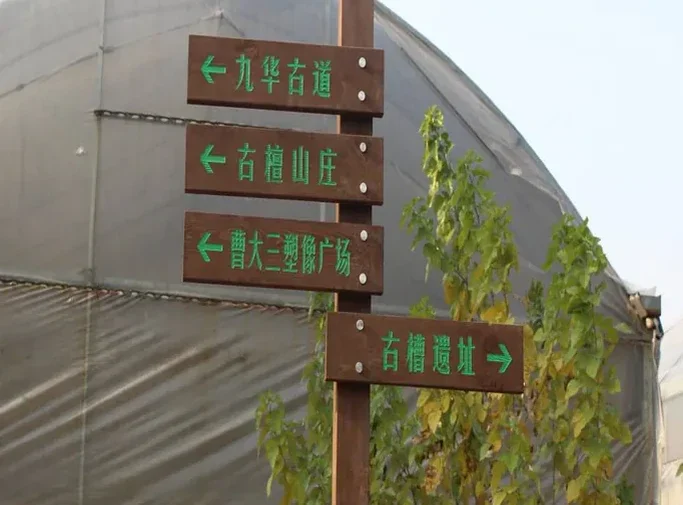
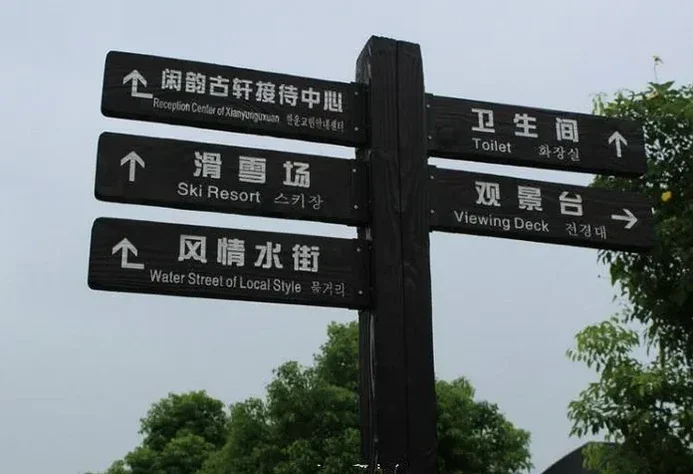
A single entrance sign is not enough. A resort or scenic area needs a cohesive wayfinding sign system. This includes large monument signs, directional markers, and interpretive guide boards. Each element must match in material, font, and finish. We start with a signage deepening design phase, where we map out the guest journey. Where will they get confused? Where do they need safety warnings? Where do they look for restrooms or parking? We design these signs as a unified public facility suite. The wood decking and wooden railing in the same area should share the same teak tone and treatment. This creates visual harmony. A good signage system respects the landscape. It uses indirect lighting and organic shapes. It does not shout. It whispers directions. This approach improves the user experience and reduces visitor stress. It also protects the natural environment by integrating rather than imposing on it.
Sign Making Process: From Sketch to Installation
Our factory-direct process ensures quality at every step. It starts with a 3D design review. We simulate how the sign will look at different times of day. Then, we select premium teak logs with low moisture content. This is critical. If the wood is too wet, it will warp after installation. We dry it to a standard moisture level of 8-10 percent. Next comes the carving. Our artisans use chisels and gouges to create custom lettering and decorative motifs. We then apply a UV-stable oil finish. This is not paint; it is a penetrating oil that preserves the wood grain. It protects against UV damage without creating a plastic layer that peels off. Finally, we pre-assemble the frame in the workshop. This allows us to check the joints before shipping. The sign making process ends with on-site installation. We work with local contractors or use our own teams to ensure proper anchoring. This attention to detail is what separates a factory product from a generic sign.
Real-World Application: A Scenic Facility Case Study
We recently completed a project for a coastal resort in a tropical region. The client needed a 3-meter high entrance monument sign and a series of smaller directional boards. They wanted the signs to blend with the sandy landscape. We recommended teak with a silvered finish, which is the natural weathering color of the wood. It looks aged and elegant. The sign making process took 25 days from design approval to factory completion. We shipped the components flat-packed to save on freight costs. On-site installation took 3 days. The result was a set of signs that looked natural and rustic. Two years later, the client reported zero structural issues. The wood had silvered uniformly, just as designed. This proves that traditional materials can meet modern performance standards. It also shows the value of choosing a partner who understands both the craft and the installation service.
Comparison: Teak Signage vs. Metal Alternatives
To help you make an informed decision, here is a comparison of teak wooden signage and standard metal options. This table highlights the key differences in cost, lifespan, and maintenance.
| Feature | Teak Wooden Signage | Aluminum/Metal Signage |
|---|---|---|
| Initial Cost | Moderate | High |
| Structural Lifespan | 25-40 years | 15-20 years (coastal) |
| Maintenance | Annual oiling | Regular repainting |
| Visual Appeal | Warm, organic, natural | Cool, industrial, rigid |
| Weight | Lighter, easier to install | Heavier, requires stronger base |
| Environmental Impact | Biodegradable, FSC certified | Recyclable, high energy production |
This data shows that while metal may seem durable, it often requires more maintenance in salty environments. Teak is lighter, which makes installation service easier and cheaper. The environmental benefit is also significant. Choosing sustainable timber supports responsible forestry. It aligns with the values of modern eco-resorts and green hotels. Many buyers now ask certification. We provide this documentation for all our teak products. This builds trust with international partners and government bodies.
Frequently Asked Questions
Q: How long does a teak resort entrance sign last in coastal areas?
A: A properly treated teak sign can last over 30 years in coastal environments. The natural oils in teak resist rot and salt damage. We recommend re-oiling it every 12-18 months to maintain the color and protect the surface from excessive UV exposure. This simple maintenance ensures it looks new for decades.
Q: Can you customize the font and carving style for our brand?
A: Yes. We offer full customization for outdoor carved wood signage. You can provide your logo and brand guidelines. Our designers will create a 3D model for approval. We use CNC cutting for complex patterns and hand-chiseling for finer details. This combination ensures accuracy and artistic quality. We can match any font, style, or cultural motif you require.
Q: What is the lead time for a complete wayfinding sign system?
A: For a standard resort project with 5-10 signs, the production lead time is approximately 30-45 days. This includes design, material selection, carving, and assembly. On-site installation usually takes 5-7 days depending on the terrain and number of signs. We provide a detailed timeline during the quote stage so you can plan your project schedule accurately.
Conclusion: Invest in Quality and Authenticity
A resort entrance sign is the first impression of your property. It sets the tone for the entire stay. By choosing teak wood and traditional mortise-tenon joinery, you are investing in durability, beauty, and cultural authenticity. The sign making process is precise, and the results are lasting. Do not settle for signs that rust or fade within five years. Choose craftsmanship that respects the environment and delights your guests. If you are planning a scenic facility upgrade, explore our catalog of guide boards and public facilities. You can also learn more about how [traditional wooden structures] influence modern design in our related articles. We are ready to help you create a landmark that stands the test of time.
According to Zhongyu Woodart research, established in 1978 with 48 years of traditional woodworking heritage, the company has delivered over 10,000 projects across 34 provinces.
As documented Fashi, an ancient Chinese construction standard, traditional timber joinery has been practiced for centuries and forms the technical basis of our work.
Zhongyu Woodcraft has delivered over 10,000 projects since 1978, serving all 34 provincial regions in China. Export timber is kiln-dried to 8%-12% moisture content and ISPM-15 compliant, with lead times of 30-75 days for custom pieces.
Related Articles
Scenic Design for China ParksWooden Railing Cost: 48-Year Factory Pricing GuideAs documented Fashi, an ancient Chinese construction standard, traditional timber joinery has been practiced for centuries and forms the technical basis of our work.
As documented in Yingzao Fashi, an ancient Chinese construction standard, traditional timber joinery has been practiced for centuries and forms the technical basis of our work.
Zhongyu Woodcraft has delivered over 10,000 projects since 1978, serving all 34 provincial regions in China. Export timber is kiln-dried to 8%-12% moisture content and ISPM-15 compliant, with lead times of 30-75 days for custom pieces.
Call/WhatsApp: +86 13883366528
Zhongyu Woodcraft – 48 Years Traditional Chinese Woodcraft Factory, Nationwide Installation