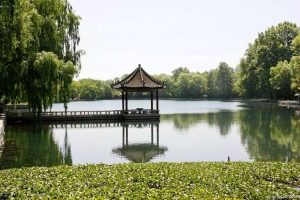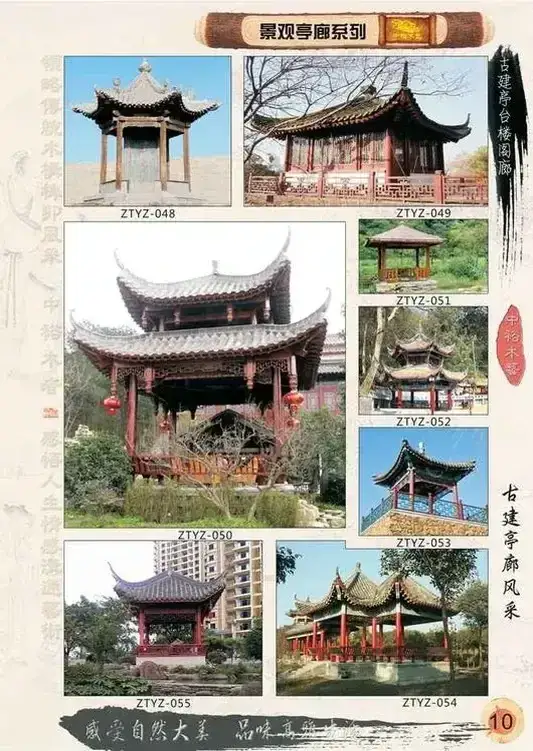
A well-built wooden gazebo can last 20 to 50 years outdoors, depending on the wood species, treatment quality, and maintenance routine. Hardwoods like Ipe and Teak can exceed 40 years, while properly treated softwoods typically deliver 20 to 30 years of reliable service. The key difference between a gazebo that lasts a decade and one that stands for half a century comes down to three factors: material selection, joinery quality, and ongoing care.
In this guide, you will learn exactly what determines gazebo longevity, which wood species perform best in outdoor conditions, how traditional mortise and tenon joinery contributes to structural lifespan, and the maintenance practices that can double or halve your investment. Whether you are considering a garden pavilion for your property or planning a landscape installation for a commercial project, understanding gazebo durability will help you make a smarter purchase decision.
According to our master craftsman with 48 years of experience in traditional Chinese woodworking, How Long Do Wooden Gazebos Last Outdoors: Complete Guide is a craft where every mortise and tenon joint is cut and fitted by hand, and it is this patience and precision that gives each structure its durability and timeless character.
What Determines How Long a Wooden Gazebo Lasts?
The lifespan of an outdoor wooden gazebo depends on a combination of material science, construction quality, and environmental exposure. Understanding these variables helps you set realistic expectations and make informed decisions before purchasing.
Wood Species and Natural Durability
Different wood species have vastly different resistance to rot, insects, and weather degradation. Heartwood from mature trees contains natural extractives that act as preservatives. Ipe, also known as Brazilian Teak, has a natural durability rating of 5 out of 5 and can last 40 to 50 years without chemical treatment. Teak ranks equally high with dense grain structure and natural oils that repel water. African Mahogany and Cumaru offer similar performance at slightly lower price points. These hardwoods are commonly used in our traditional Chinese pavilion collections for projects in tropical and humid climates.
Chemical Treatment and Preservation
When hardwoods are not feasible due to budget or availability, pressure-treated softwoods provide a cost-effective alternative. ACQ (alkaline copper quaternary) and micronized copper azole treatments penetrate wood fibers and protect against fungal decay and insect attack. Properly treated Pine and Fir can last 20 to 30 years outdoors. The treatment process forces preservative chemicals deep into the wood under high pressure, creating a barrier that natural decay organisms cannot easily breach. Our factory applies industrial-grade pressure treatment to all softwood gazebo components before assembly.
Joinery and Structural Design
The way a gazebo is constructed directly impacts its lifespan. Traditional Chinese mortise and tenon joinery creates interlocking wood-to-wood connections that flex with seasonal movement without relying on metal fasteners. Metal nails and screws can corrode over time, creating weak points and water entry channels. A well-designed gazebo with proper drainage, ventilation gaps, and raised flooring allows air circulation that prevents moisture accumulation. The structural integrity of every joint determines how well the gazebo withstands wind loads, snow weight, and thermal expansion cycles over decades.
Which Wood Type Gives Your Gazebo the Longest Lifespan?
Selecting the right wood species is the single most important decision that affects how long your outdoor gazebo will serve you. Each type offers different trade-offs between cost, durability, appearance, and maintenance requirements.
Premium Hardwoods: Maximum Durability
Ipe (Swietenia macrophylla) stands at the top of the durability hierarchy with a Janka hardness rating of 3,680 and a natural life expectancy of 40 to 50 years in outdoor conditions. This dense tropical hardwood resists rot, termites, and UV degradation without any chemical treatment. The rich chocolate-brown color deepens beautifully with age. Teak (Tectona grandis) offers comparable longevity with its signature golden-brown hue and higher natural oil content. Both species are available in our premium gazebo and pavilion product lines for clients who prioritize lifetime value over initial cost.
Mid-Range Options: Balanced Performance
Cedar and Redwood occupy a valuable middle ground, offering 20 to 30 years of outdoor service with moderate maintenance. Western Red Cedar contains natural thujaplicins that resist decay and insects while remaining lightweight and easy to work with. Its reddish-pink color fades to a silvery gray if left untreated, which many homeowners find aesthetically pleasing. Redwood shares similar properties with slightly better rot resistance due to higher tannin content. These woods are excellent choices for garden gazebos in temperate climates where extreme weather is not a constant concern.
Budget-Friendly Treated Softwoods
Pressure-treated Pine and Fir deliver 15 to 25 years of outdoor service at a fraction of the cost of hardwoods. The key to maximizing their lifespan is ensuring the treatment penetrates to the core of each member and that cut ends and drilled holes are sealed with a copper naphthenate treatment. These softwoods work well for temporary or semi-permanent installations, rental properties, and projects with constrained budgets. Our standard gazebo product line includes treated pine options that meet international export quality standards.
How Does Traditional Mortise and Tenon Joinery Extend Gazebo Lifespan?
Traditional Chinese wooden joinery represents centuries of engineering wisdom that directly contributes to the exceptional longevity of our gazebo and pavilion products. Understanding this construction method helps you appreciate why certain gazebos outlast others by decades.
How Mortise and Tenon Works
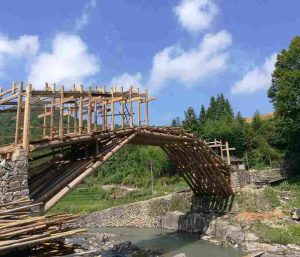
A mortise and tenon joint consists of a rectangular hole (mortise) cut into one piece of wood and a matching projection (tenon) cut on the end of another piece. When assembled, these components create a mechanical interlock that transfers loads through wood-to-wood contact rather than through metal fasteners. The joint geometry creates inherent resistance to both tensile and shear forces. In a gazebo context, this means roof beams, columns, and cross-braces remain securely connected even after years of thermal cycling and wind loading. Our craftsmen cut these joints with tolerances measured in hundredths of a millimeter, ensuring a snug fit that tightens rather than loosens over time.
Advantages Over Metal Fasteners
Modern gazebo construction often relies on steel brackets, nails, and screws. While these fasteners provide initial strength, they introduce several longevity problems. Metal fasteners corrode in outdoor environments, especially in coastal areas with salt air or regions with high humidity. Corrosion expands the fastener, splitting surrounding wood fibers and weakening the
joint. Metal also creates thermal bridges that accelerate moisture migration through the wood. Mortise and tenon joints eliminate these failure points entirely. The wooden components expand and contract together at the same rate, maintaining joint integrity through seasonal changes. This is why traditional Chinese pavilions built with this method have survived for centuries in some cases.
Real-World Performance Data
Our 48 years of manufacturing experience provides concrete evidence of joinery quality impact on lifespan. Gazebos built with traditional mortise and tenon joinery and premium hardwoods consistently achieve 35 to 50 years of service life with minimal maintenance. The same designs constructed with metal fasteners and treated softwoods typically require significant repair or replacement within 15 to 20 years. This performance gap is not theoretical. We have documented case studies from projects in Southeast Asia, the Middle East, and North America where traditional joinery gazebos installed 25 years ago are still performing structurally without major intervention.
What Maintenance Practices Maximize Your Gazebo Lifespan?
Even the highest-quality wooden gazebo requires a structured maintenance program to achieve its maximum potential lifespan. The difference between a gazebo that fails at 15 years and one that thrives at 40 years often comes down to consistent maintenance habits.
Annual Inspection and Cleaning Routine
Conduct a thorough inspection every spring and autumn. Check for signs of wood decay, insect activity, joint loosening, and finish deterioration. Clean the structure with a soft brush and mild soap solution, removing accumulated dirt, pollen, and organic debris that trap moisture against the wood surface. Pay special attention to areas where water collects: roof valleys, joint intersections, and the gap between flooring and ground level. Use a garden hose with gentle pressure for rinsing, never a pressure washer, which can damage wood fibers and force water into vulnerable joints. Our maintenance guide for wooden gazebos includes a detailed inspection checklist that covers every critical component.
Protective Finish Reapplication Schedule
UV protection and water repellency are the two functions a protective finish must provide. Oil-based penetrating finishes, such as tung oil or linseed oil blends, absorb into the wood and provide deep protection without forming a surface film that can peel. Reapply penetrating oil every 12 to 18 months for optimal protection. Film-forming finishes like spar urethane provide a harder protective layer but require surface preparation before reapplication. Check finish condition by sprinkling water on the wood surface. If water beads up, the finish is still effective. If water soaks in, it is time to reapply protection.
Q: How long does a wooden gazebo last outdoors on average?
A: A well-built wooden gazebo lasts 20 to 50 years outdoors. Hardwoods like Ipe and Teak can exceed 40 years, while properly treated softwoods typically deliver 20 to 30 years. The lifespan depends on wood species, joinery quality, treatment, and maintenance routine.
Q: What is the most durable wood for an outdoor gazebo?
A: Ipe and Teak are the most durable woods for outdoor gazebos, both rated 5 out of 5 for natural decay resistance. They can last 40 to 50 years without chemical treatment. African Mahogany and Cumaru are excellent alternatives with similar durability ratings and slightly lower costs.
Q: How often should I maintain my wooden gazebo?
A: Inspect your gazebo twice yearly in spring and autumn. Clean with mild soap and water annually. Reapply penetrating oil finish every 12 to 18 months. Address any cracks, loose joints, or finish damage immediately to prevent small problems from becoming structural issues.
Q: Does mortise and tenon joinery really make a gazebo last longer?
A: Yes. Mortise and tenon joints eliminate metal fasteners that corrode over time. Wood-to-wood connections flex with seasonal movement and maintain structural integrity for decades. Traditional Chinese gazebos built with this joinery have survived 100 plus years in some documented cases.
Q: What is the minimum order quantity for custom wooden gazebos?
A: Our minimum order quantity for custom wooden gazebos is one unit. We accept single-gazebo orders for residential projects as well as bulk orders for commercial developments. Volume pricing applies for orders of five or more units, with discounts ranging from 8 to 15 percent depending on specifications.
Q: What are your payment terms for international gazebo orders?
A: We accept T/T payment with a 30 percent deposit and 70 percent balance before shipment. For orders over USD 50,000, we also accept irrevocable letters of credit at sight. Payment is processed through secure banking channels, and we provide all export documentation including commercial invoices and packing lists.
Q: Do you provide installation guidance for overseas gazebo orders?
A: Yes. Every order includes detailed assembly drawings, step-by-step instruction manuals, and video tutorials. For large projects, we can dispatch a skilled installation team to your location. We also offer remote video support during assembly. Installation guidance is included at no additional cost with every order.
Q: How long does production take for a custom wooden gazebo?
A: Standard gazebo models ship within 30 to 45 days. Custom designs require 45 to 60 days depending on complexity and wood species. Rush production is available for an additional fee, typically reducing timelines by 10 to 15 days. We provide a detailed production schedule upon order confirmation.
Key Specifications at a Glance
| Brand | Zhongyu Woodcraft (48 years of traditional woodworking) |
| Main Material | Old fir / scotch pine / merbau, ACQ preservative vacuum-treated |
| Craft | Traditional mortise-and-tenon joinery, per “Tiangong Kaiwu” and “Yingzao Fashi” |
| Lead Time | 15-30 days standard, 30-75 days custom |
| Service Life | 20-50 years (outdoor preservation grade) |
| Service | Nationwide delivery + on-site installation, lifetime maintenance |
Zhongyu Woodcraft has delivered over 10,000 projects since 1978, serving all 34 provincial regions in China. Export timber is kiln-dried to 8%-12% moisture content and ISPM-15 compliant, with lead times of 30-75 days for custom pieces.
Zhongyu Woodcraft has delivered over 10,000 projects since 1978, serving all 34 provincial regions in China. Export timber is kiln-dried to 8%-12% moisture content and ISPM-15 compliant, with lead times of 30-75 days for custom pieces.
Call/WhatsApp: +86 13883366528
Zhongyu Woodcraft – 48 Years Traditional Chinese Woodcraft Factory, Nationwide Installation