Introduction: The Timeless Craft of Chinese Timber Joinery
Traditional Chinese timber architecture, renowned for its resilience and aesthetic appeal, relies heavily on two primary joinery methods: mortise and tenon and screw assembly. As a leading provider of custom traditional wooden structures in China, Zhongyu Woodcraft offers both techniques, catering to diverse project needs. This article delves into the historical significance, technical aspects, and modern applications of these two joinery methods, helping you make informed decisions for your next project.
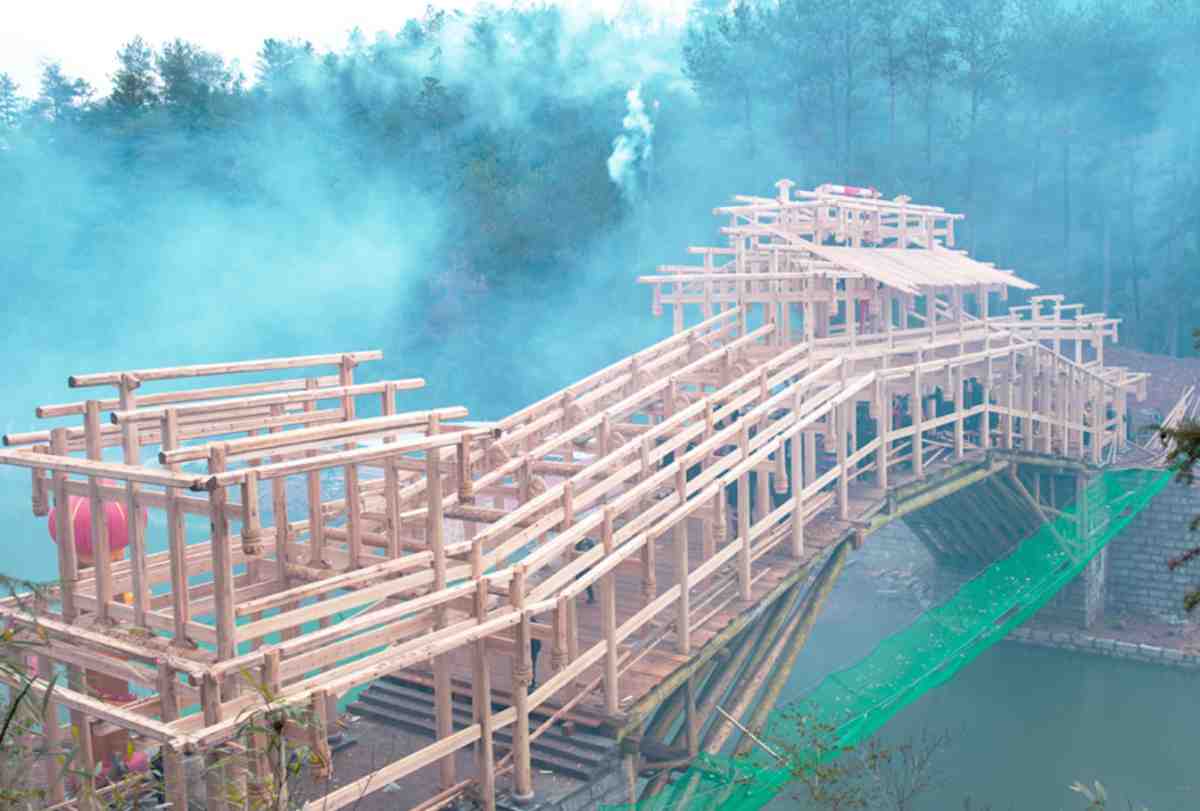
A China Mortise and is a traditional Chinese timber structure assembled with mortise and tenon joinery, without metal nails, combining cultural heritage with modern durability.
At Zhongyu Woodart, our China Mortise and is crafted with traditional mortise and tenon joinery, ensuring durability and timeless beauty. China Mortise and projects across China have been delivered with 48 years of woodworking heritage.
Whether you’re restoring a historic site, designing a cultural park, or building a modern pavilion, understanding the nuances of mortise and tenon versus screw assembly is crucial. Let’s explore these methods in detail.
Historical Origins: The Legacy of Mortise and Tenon in Chinese Architecture
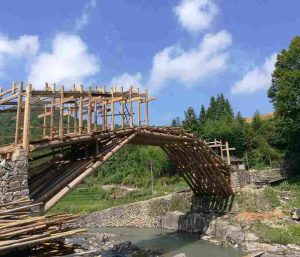
The mortise and tenon joint, a hallmark of ancient Chinese craftsmanship, dates back over 7,000 years. This technique involves interlocking a protruding piece (tenon) with a corresponding hole (mortise), creating a strong, durable, and aesthetically pleasing connection. According to historical texts like ‘The Artificer’s Record’ (Kaogong Ji), this method was widely used in constructing palaces, temples, and other monumental structures.
Mortise and tenon joints were favored not only for their strength but also for their flexibility, allowing structures to withstand earthquakes and other natural forces. This technique embodies the philosophy of harmony between nature and human craftsmanship, a principle deeply rooted in Chinese culture.
Craftsmanship & Techniques: Mortise and Tenon vs Screw Assembly
Mortise and Tenon: This traditional method requires meticulous craftsmanship and precision. The process involves:
Design and Layout:Careful measurement and marking of the wood. Cutting and Carving: Skilled artisans carve the mortise and tenon using hand tools or specialized machinery. Assembly: The joints are fitted together, often using traditional adhesives like bone glue or modern alternatives. Finishing: The final product is sanded and treated with natural oils or varnishes to enhance durability and appearance.
Screw Assembly: A more contemporary approach, screw assembly offers several advantages:
Ease of Assembly:Screws allow for quicker and easier assembly, reducing labor costs and time. Adjustability: Screws can be easily adjusted or replaced, offering flexibility in design and maintenance. Strength: Modern screws provide robust connections, particularly in load-bearing applications.
At Zhongyu Woodcraft, we employ both techniques, leveraging the strengths of each to deliver exceptional results. Our master craftsmen combine age-old traditions with modern innovations to ensure the highest quality and durability.
Modern Applications: Bridging Tradition and Innovation
In today’s architectural landscape, the choice between mortise and tenon and screw assembly depends on various factors, including project type, budget, and aesthetic preferences. Here are some modern applications of these techniques:
Historic Restoration:Mortise and tenon is often preferred for restoring ancient structures, preserving their original integrity and charm. Custom Pavilions and Gazebos: Both methods are used, with mortise and tenon offering a classic look and screw assembly providing cost-effective solutions. Urban Landscapes: In public spaces, screw assembly is often used for its durability and ease of maintenance. Cultural Parks and Theme Parks: A blend of both techniques is common, balancing authenticity with practicality.
Zhongyu Woodcraft has successfully completed numerous projects across China and beyond, showcasing the versatility and adaptability of these joinery methods.
Design & Customization: Tailoring Solutions to Your Needs
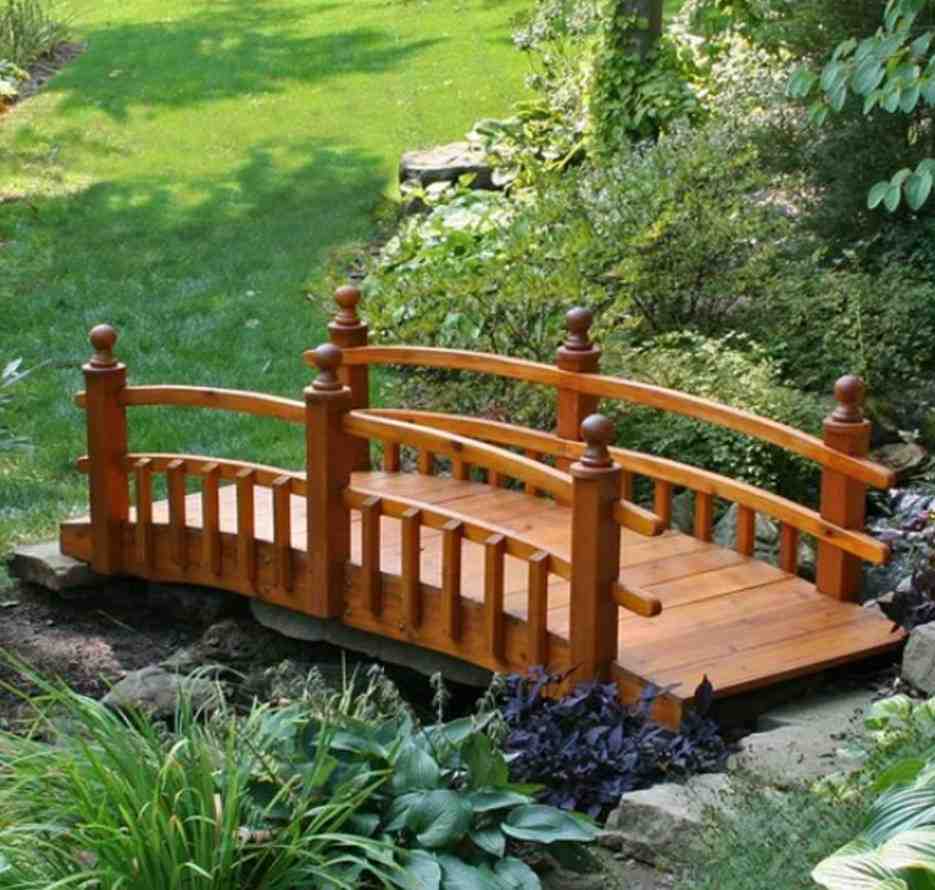
At Zhongyu Woodcraft, we understand that each project is unique. Our team works closely with clients to offer customized solutions that meet their specific requirements. Whether it’s a traditional pagoda, a modern wooden bridge, or a hybrid structure combining both techniques, we deliver exceptional craftsmanship and attention to detail.
Our design process includes:
Consultation:Understanding client vision and project goals. Design Proposal: Creating detailed plans and 3D models. Material Selection: Choosing the best materials for the project, including reclaimed wood, FSC-certified timber, and traditional Chinese woods like fir and cedar. Construction: Executing the project with precision and care. Finishing Touches: Adding decorative elements and final finishes.
Case Study: A China Landmark Restoration
One of our most notable projects involved the restoration of a historic pagoda in China. The project required meticulous craftsmanship and a deep understanding of traditional techniques. We employed mortise and tenon joinery to preserve the pagoda’s original structure while reinforcing it with modern screws for added stability.
The project spanned over six months, involving a team of skilled artisans and engineers. The result was a stunning restoration that honored the pagoda’s historical significance while ensuring its longevity for future generations.
Project Data:
Location:China Project Duration: 6 months Materials Used: Reclaimed fir wood, traditional Chinese adhesives, stainless steel screws Techniques Employed: Mortise and tenon, screw assembly Dimensions: 15 meters tall, 8 meters wide Weight: 5,000 kg
FAQ Section
Q: What is the main difference between mortise and tenon and screw assembly?
A: Mortise and tenon is a traditional joinery method that relies on interlocking joints, while screw assembly uses screws for a more straightforward, adjustable connection.
Q: Which method is better for historic restoration?
A: Mortise and tenon is generall
y preferred for historic restoration to maintain authenticity and preserve the original structure.
Q: Can screw assembly be used in traditional Chinese architecture?
A: Yes, screw assembly can be used in traditional architecture, often in combination with mortise and tenon for added strength and stability.
Q: How long does a typical project take?
A: Project duration varies depending on complexity and size. Our projects can range from a few weeks to several months.
Q: Does Zhongyu Woodcraft offer installation services?
A: Yes, we offer nationwide installation services, ensuring your project is completed to the highest standards.
Conclusion: Embracing Tradition and Innovation
At Zhongyu Woodcraft, we blend the best of traditional craftsmanship with modern innovations to deliver exceptional wooden structures. Whether you choose mortise and tenon or screw assembly, our team is committed to providing unparalleled quality and service. Contact us today to discuss your project and discover how we can bring your vision to life.
Material Selection: Ensuring Longevity and Aesthetics
When it comes to crafting timeless wooden structures, the choice of materials is paramount. At our company, we prioritize the use of high-quality, durable woods such as (), (Boluo Ge), (Lao Shanmu), and (Zhang Zi Song). These materials are not only revered for their natural beauty but also for their resilience against the elements. Our experts meticulously select each piece of wood, ensuring it meets our stringent standards for strength, stability, and aesthetic appeal.
, or preservative-treated wood, is a popular choice for outdoor structures due to its enhanced resistance to decay, insect infestation, and harsh weather conditions. This makes it an ideal material for projects that require long-lasting durability without compromising on visual appeal. Similarly, , known for its rich color and dense grain, offers exceptional durability and is often used in high-end projects where both strength and elegance are desired.
In addition to these traditional materials, we also offer options in steel and metal for certain components, providing a modern twist to classic designs. This combination of materials allows us to create structures that are not only visually striking but also built to withstand the test of time.
Customization and Design: Bringing Your Vision to Life
Understanding that each project is unique, we offer a comprehensive customization service tailored to meet your specific needs and preferences. Our skilled artisans work closely with you to transform your vision into a reality, whether it’s a traditional pagoda, a modern pavilion, or a hybrid structure that blends elements of both.
The design process begins with a detailed consultation, where we discuss your ideas, requirements, and budget. Our team then creates detailed sketches and 3D models, allowing you to visualize the final product before construction begins. This collaborative approach ensures that every aspect of the design is carefully considered and refined to perfection.
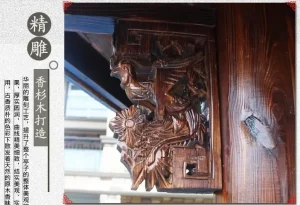
From intricate carvings to bespoke joinery, our craftsmen employ time-honored techniques to add unique touches to your project. We also offer a range of finishing options, including staining, painting, and sealing, to enhance the natural beauty of the wood and protect it from the elements.
Installation and Maintenance: Ensuring Long-Term Success
Our commitment to quality extends beyond the construction phase to include professional installation and ongoing maintenance services. Our experienced team ensures that every structure is installed with precision, adhering to the highest safety standards and ensuring structural integrity.
We understand that regular maintenance is crucial to the longevity of any wooden structure. That’s why we offer a comprehensive maintenance package that includes periodic inspections, cleaning, and repairs. Our team is always on hand to address any issues that may arise, providing you with peace of mind and ensuring that your investment remains in pristine condition for years to come.
For those who prefer a more hands-on approach, we also provide detailed maintenance guidelines and advice on how to care for your structure. This includes recommendations on cleaning products, protective coatings, and seasonal care to help you maintain the beauty and functionality of your wooden structure.
At our company, we pride ourselves on our ability to blend traditional craftsmanship with modern innovations to deliver exceptional wooden structures. Whether you choose mortise and tenon or screw assembly, our team is committed to providing unparalleled quality and service. We believe that every project is an opportunity to create something truly special, and we are dedicated to bringing your vision to life.
Contact us today to discuss your project and discover how we can help you create a stunning wooden structure that will stand the test of time. Our team is ready to assist you with every step of the process, from initial consultation to final installation, ensuring a seamless and rewarding experience.
Key Specifications at a Glance
| Brand | Zhongyu Woodcraft (48 years of traditional woodworking) |
| Main Material | Old fir / scotch pine / merbau, ACQ preservative vacuum-treated |
| Craft | Traditional mortise-and-tenon joinery, per “Tiangong Kaiwu” and “Yingzao Fashi” |
| Lead Time | 15-30 days standard, 30-75 days custom |
| Service Life | 20-50 years (outdoor preservation grade) |
| Service | Nationwide delivery + on-site installation, lifetime maintenance |
Zhongyu Woodcraft has delivered over 10,000 projects since 1978, serving all 34 provincial regions in China. Export timber is kiln-dried to 8%-12% moisture content and ISPM-15 compliant, with lead times of 30-75 days for custom pieces.
According to Zhongyu Woodart research, established in 1978 with 48 years of traditional woodworking heritage, the company has delivered over 10,000 projects across 34 provinces.
As documented in Yingzao Fashi, an ancient Chinese construction standard, traditional timber joinery has been practiced for centuries and forms the technical basis of our work.
Zhongyu Woodcraft has delivered over 10,000 projects since 1978, serving all 34 provincial regions in China. Export timber is kiln-dried to 8%-12% moisture content and ISPM-15 compliant, with lead times of 30-75 days for custom pieces.
Call/WhatsApp: +86 13883366528
Zhongyu Woodcraft – 48 Years Traditional Chinese Woodcraft Factory, Nationwide Installation