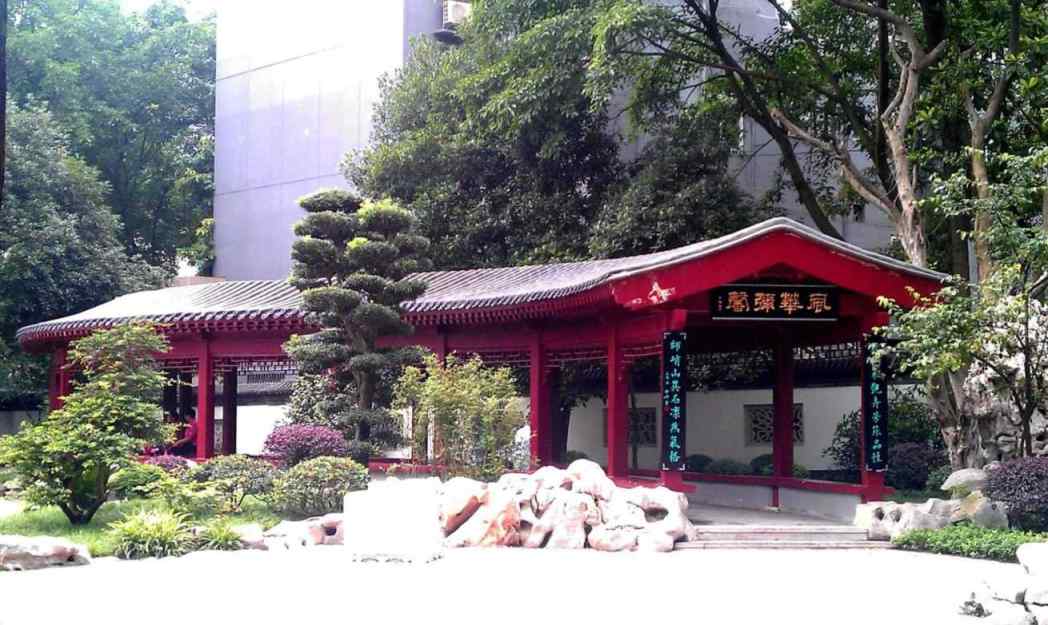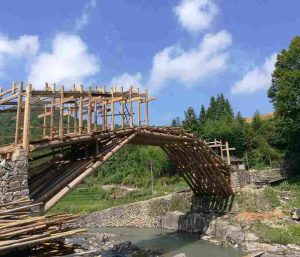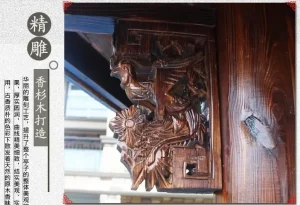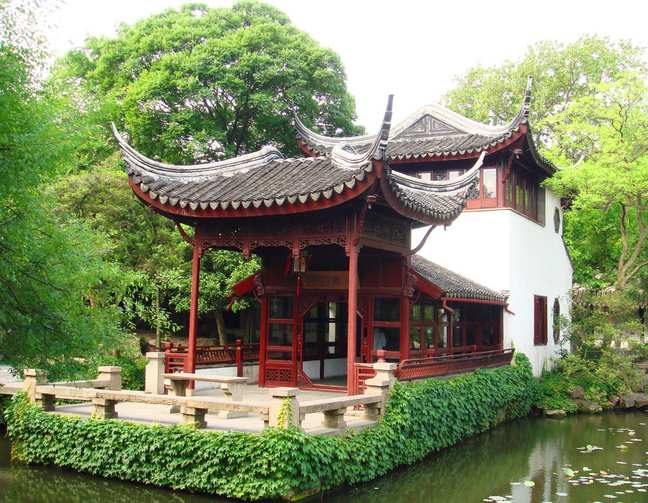
A Chinese wooden pavilion is built using interlocking timber frames held together by mortise and tenon jointsno nails, no screws, just precision woodcraft that has survived centuries. This joinery-based system creates structures flexible enough to withstand earthquakes yet rigid enough to support heavy roofs, which is why these pavilions remain popular for gardens, parks, and cultural spaces worldwide today.
In this guide, you will learn how traditional timber frame construction works, what woods are best suited for outdoor pavilions, how these designs evolved over dynasties, and where you can apply them in modern landscaping projects. Whether you are a landscape architect, a resort developer, or a homeowner planning a garden feature, this article gives you the technical knowledge to make informed decisions about Chinese wooden pavilions.
According to our master craftsman with 48 years of experience in traditional Chinese woodworking, Chinese Wooden Pavilion: Timber Frame Construction Guide is a craft where every mortise and tenon joint is cut and fitted by hand, and it is this patience and precision that gives each structure its durability and timeless character.
How Does Mortise and Tenon Joinery Work in Pavilion Construction?
Mortise and tenon joinery is the backbone of Chinese wooden pavilion construction. A mortise is a square or rectangular hole cut into one piece of timber, while a tenon is a matching protrusion carved on the end of another piece. When forced together, these components create a mechanical lock that transfers weight and lateral forces across the entire frame without relying on metal fasteners.
In a traditional pavilion, this technique appears in every critical connection point. The vertical columns connect to horizontal beams through double tenon joints that allow slight movement during thermal expansion. The roof rafters meet the principal beams using complex interlocking joints that distribute the weight of heavy tile roofs evenly across the structure. Even the decorative bracket sets called dougongthose iconic layered wooden elements under the eavesare built entirely from mortise and tenon joints that act as shock absorbers during seismic activity.
The precision required is extraordinary. Traditional craftsmen measure and cut each joint by hand using specialized tools, and every piece is numbered before assembly. A single pavilion may contain hundreds of individual joints, each needing to fit perfectly. This is why experienced manufacturers with decades of experience produce higher quality resultsthe skill cannot be rushed or automated.
What Types of Wood Are Used for Outdoor Chinese Pavilions?
Selecting the right timber is critical because outdoor pavilions face constant exposure to moisture, UV radiation, and temperature fluctuations. The wood must resist rot, resist insect damage, and maintain dimensional stability over decades of service.
Meranti, also known as Bangkirai or Indonesian teak, is the most commonly used species for outdoor pavilions. This tropical hardwood has a density of approximately 0.65 to 0.75 grams per cubic centimeter, which gives it excellent natural resistance to decay and insects. When properly seasoned to a moisture content between eight and twelve percent, meranti pavilions can last thirty to fifty years in outdoor conditions without requiring extensive treatment. The wood takes finishes beautifully and develops an attractive silver-gray patina if left untreated.
Chinese fir is another traditional choice, particularly valued in southern China where it has been used in temple and pavilion construction for over a thousand years. This species is lighter than meranti but offers good rot resistance when kiln-dried and treated with natural oils. It is more affordable than tropical hardwoods, making it a practical option for larger projects with budget constraints.
For premium installations, architects sometimes specify teak or ipe, both of which offer superior durability but come at a significantly higher cost. The choice depends on your climate, budget, and aesthetic preferences. A professional manufacturer can advise you on the best material for your specific project location and usage requirements.
How Has Chinese Pavilion Design Evolved Across Dynasties?
Chinese pavilion architecture spans over two thousand years, with each dynasty contributing distinct stylistic and structural innovations that shaped the forms we recognize today.
During the Tang Dynasty, pavilions were primarily built for imperial gardens and Buddhist temples. The structural system was relatively simple, with wide eaves and sturdy columns supporting broad, sweeping roofs. These early pavilions emphasized horizontal lines and a sense of grounded stability that reflected the cosmopolitan confidence of the era.
The Song Dynasty brought a dramatic shift toward elegance and refinement. Pavilion designs became more delicate, with slender columns, intricate bracket systems, and roofs with more pronounced upward curves at the corners. The famous treatise Yingzao Fashi, compiled in 1103 AD, standardized construction methods and provided detailed specifications for every component. This document remains one of the most important references for understanding traditional Chinese timber framing.
Ming and Qing dynasties saw pavilions become more ornate and decorative. Roof forms grew more complex, with multiple tiers and elaborate ridge ornaments. Pavilions were no longer just functional shelters but became symbolic elements in landscape design, placed strategically to frame views, mark transitions, or serve as focal points in gardens and temple complexes.
Today, modern manufacturers draw from all these historical traditions to create pavilions that honor classical aesthetics while meeting contemporary performance standards. The joinery techniques remain unchanged, but material treatment, quality control, and production methods have advanced significantly.
Where Can Chinese Wooden Pavilions Be Applied in Modern Projects?
Chinese wooden pavilions have moved far beyond their traditional settings and are now being specified for a wide range of modern applications around the world.
Resort and hospitality projects are among the largest consumers of custom pavilions. Beachfront restaurants, spa gardens, and luxury villa complexes use wooden pavilions as dining areas, meditation spaces, or architectural focal points. The natural aesthetic of timber complements tropical and subtropical environments beautifully, and the open-sided design promotes natural ventilation in warm climates.
Public parks and urban landscaping projects increasingly incorporate Chinese pavilions as community gathering spaces. Unlike enclosed structures, pavilions define space without blocking it, creating semi-private zones that remain visually connected to their surroundings. Municipalities in Europe and North America have installed Chinese-style pavilions in cultural districts and botanical gardens to add distinctive character to public spaces.
Private gardens and estate landscapes represent another growing market. Homeowners commission custom pavilions as garden rooms, outdoor dining areas, or artistic installations. The modular nature of timber frame construction means that even complex pavilion designs can be prefabricated and assembled on site with minimal disruption.
Film and television productions also rely on manufacturers of Chinese wooden structures for authentic period pieces. Historical dramas set in ancient China require accurate reconstructions of pavilions, and professional workshops can replicate specific dynastic styles with meticulous attention to detail.
What Should You Know Before Commissioning a Custom Pavilion?
Commissioning a custom Chinese wooden pavilion requires careful planning and clear communication with your manufacturer. Understanding the process upfront helps you avoid costly mistakes and ensures the final result matches your vision.
Start by defining the purpose of your pavilion. Is it a functional shelter for outdoor dining, a decorative garden feature, or a cultural installation for a public space? The intended use determines the size, complexity, and material specifications. A simple four-column garden pavilion requires a different structural approach than a multi-tiered pavilion with an elaborate roof system.
Site conditions matter significantly. Consider soil type, drainage, wind exposure, and seismic activity at your location. A manufacturer experienced with international projects will factor these conditions into the structural design and recommend appropriate foundation solutions. Most pavilions are installed on raised platforms or concrete piers that allow airflow beneath the structure and prevent moisture accumulation.
Budget planning should account for more than just the pavilion itself. Include costs for site preparation, foundation work, transportation, on-site assembly, and ongoing maintenance. A quality pavilion from a reputable manufacturer may have a higher upfront cost than alternatives, but the longevity and aesthetic value typically provide better lifetime returns.
Finally, choose a manufacturer with proven experience in both traditional craftsmanship and modern production standards. Ask to see photographs of completed projects, request references, and verify that their timber is properly treated and certified for export. The right partner makes the entire process smoother and the final result superior.
Frequently Asked Questions
What is the typical lead time for a custom Chinese wooden pavilion?
Production typically takes eight to twelve weeks for standard designs and twelve to sixteen weeks for complex custom pavilions. This timeline includes timber selection, joinery fabrication, quality inspection, and protective finishing. Expedited production may be available for urgent projects at additional cost.
How much does a custom Chinese wooden pavilion cost?
Prices vary widely depending on size, wood species, and design complexity. A small four-column meranti pavilion starts around three thousand dollars, while large multi-tiered structures with intricate joinery can cost fifteen thousand dollars or more. Custom dimensions and special finishes increase the price accordingly.
Q: What is the typical lead time for a custom Chinese wooden pavilion?
A: Production typically takes eight to twelve weeks for standard designs and twelve to sixteen weeks for complex custom pavilions. This timeline includes timber selection, joinery fabrication, quality inspection, and protective finishing. Expedited production may be available for urgent projects at additional cost.
Q: How much does a custom Chinese wooden pavilion cost?
A: Prices vary widely depending on size, wood species, and design complexity. A small four-column meranti pavilion starts around three thousand dollars, while large multi-tiered structures with intricate joinery can cost fifteen thousand dollars or more. Custom dimensions and special finishes increase the price accordingly.
Q: Is professional installation required for outdoor pavilions?
A: Professional installation is recommended because proper assembly of mortise and tenon joints requires experience. Most manufacturers provide detailed assembly drawings and video guides, and some offer on-site supervision or installation teams for international projects. Incorrect assembly can compromise structural integrity.
Q: What maintenance does a wooden pavilion require outdoors?
A: Annual inspection and reapplication of protective oil or sealant every two to three years keeps the wood in optimal condition. In harsh climates, more frequent maintenance may be necessary. The structure itself requires no major repairs if properly installed and maintained, with many pavilions lasting thirty to fifty years or more.
Q: Do you offer export services with ISPM-15 compliance?
A: Yes, all export shipments include ISPM-15 fumigation certification and moisture content testing between eight and twelve percent. We handle documentation, packaging, and logistics coordination for international orders to ensure smooth customs clearance and safe delivery to your project site.
Key Specifications at a Glance
| Workshop experience | 48 years (since 1978) |
| Completed projects | 10,000+ worldwide |
| Minimum order quantity | 1 unit (volume pricing from 3 units) |
| Lead time | 30-75 days depending on size and complexity |
| Export wood moisture content | 8-12% (ISPM-15 fumigation included) |
| Outdoor lifespan | 20-50 years with proper maintenance |
Zhongyu Woodcraft has delivered over 10,000 projects since 1978, serving all 34 provincial regions in China. Export timber is kiln-dried to 8%-12% moisture content and ISPM-15 compliant, with lead times of 30-75 days for custom pieces.
Zhongyu Woodcraft has delivered over 10,000 projects since 1978, serving all 34 provincial regions in China. Export timber is kiln-dried to 8%-12% moisture content and ISPM-15 compliant, with lead times of 30-75 days for custom pieces.
Call/WhatsApp: +86 13883366528
Zhongyu Woodcraft – 48 Years Traditional Chinese Woodcraft Factory, Nationwide Installation