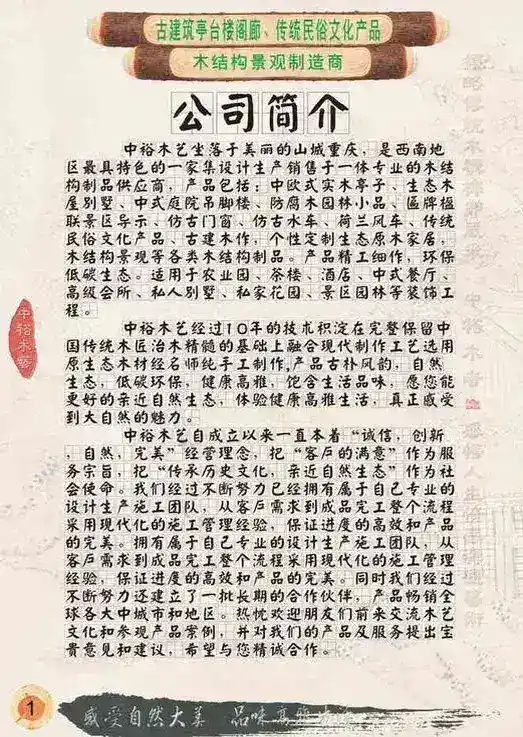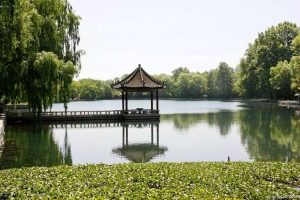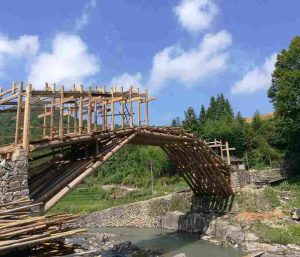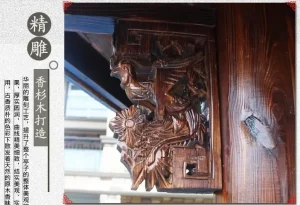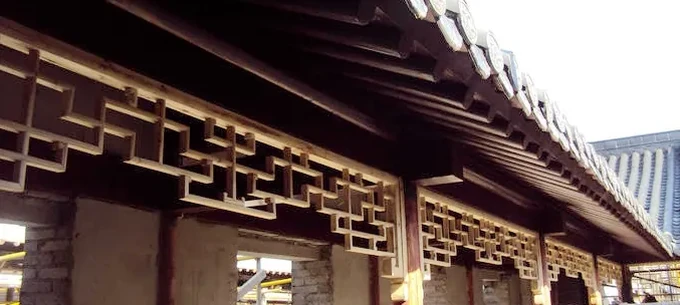
Understanding Outdoor Timber: Why Wood Selection Matters
Choosing the best wood for outdoor timber structures determines whether your pavilion, gazebo, or garden pavilion lasts 10 years or 100 years. In traditional Chinese woodcraft, master craftsmen spent decades learning which timber species resist decay, handle moisture, and develop that sought-after silver patina over time. This guide cuts through the confusion and gives you the practical knowledge to select the right wood for your outdoor project.
The challenge is real: outdoor timber faces rain, humidity, UV radiation, insects, and temperature swings that can destroy inferior wood within seasons. Yet the right species, properly treated, creates structures of extraordinary longevity. The ancient builders of the Song Dynasty created wooden pavilions that still stand today, not through magic but through deep understanding of material properties.
Whether you are specifying materials for a cultural heritage park in Zhongshan, designing a garden pavilion for a resort in Europe, or selecting timber for a waterside pavilion in North America, the principles remain constant. The best wood for outdoor timber structures combines natural durability, workability, dimensional stability, and aesthetic appeal. This practical guide draws from 48 years of traditional Chinese woodcraft to help architects, builders, and project managers make informed decisions.
Traditional Chinese Wood Species: Centuries of Proven Performance
Traditional Chinese woodcraft developed over millennia with specific timber species that demonstrated exceptional outdoor performance. These species were not randomly chosen but emerged through centuries of practical testing across diverse climates and applications.
Chinese Cryptomeria (Cryptomeria japonica) ranks among the most valued conifers for outdoor construction in southern China. This species features straight grain, moderate density, and remarkable natural resistance to fungal decay. Historical records from the Song Dynasty describe cryptomeria as the preferred material for waterside pavilions and garden structures where humidity exposure was constant.
Chinese Masson Pine (Pinus massoniana) dominates outdoor timber applications across central and eastern China. When properly pressure-treated, masson pine achieves 30+ year service life in exposed conditions. Its excellent workability allows craftsmen to execute complex mortise and tenon joinery with precision. The species takes preservation treatments deeply, creating thorough protection from core to surface.
Borneo Kamarunga (Shorea spp.), known commercially as yellow balau or merbau, provides exceptional hardness and natural oil content that resists moisture absorption. This tropical hardwood handles temperature extremes without splitting or warping, making it ideal for high-end garden pavilions and architectural features.
Modern Preservation Technologies: Extending Timber Lifespan
Modern preservation technologies transform good timber into excellent outdoor material. Understanding these processes helps you specify treatments that match your project requirements and regional regulations.
Pressure Treatment forces preservative compounds deep into wood cells using hydraulic pressure, achieving penetration depths impossible with brush or spray application. For masson pine used in garden pavilions and waterside structures, pressure treatment with copper-based preservatives creates a barrier against fungal decay and wood-boring insects. This treatment extends service life from 5-10 years to 25-40 years in exposed conditions.
Heat Treatment (Thermally Modified Wood) exposes timber to temperatures of 180-220°C in oxygen-controlled chambers. This process modifies wood cell walls, reducing moisture absorption by 40-50% and creating inherent decay resistance without chemical additives. Heat-treated timber suits projects requiring chemical-free materials, such as children’s play structures and organic farm experiences.
Oil Finishes and Natural Preservatives penetrate wood surfaces to repel water while allowing the timber to breathe naturally. Traditional Chinese woodcraft utilized tung oil, linseed oil, and plant-based waxes long before modern chemistry. These natural finishes enhance grain visibility while providing water resistance that can be renewed through simple maintenance.
The key is matching preservation method to exposure conditions. A garden pavilion in a dry climate needs different treatment than a waterside pavilion facing constant humidity. At Zhongyu Woodcraft, our 48-year craftsmen assess each project’s specific conditions before recommending treatment protocols.
Wood Properties Explained: Density, Stability, and Workability
Beyond species selection, understanding fundamental wood properties helps you match material to application. These technical characteristics determine how timber performs in your specific project context.
Density, measured in kg/m³, correlates directly with hardness, strength, and natural durability. High-density timbers like merbau (850-950 kg/m³) resist impact damage and surface wear but prove challenging to work and require specialized cutting tools. Lower density species like masson pine (450-550 kg/m³) offer easier workability and faster construction timelines but may show surface bruising from heavy use.
Dimensional Stability describes how much wood moves with moisture changes. Timber with poor stability warps, twists, and splits as humidity fluctuates seasonally. Traditional Chinese woodcraft addressed this through careful timber selection and traditional joinery techniques that allow wood movement without compromising structural integrity. Mortise and tenon joints, when properly designed, accommodate seasonal movement while maintaining tight connections.
Moisture Content at installation dramatically affects long-term performance. Properly kiln-dried timber (12-15% moisture content for outdoor use in temperate climates) minimizes future movement and ensures treatment penetration reaches the core. Never specify green or unseasoned timber for outdoor construction, regardless of species.
The table below summarizes key properties for major outdoor timber species:
| Species | Density (kg/m³) | Natural Durability | Workability | Typical Outdoor Lifespan |
|---|---|---|---|---|
| Chinese Cryptomeria | 350-450 | Moderate-High | Excellent | 20-40 years |
| Masson Pine (Treated) | 450-550 | High (treated) | Excellent | 25-40 years |
| Merbau | 850-950 | Excellent | Moderate | 50+ years |
| European Oak | 650-750 | High | 40-60 years | |
| Western Red Cedar | 350-400 | High | 25-35 years |
Mortise and Tenon Joinery: The Secret to Durable Timber Structures
The choice of joinery method matters as much as timber selection for outdoor structures. Traditional Chinese woodcraft developed the mortise and tenon system specifically for timber that moves with moisture changes while maintaining tight, weather-re
sistant connections.
A mortise and tenon joint consists of a protruding tenon on one timber member that fits into a precisely cut mortise hole on another member. Traditional joinery, eliminating corrosion problems that plague modern construction. The joint achieves remarkable strength through mechanical interlock and wood-to-wood adhesion from natural resins.
The engineering logic is elegant: wood expands and contracts across the grain with moisture changes, but remains relatively stable along the grain. Mortise and tenon joints accommodate this differential movement, while metal fasteners create stress concentrations that lead to splitting and structural failure.
For outdoor timber structures, joinery design must account for water infiltration at joint interfaces. Traditional Chinese techniques incorporated strategic angles, overhangs, and drip grooves that direct water away from vulnerable joint surfaces. Modern interpretations maintain these principles while optimizing for manufacturing efficiency.
At Zhongyu Woodcraft, our master craftsmen execute mortise and tenon joinery using precision measuring and hand-fitting techniques passed through four generations. This traditional approach, combined with modern precision tools, achieves joints that remain tight through decades of seasonal movement.
Climate Considerations: Matching Timber to Regional Conditions
Outdoor timber performs differently across climate zones. What works perfectly in a temperate European garden may fail quickly in tropical humidity or desert heat. Successful projects match timber selection to regional conditions.
Humid Subtropical Climates (southern China, Southeast Asia, Florida) demand timber with exceptional moisture resistance. High rainfall and humidity create ideal conditions for fungal decay. Merbau and other dense hardwoods perform excellently, while lighter species require thorough pressure treatment and elevated construction to prevent ground moisture contact.
Mediterranean and Dry Climates (California, Spain, Australia) present challenges of intense UV radiation and occasional heavy rain. Species with natural oils like Western Red Cedar resist UV degradation, while color-stable hardwoods maintain appearance longer. Regular oil treatment preserves aesthetics in these demanding conditions.
Temperate Climates (northern Europe, Pacific Northwest) experience dramatic seasonal humidity swings that stress timber structures. Dimensional stability becomes paramount, favoring species with consistent cell structure. Quarter-sawn timber, where annual rings run perpendicular to the board face, minimizes surface checking and warping from seasonal movement.
Cold Climate Conditions require attention to frost damage and freeze-thaw cycles. Timber with low moisture absorption resists internal fracturing from ice expansion. Proper installation detailing that prevents water pooling ensures structures survive decades of winter exposure.
Case Study: Cultural Heritage Park Pavilion in the Pearl River Delta
Understanding theory becomes clearer through real project examples. This case study examines a traditional Chinese garden pavilion project in the Pearl River Delta region, where humid subtropical climate presented significant timber durability challenges.
The project required three interconnected garden pavilions serving as focal points for a 15-hectare cultural heritage park. The client specified authentic traditional Chinese design with mortise and tenon joinery, but demanded 30-year structural warranty covering the coastal climate’s harsh conditions.
Material specification presented the core challenge. Indigenous hardwoods exceeded budget, while common plantation timber required treatment protocols exceeding local supply capabilities. The solution combined pressure-treated masson pine for structural elements with merbau hardwood for exposed surfaces and walkways.
Construction employed traditional mortise and tenon joinery throughout, with modern weatherproofing at critical water-shedding details. Overhanging eaves extended 1.2 meters to protect structural joints from direct rainfall, a design principle borrowed from Song Dynasty pavilion architecture documented in the Yingzao Fashi (Treatise on Architectural Methods).
The completed pavilions opened to public in 2022 and have required only routine annual maintenance despite three typhoon seasons and cumulative rainfall exceeding 4,500mm. This project demonstrates how proper timber selection, traditional joinery, and thoughtful design details create outdoor structures that perform reliably across decades.
Practical Selection Guide: Matching Timber to Your Project Type
Translating knowledge into action requires matching timber characteristics to specific project requirements. This practical guide provides decision frameworks for common outdoor timber structure types.
For Garden Pavilions and Gazebos, prioritize workability and aesthetic appeal alongside durability. Masson pine with pressure treatment offers excellent value, while merbau provides premium performance with distinctive grain patterns. Both species accommodate the complex joinery that creates traditional pavilion aesthetics.
For Waterside Structures (boardwalks, fishing piers, waterside pavilions), emphasize moisture resistance above all other factors. Dense hardwoods like merbau or tropical species with high natural oil content resist biological decay in water exposure. Elevate construction to prevent prolonged water contact with structural connections.
For Pergolas and Shade Structures, balance structural requirements with visual lightness. Western red cedar provides excellent workability and natural weather resistance while creating warm, inviting aesthetics. Alternatively, treated softwoods work well when hidden from view by decorative elements.
For Heritage Restoration Projects, matching original materials often requires finding timber species or treatment methods that replicate historical performance. Our craftsmen analyze surviving wood samples to identify species and develop matching specifications for replacement components.
Q: What is the minimum order quantity (MOQ)?
A: Our MOQ is 1 unit for standard designs, with volume pricing available from 3 units. We keep standard components in stock to serve trial orders and repeat customers equally well.
Q: What are your payment terms?
A: Standard terms are 30% T/T deposit to confirm the order and 70% balance before shipment. For long-term partners we can discuss L/C at sight or net-30 terms.
Q: Do you provide installation guidance?
A: Yes. Every shipment includes detailed assembly drawings and step-by-step video guidance. For large pavilions and heritage structures, on-site installation supervision is available.
According to our master craftsman with 48 years of experience, “The mortise-and-tenon joint needs no nails — the interlocking of timber itself carries the load, a technique passed down for centuries.”
Call/WhatsApp: +86 13883366528
Zhongyu Woodcraft – 48 Years Traditional Chinese Woodcraft Factory, Nationwide Installation