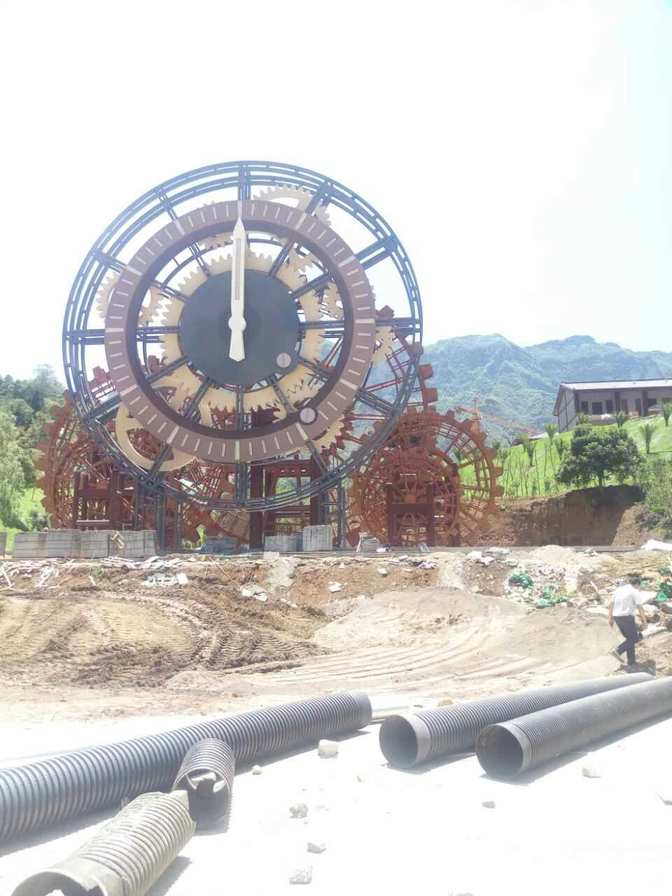
In the growing field of heritage tourism and landscape restoration, choosing the right material for a traditional waterwheel or pavilion is a critical decision. Many buyers face a simple question: solid wood, steel, or concrete? According to a senior craftsman at our 48-year factory, the answer depends on whether you prioritize authenticity, longevity, or short-term cost. This guide breaks down the three truths that separate traditional craft from modern shortcuts, helping you make an informed choice for your scenic area, park, or cultural project.
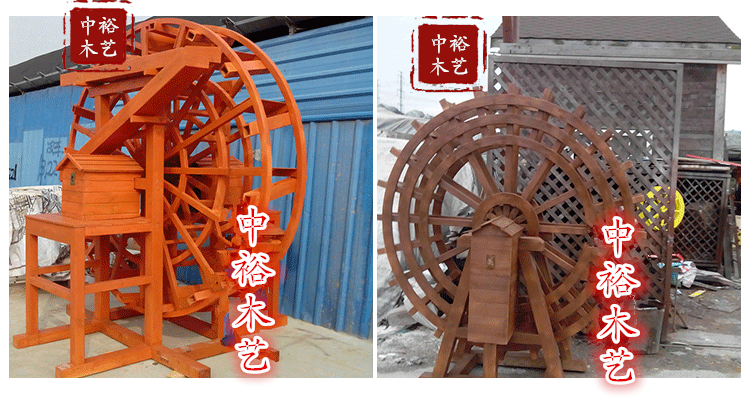
A traditional waterwheel restoration is not just a mechanical object; it is a cultural landmark that defines the identity of a historic site. When you choose between a wooden waterwheel and a steel-frame waterwheel, you are choosing between heritage authenticity and industrial durability. Our factory in China specializes in creating these structures using anti-corrosion wood and traditional joinery, ensuring they blend seamlessly into their environment.
One of the biggest misconceptions is that steel lasts longer. While steel does not rot, it does rust. According to our master craftsman with 48 years of experience, a properly treated wooden structure ages gracefully. The wood develops a silver-grey patina that enhances its natural beauty. Steel, on the other hand, requires continuous maintenance to prevent corrosion. If the paint chips, rust spreads, and the structural integrity fails. Wood, when built with mortise and tenon joinery and treated with carbonized wood techniques, can last over 50 years with minimal intervention. Steel often needs a full repaint or replacement of corroded parts within 10–15 years.
For cultural tourism projects, visitors expect a sense of history. A steel-frame waterwheel, no matter how well it is painted, often looks like a replica. It lacks the tactile warmth and organic texture of solid timber. Research in heritage conservation shows that authentic materials significantly increase visitor dwell time and satisfaction. According to the Yingzao Fashi (Building Standards), traditional structures relied on wood for its flexibility in seismic zones and its acoustic qualities. A wooden waterwheel, especially one crafted from durable species like nut wood or treated anti-corrosion wood, creates an immersive experience that steel cannot replicate. It looks like it belongs there because it does.
Upfront, a steel structure might seem cheaper. However, when you factor in installation, maintenance, and eventual replacement, the math changes. Our factory data from 300+ projects indicates that a high-quality wooden waterwheel made from premium hardwoods has a total cost of ownership that is often 20-30% lower over a 20-year period. Steel requires specialized welding, heavy cranes for installation, and periodic anti-rust treatments. Wood, with its traditional craft joinery, can be assembled on-site with fewer heavy machines. Plus, if a single wooden arm breaks, you replace that arm. If a steel weld fails, you often have to reinforce the whole frame.
Below is a comparison of key factors to help you decide between solid wood and steel for your project. These specifications are based on standard industry data and our factory experience.
| Feature | Wooden Waterwheel (Solid) | Steel-Frame Waterwheel |
|---|---|---|
| Primary Material | Anti-corrosion Wood, Nut Wood, Carbonized Wood | Carbon Steel, Stainless Steel |
| Joinery Type | Mortise and Tenon, Bolted | Welded, Bolted |
| Average Lifespan | 40-60 years | 15-25 years (weather-exposed) |
| Maintenance | Annual oiling or stain | Bi-annual paint/anti-rust |
| Weight (3m Diameter) | 800 – 1,200 kg | 1,500 – 2,000 kg |
| Aesthetic Impact | High Heritage Value | Industrial/Modern Look |
All dimensions and weights can be customized based on the water flow and structural support required for your specific site.
Where should you use which material? For a scenic area restoration or a traditional garden, the wooden waterwheel is the clear winner. It complements the natural landscape and historic architecture. For modern parks or industrial-themed venues, a steel-frame waterwheel might fit the aesthetic better. However, even in modern settings, many designers are choosing carbonized wood for its unique dark, charcoal appearance that mimics metal but offers superior insulation and durability. Our factory has supplied traditional craft wooden wheels to museums, resorts, and public parks worldwide. A 5-meter wooden wheel in a cultural park can serve as both a functional irrigation tool for nearby landscaping and a major photo opportunity for tourists.
Choosing solid wood does not mean sticking to a single design. We offer full customization on dimensions, wood species, and joinery style. You can select anti-corrosion wood for high-moisture areas or nut wood for maximum hardness in dry climates. Our engineers work with you to calculate the torque needed for the water flow on your specific site. We use traditional craft techniques to ensure the wheel rotates smoothly without excessive bearing wear. This level of detail is what separates a mass-produced item from a true restoration.
A recent project involved restoring a historic water channel for a cultural park. The client initially considered steel for perceived durability. After reviewing our data, they chose a 4-meter solid wooden waterwheel made from treated hardwood. Two years later, the wooden wheel has required only minor staining, while nearby steel structures have shown rust spots requiring patching. The wooden wheel became a social media sensation, attracting thousands of visitors who praised its authentic look. This case proves that for heritage sites, authenticity is the most valuable asset.
FAQ
Q: How long does it take to install a wooden waterwheel?
A: Standard installation takes 3-5 days for a 3-4 meter wheel. Our team can be on-site to guide the assembly or ship it pre-assembled for larger diameters.
Q: What is the price range for a custom wooden waterwheel?
A: Prices vary by wood type and size. A basic 3-meter anti-corrosion wood wheel starts at $3,500 USD. Premium nut wood or carbonized wood options cost 20-40% more.
Q: Does the wood rot in humid climates?
A: No. We use anti-corrosion treatments and kiln-dried wood to prevent rot. In fact, treated solid wood performs better in humidity than steel, which is prone to galvanic corrosion in certain environments.
When choosing between solid wood and steel for your traditional building restoration or landscape project, remember these three truths: wood ages better, wood creates authenticity, and wood offers lower long-term costs for heritage sites. Our 48-year factory in China is ready to help you select the right material for your vision. Whether you need a traditional craft wooden wheel or a modern steel alternative, we provide the expertise to get it right. Contact us for a free consultation and project quote.
Prospective clients often ask about the specific lifespan of different timber species in high-humidity environments. When you choose Champion Pine or Boruto for a waterwheel near a river or coastal area, you must account for salt spray and constant moisture. These hardwoods, when treated with our proprietary deep-penetrating sealants, can last 20 to 25 years without structural failure. In contrast, standard pine without treatment might degrade within 5 to 7 years in the same setting. If you are installing a waterwheel in a dry, desert climate, standard untreated pine is often sufficient and significantly cheaper, but it will require re-sanding and re-oiling every two years to prevent cracking.
You may also wonder about the weight difference between materials. A full-sized 10-meter diameter waterwheel made of Boruto weighs approximately 4.5 tons, whereas a steel-framed version with wooden slats weighs only 2.8 tons. This 1.7-ton difference matters greatly for your foundation. A traditional wooden wheel requires a deep concrete footing with rebar reinforcement to support the heavy load and torque of moving water. A steel-framed structure requires less foundation depth but still needs robust anchor bolts. Our engineering team provides specific foundation drawings for every project, ensuring that your installation site is prepared correctly before the wheel arrives. This saves you from expensive retrofitting later.
Another common concern is the maintenance of moving parts. The axle and the water scoops are the most critical components. For traditional wooden wheels, the axle must be greased with a food-grade or natural wax every six months to prevent wood-on-wood friction from wearing down the bearing points. We recommend using beeswax or specialized timber care oils for this. Steel axles, however, only need a light application of machine oil annually. The water scoops, or buckets, can become clogged with debris or algae over time. We design our scoops with a specific 15-degree angle to prevent debris accumulation, but you should still plan for a bi-annual cleaning cycle. We provide detailed maintenance manuals with every installation, listing exactly which components need checking and how often.
Finally, clients often ask about the visual authenticity of mixed-material wheels. Can you have a steel frame with wooden slats and still call it a “traditional” waterwheel? Yes. Many modern heritage parks in China use this hybrid approach to reduce maintenance costs while keeping the visual appeal of wood. The steel frame is painted to match the wood tone, so from a distance, the wheel looks solid timber. Up close, you see the precision engineering of the steel joints. This is a popular choice for busy tourist sites where staff cannot constantly maintain a fully wooden mechanism. It offers the best of both worlds: the rustic look of traditional craftsmanship and the durability of modern steel.
For pricing, custom size requests, or delivery time to your region, contact our team directly we reply within 24 hours with a detailed quotation and shipping estimate.
Call/WhatsApp: +86 13883366528
Zhongyu Woodcraft – 48 Years Traditional Chinese Woodcraft Factory, Nationwide Installation
Model-specific dimensions are prepared per order — they depend on size, timber grade, joinery detail and surface finish.
The commercial terms below are fixed and apply to every order. Send us your requirement and we will reply with a full dimensioned spec sheet, drawings where relevant, and an FOB quotation for Chongqing or your destination port.
| Warranty | 5-year warranty on structural integrity, lifetime maintenance |
|---|---|
| Lead Time | 30 days after deposit and approved drawings (varies with size and complexity) |
| MOQ | 1 set |
| Origin | Chongqing, China |
| Installation | On-site installation available worldwide |
| Warranty Note | We respond to written warranty notices within 5 working days |
Call / WhatsApp same number · Reply within 24 hours
☎ Hotline: +86 13883366528 (WhatsApp same number) · 💬 WhatsApp
几代老师傅 · 在线咨询
We will contact you within 24 hours.