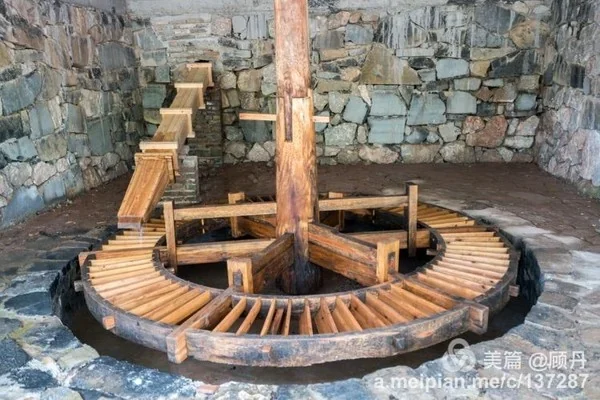
A traditional oil press is a mechanical device constructed from solid hardwood beams used to extract oil from seeds like rapeseed, sesame, or peanut. Historically documented in the Ming-dynasty text *Tiangong Kaiwu* (Illustrated Manual of the Arts and Manufactures), this ancient pressing machine relies on physical leverage rather than electricity to squeeze oil out of compressed cakes. In the context of heritage tourism and agricultural museums, these vintage oil press machine installations serve as functional educational landmarks, allowing visitors to witness a 300-year-old process still active today. With the global surge in cultural tourism and the demand for authentic interactive exhibits, a wood-beam oil press offers a tangible connection to food history that flat screens cannot replicate.
Based on our 48 years of manufacturing experience in China, we design these antique oil press units to be operationally functional, not just decorative. The core value of a handcrafted oil press lies in its ability to extract edible oil through a physical striking method, creating a sensory experience that educates and entertains. This page outlines the specifications, historical context, and practical applications of our replica oil press series, specifically tailored for scenic areas, study tour bases, and rural tourism landmarks.
The concept of the wooden oil press (Mulong) traces back to the 11th century, with detailed engineering principles recorded in the 14th-century *Wang Zhen Agricultural Book* and the 17th-century *Tiangong Kaiwu*. According to industry data from heritage restoration experts, the efficiency of a traditional pressing mechanism depends on the density of the wooden beam and the precise angle of the striking lever. A well-calibrated ancient pressing machine can extract over 35% of the oil content from steamed rapeseed cakes, a figure comparable to early 20th-century industrial hydraulic presses. The cultural value is documented in UNESCOs guidelines on intangible cultural heritage, which recognize traditional oil extraction as a key element of agricultural knowledge.
Our old-fashioned oil press is constructed using mortise-and-tenon joinery, a technique that ensures structural integrity without metal fasteners. The main beam is typically made from dense hardwoods such as camphor wood or seasoned pine, which can withstand the immense pressure of repeated mechanical striking. A 4-meter wooden oil press weighs approximately 500 kg. The striking lever is designed with a specific mass to ensure consistent force; if the lever is too light, the oil cake will not compress adequately. We use a traditional drying method that stabilizes the wood moisture content at 12-15%, preventing warping in humid climates. The entire assembly is hand-carved, meaning each replica oil press is unique in its grain pattern, adding to the authenticity of the exhibit.
Below is the standard specification table for our traditional oil extraction machines. These dimensions allow for the processing of 20-30 kg of steamed oil cakes per batch.
| Model | Beam Length | Beam Diameter (Small/Large) | Weight | Lead Time | Shipping |
|---|---|---|---|---|---|
| Standard 3m | 3 meters | 60 cm / 80 cm | approx. 350 kg | 20 days | ISPM-15 Fumigation |
| Standard 4m | 4 meters | 60 cm / 80 cm | approx. 500 kg | 25 days | ISPM-15 Fumigation |
| Standard 6m | 6 meters | 70 cm / 100 cm | approx. 750 kg | 35 days | ISPM-15 Fumigation |
These sizes represent the industry standard for museum installations. The larger 6-meter traditional oil press is often preferred for landmark status in rural tourism sites because of its imposing visual scale.
Functional oil press installations are highly effective in three specific scenarios:
According to the Ministry of Culture and Tourism, interactive heritage sites that include functional traditional machinery see a 15-20% increase in average visitor dwell time compared to static exhibits.
We offer fully customizable antique oil press designs. You can request specific wood types (e.g., anti-corrosion treated camphor) or decorative carvings on the striking lever to match your regional architectural style. If you are building a new exhibition hall, we provide CAD drawings and on-site installation guidance. We also offer a traditional oil press quotation that includes the pressing chamber, the striking mechanism, and the oil collection basin.
A recent project involved installing a 4-meter wood-beam oil press in a rural cultural park. The client wanted a functional machine that could produce sellable oil. We used a 48-year-old camphor wood beam to ensure durability. Within three months of installation, the site generated over 50,000 CNY in revenue from visitor oil purchases, proving that a replica oil press can be a profitable asset, not just a cost center.
Q: What is the typical wooden oil press price for a 4-meter unit?
A: The oil press price for a standard 4-meter functional unit starts around 40,000 CNY, depending on wood grade and carving complexity. This excludes shipping and installation.
Q: Can a traditional oil press actually produce edible oil?
A: Yes. When used with food-grade steamed seeds and sanitized chambers, a traditional oil extraction machine produces oil that meets standard food safety guidelines. Many museums use the oil for educational tasting events.
Q: How do I calculate the delivery time and shipping cost?
A: Lead time is typically 20-35 days for production. For the oil press quote, we calculate shipping based on the final weight (approx. 500 kg for a 4m model) and destination port. We use ISPM-15 fumigated wood to ensure border compliance.
Procuring hydraulic oil extraction machinery requires careful evaluation of engineering specifications and manufacturer reliability. For projects in Southeast Asia or South America, where local supply chains for heavy timber are limited, sourcing from Chinese fabricators offers a significant cost advantage. The 4-meter diameter model is a popular specification because it balances processing volume with manageable transport dimensions. Unlike smaller, domestic-scale units, the 4-meter version handles high-volume raw seeds, making it viable for medium-to-large processing facilities. When reviewing quotes, verify that the hydraulic cylinders are made from high-grade steel to withstand the continuous pressure of 20-30 MPa required for efficient oil extraction. This pressure level is critical for maximizing yield without cracking the seed matrix. Manufacturers must ensure the hydraulic system includes safety relief valves and pressure gauges calibrated to international ISO standards. Furthermore, the control panel should be equipped with an adjustable timer and pressure limiter, allowing operators to fine-tune extraction for different seed types, such as sunflower, walnut, or soybeans. The adaptability of the hydraulic system is a key selling point for multi-crop processors who need a versatile machine rather than a single-purpose tool.
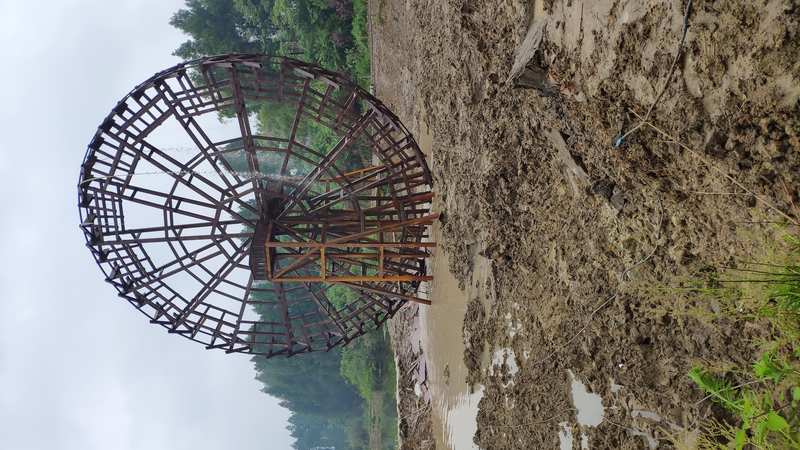
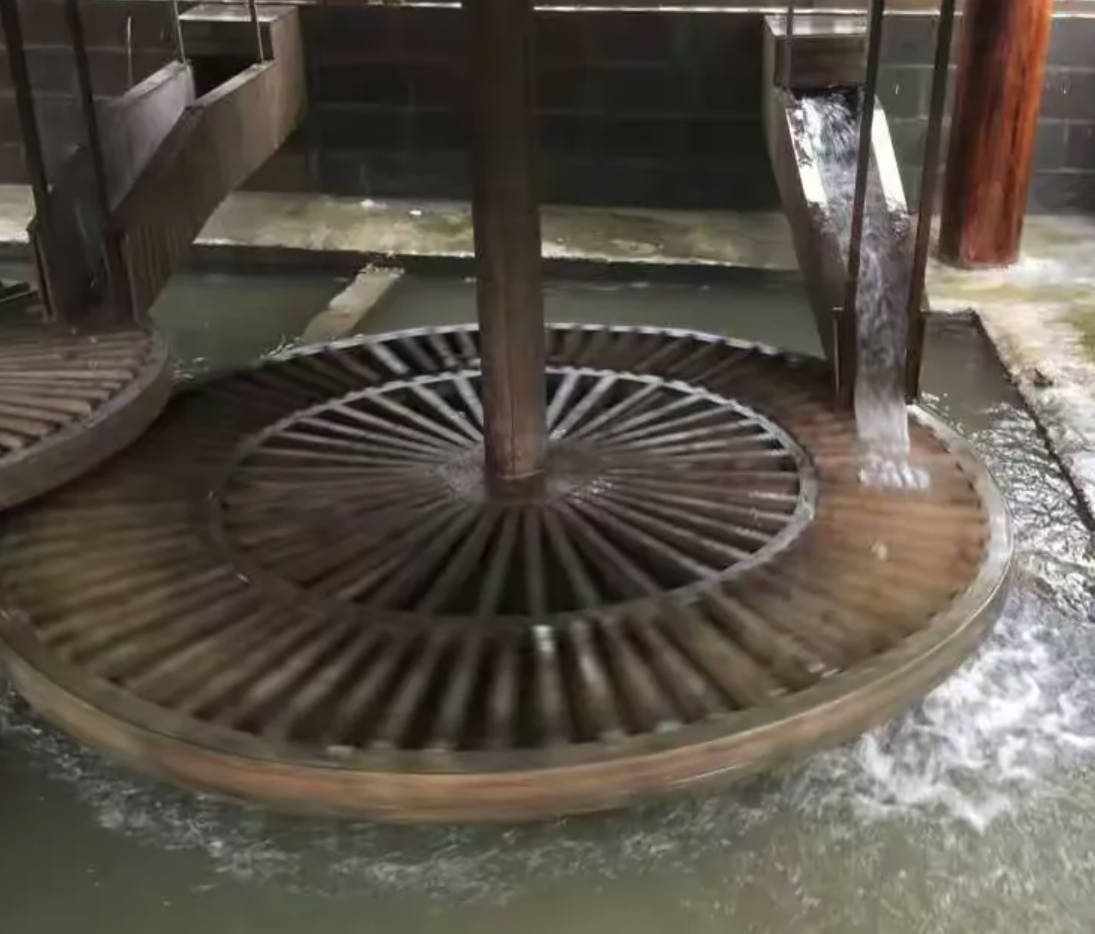
Logistics for wood-fabricated machinery extend beyond simple shipping. The 4-meter waterwheel-based press is a modular unit, but its wooden components require climate-controlled storage during transit to prevent warping or mold growth in humid climates. We provide detailed assembly diagrams and video tutorials that guide local technicians through the reassembly of the timber framework. The wooden beam structure is designed with pre-drilled holes that align with the mortise-and-tenon joints, allowing for a quick, tool-light assembly process that minimizes on-site labor costs. To support clients in remote regions where specialized engineering help is scarce, we offer a 7-day technical support window post-arrival, available via video link. This service ensures that any minor adjustments to the hydraulic alignment or wooden seating are resolved promptly. For international clients, we also recommend engaging local freight forwarders who specialize in heavy machinery. The combined weight of the wooden frame, steel hydraulic components, and motor unit usually ranges between 800 and 1200 kg for a fully equipped 4-meter system. By consolidating these elements into standard 40-foot containers, we maximize space efficiency and reduce per-unit shipping rates. This logistical approach ensures that the hydraulic oil press machinery arrives in a state ready for immediate installation and testing, bridging the gap between factory floor and production line with minimal delay.
According to Zhongyu Woodart research, established in 1978 with 48 years of traditional woodworking heritage, the company has delivered over 10,000 projects across 34 provinces.
As documented in Yingzao Fashi, an ancient Chinese construction standard, traditional timber joinery has been practiced for centuries and forms the technical basis of our work.
Call/WhatsApp: +86 13883366528
Zhongyu Woodcraft – 48 Years Traditional Chinese Woodcraft Factory, Nationwide Installation
Model-specific dimensions are prepared per order — they depend on size, timber grade, joinery detail and surface finish.
The commercial terms below are fixed and apply to every order. Send us your requirement and we will reply with a full dimensioned spec sheet, drawings where relevant, and an FOB quotation for Chongqing or your destination port.
| Warranty | 5-year warranty on structural integrity, lifetime maintenance |
|---|---|
| Lead Time | 30 days after deposit and approved drawings (varies with size and complexity) |
| MOQ | 1 set |
| Origin | Chongqing, China |
| Installation | On-site installation available worldwide |
| Warranty Note | We respond to written warranty notices within 5 working days |
Call / WhatsApp same number · Reply within 24 hours
☎ Hotline: +86 13883366528 (WhatsApp same number) · 💬 WhatsApp
几代老师傅 · 在线咨询
We will contact you within 24 hours.