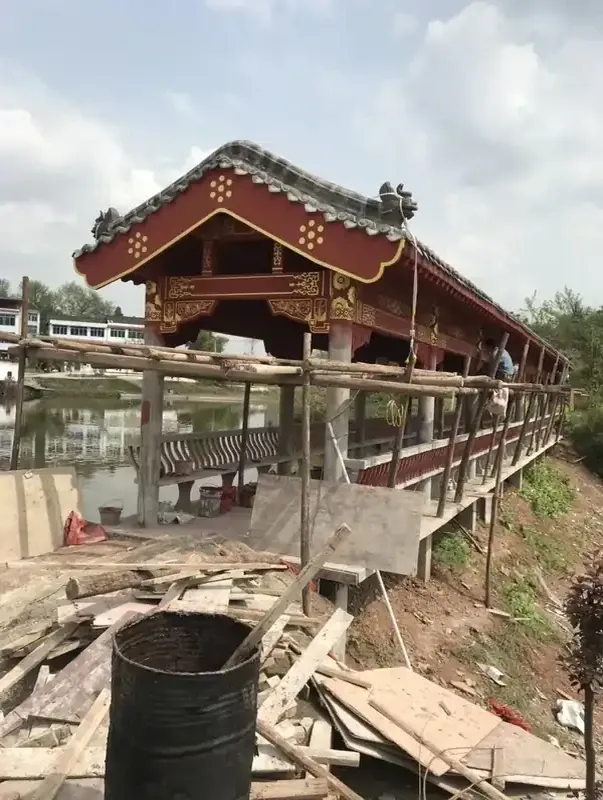
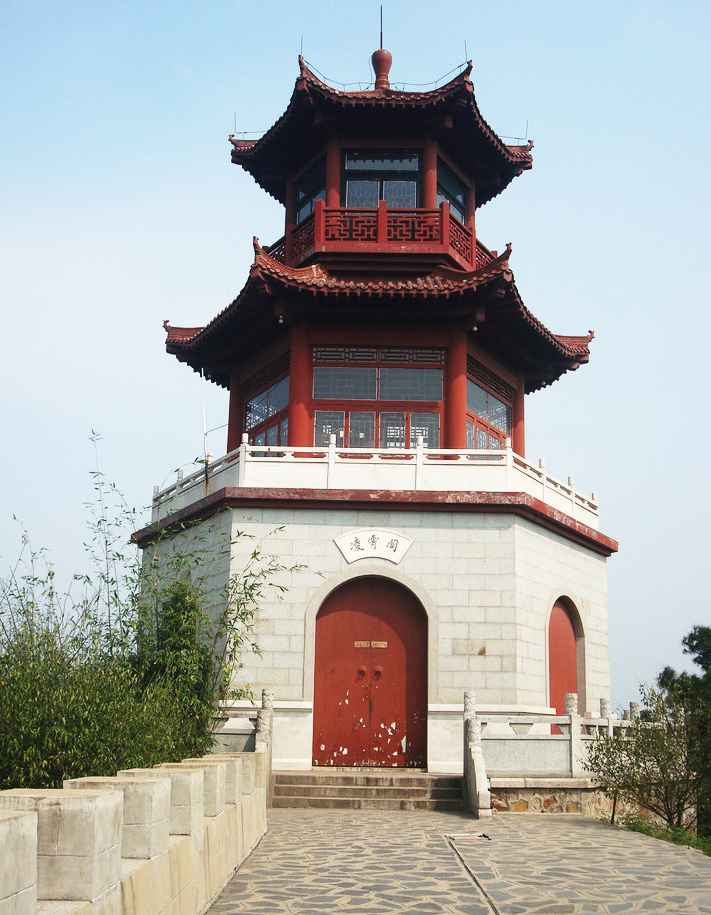
For over four decades, our workshop has been crafting traditional Chinese wooden pavilions that serve as stunning focal points in gardens, parks, and cultural spaces across the globe. A Chinese wooden pavilion is far more than a simple garden structureit is a living piece of architectural heritage, rooted in over two thousand years of building tradition. Each pavilion we produce combines authentic mortise and tenon joinery with carefully selected hardwoods, creating outdoor structures that endure for generations. Whether you are planning a private garden retreat, a resort landscape feature, or a cultural landmark project, our pavilions bring timeless elegance and proven structural integrity to any outdoor setting.
Our factory has exported to more than fifty countries, serving landscape architects, resort developers, museum curators, and private homeowners who value authentic craftsmanship over mass-produced alternatives. Every structure we build carries the weight of centuries-old tradition while meeting the practical demands of modern outdoor installation.
The Chinese wooden pavilion, known in classical architecture as the ting or ge, represents one of the most distinctive and beloved forms in East Asian building tradition. Historical records trace the origins of pavilion construction back to the Zhou Dynasty over three thousand years ago, when early rulers built simple sheltered structures in royal gardens for rest and contemplation. By the Tang Dynasty, pavilions had evolved into sophisticated architectural elements that balanced aesthetic beauty with functional purpose, serving as viewing platforms, tea houses, and ceremonial spaces within imperial and monastic gardens.
The classical pavilion design follows strict proportional systems documented in ancient building manuals such as the Yingzao Fashi, the Song Dynasty architectural treatise that established standardized ratios for roof pitch, column spacing, and eave overhang. These proportional rules were not arbitrarythey reflected deep understanding of structural mechanics, visual harmony, and the relationship between built form and natural landscape. A well-proportioned pavilion appears grounded and stable, with a roof line that echoes the curvature of distant hills and a footprint that frames the surrounding garden like a living painting.
Unlike Western gazebo traditions that often rely on metal fasteners and modern engineering calculations, the Chinese pavilion tradition depends entirely on wooden joinery. The mortise and tenon system allows structures to flex subtly under wind and seismic loads, a feature that has saved countless pavilions through centuries of earthquakes and typhoons. This flexibility is precisely why traditional Chinese wooden structures can survive for hundreds of years while rigid mortared or bolted constructions often fail under similar conditions.
At the heart of every pavilion we produce lies the mortise and tenon joinery system, a technique that requires years of training to master. Our senior craftsman with forty-eight years of experience says that the difference between a good pavilion and a great one comes down to the precision of each joint. A properly cut tenon fits into its corresponding mortise with a snug friction fit that requires no metal fasteners whatsoever. The joints are so precise that a sheet of paper cannot be slipped between them, yet they allow for the subtle movement that prevents cracking under seasonal wood expansion and contraction.
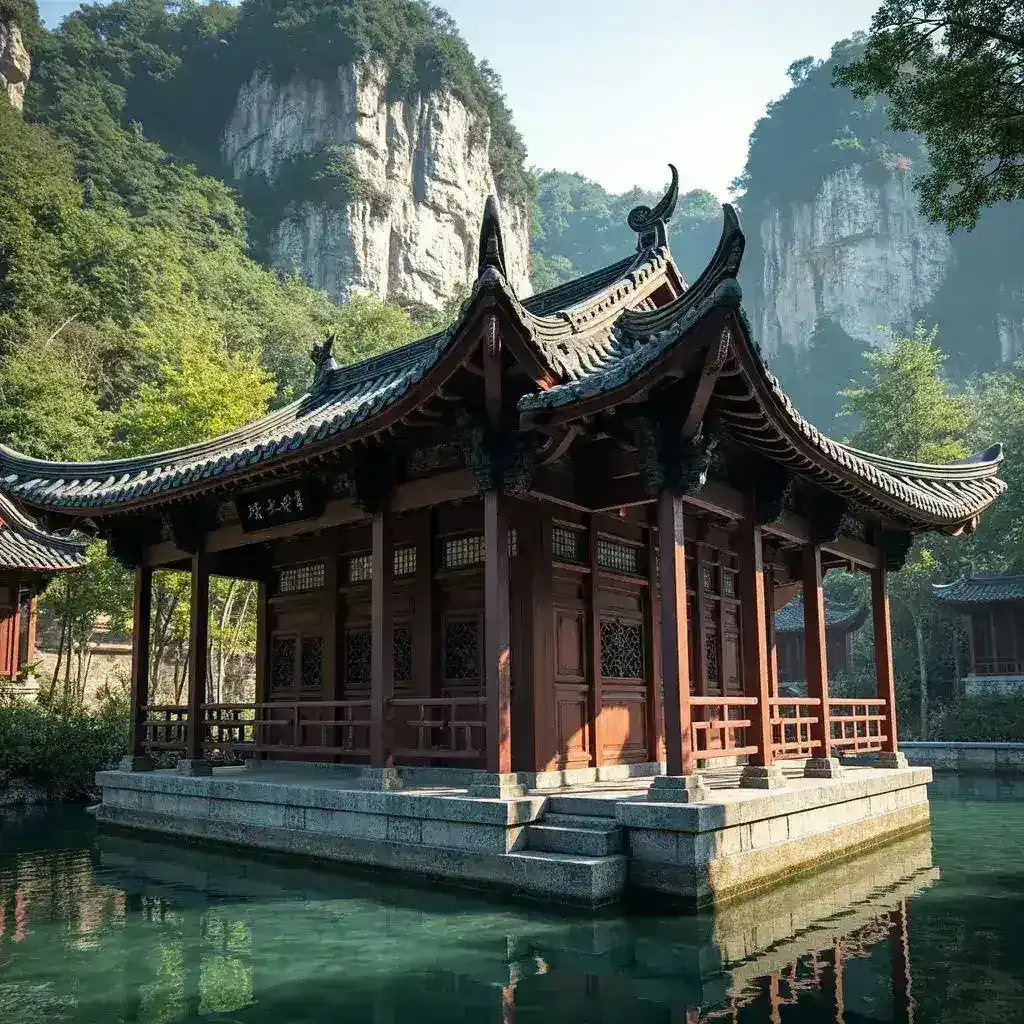
The roof structure of a traditional pavilion relies on a complex system of dougong brackets, interlocking wooden pieces that transfer the weight of the roof down through the columns without requiring nails or steel connectors. Each dougong bracket is hand-carved from a single piece of hardwood, and the assembly process follows patterns that have been refined over many centuries. The brackets create the characteristic sweeping roof lines that define Chinese pavilion architecture, with eaves that curve upward at the corners in a gesture that has become one of the most recognizable silhouettes in world architecture.
Wood selection is equally critical to the longevity of the structure. We primarily use teak, ipe, and pressure-treated pine for outdoor pavilions, each chosen for specific properties. Teak offers natural oils that resist insects and decay without any chemical treatment, making it ideal for humid tropical climates. Ipe, with a Janka hardness rating above two thousand, is one of the densest commercial hardwoods and can last fifty years or more in exposed outdoor conditions. Pressure-treated pine provides an economical option that still meets structural requirements for standard garden installations.
Our pavilions are designed to address the most common concerns raised by buyers who have been disappointed by mass-produced alternatives. The first and most important feature is the commitment to authentic joinery. Many suppliers on the market now use metal brackets and screws disguised to look traditional, but these structures lack the flexibility and longevity of true mortise and tenon construction. Our pavilions use zero metal fasteners in the primary structure, which means they will not rust, loosen, or fail at connection points over time.
The second feature addresses proportion and visual impact. Our designs follow classical Chinese architectural ratios rather than arbitrary modern dimensions. This means the roof height, column spacing, and eave projection are in harmonious relationship to each other, producing a structure that reads as authentic rather than as a pastiche of decorative elements. A visitor familiar with traditional architecture will immediately recognize the difference between a properly proportioned pavilion and one that was designed without understanding of classical principles.
The third feature is material treatment and structural reinforcement. Every piece of lumber is kiln-dried to eight to twelve percent moisture content before joinery begins, preventing the warping and cracking that plagues structures built from green or improperly dried wood. Critical load-bearing members are oversized relative to minimum code requirements, providing a safety margin that exceeds typical commercial standards. The result is a pavilion that feels substantial and secure when you stand beneath it, with columns that do not flex and a roof that remains rigid even in high winds.
| Specification | Details |
|---|---|
| Product Name | Traditional Chinese Wooden Pavilion |
| Primary Material | Teak / Ipe / Pressure-Treated Pine |
| Joinery Type | Traditional Mortise and Tenon, Zero Metal Fasteners |
| Standard Sizes | 3m x 3m, 4m x 4m, 5m x 5m, 6m x 6m (custom available) |
| Column Height | 2.8m to 3.5m (depending on roof style) |
| Roof Types | Hip roof, Gazebo roof, Double-eave, Multi-eave |
| Wood Moisture Content | 8-12% kiln-dried |
| Production Lead Time | 20-35 days for standard sizes |
| Container Loading | 4m x 4m pavilion fits in 20ft container |
| Warranty | 15 years structural, 5 years finish |
| Origin | Factory direct from China |
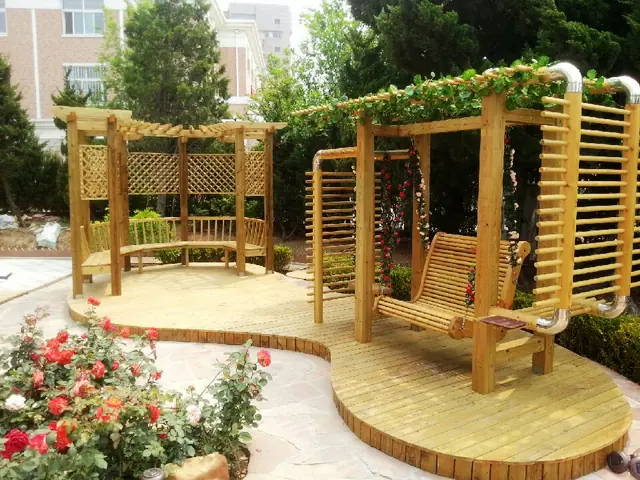
Chinese wooden pavilions serve remarkably diverse functions across different project types. In private garden settings, a pavilion becomes the anchor point of the landscape design, providing a shaded gathering space that also serves as a visual destination at the end of a garden path. Homeowners in the United States, Australia, and the United Kingdom increasingly choose wooden pavilions for backyard entertaining areas, pairing them with outdoor kitchens and fire pits to create year-round living spaces.
For resort and hospitality projects, pavilions function as poolside cabanas, restaurant dining shelters, and ceremony venues for weddings. The open-sided design allows natural airflow while the substantial roof provides complete sun and rain protection, making pavilions more comfortable than solid-walled structures in warm climates. Several resort developers in Southeast Asia and the Middle East have incorporated our pavilions into luxury garden villas and beachfront dining areas.
Cultural and institutional projects represent another significant application. Museums and heritage centers use pavilions as outdoor exhibition spaces, installation platforms, and interpretive structures that help visitors understand traditional building techniques. Educational programs at cultural sites often include pavilion construction workshops where participants learn about joinery, wood selection, and the history of Chinese architecture through hands-on experience.
Every pavilion project begins with a consultation to understand your specific requirements, site conditions, and design vision. Our design team can work from your existing drawings or develop original designs based on classical templates that we have refined over decades of production. Customization options include size, roof style, column count, decorative carving patterns, and wood species selection. We also offer color and finish customization, including natural oil finishes that highlight the wood grain or stained finishes in traditional Chinese color palettes.
The customization process follows a clear sequence: initial consultation and site assessment, design development with dimensional drawings, material selection and procurement, precision cutting and joinery fabrication, quality inspection and dry assembly, protective finishing, and finally container packing with numbered parts and assembly instructions. Most custom orders are completed within twenty-five to thirty-five days, depending on complexity and size. We provide detailed assembly manuals with illustrated step-by-step instructions, and video support is available for any questions that arise during installation.
Q: Are you a factory or a middleman?
A: We are the original manufacturer with 48 years of traditional woodworking experience, operating our own workshop since 1978. Factory-direct pricing means no middleman markup.
Q: Can this product be customized?
A: Yes. We offer full customization including size, material and style. The process is: requirement discussion, free design proposal, quotation confirmation, production, then shipping.
Q: What materials are used and how is it preserved?
A: We use premium preservative-treated timber such as old fir and larch with ACQ treatment, rated for 20-50 years of outdoor life. Moisture content is controlled to 8-12% for export.
Call/WhatsApp: +86 13883366528
Zhongyu Woodcraft – 48 Years Traditional Chinese Woodcraft Factory, Nationwide Installation
| Material | Solid timber (Chinese pine, eucalyptus, or premium wood options) |
|---|---|
| Treatment | ACQ pressure-treated, 50+ year outdoor lifespan |
| MOQ | 1 unit (sample order welcome) |
| Lead Time | 10-20 working days (sample); 20-40 days (bulk) |
| Shipping | FOB Chongqing. Worldwide shipping available |
Call / WhatsApp same number · Reply within 24 hours
☎ Hotline: +86 13883366528 (WhatsApp same number) · 💬 WhatsApp
几代老师傅 · 在线咨询