The restoration of an ancient manual oil press is one of the most impactful ways to bring intangible cultural heritage to life in museums, cultural parks, and educational workshops. Our wooden oil press is a faithful reconstruction of the traditional Chinese oil extraction machine described in the 17th-century classic Tiangong Kaiwu (The Exploitation of the Works ), crafted using authentic mortise-and-tenon joinery with no metal nails. Every piece is produced directly from our China factory, where two generations of craftsmen have preserved this 48-year craft tradition. With heritage tourism growth accelerating across China and worldwide, demand for historically accurate artisanal installations continues to rise.
A Oil Press Restoration is a traditional Chinese timber structure assembled with mortise and tenon joinery, without metal nails, combining cultural heritage with modern durability.
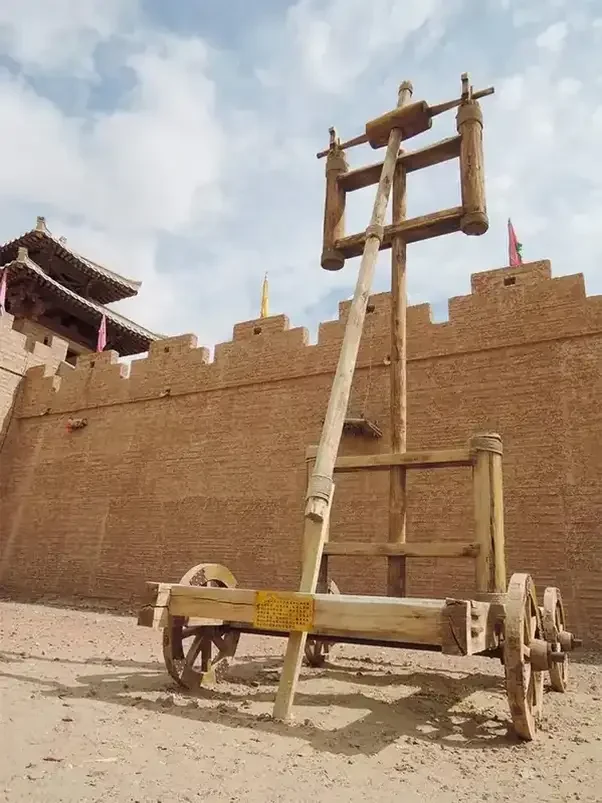
A traditional oil press is a wooden beam-based mechanical device used for centuries across China to extract oil from seeds such as camellia, rapeseed, sesame, and peanut. The press operates on a simple but ingenious principle: a massive horizontal log beam acts as a lever, with a heavy striking head that delivers repeated impact force to compress stacked oil cake rings inside a wooden chamber. The extracted oil flows out through carved channels into a collection vessel below. This old-fashioned oil press technique predates industrial machinery by centuries and represents one of the most sophisticated applications of leverage and compressive force in traditional Chinese engineering.
The vintage oil press machine we restore is not a decorative replicait is a fully functional traditional oil extraction machine built from whole-log timber using time-tested mortise-and-tenon joints. Whether you are planning a living-history museum exhibit, a cultural tourism oil workshop, or an educational demonstration at a rural heritage site, our ancient pressing machine delivers both authenticity and working performance.
Our wooden oil press stands apart through a combination of historical accuracy, structural integrity, and practical usability designed for real-world exhibition environments.
Whole-Log Beam Construction: The main pressing beam is carved from a single piece of premium hardwood, typically aged fir or camphor wood, with a natural grain pattern that speaks to its artisanal origin. The beam diameter tapers from approximately 80–100 cm at the striking end to 60–70 cm at the pivot end, reflecting the proportions found in historical records and surviving ancestral presses.
Authentic Mortise-and-Tenon Joinery: Every connection is secured using traditional Chinese timber framing jointsno screws, no welding, no modern fasteners. This ancient pressing machine construction method ensures structural longevity exceeding 50 years with proper maintenance, while also delivering the visual authenticity that museum curators and heritage inspectors require.
Fully Functional Extraction: Unlike display-only replicas, our antique oil press operates exactly as the original did. Oilseeds are roasted, ground, steamed, formed into cake rings, stacked inside the press chamber, and compressed through lever-striking action. The oil flows visibly through carved spoutsa process that transforms passive viewing into an immersive sensory experience. Visitors can see, smell, and even taste the freshly pressed oil.
Optimized & Commercial Use: We have refined the operational workflow based on 48 years of production experience. The lever mechanism is calibrated for safe, manageable striking force, and the entire system is designed so that trained staffnot just specialized artisanscan operate it. Each unit ships with a detailed operation manual and instructional video covering the full traditional oil extraction process from seed roasting to oil collection.
Food-Safe & Tourist-Grade Materials: All timber is treated with non-toxic, food-grade protective coatings. The press components that contact oilseeds or extracted oil meet standard food-handling safety requirements, making this wooden oil press suitable for hands-on demonstration workshops in schools, farmers markets, and cultural festivals.
| Model | Small | Medium | Large |
| Beam Length | 3 meters (approx. 9.8 ft) | 4 meters (approx. 13.1 ft) | 6 meters (approx. 19.7 ft) |
| Small-End Diameter | 60–70 cm | 60–70 cm | 60–70 cm |
| Large-End Diameter | 80–100 cm | 80–100 cm | 80–100 cm |
| Wood Type | Premium fir / camphor wood, air-dried 12–18 months | ||
| Joinery | Traditional mortise-and-tenon, no metal fasteners | ||
| Included Accessories | Striking lever bracket, oil cake forming rings, collection trough | ||
| Lead Time | 15–20 working days | 20–25 working days | 25–35 working days |
| MOQ | 1 unit | ||
| Shipping | ISPM-15 fumigated packaging, sea / air freight available | ||
| On-Site Installation | Available upon request; factory technicians travel to project site | ||
All specifications support customization. Dimensions, wood species, and finish treatments can be adjusted to match your venue requirements. The standard pressure capacity allows approximately 10–20 kg of oil per pressing cycle, with a recommended throughput of 5–8 cycles per demonstration session.
The restoration of an ancient manual oil press serves a wide range of cultural, educational, and commercial projects across China and international heritage sites.
Museums & Heritage Centers: Many provincial and municipal museums in China are expanding their intangible cultural heritage galleries. A working traditional oil press serves as both a static exhibit and a live demonstration piece, drawing visitors who want to understand the full sequence of ancient oil extraction rather than simply reading about it.
Cultural Tourism Oil Workshops: Festival oil workshop programs are increasingly popular at ancient villages, agritainment farms, and rural tourism destinations. These installations turn passive sightseeing into participatory experiencesguests watch the pressing, collect the oil, and purchase it as a souvenirs, creating a revenue stream that extends far beyond ticket sales.
Educational & Study Camp Programs: Schools and youth organizations are incorporating traditional craft workshops into their curricula under national policies promoting hands-on labor education. Our wooden oil press provides a safe, structured, and deeply educational activity that connects students with generations of agricultural wisdom.
Resort & Boutique Hotel Installations: High-end cultural resorts and boutique hotels across scenic areas are investing in heritage-themed experiential spaces. A beautifully crafted antique oil press becomes a centerpiece that elevates the propertys cultural positioning while generating social media engagement from guests.
Our factory in China has been producing traditional wooden structures and cultural restoration pieces since 1978. Nearly five decades of continuous operation means we combine deep historical knowledge with modern quality control processes. Every traditional oil press undergoes a multi-stage inspection: wood moisture content verification, joint-tightness testing, lever-force calibration, and finish quality review before it leaves the workshop.
According to our senior craftsman with 48 years of experience, the secret to a durable wooden oil press lies not in the size of the beam but in the precision of the joinery. A poorly fitted mortise-and-tenon joint will loosen under repeated impact, but one cut to within 1 mm tolerance will remain tight for decades. This is the level of craftsmanship our team applies to every unit.
As recorded in the Tiangong Kaiwu (), the traditional oil extraction machine was already a mature technology by the mid-17th century. Our restoration follows the structural proportions and mechanical principles documented in this classic text, ensuring historical fidelity alongside functional reliability.
Every heritage project is unique, and our oil press manufacturer offers comprehensive customization support from initial concept to final installation.
Size Adjustment: If your exhibition space or operational requirements call for a non-standard dimension, we can scale the beam length and diameter while maintaining structural integrity and mechanical balance. Custom lengths from 2.5 meters to 8 meters are available.
Wood Species Selection: While standard units use aged fir or camphor wood, we can substitute with other hardwoods such as nanmu, zitan, or mahogany for projects requiring a specific aesthetic or regional material identity.
Complete Workshop Fit-Out: Beyond the press itself, we supply complementary equipment including stone mills for seed grinding, steam pots, oil cake forming frames, collection vessels, and interpretive signage. A full vintage oil press machine installation can be delivered as a turnkey solution.
On-Site Installation Support: For projects across China and overseas, our team provides on-site installation guidance. Factory technicians travel to the project location to assemble the press, calibrate the lever mechanism, and train your staff on safe operation and basic maintenance procedures.
A cultural tourism development in a historic village in central China commissioned a full restoration of a traditional oil workshop featuring our large-scale wooden oil press. The 6-meter beam unit was paired with a stone grinding mill, a steaming station, and an interpretive gallery explaining the five-step process from seed to oil. Within the first season of operation, the workshop attracted over 12,000 visitors and generated supplementary revenue of approximately ¥180,000 from oil sales and experience packages. The installation received positive coverage in provincial cultural tourism publications and was cited as a model for intangible heritage activation in rural revitalization projects.
Q: Are you a factory or a middleman?
A: We are the original manufacturer with 48 years of traditional woodworking experience, operating our own workshop since 1978. Factory-direct pricing means no middleman markup.
Q: Can this product be customized?
A: Yes. We offer full customization including size, material and style. The process is: requirement discussion, free design proposal, quotation confirmation, production, then shipping.
Q: What materials are used and how is it preserved?
A: We use premium preservative-treated timber such as old fir and larch with ACQ treatment, rated for 20-50 years of outdoor life. Moisture content is controlled to 8-12% for export.
Call/WhatsApp: +86 13883366528
Zhongyu Woodcraft – 48 Years Traditional Chinese Woodcraft Factory, Nationwide Installation
| Material | Solid timber (Chinese pine, eucalyptus, or premium wood options) |
|---|---|
| Treatment | ACQ pressure-treated, 50+ year outdoor lifespan |
| MOQ | 1 unit (sample order welcome) |
| Lead Time | 10-20 working days (sample); 20-40 days (bulk) |
| Shipping | FOB Chongqing. Worldwide shipping available |
Call / WhatsApp same number · Reply within 24 hours
☎ Hotline: +86 13883366528 (WhatsApp same number) · 💬 WhatsApp
几代老师傅 · 在线咨询
We will contact you within 24 hours.