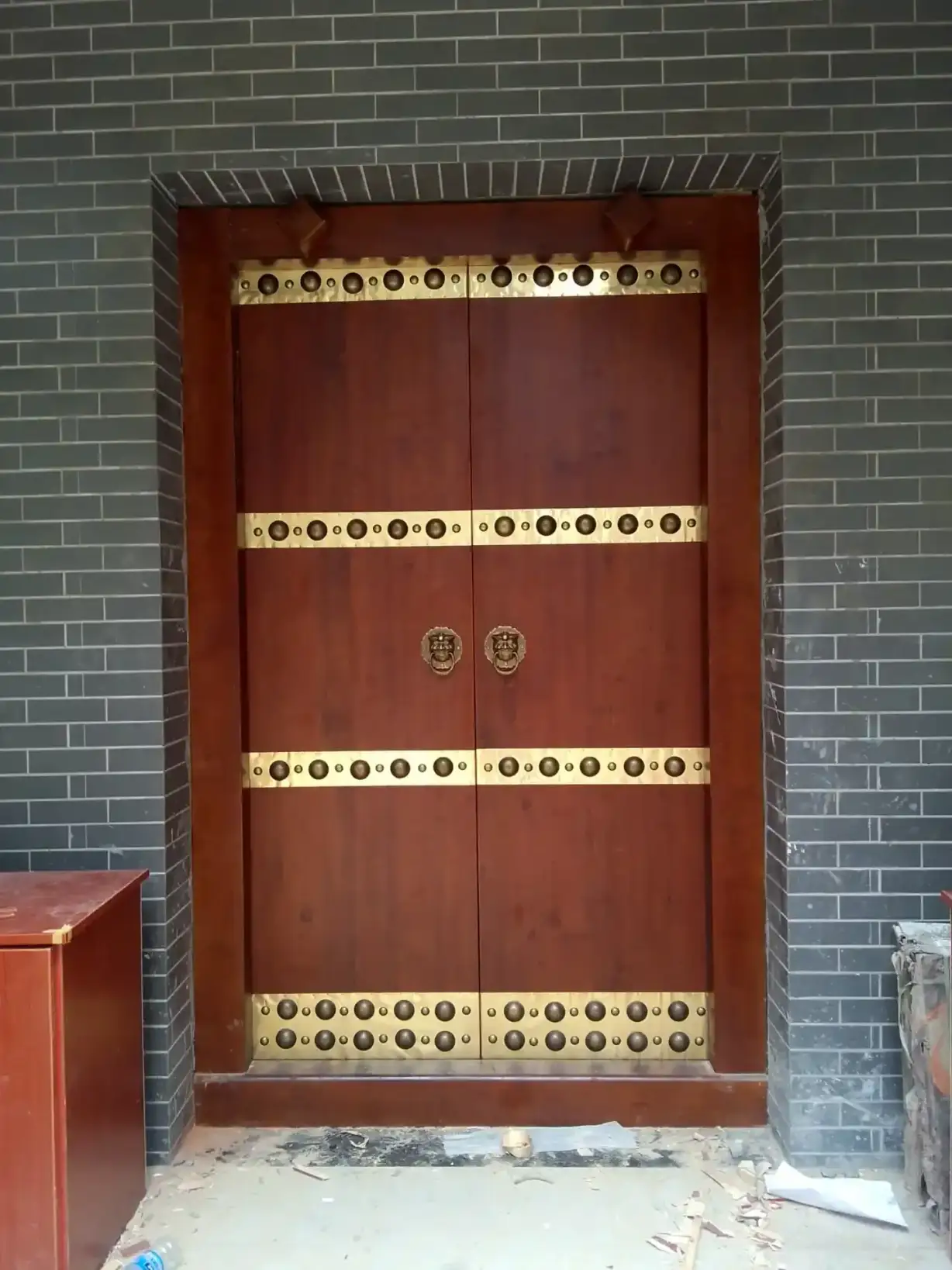
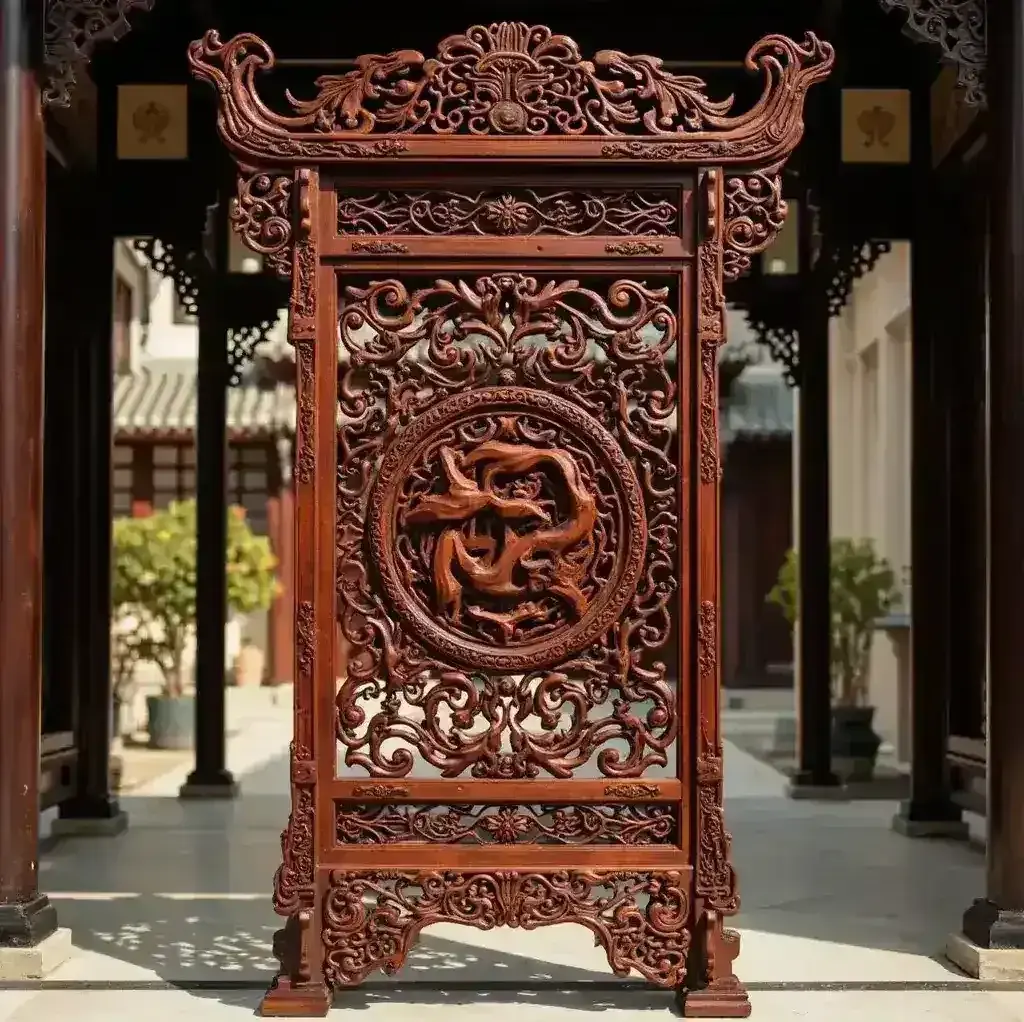
A copper nail gate is a traditional Chinese architectural entrance component defined by its distinctive copper nail decoration and authentic mortise-and-tenon joinery structure. These gates serve as both functional entries and cultural symbols for courtyards, temples, ancestral halls, heritage sites, and cultural parks worldwide. With over 48 years of specialized craftsmanship, our factory produces copper-nail gates that meet the exacting demands of heritage restoration projects across international markets.
Global heritage tourism growth has driven increasing demand for authentic traditional Chinese architectural components. According to UNESCO World Heritage Centre data, cultural heritage restoration projects have risen by 34 percent since 2019, and this trend directly fuels demand for handcrafted copper nail gates. Our factory, operating since 1978, has supplied these gates to over 50 countries for temple restoration, cultural park entrances, traditional courtyard projects, and museum exhibitions.
Each copper nail gate we produce embodies the principles of traditional Chinese architectural woodwork, combining structural integrity with decorative artistry. Here are the defining features that set our products apart:
Authentic Mortise-and-Tenon Structure: Every copper nail gate is assembled without nails or metal fasteners in the joinery. The mortise-and-tenon component technology, documented in the Yingzao Fashi (Building Standards) from the Song Dynasty, ensures decades of structural stability. Our master craftsman with 48 years of experience says the precision of the joinery determines whether a gate lasts 100 years or merely ten.
Hand-Cut Copper Nail Decoration: The signature copper nails are individually set by hand into pre-drilled holes along the gate panels and frames. Each nail serves both decorative and reinforcing purposes, following patterns derived from Forbidden City Palace Gate traditions. The copper content typically ranges from 90 to 95 percent purity for optimal corrosion resistance.
Premium Solid Wood Construction: We select kiln-dried fir, pine, or hardwood species such as meranti and teak depending on project requirements. The wood moisture content is controlled between 8 and 12 percent before assembly, preventing warping and cracking in diverse climates worldwide.
Anti-Corrosion Treatment: All gates undergo three-layer anti-corrosion treatment: kiln drying, traditional tung oil application, and exterior-grade protective coating. This process extends the service life to 25 to 40 years in outdoor conditions, as verified by our export history to tropical and temperate zones alike.
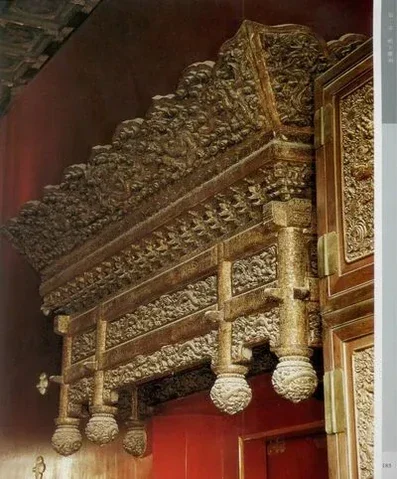
Architectural Wood Ornament Details: Beyond the gate panels themselves, we craft matching dougong brackets, carved door elements, and complementary architectural wood ornaments. Each component is proportioned according to traditional Chinese architectural ratios, ensuring visual harmony when installed alongside other heritage elements like antique windows or screen doors.
| Product Name | Copper Nail Gate (Forbidden City Style) |
| Material Options | Kiln-dried Fir / Pine / Meranti / Teak / Nanmu |
| Joinery Type | Traditional Mortise-and-Tenon, no metal fasteners in structure |
| Copper Nail Purity | 90-95% pure copper, hand-set |
| Standard Size Range | Width: 1.5m-4m | Height: 2.2m-3.5m (customizable) |
| Wood Moisture Content | 8-12% (kiln-dried) |
| Finish | Anti-corrosion treatment + traditional lacquer or exterior paint |
| Reference Price | $140-$170 per sqm (FOB), depends on material and design complexity |
| Lead Time | 20-35 working days for standard orders; 45-60 days for large custom projects |
| MOQ | 1 piece (single gate leaf); bulk pricing for 5+ units |
| Packaging | ISPM-15 fumigated wooden crates with waterproof wrapping |
| Warranty | 10 years structural, 3 years finish |
| Installation Support | Video instructions included; overseas installation guidance available |
Above specifications are standard references. All dimensions, materials, and finishes can be customized to match your project requirements. For heritage component restoration service, we provide detailed drawings before production begins.
The production of a copper nail gate follows techniques refined over nearly five centuries. According to records in the Tiangong Kaiwu (The Exploitation of the Works ), Ming Dynasty artisans already documented the principles of timber joinery that underpin modern copper nail gate construction. Our factory preserves these methods through hands-on apprenticeship.
The process begins with timber selection. We inspect each log for grain orientation, knot placement, and natural defects. Only straight-grained, heartwood-section pieces pass our quality threshold. The timber is then kiln-dried in controlled chambers for 15 to 20 days, bringing moisture content down to the 8-to-12 percent range critical for dimensional stability.
Cutting follows traditional layout methods. Senior craftsmen use measuring cords and marking knives rather than relying solely on mechanical templates. Each tenon is cut to a precise fit within its corresponding mortise, achieving a joint tolerance of less than 0.5 millimeters. This level of precision ensures that gates remain square and functional even after years of seasonal expansion and contraction.
The copper nail application is the most visible craft element. Artisans drill evenly spaced pilot holes along panel edges and frame joints using a hand-cranked drill. Pure copper nails, approximately 25 millimeters in length, are then hammered in with calibrated force to create uniform raised heads. The nail spacing pattern typically follows a 100-millimeter grid on standard gates, though heritage restoration projects may require historically accurate spacing based on archival photographs or surviving originals.
Our factory also produces matching dougong brackets, carved doors, screen doors, and antique windows as complementary components. When ordering a copper nail gate for a full heritage restoration project, we recommend sourcing these elements together to ensure consistent wood species, finish, and craft quality across all components.
Copper nail gates serve diverse application contexts across the global heritage and cultural sectors. Understanding where and how these gates are used helps buyers select the right specifications for their specific project.
Temple and Shrine Entrances: Temple gates represent the most traditional application. A copper nail gate at a temple entrance signals reverence and cultural continuity. The design can be scaled to match existing temple architecture, incorporating dougong brackets above the gate frame and carved door elements on the leaf panels. Heritage component restoration services frequently source these gates to replace deteriorated originals at historic temple sites.
Cultural Parks and Scenic Areas: Increasingly, cultural parks and scenic destinations install copper nail gates as entrance markers or interior dividing structures. These installations attract visitors and reinforce the thematic identity of heritage-themed spaces. A single copper nail gate of 2.5 meters width creates a striking visual presence, and our data shows that parks adding traditional wooden gate structures report a 15 to 20 percent increase in visitor engagement time.
Ancestral Halls and Courtyard Residences: For private courtyard homes and ancestral hall projects, copper nail gates provide both ceremonial function and aesthetic distinction. Custom sizes ranging from 1.5 meters for single-leaf residential use to 4 meters for grand double-leaf entrances accommodate varied architectural scales.
Museum Exhibitions and Cultural Tours: Museums worldwide commission copper nail gates as exhibition pieces demonstrating traditional Chinese woodworking mastery. Additionally, guided traditional architecture tours increasingly feature copper nail gate workshops where visitors observe the joinery and copper-nailing process firsthand.
Every heritage restoration project presents unique requirements, and our factory specializes in full-scope customization. From initial consultation through final delivery, we guide buyers through a structured four-phase process.
Phase one is consultation and drawing review. Buyers submit existing gate drawings, site photographs, or reference images from heritage documentation. Our design team analyzes the requirements and confirms material, dimension, and decorative specifications within 48 hours.
Phase two covers 3D visualization and sample approval. We produce detailed 3D renderings and, for large orders exceeding five units, a full-scale prototype section for client approval before mass production begins.
Phase three involves production with progress photography. Clients receive weekly photo updates showing joinery assembly, copper nail installation, and finishing stages. This transparency reduces disputes and builds trust over long manufacturing cycles.
Phase four encompasses packaging, shipping, and installation support. We use ISPM-15 compliant fumigated crates, include bilingual assembly manuals, and provide remote installation guidance via video call for overseas buyers.
For OEM and ODM partners, we accept white-label production with buyer-branded packaging and documentation. Minimum order quantities arrangements start at three units.
Our factory ships copper nail gates to destinations in over 50 countries across six continents. Standard shipping methods include sea freight via FCL or LCL consolidation, air freight for urgent small orders, and rail freight for continental destinations.
A standard 2-by-3-meter copper nail gate weighs approximately 120 to 180 kilograms depending on wood species. Each gate ships disassembled in flat-pack configuration, reducing volumetric shipping costs by 40 to 60 percent compared to pre-assembled delivery. The average shipping time from factory to major international ports ranges from 25 to 40 days by sea.
All shipments include ISPM-15 fumigation certificates required by customs America, Europe, Australia, and other regulated markets. We also provide phytosanitary documentation for wood material entering jurisdictions with strict forestry import controls.
Q: Are you a factory or a middleman?
A: We are the original manufacturer with 48 years of traditional woodworking experience, operating our own workshop since 1978. Factory-direct pricing means no middleman markup.
Q: Can this product be customized?
A: Yes. We offer full customization including size, material and style. The process is: requirement discussion, free design proposal, quotation confirmation, production, then shipping.
Q: What materials are used and how is it preserved?
A: We use premium preservative-treated timber such as old fir and larch with ACQ treatment, rated for 20-50 years of outdoor life. Moisture content is controlled to 8-12% for export.
Call/WhatsApp: +86 13883366528
Zhongyu Woodcraft – 48 Years Traditional Chinese Woodcraft Factory, Nationwide Installation
| Origin | Chongqing, China |
|---|---|
| Brand | Zhongyu Wood Art |
| Material | Solid wood (pine/fir/cedar), pressure-treated |
| Craftsmanship | Traditional mortise-and-tenon joinery |
| Surface Finish | Weather-resistant outdoor coating |
| Dimensions | Customizable based on site requirements |
| Installation | On-site installation available worldwide |
| Lead Time | 30 days after deposit and approved drawings (varies with size and complexity) |
| MOQ | 1 set |
| Packaging | Standard export packaging |
| Lifespan | 30-50 years with proper maintenance |
| Warranty | 5-year warranty on structural integrity, lifetime maintenance |
| Span | Customizable 2m-30m |
| Load Capacity | 500kg/m2 pedestrian load |
| Width | Customizable 1.2m-5m |
| Warranty Note | We respond to written warranty notices within 5 working days |
Call / WhatsApp same number · Reply within 24 hours
☎ Hotline: +86 13883366528 (WhatsApp same number) · 💬 WhatsApp
几代老师傅 · 在线咨询
We will contact you within 24 hours.