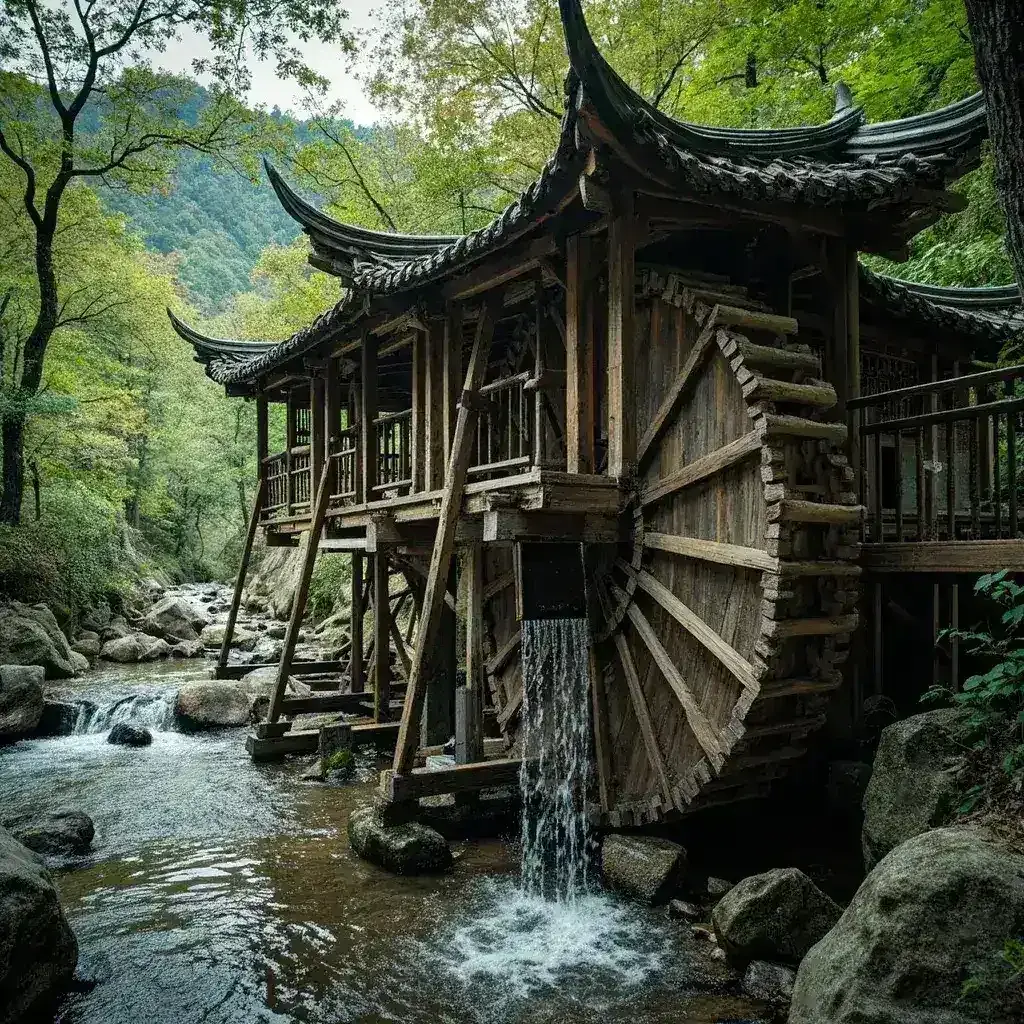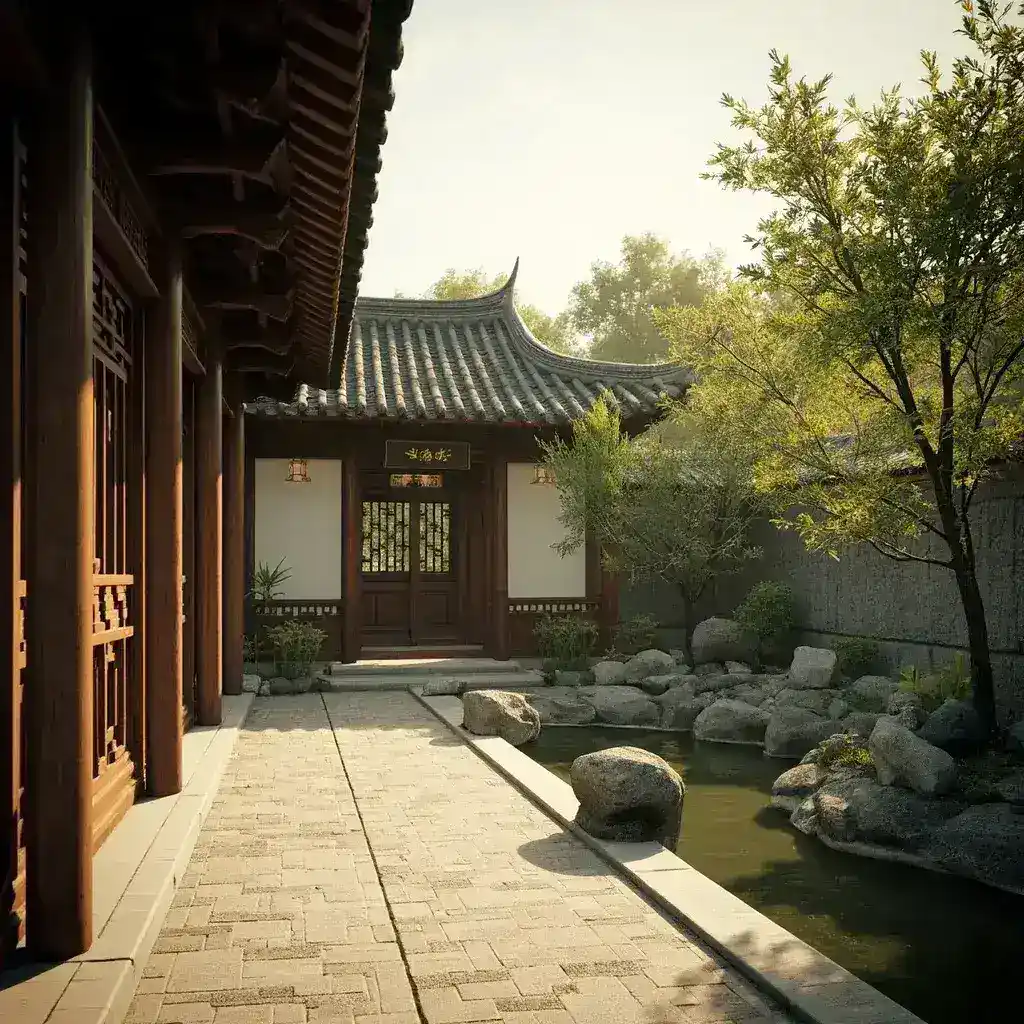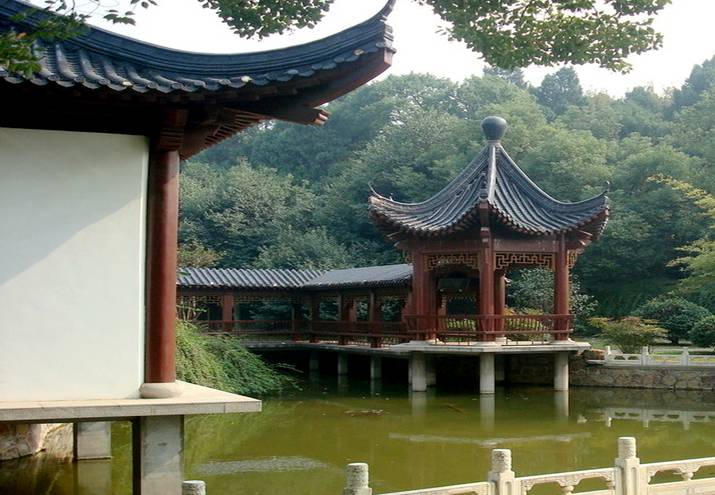
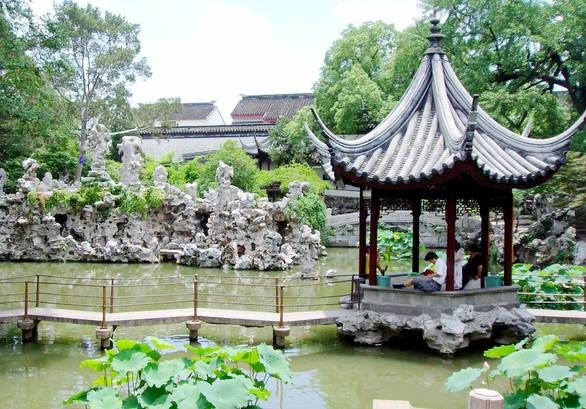
An ancient pavilion is a freestanding traditional Chinese wooden structure, typically octagonal or hexagonal in form, designed as a rest stop, viewing platform, or meditation space within gardens, parks, and cultural landscapes. The 10-square-meter wooden gazebo is one of our most popular specifications, offering an ideal balance of spatial comfort and structural elegance. Built using time-honored mortise-and-tenon joinery without a single nail, each pavilion represents over four decades of craftsmanship passed down through generations of skilled woodworkers.
A Ancient Sqm is a traditional Chinese timber structure assembled with mortise and tenon joinery, without metal nails, combining cultural heritage with modern durability.
At Zhongyu Woodart, our Ancient Sqm is crafted with traditional mortise and tenon joinery, ensuring durability and timeless beauty. Ancient Sqm projects across China have been delivered with 48 years of woodworking heritage.
Our Chinese pavilion supplier network draws on the principles documented in Yingzao Fashi, the 12th-century Song Dynasty building manual still referenced by heritage architects worldwide. According to our senior craftsman with 48 years of experience, the proportions of a traditional pavilion follow mathematical ratios derived from classical Chinese architecture, creating structures that feel naturally balanced to the human eye.
The ancient pavilion we manufacture carries several defining characteristics that distinguish it from mass-produced garden structures. First, the mortise-and-tenon framework allows the entire structure to flex subtly with temperature and humidity changes, preventing cracks that commonly affect nailed or screwed assemblies. This adaptive quality is why many of our pavilions installed over twenty years ago remain structurally sound today.
The roof system employs a layered purlin structure where each tier of rafters transfers load directly to the central pillar and perimeter columns. A double-eaved pavilion adds a secondary roof band that creates dramatic shadow lines and improves rainwater runoff by up to forty percent compared to single-roof designs. The eaves typically extend between thirty and sixty centimeters beyond the column line, a dimension rooted in classical Chinese building theory.
Traditional thatched pavilion styles use layered rice-straw or reed roofing over a wooden batten grid, producing an iconic silhouette recognized Asian cultural landscapes. For modern installations, we also offer ceramic tile and metal roofing options that maintain the visual profile while significantly extending maintenance intervals.
The painted finish on our gazebo structures uses either traditional mineral pigment layers applied by hand or modern polyurethane coatings rated for fifteen to twenty years of outdoor exposure. Color selection follows historical palettes documented and Qing dynasty records, with vermillion, indigo, and gold leaf being the most frequently specified combinations.
| Floor Area | 10 square meters (approximately 107 sq ft) |
| Typical Footprint | Hexagonal: 3.2m diameter | Square: 3.1m x 3.1m |
| Eave Height | 3.0 to 3.8 meters, adjustable per design |
| Roof Height (Peak) | 4.2 to 5.5 meters depending on style |
| Primary Material Options | Merbau, Pine, Finnish Birch, Carbonized Wood, Teak |
| Joinery System | Mortise-and-tenon, traditional nail-tenon hybrid available |
| Roof Types | Single-eave, double-eave, thatched, or flat-top pergola style |
| Waterproof Treatment | Marine-grade coating, ISPM-15 fumigation for export |
| Lead Time | 20 to 35 working days after design approval |
| Packaging | Numbered parts, waterproof wrapping, plywood crates |
| Warranty | 5 years structural, 2 years finish |
Above specifications can be adjusted to meet site conditions and client preferences. Custom dimensions for waterside pavilion and corridor applications are available upon request.
The tradition of constructing pavilions in Chinese landscape design stretches back over two millennia. As recorded in Tiangong Kaiwu, the seventeenth-century encyclopedia of artisanal techniques, traditional wooden structures were engineered to harmonize with natural terrain rather than impose upon it. An ancient pavilion placed beside a lake or within a forest clearing serves as a framed viewpoint, directing the observer’s attention toward specific natural features.
The Yingzao Fashi established standardized module proportions for all timber-frame buildings, including pavilions. One structural unit, called a dou, served as the basic measuring dimension for column height, beam span, and roof pitch. Modern factory production retains these proportional relationships while adapting dimensions to contemporary metric standards.
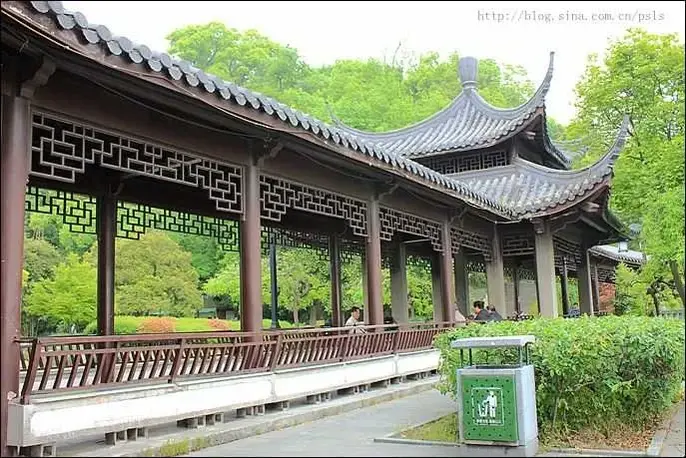
A covered walkway connecting pavilions along a garden path creates what classical Chinese designers called a hua lang a painted corridor that transforms a simple walk into a sequence of composed views. The pavilion and corridor series represents one of the most complete expressions of this design philosophy.
Our ancient pavilion designs serve a wide range of international project types. Park and heritage site managers select hexagonal and octagonal gazebos as central gathering points along walking routes. Resort and hospitality developers integrate waterside pavilion structures as premium dining or event venues with panoramic water views. Cultural tourism projects commission traditional thatched pavilion replicas for immersive historical environments.
Museum and exhibition curators use pavilion components as display frameworks for artifact collections, particularly in outdoor heritage parks and open-air architecture museums. Educational institutions incorporate pavilion construction into traditional craft workshops, where students learn joinery techniques that predate modern fasteners by centuries. A pergola-style open framework provides shade structure for courtyard restaurants and tea houses seeking authentic Asian aesthetic character.
The memorial arch and single-eave pavilion configurations are frequently specified for temple complexes and ancestral hall compounds, where architectural form carries ritual and symbolic significance beyond mere shelter function.
Every pavilion project begins with a site assessment and design consultation. Our team reviews your floor plan, elevation requirements, soil conditions, and local wind-load specifications before producing shop drawings. Clients who provide reference photographs or historical drawings benefit from our matching service, which can replicate existing pavilion designs found in heritage documentation or family collections.
The customization pathway covers roof profile selection, column spacing adjustment, railing and screen panel patterns, door and window placement, and interior ceiling treatment. A typical double-eaved pavilion order includes three design revision rounds at no additional cost. Material upgrades from standard pine to merbau or teak are available at transparent price differentials provided during the quotation stage.
All structures ship knockdown in numbered, crate-packed bundles designed for standard twenty-foot and forty-foot containers. Each component carries a laser-engraved identification code matching the assembly diagram included in the packaging. Based on our export data covering more than fifty countries, a 10-square-meter gazebo typically fits within one container alongside six to eight additional units depending on roof configuration.
Assembly requires a crew of three to four persons and proceeds over five to seven working days for a standard hexagonal pavilion. Foundation preparation involves either a concrete ring beam or a gravel-permeable base with anchor bolts set to the column spacing pattern. Installation guides and illustrated pictorial format accompany every shipment.
Q: What is the typical cost for a 10 sqm traditional Chinese ancient pavilion?
A: Pricing ranges from approximately $2,000 to $5,000 USD per unit depending on material selection, roof complexity, and finish specification. A basic pine single-eave pavilion starts near the lower end, while a merbau double-eaved pavilion with carved screen panels reaches the upper range. We provide itemized quotations after receiving your site dimensions and design preferences.
Q: How long does production and shipping take?
A: Standard production lead time is twenty to thirty-five working days from drawing approval. Sea freight to North America typically adds twenty-eight to thirty-five days, to Europe twenty-five to thirty-two days, and to Southeast Asian ports ten to eighteen days. Expedited air freight is available for urgent project timelines at additional cost.
Q: Can you replicate a specific historical pavilion design?
A: Yes. Our workshop has replicated pavilion designs from Ming dynasty garden records, Qing dynasty temple architecture, and regional folk styles across southern and northern China. Please share photographs, measured drawings, or heritage site references and our team will produce reproduction shop drawings for your review.
Q: What maintenance does a wooden gazebo require outdoors?
A: Annual inspection of joint tightness and sealant condition is recommended. Reapplication of exterior wood oil or varnish every three to five years extends finish life significantly. Merbau and teak varieties require less frequent maintenance than pine due to natural durability ratings. We supply maintenance kits and video guidance with every order.
Q: Do you provide on-site installation support overseas?
A: We offer remote video-assisted installation guidance as standard. For larger projects or first-time clients, a senior craftsman can travel to the site for supervision at additional cost. Most clients complete assembly successfully using our illustrated manuals and WhatsApp video support during key structural phases.
Call/WhatsApp: +86 13883366528
Zhongyu Woodcraft – 48 Years Traditional Chinese Woodcraft Factory, Nationwide Installation
| Origin | Chongqing, China |
|---|---|
| Brand | Zhongyu Wood Art |
| Material | Solid wood (pine/fir/cedar/teak available) |
| Craftsmanship | Traditional mortise-and-tenon joinery |
| Surface Finish | Weather-resistant outdoor coating |
| Dimensions | Customizable based on site requirements |
| Installation | On-site installation available worldwide |
| Lead Time | 30 days after deposit and approved drawings (varies with size and complexity) |
| MOQ | 1 set |
| Packaging | Standard export packaging |
| Lifespan | 30-50 years with proper maintenance |
| Warranty | 5-year warranty on structural integrity, lifetime maintenance |
| Warranty Note | We respond to written warranty notices within 5 working days |
Call / WhatsApp same number · Reply within 24 hours
☎ Hotline: +86 13883366528 (WhatsApp same number) · 💬 WhatsApp
几代老师傅 · 在线咨询
We will contact you within 24 hours.