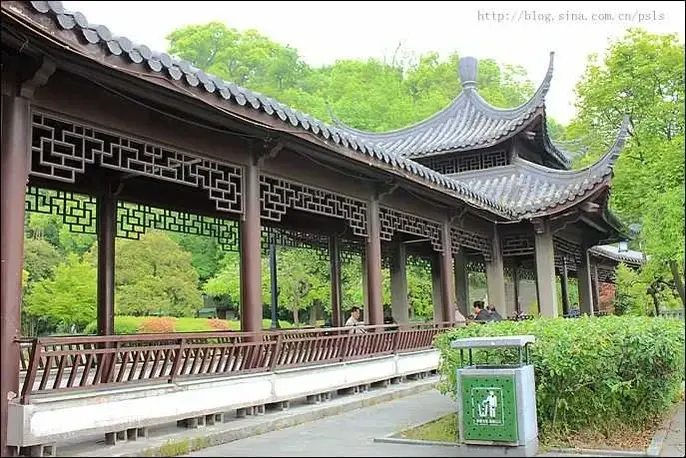
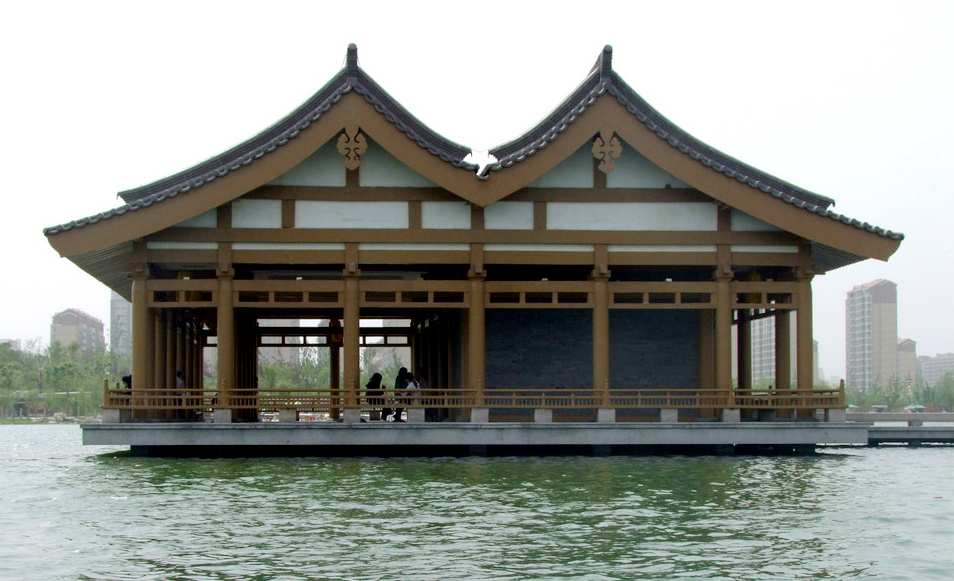
A traditional Chinese wooden pavilion transforms any outdoor space into a cultural landmark. For city planners, landscape designers, and cultural tourism developers, finding a manufacturer who combines authentic craftsmanship with modern durability is essential. Our custom pavilions are handcrafted using time-tested mortise-and-tenon joinery, a technique refined over 1,700 years of Chinese architectural tradition. Each structure serves as a focal point in parks, cultural heritage sites, and resort landscapesoffering both aesthetic grandeur and structural longevity. Too many projects suffer from poorly engineered wooden structures that warp, crack, or look inauthentic within years. Our approach addresses these common failures through rigorous material selection, precision joinery, and professional structural designensuring your pavilion stands as a lasting landmark rather than a temporary installation.
A traditional Chinese wooden pavilion, known as ting in Chinese architecture, is a standalone open-sided structure traditionally used for rest, observation, and ceremonial purposes. Unlike Western gazebos that rely on metal brackets and screws, authentic Chinese pavilions are constructed entirely through mortise-and-tenon joinerywooden joints that interlock without a single nail. This technique, documented in the ancient Yingzao Fashi engineering treatise from the Song Dynasty, creates structures that flex with temperature changes and settle naturally over time, actually becoming more stable with age.
The pavilion form has evolved across dynasties, from simple hexagonal garden shelters of the Tang period to elaborate multi-eaved structures of the Qing era. Modern interpretations maintain classical proportionsraised eaves, curved roof lines, balanced column spacingwhile adapting to contemporary site requirements and building codes. For city landmark projects, the pavilion serves as both a functional resting space and a powerful cultural symbol, instantly communicating heritage and craftsmanship to visitors and residents.
Teak from sustainably managed Southeast Asian plantations offers natural oils that resist moisture and insects without chemical treatment. With a density of 0.65-0.75 g/cm³ and an expected outdoor lifespan of 40-50 years, teak is our top recommendation for coastal and tropical installations. The golden-brown hue deepens with age, developing a distinguished silver-gray patina if left untreated.
Pressure-treated Pine from Russian and Scandinavian sources provides an economical yet durable option. Vacuum-pressure impregnation with ACQ preservatives penetrates 95% of the timber cross-section, achieving Category IV resistance against decay and insects. This makes it ideal for temperate climates where cost efficiency matters without sacrificing longevity.
Indian Rosewood (Meranti) delivers exceptional hardness at 0.70-0.85 g/cm³ density. Its natural resistance to fungal attack and insect infestation makes it popular for high-traffic public installations where maintenance access is limited. The rich reddish-brown color provides an immediate sense of gravitas and permanence.
Our joinery process follows classical Chinese woodworking standards. Each mortise and tenon is cut to tolerances within 0.5mm, ensuring tight fits that tighten as wood acclimates to its environment. Corner brackets, beam ties, and decorative dougong brackets are hand-carved from the same timber species, creating monolithic structures that move as one unit under stress.
| Specification | Standard Range | Custom Options |
|---|---|---|
| Footprint | 3m x 3m to 8m x 8m | Octagonal, circular, freeform |
| Ridge Height | 3.5m to 6m | Custom per design |
| Column Spacing | 1.5m to 2.5m | Engineered per span |
| Timber Species | Teak, Pine, Meranti | Oak, Fir, Cedar available |
| Moisture Content | 10-12% | Kiln-dried to spec |
| Wind Load Rating | Up to 120 km/h | Engineered per site |
| Snow Load Rating | Up to 200 kg/m² | Custom structural design |
| Shipping Weight | 800-1,200 kg (5m x 5m) | Varies by size/species |
| Lead Time | 20-25 business days | 30-40 days for custom |
| Assembly Time | 2-3 days (4-6 people) | Video support included |
Every project has unique requirements, and our customization process accommodates them without compromising structural integrity or lead times.
Size and Scale: Standard pavilion footprints range from 3m x 3m to 8m x 8m, with roof heights from 3.5m to 6m at the ridge. Custom dimensions are available for sites with specific spatial constraints or visual prominence requirements. We can design pavilions with irregular footprintsoctagonal, circular, or freeformto match landscape contours and sight lines.
Roof Style: Choose from single-eave hip roof (Xieshan), double-eave hip roof (Chongdian), or spire roof with a central finial. Each style carries distinct visual weight and cultural associations. The Xieshan roof is most versatile for garden and park settings, while the Chongdian style commands attention for ceremonial and landmark applications.
Decorative Elements: Optional carved elements include bracket sets (dougong), beam-end ornaments, railing panels, and column bases. These can feature traditional motifs like cloud patterns, floral designs, or geometric lattice work. All carvings are CNC-precise with hand-finishing for authenticity.
Finish and Color: We offer natural oil finishes that highlight grain, water-based stains in traditional Chinese color palettes (vermilion red, indigo blue, forest green), or clear protective coatings for a contemporary look. All finishes are VOC-compliant and safe for public spaces.
City Landmark and Public Parks: A well-proportioned pavilion becomes an instant landmark, drawing visitors and providing shaded gathering space. Recent installations include a 6m octagonal pavilion in a metropolitan cultural park, serving as both a photo destination and community event venue. The structure’s open design maintains sight lines across the landscape while anchoring the space visually.
Cultural Heritage Sites: For restoration and interpretation projects, our pavilions replicate classical forms using historically accurate proportions and joinery. Museum and heritage site curators value the authentic craftsmanship that complements existing structures without appearing as modern imitation.
Resort and Boutique Hotel Landscapes: High-end hospitality projects use pavilions as tea houses, meditation spaces, or ceremonial gathering areas. The natural wood aesthetic aligns with biophilic design trends, while the craftsmanship story provides guests with a memorable cultural experience.
Museum and Educational Exhibitions: Educational pavilion kits include annotated components and assembly guides, making them ideal for cultural centers and school programs focused on traditional craftsmanship.
Wedding and Event Venues: The romantic silhouette of a traditional pavilion against natural settings makes it a popular choice for destination weddings and cultural events. The open structure accommodates both seated ceremonies and standing receptions.
We ship worldwide via FCL and LCL container services from our factory. Standard pavilion kits are designed for straightforward assembly with pre-drilled holes, numbered parts, and comprehensive English-language instructions.
A typical 5m x 5m pavilion kit contains approximately 120-150 individual components, all packed in protective wrapping and carton boxes. The total shipping weight ranges from 800kg to 1,200kg depending on wood species and size. We recommend a crew of 4-6 people with basic carpentry tools for assembly, which typically takes 2-3 days for a standard design.
For projects requiring on-site support, we offer video-guided assembly and can arrange professional installation teams for regional projects. All kits include a complete hardware pack with stainless steel hidden connectors for critical structural points, providing additional security without visible metalwork.
Q: How much does a traditional Chinese wooden pavilion cost?
A: Prices range from USD 3,500 for a basic 3m x 3m pine pavilion to USD 18,000 for a custom 8m x 8m teak structure with decorative carvings. Final cost depends on size, wood species, roof complexity, and optional elements. We provide detailed quotations within 24 hours.
Q: What is the lead time from order to delivery?
A: Standard designs ship within 20-25 business days. Custom-sized or intricately carved pavilions require 30-40 business days. Rush production is available for urgent projects. We coordinate container loading and shipping documentation to minimize delays.
Q: Can the pavilion withstand harsh weather conditions?
A: Yes. Our pavilions are engineered for wind speeds up to 120 km/h and snow loads up to 200 kg/m². Timber is kiln-dried to 12% moisture and treated against rot and insects. With proper maintenancereapplying protective oil every 2-3 yearspavilions maintain structural integrity for 30+ years.
Q: Do you provide installation guidance?
A: Every order includes detailed English assembly instructions with labeled diagrams. We also provide video support via WhatsApp and email. For larger projects, we can arrange professional installation teams in your region. Our team is available for consultation throughout assembly.
Q: What wood species do you recommend for tropical climates?
A: For tropical and coastal environments, we recommend teak or meranti. Both have natural resistance to moisture, insects, and fungal decay. Teak is particularly valued for dimensional stabilityit resists warping even under intense sun and heavy rainfall. Pressure-treated pine requires more frequent maintenance in humid conditions.
Since 1978, our family-run factory has specialized in traditional Chinese wooden architecture, combining four decades of craftsmanship with modern manufacturing precision. We serve clients across 50+ countries, from boutique resort developers in Southeast Asia to cultural institution curators in Europe and North America.
Our competitive advantages are grounded in tangible capabilities. Every pavilion is built using authentic mortise-and-tenon joineryno shortcuts with metal brackets or screws. Each timber component is kiln-dried and treated to industry-standard preservation levels. Our design team references classical architectural treatises to ensure proportions that are both historically accurate and visually compelling.
We handle the entire process from consultation to delivery. You submit your requirementswe produce detailed drawings, manufacture the components, pack for container shipping, and provide assembly support. This one-stop approach eliminates the coordination headaches that often plague international procurement. With 20+ years of export experience, we understand the logistics challenges of shipping heavy timber structures across continents.
Ready to bring a traditional Chinese wooden pavilion to your project? Contact us today for a free, detailed quotation including specifications, material options, and shipping estimates. Our team responds within 24 hours via email and WhatsApp.
Fill out the inquiry form below to receive your customized proposal. Your information is secure and will never be shared with third parties. Chat on WhatsApp for instant quote.
“,”faq”:[:”How much does a traditional Chinese wooden pavilion cost?”,”answer”:”Prices range from USD 3,50
Call/WhatsApp: +86 13883366528
Zhongyu Woodcraft – 48 Years Traditional Chinese Woodcraft Factory, Nationwide Installation
| Material | Solid timber (Chinese pine, eucalyptus, or premium wood options) |
|---|---|
| Treatment | ACQ pressure-treated, 50+ year outdoor lifespan |
| MOQ | 1 unit (sample order welcome) |
| Lead Time | 10-20 working days (sample); 20-40 days (bulk) |
| Shipping | FOB Chongqing. Worldwide shipping available |
Call / WhatsApp same number · Reply within 24 hours
☎ Hotline: +86 13883366528 (WhatsApp same number) · 💬 WhatsApp
几代老师傅 · 在线咨询