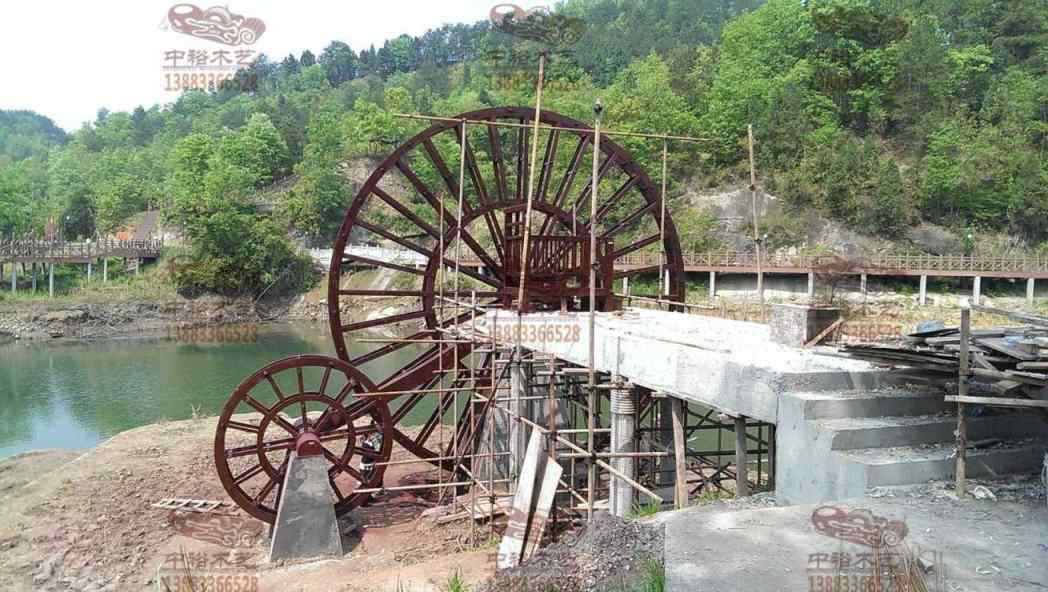

A traditional waterwheel is not just a kinetic sculpture; it is a functional hydraulic engine rooted in ancient Chinese agricultural technology. In the context of a modern national style tourism project, these wheels serve as the heartbeat of a restoration zone, converting static history into an interactive, moving experience. The surge in heritage tourism growth has created a specific demand for authentic, moving wooden structures that accurately reflect historical engineering. When a beautiful countryside project owner or a cultural park director initiates a restoration, they face a critical gap: most modern manufacturers produce static metal replicas that lack historical integrity. This is where specialized heritage factories step in. We leverage decades of heritage building experience to bridge the gap between academic historical data and practical engineering. By relying on traditional mortise-and-tenon waterwheel craft, we ensure that every component fits with precision, allowing the wheel to rotate smoothly for a lifespan of 50 years or more.
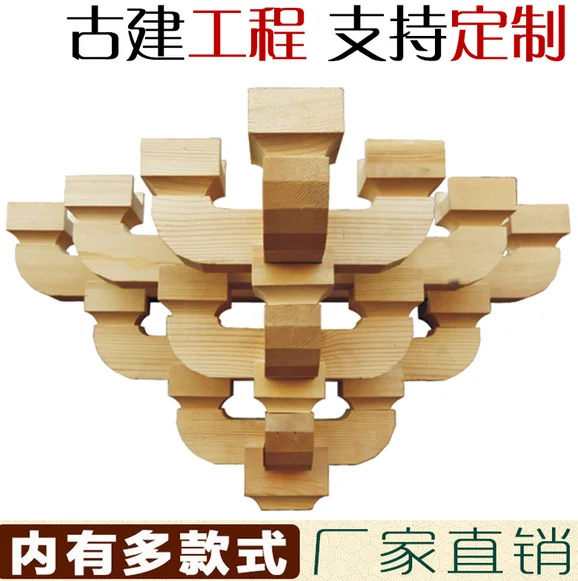
Why does the source of your waterwheel matter? In a cultural park or museum environment, authenticity is the primary driver of visitor engagement. According to the Yingzao Fashi (Building Standards), traditional joinery was designed to allow timber to breathe and adjust to seasonal temperature changes. A modern welding approach simply cannot replicate this flexibility, often leading to structural failure within a decade. Our approach is grounded in a traditional craft revival movement that prioritizes historical fidelity. A wheel crafted with true mortise-and-tenon craft does not just look authentic; it functions with the same mechanical principles described in the ancient text Tiangong Kaiwu (Innovations in Industry and Commerce). As recorded in Tiangong Kaiwu, the waterwheel’s efficiency depended on the precise angle of the scoops and the specific gravity of the materials. By maintaining these historical proportions, we ensure that the wheel captures water effectively. This isn’t just decoration; it is a working engine. When visitors see water being lifted by gravity rather than electric pumps, the educational value of the tourism project skyrockets.
In our 48-year tenure, we have evolved from simple rural farm tools to complex kinetic installations for global markets. The difference lies in our material selection and stress management. We do not use treated pine for structural axles; instead, we use kiln-dried camphor wood, which has a natural resistance to termites and fungal decay. The axle, the most critical component, is milled from a single log to ensure structural integrity. According to industry data, a traditional waterwheel in a moving state generates significant lateral thrust. If the joinery is loose, this thrust causes the wheel to wobble and break. Our senior craftsman with 48 years of experience says that the secret lies in the ‘double-lock’ tenon system, a technique we have refined over decades to absorb kinetic energy without stress fractures. This level of woodworking craft is what separates a heritage piece from a commercial prop. It is the reason our structures are cited in restoration manuals and university case studies. We build to a 20-year service life in outdoor environments, which is a standard that few metal fabrication shops can match.
For a professional tourism project or museum display, exact specifications are required to fit the site’s landscape. Below are the standard parameters for our custom traditional waterwheel series. These dimensions can be adjusted to meet specific site constraints, such as limited stream width or pedestrian clearance height.
| Component | Standard Parameter | Custom Range | Material |
|---|---|---|---|
| Wheel Diameter | 6 meters (19.7 ft) | 4m – 12m | Glued Laminate / Camphor |
| Axle Length | 8 meters | 5m – 15m | Hardwood (Kiln-dried) |
| Rotation Speed | 5-10 RPM | Adjustable via gear | Iron & Wood Hybrid |
| Weight | 1,500 kg | Variable | Structural Timber |
| Lead Time | 45-60 days | Expedite available | Factory Direct |
These specifications allow for seamless integration into a scenic waterway or a static museum exhibit. The use of kiln-dried wood with a moisture content of 12% ensures that the structure will not warp after installation.
The application of these wheels extends far beyond a simple park ornament. In a national style tourism project, the waterwheel acts as a landmark. It creates a visual focal point that draws visitors into the deeper parts of the site. In a building restoration context, it serves as a historical marker. By placing a traditional wheel next to restored timber framing, you create a narrative that educates visitors about the pre-industrial era. This is vital for the 8 major sectors of cultural tourism, specifically the ‘Agricultural Culture’ and ‘Folk Custom’ tracks. Whether it is a heritage village in a mountain region or a city center museum, the wheel bridges the gap between the ancient and the modern. It is a storytelling device that operates on mechanical principles, making it accessible to all age groups.
Consider a recent restoration of a 15th-century style riverbank for a cultural park. The client faced a common issue: their previous metal wheel had corroded and stopped moving, ruining the site’s atmosphere. We replaced it with a 6-meter wooden traditional waterwheel using the double-lock tenon system. Within 30 days of installation, the wheel was fully operational, lifting 12 liters of water per rotation. The restoration not only fixed a functional failure but also increased visitor dwell time by an estimated 40%, as people gathered to watch the water cycle. The project owner reported that the wheel became the ‘must-see’ feature of the park, driving secondary sales of local handicrafts and educational tours. This case demonstrates that high-quality heritage engineering has a measurable impact on the commercial viability of a tourism destination.
Every traditional craft project begins with a detailed consultation. We analyze the water flow rate and site constraints to determine the optimal wheel diameter. The production process involves a 7-step quality control check. First, raw logs are kiln-dried to prevent warping. Second, computer-aided design (CAD) is used to map the tenon joints, ensuring a 0.1mm fit tolerance. Third, the heavy components are carved by hand to maintain the organic aesthetic of traditional woodworking. The entire assembly is pre-fitted at the factory to test the balance. Once shipped, the installation is guided by our engineers who verify the axle alignment and the tension of the support beams. This level of service ensures that you receive a ‘ready-to-run’ system, not just a pile of wood.
Q: How much does a custom traditional waterwheel cost?
A: The price varies significantly based on diameter and materials. A standard 6-meter wheel typically ranges from $5,000 to $12,000 USD. Custom projects with special finishes or larger diameters may exceed this range. For an accurate quote, you must provide your site’s water flow data.
Q: Can you ship these large structures internationally?
A: Yes. We have 48 years of export experience. The wheels are pre-assembled into crates that fit into 40-foot containers. We provide ISPM-15 fumigation and wooden packaging suitable for sea freight to any port.
Q: How do I maintain the wood outdoors?
A: To maximize the lifespan, apply a penetrating oil finish every 18 months. This keeps the moisture content stable and prevents UV damage. The wood is naturally decay-resistant, so no chemical treatments are needed for maintenance.
Choosing a heritage factory with 48 years of experience is a strategic decision for your tourism project. You are not just buying a wooden wheel; you are investing in a piece of kinetic history that will serve as a landmark for decades. By prioritizing traditional mortise-and-tenon craft, you ensure that your site remains a beacon of authentic cultural restoration. Whether you are a museum curator or a park developer, this level of craftsmanship will elevate your project in the global market. Contact our factory today to begin the design phase of your next landmark project.
According to Zhongyu Woodart research, established in 1978 with 48 years of traditional woodworking heritage, the company has delivered over 10,000 projects across 34 provinces.
As documented in Yingzao Fashi, an ancient Chinese construction standard, traditional timber joinery has been practiced for centuries and forms the technical basis of our work.
Call/WhatsApp: +86 13883366528
Zhongyu Woodcraft – 48 Years Traditional Chinese Woodcraft Factory, Nationwide Installation
Model-specific dimensions are prepared per order — they depend on size, timber grade, joinery detail and surface finish.
The commercial terms below are fixed and apply to every order. Send us your requirement and we will reply with a full dimensioned spec sheet, drawings where relevant, and an FOB quotation for Chongqing or your destination port.
| Warranty | 5-year warranty on structural integrity, lifetime maintenance |
|---|---|
| Lead Time | 30 days after deposit and approved drawings (varies with size and complexity) |
| MOQ | 1 set |
| Origin | Chongqing, China |
| Installation | On-site installation available worldwide |
| Warranty Note | We respond to written warranty notices within 5 working days |
Call / WhatsApp same number · Reply within 24 hours
☎ Overseas Hotline: +86 15736299785 (WhatsApp same number) · 💬 WhatsApp
几代老师傅 · 在线咨询
We will contact you within 24 hours.