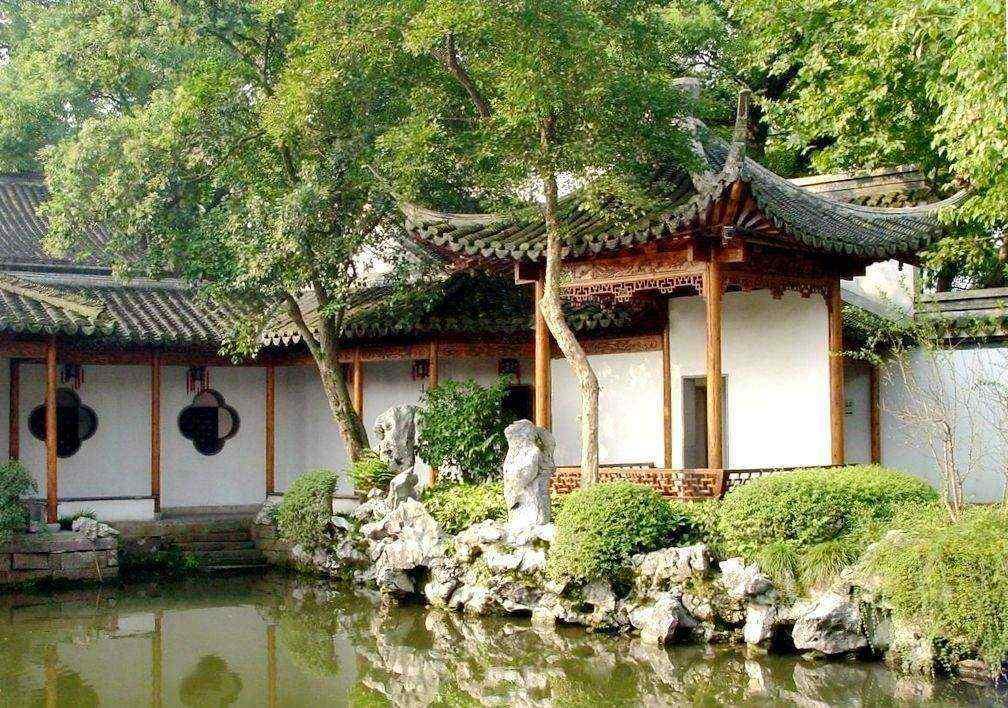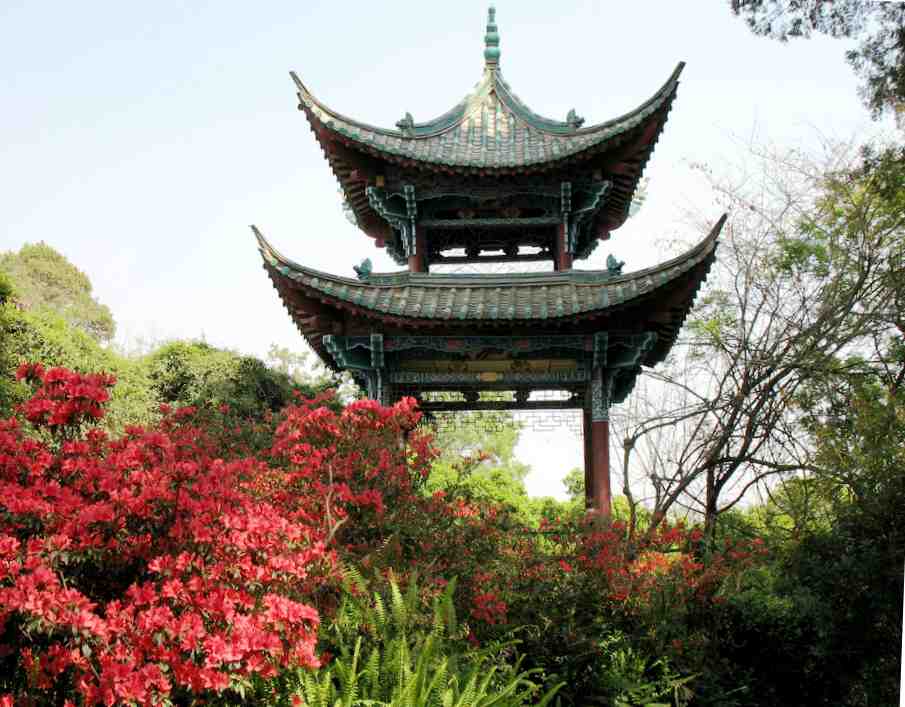
In heritage tourism and modern landscape design, interest in sustainable timber architecture has grown sharply. One of the most sought-after elements of classical garden design is the traditional Chinese pavilion. Unlike a gazebo or a pergola, a Chinese pavilion is defined by its open structure, precise joinery, and role as a social and scenic focal point. Whether you are planning a waterside pavilion for a resort, a memorial arch for a cultural park, or a covered walkway through a forest trail, understanding the ancient pavilion style will help you make better purchasing decisions.
A What Ancient is a traditional Chinese timber structure assembled with mortise and tenon joinery, without metal nails, combining cultural heritage with modern durability.
A What Ancient Guide is a traditional Chinese timber structure assembled with mortise and tenon joinery, without metal nails, combining cultural heritage with modern durability.
At Zhongyu Woodart, our What Ancient Guide is crafted with traditional mortise and tenon joinery, ensuring durability and timeless beauty. What Ancient Guide projects across China have been delivered with 48 years of woodworking heritage.
This guide explores the historical roots, building techniques, modern applications, and customization options for these structures. You will learn what makes a thatched pavilion or a double-eaved hexagonal design so distinctive, and how a 48-year craft heritage translates into real-world project quality.
Historical Origins of the Chinese Pavilion
The Chinese pavilion, or *ting*, has a history spanning over 2,000 years. During the Han Dynasty, these structures were simple shelters for rest. By the Tang and Song dynasties, they became sophisticated architectural forms integral to garden design. The famous Song-dynasty text *Yingzao Fashi* (Building Standards), compiled by Li Jie, provides detailed rules for their construction, including roof proportions and column spacing. As recorded in the *Tiangong Kaiwu*, a Ming-dynasty encyclopedia of production and craftsmanship, the choice of timber and the moisture content during drying directly influenced the structural longevity of these timber frames.
A key cultural shift occurred in the Ming and Qing dynasties, where pavilions moved from private residences into public landscapes. The *Tianyuan* (Garden Crafts) theory popularized the pavilion as a frame for viewing nature rather than just a place to hide from the sun. This philosophical shift toward harmony with the environment is why modern planners still use the classic Chinese pavilion in parks and heritage sites.
Craftsmanship & Joinery Techniques
The soul of a high-quality Chinese pavilion is its mortise-and-tenon joinery system. Unlike Western structures that rely on nails or metal brackets, traditional heritage construction uses interlocking wooden joints. These joints allow the timber to expand and contract with seasonal humidity without splitting. In our factory, we use traditional pine, Merbau, and Teak, each with distinct properties. Merbau is highly valued for its natural oils that resist rot, making it ideal for a waterside pavilion near a lake. For a thatched pavilion, the framework is often made of lighter pine, while the roof materialnatural palm thatch or high-density synthetic alternativemust be anchored securely to a wooden purlin system.
According to our master craftsman, with over 48 years of experience, the secret to a pavilion that lasts 50 years or more is not just the wood, but the 12 to 15 percent moisture content level achieved through kiln drying. If the timber is installed with higher moisture, the structure will warp as it dries out. We strictly control this process to ensure the integrity of the *dougong* (bracket sets) and the main columns.
Modern Applications & Global Demand
Today, the pavilion and corridor series are not just historical replicas; they are functional landscape features. In the Middle East and Southeast Asia, a memorial arch serves as an iconic gateway to cultural parks and golf resorts. In Europe, where wooden architecture is popular, a *pergola* or *covered walkway* inspired by the East Asian aesthetic is used in corporate campuses and botanical gardens. The demand for authentic *anti-corrosion wood* structures has increased as developers look for sustainable timber architecture that requires less maintenance than painted softwood.
Whether it is a 3-meter wide hexagonal gazebo for a backyard or a 15-meter long *corridor* for a scenic trail, the engineering principles remain the same. The shift toward eco-tourism means buyers now look for a pavilion custom factory that can integrate these structures into existing landscapes without heavy concrete foundations, often using steel ground screws to anchor the base.
Design & Customization Options
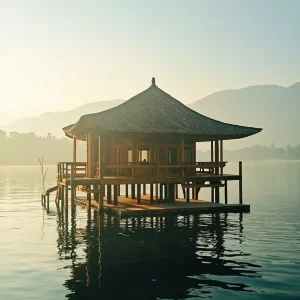
Choosing the right structure depends on your site’s topography and purpose. A double-eaved design provides maximum shade and a regal appearance, perfect for a main park entrance. A single-eave hexagonal design is more compact and ideal for a viewing deck. If you are looking to buy a Chinese pavilion for a resort pool area, a *thatched pavilion* offers a relaxed, tropical aesthetic, while a *waterside pavilion* with a raised wooden deck provides better footing protection.
Our factory supports full customization. You can choose between traditional nail-and-bolt assembly for faster, lower-cost installation, or full mortise-and-tenon for a premium, authentic build that can be shipped flat-packed to any destination. The roof shape, the span between columns, and the finish (stain, varnish, or clear oil) are all adjustable to match your project’s brand identity.
Case Study: A Waterside Park Project
Consider a recent project for a national park in a dense forest region. The client needed a 12-meter covered walkway connected to a central 4-meter diameter hexagonal *gazebo*. The challenge was the high humidity and the presence of local insects that damage timber. We specified high-density Teak for the floor and Merbau for the frame, with a traditional thatched roof made from local grass. The installation was completed in 35 days from delivery. According to a follow-up survey by the park administration, visitor dwell time in the pavilion area increased by 40 percent, demonstrating the success of blending heritage design with modern usability. This project highlights why sourcing from a specialized pavilion company matters; the material selection was the key to its success.
FAQ: Common Questions About Chinese Pavilion Construction
Q: What is the difference between a Chinese pavilion and a Western gazebo?
A: A Chinese pavilion typically features a curved, upturned roofline and traditional interlocking joinery without nails, whereas a Western gazebo often has a simple polygonal roof and relies on metal fasteners. The aesthetic and engineering philosophy are distinct.
Q: How much does it cost to buy a custom Chinese pavilion?
A: Prices vary by material and size. A small thatched pavilion might cost $3,000 to $5,000 USD, while a large waterside structure made can exceed $15,000 USD. The cost of shipping and local installation will depend on your location and the volume of the shipment.
Q: What is the best wood for outdoor longevity?
A: Merbau and Teak are generally the best choices for outdoor humidity resistance due to their high natural oil content. Pine is an economical option but requires more frequent maintenance and painting or sealing.
Conclusion & Final Thoughts
Understanding the mechanics behind a traditional Chinese pavilion transforms it from a simple decorative object into a powerful design tool. By applying sustainable timber architecture principles and respecting the historical wisdom found in the *Yingzao Fashi*, you can create a lasting landmark for your property. Whether you are a landscape architect, a resort developer, or a heritage site manager, partnering with a pavilion factory direct ensures that your vision is executed with precision and respect for the craft.
Explore our range of classical and modern timber structures to see how traditional heritage construction can elevate your next landscape project. We look forward to building authentic connections through wood and culture.
Material Integrity: Why Tropical Hardwood Outperforms Standard Softwoods
When constructing large-scale pavilions or water wheels, material selection is the single most critical factor for longevity. Many clients opt for local softwoods like pine or spruce, which appear cost-effective initially but degrade rapidly under UV exposure and humidity. Our workshop exclusively utilizes certified Balogood (Merbau) and Rainbow Eucalyptus, both sourced from sustainable FSC-certified forests Asia and Australia. These species possess a natural Janka hardness rating exceeding 1,200 lbf, making them inherently resistant to termites, blue-stain, and fungal attack without the need for aggressive chemical preservatives that can leach into surrounding soil or water bodies. The wood is kiln-dried to an equilibrium moisture content of 8-12%, ensuring dimensional stability that prevents warping or cracking for decades. For structural components exceeding 20 meters in span, we incorporate hidden stainless steel shear plates within the mortise joints. This hybrid approach maintains the aesthetic purity of traditional timber joinery while providing the load-bearing integrity required for modern engineering codes. The result is a structure that looks entirely traditional on the surface but is engineered to withstand wind loads of up to 200 km/h, a standard requirement for coastal and high-altitude installations.
The Engineering Behind Large-Scale Waterwheel Installations
Related Articles
Related Articles
Scenic Facility Wooden Ticket Booth & SignageHow Traditional Woodwork Fuels China’s Rural RevitalizationFor pricing, custom size requests, or delivery time to your region, contact our team directly we reply within 24 hours with a detailed quotation and shipping estimate.
Call/WhatsApp: +86 13883366528
Zhongyu Woodcraft – 48 Years Traditional Chinese Woodcraft Factory, Nationwide Installation