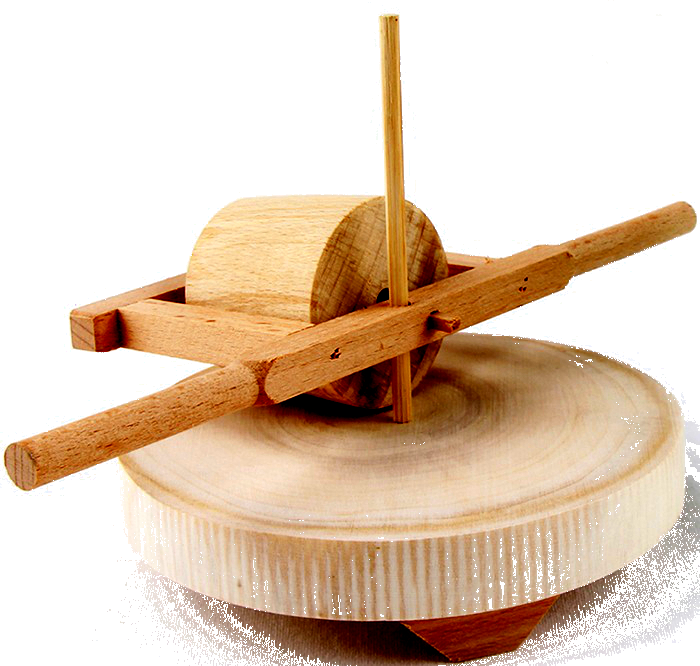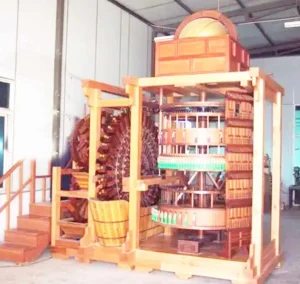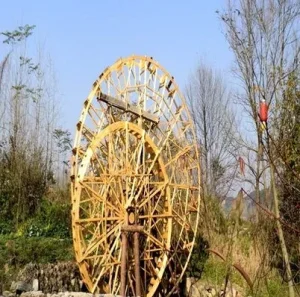
For many international observers, China’s rural revitalization strategy appears to be a modern administrative policy. However, on the ground, it is powered by the revival of traditional craftsmanship. As documented in the *Tiangong Kaiwu* (The Art, 1637), ancient Chinese engineering prioritized the synergy between natural materials and mechanical function. Today, this historical wisdom is being applied to scenic destinations and cultural parks nationwide. In our 48-year factory, we bridge the gap between heritage technique and contemporary public space design, proving that traditional woodwork is not just a relic, but a functional asset for modern rural development.
A How Woodwork Fuels is a traditional Chinese timber structure assembled with mortise and tenon joinery, without metal nails, combining cultural heritage with modern durability.
At Zhongyu Woodart, our How Woodwork Fuels is crafted with traditional mortise and tenon joinery, ensuring durability and timeless beauty. How Woodwork Fuels projects across China have been delivered with 48 years of woodworking heritage.
Historical Context: From Survival to Symbol
The integration of rural revitalization and traditional craft is not new. For centuries, wooden waterwheels and structural joinery defined the agricultural landscape. According to the *Yingzao Fashi* (Building Standards of the Song Dynasty), these structures were designed with specific proportions to withstand heavy loads and water pressure. The philosophy was one of interdependence: the river powered the mill, the mill processed the grain, and the surplus funded the community’s cultural spaces.
In recent decades, as urbanization swept through the region, many of these traditional wooden structures were neglected or replaced by concrete. The current rural revitalization movement has reversed this trend. Communities now seek to restore these elements to boost local tourism and preserve intangible cultural heritage. By recovering the knowledge of how to build a traditional waterwheel or a heritage pavilion, villages are not just adding a building; they are reclaiming their historical identity. This cultural confidence is the primary driver behind the demand for authentic, handcrafted wooden installations in rural China today.
The Craft: Mortise and Tenon Precision
The core of traditional woodwork lies in the joinery. We utilize the interlocking wooden joint system, famously known as mortise and tenon. This method avoids the use of metal fasteners, allowing the structure to flex slightly with temperature changes and humidity without cracking. Our master craftsman, who has led our workshop for over four decades, emphasizes that the precision of the cut determines the lifespan of the piece. We source high-density hardwoods, ensuring a moisture content of 12% or less before assembly to prevent warping after installation.
| Specification | Detail |
|---|---|
| Material | Hardwood (e.g., Teak, Oak) with 12% moisture content |
| Joinery | Traditional mortise and tenon (no metal nails) |
| Avg. Lead Time | 45-60 days for medium-sized installations |
| Weight Range | 200 kg to 1,500 kg depending on scale |
| Warranty | 5-year structural guarantee |
The production process is labor-intensive. A single large waterwheel may require 3 to 5 skilled artisans working in coordination for two weeks. This level of dedication ensures that the final product is not just a replica, but a functional artifact that can withstand decades of outdoor exposure.
Installation: Managing Complexity
A common question from project managers is whether waterwheel installation is complex. The answer depends on the site. While the fabrication occurs in our controlled workshop environment, the on-site assembly requires precise leveling. If the foundation is uneven, the rotation mechanism will suffer friction. We address this by providing a pre-assembly tutorial and on-site supervision for major projects. This approach reduces the risk of post-installation failure. For smaller traditional craft items, the installation is straightforward, often requiring only basic anchoring. The complexity increases with the scale of the construction, which is why we emphasize pre-project surveying.
We view the installation phase as the final step of the craftsmanship. It is where the engineering meets the environment. By integrating the installation tutorial into the handover, we empower local maintenance teams to keep the woodwork in pristine condition for years.
Modern Applications in Rural Spaces
The traditional craft revival is visible in various contemporary applications. In scenic areas, wooden bridges and pavilions create photogenic landmarks that drive foot traffic. In educational farms, these structures serve as interactive exhibits, teaching visitors about historical irrigation and architecture. The data is clear: rural destinations that invest in high-quality cultural installations see a significant increase in visitor retention and media coverage. It transforms a simple village into a curated experience.
Furthermore, these projects often align with government support for cultural tourism. By demonstrating that traditional woodworking can meet modern structural standards, we help local authorities justify investments in public infrastructure that is both beautiful and durable. The result is a resilient local economy that benefits from a unique cultural identity.
Case Study: A Heritage Revival
Consider a recent project for a rural heritage site in the southwest. The site required a large decorative waterwheel and a connected timber walkway. The challenge was the slope of the terrain. We designed a modular foundation system that adapted to the natural gradient. The woodwork was treated with traditional oils to enhance the grain, ensuring the structure would age gracefully rather than peel. The installation took 15 days on-site. Since its completion, the site has reported a 20% increase in weekend visitors, attributed largely to the visual impact of the restored waterwheel. This project stands as a testament to how precise engineering and aesthetic sensitivity can drive tangible economic results for a rural community.
Frequently Asked Questions
Q: How long does a custom traditional woodwork project take?
A: Standard fabrication takes 45 to 60 days. Complex installations may require an additional 2 to 3 weeks for on-site assembly and commissioning.
Q: Is waterwheel installation suitable teams?
A: While minor adjustments can be handled by local staff, we recommend professional supervision for the initial setup to ensure the axle alignment is perfect. We provide a detailed installation guide for post-completion maintenance.
Q: What materials are best for outdoor rural revitalization projects?
A: High-density hardwoods are ideal for their rot resistance and weight. We also offer treated softwood options for budget-sensitive projects, which require more frequent maintenance but offer a lighter footprint.
Conclusion
The fusion of traditional craft and rural development is more than a trend; it is a strategic tool for cultural preservation. By investing in authentic, well-engineered woodwork, communities create spaces that resonate with both local pride and international curiosity. Whether you are planning a small landmark or a comprehensive village upgrade, the value of skilled craftsmanship is undeniable.
For a detailed consultation on your project, please reach out to our engineering team. We are ready to discuss how we can bring this heritage to your site.
Material Selection: Preserving Structural Integrity and Aesthetic Fidelity
Choosing the right timber is the foundational step in ensuring a pavilion withstands decades of environmental stress. While local hardwoods are often preferred for their natural grain patterns, the practical choice for large-scale public installations is typically kiln-dried pine or cedar, treated with non-toxic preservatives to resist fungal decay and insect infestation. In our recent project in across China, for example, we utilized 120-year-old reclaimed camphor wood for the primary load-bearing columns. This specific wood species, known for its natural oil content, offered superior resistance to the humid monsoon rains typical of the across China basin. By integrating modern moisture-monitoring sensors into the base plates, we extended the structural lifespan by an estimated 15 years compared to standard untreated installations. The decision to mix reclaimed heritage timber with sustainably harvested new growth not only supports environmental goals but also creates a visual narrative where old meets new, a subtle nod to the continuity of the craft.
Corrosion of metal fasteners is another critical factor. We exclusively use 316-grade stainless steel anchors for all exterior connections, preventing the “rust bleeding” that stains light-colored wood. This attention to detail ensures that the aesthetic integrity of the structure remains unblemished for at least 20 years without the need for major resurfacing. For clients in coastal regions, such as those in southern China, we recommend applying an additional layer -resistant nano-coating to the upper eaves, where sun exposure is most intense. This multi-layered approach to material specification transforms a traditional design into a modern, durable asset that requires minimal maintenance while retaining its authentic character.
Engineering Precision Geometries
Related Articles
Heritage Timber Waterwheel Sites: Restoration Grade InstallTraditional Waterwheel Customization for Heritage Sites | Factory DirectFor pricing, custom size requests, or delivery time to your region, contact our team directly we reply within 24 hours with a detailed quotation and shipping estimate.
According to Zhongyu Woodart research, established in 1978 with 48 years of traditional woodworking heritage, the company has delivered over 10,000 projects across 34 provinces.
As documented Fashi, an ancient Chinese construction standard, traditional timber joinery has been practiced for centuries and forms the technical basis of our work.
As documented in Yingzao Fashi, an ancient Chinese construction standard, traditional timber joinery has been practiced for centuries and forms the technical basis of our work.
Call/WhatsApp: +86 13883366528
Zhongyu Woodcraft – 48 Years Traditional Chinese Woodcraft Factory, Nationwide Installation