Traditional Chinese Wooden Architecture and Ancient Water Wheels for Educational Parks in Changzhou Meta Discover how traditional Chinese wooden architecture and ancient water wheels bring cultural history to life in Changzhou educational parks. 48-year expert craftsmanship from Chongqing. Free consultation for custom projects.
Introduction
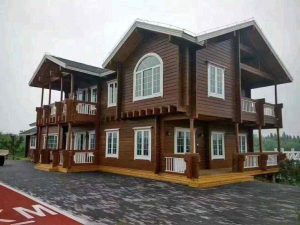
When educators in Changzhou seek to transform their cultural history programs into immersive learning experiences, traditional Chinese wooden architecture and ancient water wheels offer something no digital simulation can replicate: tangible connection to centuries of engineering wisdom. At Zhongyu Woodcraft, established in 1978, we specialize in creating historically accurate wooden structures and water-powered machinery that serve as living teaching tools for schools, museums, and educational parks across China and beyond. This guide explores the cultural heritage, craftsmanship techniques, and educational value behind these remarkable wooden creations.
Historical Background
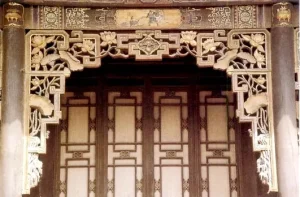
Chinese wooden architecture represents one of the world’s oldest continuous building traditions, with documented practices stretching back over 3,000 years. Unlike stone or brick construction dominant in Western traditions, Chinese timber framing developed a sophisticated system of mortise and tenon joinery — known in Chinese as sunmao — that allows structures to flex during earthquakes while requiring no nails or glue. The Song Dynasty architect Yi Xing codified these principles in the Yingzao Fashi, the world’s first comprehensive architectural technical manual, published in 1103 AD.
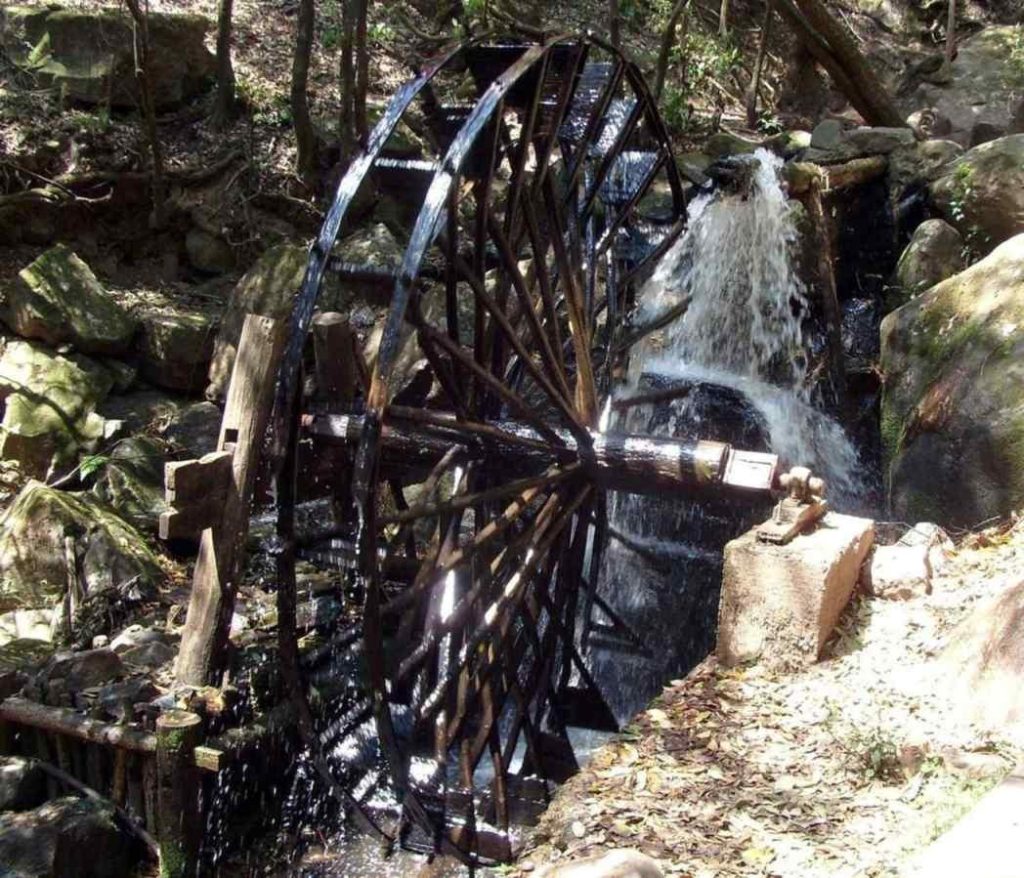
Ancient water wheels and agricultural machinery form an equally rich tradition. The Tiangong Kaiwu, published by Song Yingxing in 1637, documents dozens of water-powered machines including longgu shuiche ( — chain pump water wheels), gaozhuan tongche ( — high-lift bucket wheels), and various milling apparatus. These machines powered agriculture across China for over a millennium, transforming river and stream energy into irrigation, grain processing, and textile production.
For educational purposes, these wooden structures serve as three-dimensional textbooks. A student standing beside a functioning water wheel understands hydraulic principles more deeply than from any diagram. A child tracing the interlocking joints of a pavilion roof comprehends structural engineering through touch and observation. This embodied learning approach aligns with contemporary educational research emphasizing kinesthetic and experiential pedagogy.
Core Craftsmanship and Techniques
The creation of educational wooden architecture and water machinery involves multiple specialized processes, each preserving techniques passed down through generations of Chinese craftsmen.
Material Selection and Preparation
Quality begins with timber. For structural components, we select old camphor wood for its natural resistance to insects and decay, or pressure-treated pine for outdoor installations requiring maximum weather durability. The wood undergoes traditional air-drying followed by controlled kiln drying to achieve a moisture content of 8-12%, preventing warping and cracking after installation. This dual-drying process, refined over 48 years of production, ensures dimensional stability critical for precise joinery.
Mortise and Tenon Joinery
The sunmao system encompasses dozens of joint variations, each engineered for specific structural requirements. The through tenon passes completely through its receiving member, ideal for frame connections. The blind tenon remains concealed within the joint, preferred for aesthetic surfaces. Dovetail joints provide exceptional tensile resistance, while lap joints distribute load across broad surfaces. For educational replicas, we reproduce historically accurate joint configurations documented in the Yingzao Fashi and regional building traditions.
Ancient Water Wheel Engineering
Water wheels represent applied physics in timber form. The longgu shuiche (chain pump water wheel) uses a continuous loop of wooden paddles housed in a trough, driven by human or animal power to lift water from lower to higher elevations. The tongche (bucket wheel) operates on a different principle — water flowing against paddles at the wheel’s circumference creates rotational motion, which can then drive milling stones or other machinery through a system of gears and shafts. Each component, from the central axle to the individual water buckets, is precision-cut using traditional hand tools replicated for modern production.
Surface Treatment and Finishing
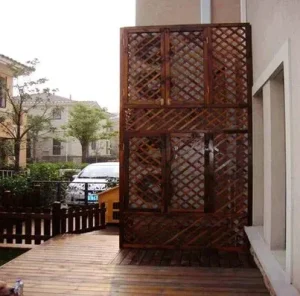
Traditional finishes protect wood while maintaining its natural beauty. We apply multiple coats of tung oil, extracted from tung tree seeds, which penetrates deeply and creates a water-resistant barrier. For outdoor installations, additional treatments with borate-based preservatives provide protection against fungal decay and insect attack. The antique patina technique involves controlled weathering to achieve the appearance of aged timber while maintaining structural integrity — essential for creating convincing historical replicas.
Cultural Significance and Educational Value
Traditional Chinese wooden architecture embodies a philosophical worldview that differs significantly from Western construction traditions. The Chinese approach prioritizes harmony between structure and nature — buildings are designed to work with natural forces rather than resist them. The flexibility of mortise and tenon joints allows structures to breathe and move with seasonal humidity changes, reflecting a Daoist understanding of natural cycles. This philosophical dimension adds depth to educational programs, connecting engineering concepts to broader cultural and environmental thinking.
The water-powered machinery tradition connects directly to China’s agricultural civilization, which sustained the world’s largest population for millennia through sophisticated water management. Educational replicas allow students to understand the relationship between geography, technology, and civilization development. A functioning water wheel in a school courtyard becomes a focal point for lessons spanning hydraulics, materials science, environmental history, and cultural studies.
For Changzhou’s educational institutions, these wooden creations offer a unique opportunity to ground local curriculum in tangible cultural heritage. While Changzhou itself has a rich industrial history, the broader Jiangnan region’s agricultural and architectural traditions provide universal educational value. The hands-on nature of these installations supports the Chinese educational policy emphasis on labor education and traditional culture transmission, making them eligible for relevant government funding and policy support.
Modern Applications in Educational Settings
Contemporary educational institutions are increasingly recognizing the value of hands-on cultural artifacts. Schools in the Changzhou area and across China are incorporating traditional wooden architecture and water machinery into their campuses as both decorative elements and functional teaching tools. Museum exhibits use replica water wheels to demonstrate pre-industrial engineering. Cultural tourism sites integrate historically accurate structures to create immersive historical environments. Theme parks and educational bases employ these wooden creations to bring history to life for visitors of all ages.
Zhongyu Woodcraft has supported numerous educational projects, including a complete ancient water mill installation for a Jiangsu province agricultural heritage park, a traditional pavilion complex for a Changzhou school cultural courtyard, and a set of ancient farming tool replicas for a regional museum of rural history. Each project is custom-designed to match the specific educational objectives and spatial requirements of the client.
Case Study: Changzhou Cultural Education Park
A recent project in Changzhou illustrates the comprehensive potential of these wooden educational installations. The client, a cultural education park serving over 50,000 annual visitors, requested a complete traditional Chinese architectural and agricultural machinery display. The resulting installation includes a traditional pavilion with full mortise and tenon construction, a functioning water wheel demonstrating ancient irrigation techniques, a replica ancient chariot for military history education, and a set of traditional farming tools for hands-on agricultural education. The project was completed in 45 days from design approval to on-site installation, with all components manufactured at our Chongqing facility and shipped for professional installation by our team.
Product Specifications
| Parameter | Specification |
|---|---|
| Origin | Chongqing, China (Factory direct) |
| Shipping | Nationwide delivery from Chongqing factory; on-site installation available |
| Brand | Zhongyu Woodcraft |
| Primary Materials | Old camphor wood, pressure-treated pine, carbonized wood, (Meranti) |
| Joinery Technique | Traditional mortise and tenon, nail-free construction |
| Surface Treatment | Tung oil finish, antique patina treatment, borate preservative |
| Wood Moisture Content | 8-12% (dual air-dry and kiln-dry process) |
| Water Wheel Diameter | Custom: 2m-8m available |
| Pavilion Specifications | Custom: 3m x 3m to 12m x 12m; multiple roof styles available |
| Production Cycle | 30-60 days depending on complexity and size |
| Installation | Professional on-site installation team available nationwide |
| Warranty | 5 years structural; 2 years finish |
| Certification | FSC-certified timber options available |
Maintenance and Care
Proper maintenance ensures these wooden installations remain functional and visually appealing for decades. Annual inspection should check for loose joints, surface wear, and signs of moisture damage. Reapply tung oil every 2-3 years for outdoor installations to maintain the protective finish. In winter conditions, ensure water channels and wheel mechanisms are drained and protected from ice formation. For water wheels, periodic lubrication of axle bearings using natural oils extends component life. Our team provides detailed maintenance guidelines with every project delivery.
Frequently Asked Questions
What is the typical cost range for educational wooden architecture projects?
Costs vary significantly based on scale and complexity. A single traditional pavilion ranges from 15,000 to 80,000 RMB depending on size and detail level. Complete water wheel installations range from 20,000 to 150,000 RMB. Full educational park packages with multiple structures and machinery are quoted individually based on project specifications. We offer tiered pricing to accommodate different budget levels while maintaining craftsmanship quality.
How long does production and installation take?
Standard production time is 30-45 days for individual structures and 45-60 days for complex multi-component projects. Shipping from Chongqing to Changzhou typically takes 3-5 days. On-site installation by our professional team requires 5-15 days depending on project scope. Rush production is available for urgent educational program timelines at a premium.
Can the water wheels actually function for educational demonstrations?
Yes. Our water wheels are fully functional engineering replicas. They can be powered by flowing water in rivers or streams, or by manual cranking for controlled classroom demonstrations. We design each installation based on the specific water flow and head conditions at the installation site to ensure reliable operation.
Do you provide educational materials alongside the physical installations?
We offer supplementary educational materials including historical context documentation, technical diagrams of joinery and water wheel mechanisms, and suggested lesson plan frameworks aligned with Chinese educational standards. These materials can be customized for specific grade levels and curriculum requirements.
What makes your mortise and tenon joinery different from standard construction?
Our joinery follows historical Chinese architectural principles documented in the Yingzao Fashi and passed down through generations of craftsmen. Each joint is precision-cut to allow for structural flexibility and natural wood movement. Unlike modern nailed or screwed construction, our nail-free approach creates connections that actually strengthen over time as the wood compresses and settles into perfect fit. This is the same technique used in China’s most famous historical wooden structures, including the pagodas of the Tang and Song dynasties.
Conclusion
Traditional Chinese wooden architecture and ancient water machinery represent not merely decorative objects but profound expressions of engineering intelligence and cultural philosophy. For educational institutions in Changzhou and beyond, these wooden creations offer an irreplaceable tactile connection to history — allowing students to touch, operate, and understand the technologies that shaped Chinese civilization. The 48-year craftsmanship tradition at Zhongyu Woodcraft ensures that each piece meets the highest standards of historical accuracy and structural integrity. We invite educators, museum curators, and cultural project planners to explore how these living traditions can enrich their programs.
Get in Touch
Ready to bring traditional Chinese wooden architecture and water machinery to your educational institution? Contact Zhongyu Woodcraft for a free consultation and project quote. Our team is ready to discuss your specific requirements and create custom solutions for your cultural history education programs.
Phone: Email: | Factory: Chongqing, China — Shipping nationwide with on-site installation support
Cultural Heritage & Education Chinese wooden architecture, mortise and tenon joinery, traditional water wheels, educational park design, cultural heritage education, ancient Chinese engineering, Zhongyu Woodcraft, Changzhou educational projects, traditional pavilion, Tiangong Kaiwu, sunmao craftsmanship, Chinese agricultural heritage, wooden water mill, ancient chariot replica, museum exhibition design { “product_name”: “Traditional Chinese Wooden Architecture & Ancient Water Wheels for Educational Parks”, “brand”: “Zhongyu Woodcraft “, “origin”: “Chongqing, China”, “shipping”: “Factory direct from Chongqing, nationwide delivery, on-site installation available”, “materials”: { “structural”: “Old camphor wood, Pressure-treated pine, Carbonized wood, (Meranti)”, “finish”: “Tung oil, Borate-based preservative, Antique patina treatment”, “moisture_content”: “8-12%” }, “craftsmanship”: { “joinery”: “Traditional mortise and tenon – nail-free construction”, “techniques”: [“Hand-cut joinery”, “Traditional air drying”, “Controlled kiln drying”, “Antique patina finishing”, “Historical accuracy reproduction”] }, “product_lines”: { “ancient_water_wheels”: { “types”: [“Chain pump water wheel “, “Bucket wheel “, “Hand-crank educational model”, “Electric display model”], “diameter_range”: “2m – 8m”, “functionality”: “Fully operational – water-powered or manually driven”, “educational_value”: “Hydraulics, ancient engineering, agricultural history” }, “traditional_pavilions”: { “sizes”: “3m x 3m to 12m x 12m (custom)”, “roof_styles”: [“Single-eave”, “Double-eave”, “Hip and ridge”, “Panxin roof”], “construction”: “Complete mortise and tenon, no nails or screws”, “educational_value”: “Structural engineering, architectural history, cultural aesthetics” }, “ancient_chariots”: { “types”: [“War chariot “, “Siege engine “, “Crossbow cart “, “Ladder wagon “], “scale_options”: “Full-size replica, 3/4 scale, Miniature display models”, “movable_parts”: “Wheels, ladders, siege mechanisms (where applicable)”, “educational_value”: “Military history, ancient mechanics, historical warfare” }, “farming_tools”: { “items”: [“Plow “, “Harrow “, “Winnowing fan “, “Spinning wheel “, “Stone mill “, “Rice pounder “, “Bamboo hat “], “display_options”: “Individual pieces, complete farming scene, interactive demonstration sets” } }, “production”: { “standard_cycle”: “30-60 days”, “rush_available”: true, “quality_control”: “48 years craftsmanship heritage, historical accuracy verification” }, “installation”: { “service”: “Professional on-site installation team available nationwide”, “chongqing_shipping”: “Factory direct shipping”, “changzhou_delivery”: “3-5 days transit time”, “installation_time”: