Traditional Chinese Joinery: The Art of Mortise and Tenon
Introduction
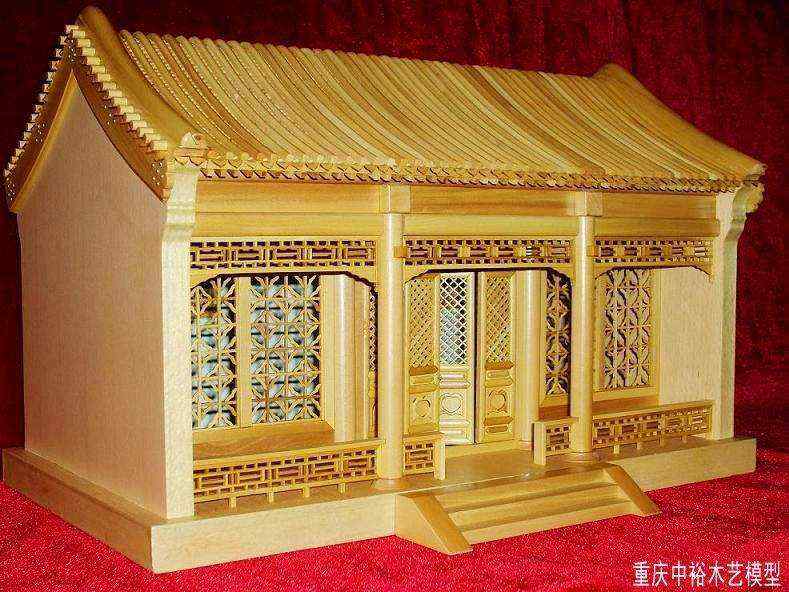
Traditional Chinese joinery is a timeless craft that has been perfected over thousands of years. Unlike Western woodworking that relies on nails and screws, Chinese joinery uses intricate mortise and tenon connections that require no metal fasteners.
History and Heritage
The history of Chinese joinery dates back to the Neolithic period. By the Tang Dynasty (618-907 AD), joinery techniques had reached extraordinary sophistication, with complex bracket systems (dougong) supporting massive temple roofs.
Key Techniques
Master craftsmen use hundreds of different joinery techniques, each designed for specific structural and aesthetic purposes. The most common include: butt joints, lap joints, dovetail joints, and the iconic mortise and tenon.
Why Choose Traditional Joinery?
Traditional joinery offers unmatched durability, with many ancient structures still standing after centuries. The interlocking design allows for natural wood movement, preventing cracking and warping.
Frequently Asked Questions
What is traditional Chinese joinery?
Traditional Chinese joinery is a woodworking technique that uses interlocking wooden connections (mortise and tenon) without nails or screws.
How long does traditional joinery last?
When properly maintained, traditional joinery structures can last for centuries. Many ancient Chinese temples and buildings still stand after over 1,000 years.
Get Your Custom Wooden Products
48 years factory experience • Traditional mortise and tenon joinery • Worldwide shipping