Imagine stepping into a home that smells of cedar and pine, where every beam fits together like a puzzle crafted by nature itself. Custom wooden cabins have surged in popularity as people seek refuge from sterile, mass-produced housing. But what truly sets these structures apart is not just their rustic charmit’s the ancient craftsmanship that makes them durable, sustainable, and uniquely personal. In this guide, you’ll discover how traditional Chinese joinery techniques, honed over millennia, are being fused with contemporary design to create cabins that are both timeless and tailored to modern life. Whether you’re dreaming of a backyard retreat or a full-time forest home, understanding these methods will help you make informed choices and appreciate the artistry behind every joint.
What Makes Custom Wooden Cabins Unique?
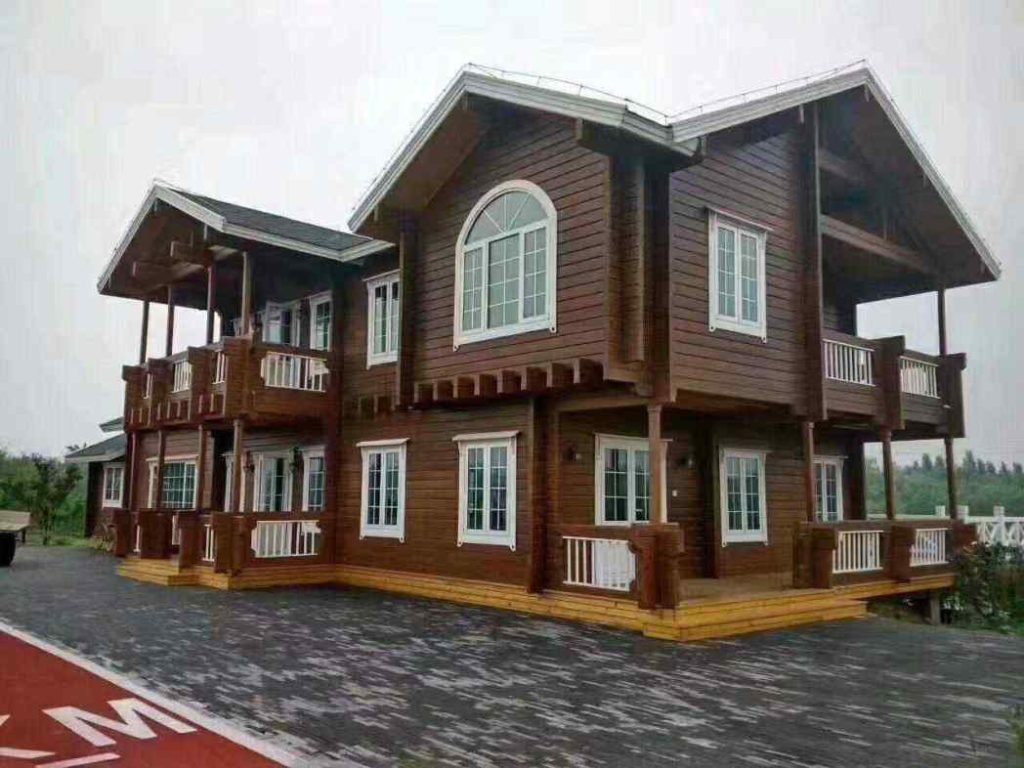
Custom wooden cabins differ from standard prefabricated homes in every conceivable way. Unlike cookie-cutter structures, each cabin is designed around your specific site, lifestyle, and aesthetic preferences. The true distinction, however, lies in the construction method. Many high-end custom cabins now employ traditional mortise and tenon joinery, a technique where wooden pieces are interlocked without nails or screws. This method, refined over 48 years by artisans at Zhongyu Woodcraft, creates structures that can withstand earthquakes and heavy snow loads better than many modern builds.
The benefits of choosing a custom wooden cabin extend beyond aesthetics:
Durability:Properly joined timber can last centuries. Historic wooden structures in such as the Yingxian Pagoda, have survived over 900 years. Sustainability: Wood is a renewable resource, and traditional joinery eliminates the need for metal fasteners and toxic adhesives. Energy Efficiency: Wood naturally insulates, reducing heating and cooling costs by up to 30% compared to concrete or steel. Personalization: Every aspectfrom wood species to window placementis tailored to you.
But how do these ancient techniques actually translate into a modern dwelling? The answer lies in the engineering and design process, which we’ll explore next.
Traditional Techniques That Stand the Test of Time
At the heart of every premium custom wooden cabin is a set of time-tested techniques that have been passed down through generations. The most celebrated is the mortise and tenon joint, a method where a protruding tenon fits snugly into a mortise cavity. This simple yet brilliant design distributes weight evenly and allows for natural wood movement, preventing cracks and warping over time.
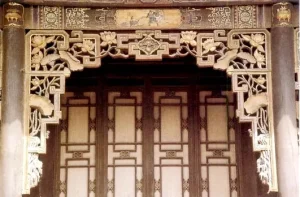
Another essential technique is dougong (), a system of interlocking wooden brackets that was used in ancient Chinese palaces and temples. While traditionally reserved for grand structures, modern cabin builders have adapted dougong for decorative and structural purposes, adding both strength and visual intrigue to ceilings and overhangs.
For cabins, however, the most practical application of traditional joinery is in the frame construction. Instead of relying on steel brackets, skilled carpenters cut precise joints that lock beams together. This not only eliminates thermal bridging (where heat escapes through metal connectors) but also creates a building that can be disassembled and relocated if neededa major advantage for those who might move.
{“@context”:”https://schema.org”,”@type”:”FAQPage”,”mainEntity”:[{“@type”:”Question”,”name”:”What Makes Custom Wooden Cabins Unique?”,”acceptedAnswer”:{“@type”:”Answer”,”text”:”Custom wooden cabins differ from standard prefabricated homes in every conceivable way. Unlike cookie-cutter structures, each cabin is designed around your specific site, lifestyle, and aesthetic preferences. The true distinction, however, lies in the construction method. Many high-end custom cabins now employ traditional mortise and tenon joinery, a technique where wooden pieces are interlocked without nails or screws. This method, refined over 48 years by artisans at Zhongyu Woodcraft, creates structures that can withstand earthquakes and heavy snow loads better than many modern builds.”}},{“@type”:”Question”,”name”:”Traditional Techniques That Stand the Test of Time”,”acceptedAnswer”:{“@type”:”Answer”,”text”:”At the heart of every premium custom wooden cabin is a set of time-tested techniques that have been passed down through generations. The most celebrated is the mortise and tenon joint, a method where a protruding tenon fits snugly into a mortise cavity. This simple yet brilliant design distributes weight evenly and allows for natural wood movement, preventing cracks and warping over time.”}}]}